- Company Articles
- Products and Technology
- Installation And Maintenance
- Troubleshooting Aluminum Guide Rail B Issues: Fixing Misalignment and Wear Problems

Troubleshooting Aluminum Guide Rail B Issues: Fixing Misalignment and Wear Problems
Related Product
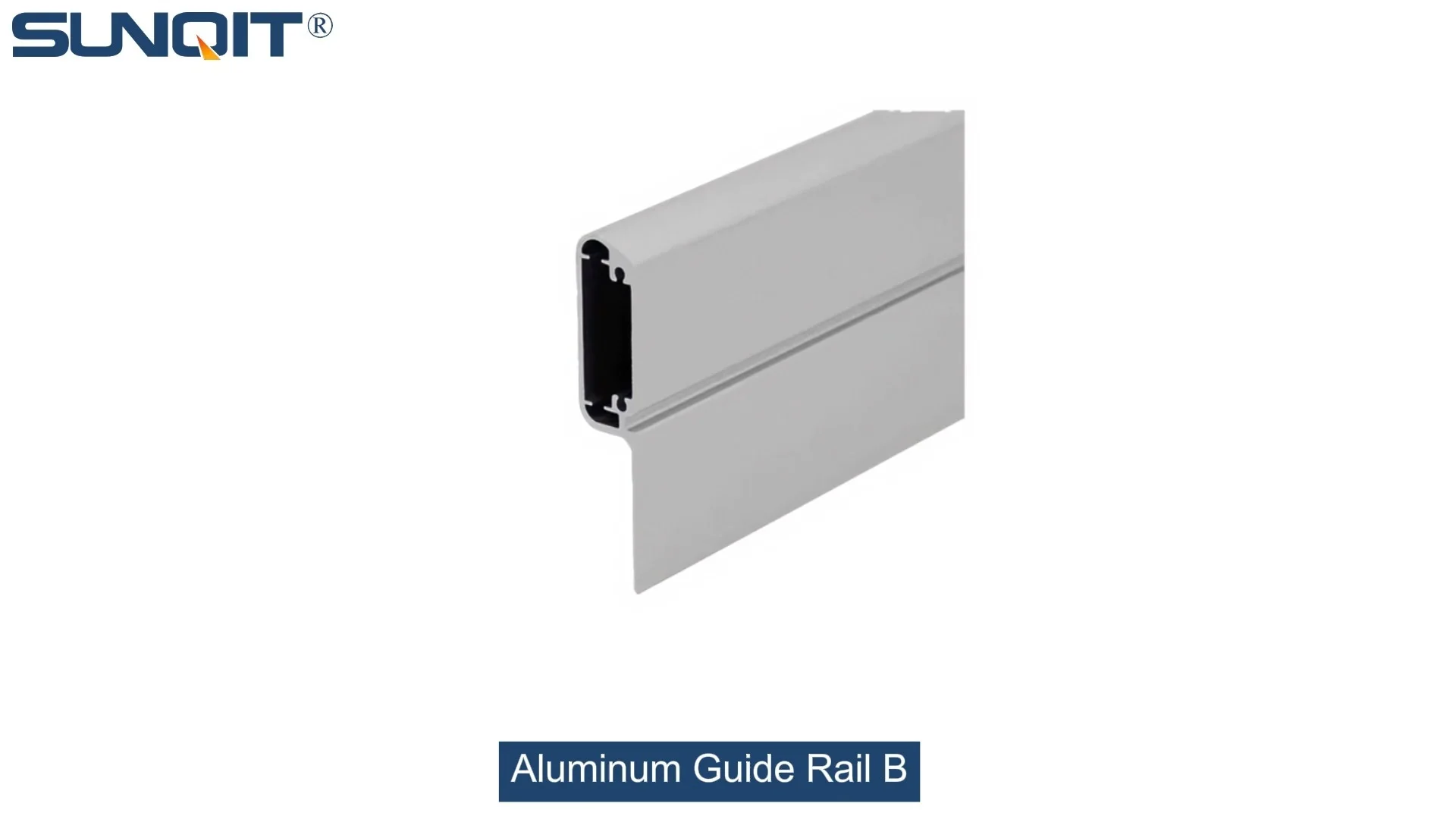
Aluminum Guide Rail B
The aluminum guide rails hold the transport goods securely on the roller track. For installation, the guide rails are simply pushed over the roller tracks.To protect sensitive products.
Let's set the scene: It's a busy Tuesday morning at a 3C assembly plant in Shenzhen. Xiao Li, a line operator, is rushing to keep up with the production quota for smartphone components. As he loads a tray of circuit boards onto the conveyor system, he notices something off—the parts aren't gliding smoothly along the Aluminum Guide Rail B as they should. Instead, they're wobbling, scraping against the rail edges, and one even tumbles onto the floor. The line grinds to a halt. By the time the supervisor arrives, 12 minutes have passed, and the day's efficiency target is already slipping.
Sound familiar? If you work in manufacturing—whether it's 3C electronics, medical device production, or automotive assembly—you know that Aluminum Guide Rail B isn't just a metal bar. It's the silent backbone of your lean system, the unsung hero that keeps roller tracks flowing, workbenches productive, and your entire operation aligned with lean principles. When it fails, everything feels the impact.
Today, we're diving deep into the two most common headaches with Aluminum Guide Rail B: misalignment and wear. We'll break down why they happen, how to fix them fast, and even share real stories from factories that turned these frustrations into smoother, more reliable production lines. Let's get your (guide rail) back on track.
Why Aluminum Guide Rail B Matters in Your Lean System
Before we troubleshoot, let's talk about why this particular rail deserves your attention. Aluminum Guide Rail B is the connective tissue of modern lean setups. It bridges roller tracks to conveyors, guides delicate components between lean pipe workbenches, and ensures that every part moves with precision—whether you're assembling laptops, packaging medical supplies, or sorting warehouse goods.
What makes it special? Unlike generic steel rails, its lightweight aluminum construction reduces strain on support structures, while its smooth finish minimizes friction—critical for high-speed lines. It's also designed to integrate seamlessly with aluminum profile accessories, from brackets to placon mounts, making it a favorite in flexible production environments where reconfiguration is part of the daily routine.
In industries like 3C assembly, where components can be as small as a SIM card tray, even a 1mm misalignment in Aluminum Guide Rail B can cause jams, scrap parts, or worse—delayed shipments. And in medical device manufacturing, where compliance and precision are non-negotiable, worn rails might compromise sterility or part integrity. Simply put: your rail's health is your production line's health.
The Two Most Common Culprits: Misalignment & Wear
Let's start by identifying the problems. Walk over to your production line right now (or visualize it if you're reading this from your desk). What do you see when you look at your Aluminum Guide Rail B?
1. Misalignment: When Your Rail "Wanders Off Course"
Misalignment happens when the rail shifts from its intended position—either horizontally (left/right), vertically (up/down), or both. Here's how to spot it:
- Parts "drift" to one side of the rail, scraping against edges or falling off
- Uneven wear patterns (e.g., more scratches on the left side than the right)
- Unusual noises: squeaking, grinding, or "clunking" as parts hit misaligned sections
- Inconsistent speed—parts slow down or speed up unexpectedly on certain rail segments
Take the case of a medical device manufacturer in Suzhou. Their Aluminum Guide Rail B was feeding components to an ESD workstation, but operators noticed parts kept veering right, getting stuck between the rail and a neighboring conveyor. A quick check revealed the rail had shifted 3mm to the right at the midpoint—just enough to throw off the entire flow.
2. Wear: When Your Rail "Gets Tired"
Wear is the slow, silent degradation of the rail's surface or structure. It's easy to miss until it causes big problems. Look for:
- Visible scratches, dents, or "gouges" along the rail's contact surface
- Rough patches where parts no longer glide smoothly—you might feel resistance if you run your hand along the rail
- Metal shavings or debris collecting under the rail (a sign of friction eating away at the material)
- Loose or damaged end caps—these are often the first to wear out, exposing the rail's edges
A consumer electronics plant in Dongguan learned this the hard way. Their Aluminum Guide Rail B had been in use for 18 months without inspection. One day, a batch of smartphone screens started arriving at the lean pipe workbench with micro-scratches. The culprit? A worn, pitted section of rail that was abrading the screens as they passed through. The cost of replacing those screens? Over ¥20,000. The fix? A new rail section and a better maintenance schedule.

Why Do These Problems Happen? Let's Dig In
Fixing misalignment or wear starts with understanding why they occur. Let's break down the root causes—no technical jargon, just real-world reasons.
| Problem | Common Causes | Real-World Example |
|---|---|---|
| Misalignment | Shaky Foundations: The floor under the rail isn't level (common in older factories or after heavy equipment moves). Even a 0.5° slope can pull the rail off-center over time. | A car parts plant in Wuhan had to re-level their floor after installing new stamping machines—the vibrations shifted the ground, and within weeks, three Aluminum Guide Rail B sections were misaligned. |
| Loose Fasteners: The brackets or placon mounts holding the rail (like Roller Track Placon Mount for Aluminum Profile) work loose from vibration. Think of it like a loose screw on a bike—ignoring it leads to bigger wobbles. | A 3C factory in Guangzhou found that their night shift cleaning crew was accidentally kicking the rail supports, loosening the M10 bolts. By Friday, the rail was misaligned by 2mm. | |
| Thermal Expansion: Aluminum expands in heat and contracts in cold. If your factory has big temperature swings (e.g., AC on during the day, off at night), the rail can "creep" out of position. | A warehouse in Beijing noticed misalignment every Monday morning—turns out, weekend temperature drops caused the rail to contract, then expand unevenly when the heat came on Monday. | |
| Overloading: Putting heavier parts on the rail than it's rated for bends the supports, pulling the rail off track. | A electronics manufacturer tried to save time by doubling the number of circuit boards per tray—their Aluminum Guide Rail B couldn't handle the weight, and the middle support sagged, causing a vertical misalignment. | |
| Wear | Abrasive Particles: Dust, metal shavings, or grit from the production process get trapped between the rail and parts, acting like sandpaper. | A machinery shop in Changzhou forgot to install dust covers over their Aluminum Guide Rail B. Metal chips from nearby grinding machines wore down the rail's surface in just 6 months. |
| Poor Lubrication: Without proper lubrication, metal-on-metal contact (between parts and rail) accelerates wear. | An ESD workbench line in Shanghai skipped lubrication to "save time." Within a year, their Aluminum Guide Rail B had deep grooves where PCBs had rubbed against it. | |
| Low-Quality Materials: Using generic aluminum instead of high-grade aluminum extrusion profile (like the ones designed for heavy-duty use) leads to faster wear. | A startup in Hangzhou bought cheap rail knockoffs to cut costs. Their rails developed visible dents after just 3 months of light use. | |
| Edge Impacts: Dropping tools or heavy parts on the rail (common during maintenance or operator error) dents the surface, creating rough spots that wear faster. | A warehouse in Shenzhen had a forklift accidentally bump the end of their Aluminum Guide Rail B. The dent caused parts to catch, wearing a groove around the impact site within weeks. |

Step-by-Step Troubleshooting: Fixing Misalignment & Wear Fast
Now for the good stuff: how to fix these issues—no fancy tools required (though a few basics help). We'll start with misalignment, then move to wear.
Fixing Misalignment in 5 Steps (Even If You're Not a Maintenance Pro)
-
Step 1: Stop the Line & Mark the Problem Area
Safety first! Turn off the conveyor or roller track. Use masking tape to mark where the rail is misaligned (e.g., "3mm left here" or "sags 2mm at bracket 4"). This helps you track progress.
-
Step 2: Check the Foundations (Floor & Supports)
Use a bubble level to check if the floor under the rail is level. If not, shim the supports with thin metal plates (1-2mm thick) to even it out. Then, tighten all fasteners—pay special attention to Roller Track Placon Mount for Aluminum Profile Flat and Center Support Brackets. A torque wrench (set to 15-20 Nm for aluminum) ensures you don't over-tighten and strip threads.
-
Step 3: Realign the Rail
For horizontal misalignment (left/right): Loosen the brackets slightly, then gently tap the rail back into place with a rubber mallet (avoid metal hammers—they dent aluminum!). Use a straightedge (or a long level) to align it with adjacent rails or workbenches.
For vertical misalignment (up/down): Add or remove shims under the supports until the rail is level. If a support is bent, replace it—don't try to bend it back (aluminum weakens when bent repeatedly).
-
Step 4: Test with a "Dry Run"
Manually slide a test part along the rail. Does it glide smoothly? No scraping or sticking? If yes, tighten the brackets fully. If not, repeat Step 3—you might have missed a loose fastener.
-
Step 5: Add Anti-Slip Measures (Optional but Smart)
To prevent future shifts, apply thread-locking fluid (like Loctite) to bracket bolts, or add rubber washers between the rail and supports to dampen vibration.
Pro Tip: A 3C factory in Chengdu saved 2 hours per month by training operators to do a 2-minute "rail check" during their morning setup. They use a laser level app on their phones to spot misalignment early!
Fixing Wear: From Quick Patches to Full Replacements
Wear is trickier—minor issues can be patched, but severe wear needs a new rail. Here's how to decide:
| Wear Severity | Signs to Look For | Fix | How Long It Takes |
|---|---|---|---|
| Mild (Surface Scratches) | Shallow scratches (less than 0.2mm deep), no dents | 1. Sand the area with 400-grit sandpaper (wet sanding to avoid aluminum dust). 2. Polish with aluminum cleaner (like Mothers Mag & Aluminum Polish). 3. Wipe clean and apply a thin layer of silicone lubricant. | 15-20 minutes per rail section |
| Moderate (Dents/Gouges) | Dents up to 1mm deep, small gouges (less than 5mm long) | 1. Fill dents with aluminum epoxy putty (let dry 24 hours). 2. Sand and polish as above. 3. For gouges, apply a strip of self-adhesive Teflon tape (0.1mm thick) over the area to smooth the surface. | 1-2 hours (plus drying time for epoxy) |
| Severe (Deep Wear/Structural Damage) | Gouges deeper than 1mm, bent rails, or cracks in the rail or supports | replace the rail section. Use a hacksaw to cut out the damaged part, then connect the new Aluminum Guide Rail B with Internal Straight Aluminum Joints. Pro tip: Buy 1-2 extra meters of rail to keep on hand for emergencies—most suppliers offer fast shipping for lean pipe accessories. | 2-3 hours (plus time to source the rail if you don't have spares) |
A food packaging plant in Xiamen had moderate wear on their rail—shallow dents from dropped cans. They used the epoxy putty method, and 6 months later, the repaired section still works like new. "We saved ¥800 by not replacing the whole rail," their maintenance manager told us.

Preventing Future Problems: The "3-Month Check" That Saves Hours of Downtime
Fixing misalignment or wear is important, but preventing them is even better. Here's a simple schedule you can start tomorrow—no fancy tools, just 15 minutes every 3 months.
The Aluminum Guide Rail B Maintenance Checklist
- Weekly Quick Check (2 minutes): Walk the rail, look for visible misalignment or debris. Wipe the rail with a dry cloth to remove dust.
- Monthly Lubrication (5 minutes): Apply a thin layer of silicone-based lubricant (avoid oil—it attracts dust) along the rail's contact surface. Focus on areas where parts change direction (e.g., near roller track joints).
-
Quarterly Deep Dive (15 minutes):
- Check all brackets and fasteners for tightness
- Use a level to ensure the rail is still aligned
- Inspect for early wear (scratches, dents)
- Clean under the rail—vacuum up dust and debris that could cause friction
- Annual Review (30 minutes): Measure wear depth with a caliper. If it's over 0.5mm in any spot, plan to replace the rail before it fails. Also, check if your rail is the right grade—if you're using standard aluminum, upgrading to heavy-duty aluminum extrusion profile might save money long-term.
Pro Tip: Train your operators to report issues early! Put up a "Rail Problem Log" near the line—even a simple notebook where they can jot down "scraping noise at 10 AM" or "part fell off at bracket 3" helps maintenance catch small problems before they become big ones.
Your Rail, Your Line, Your Success
Aluminum Guide Rail B might not be the most glamorous part of your lean system, but it's one of the most critical. A little attention to alignment and wear today can save you hours of downtime, scrap parts, and frustration tomorrow.
Remember: Every time your rail runs smoothly, your operators stay focused, your parts move faster, and your lean system lives up to its promise of efficiency. So grab that level, check those brackets, and give your rail the care it deserves. Your production line (and your bottom line) will thank you.
Got a rail horror story (or success story) of your own? We'd love to hear it—drop a note in the comments (if you're reading this on our site) or share it with your team at the next huddle. Together, we'll keep manufacturing moving forward.