- Company Articles
- Products and Technology
- Installation And Maintenance
- Troubleshooting Common Issues with 38 Aluminum Roller Track Black

Troubleshooting Common Issues with 38 Aluminum Roller Track Black
Related Product
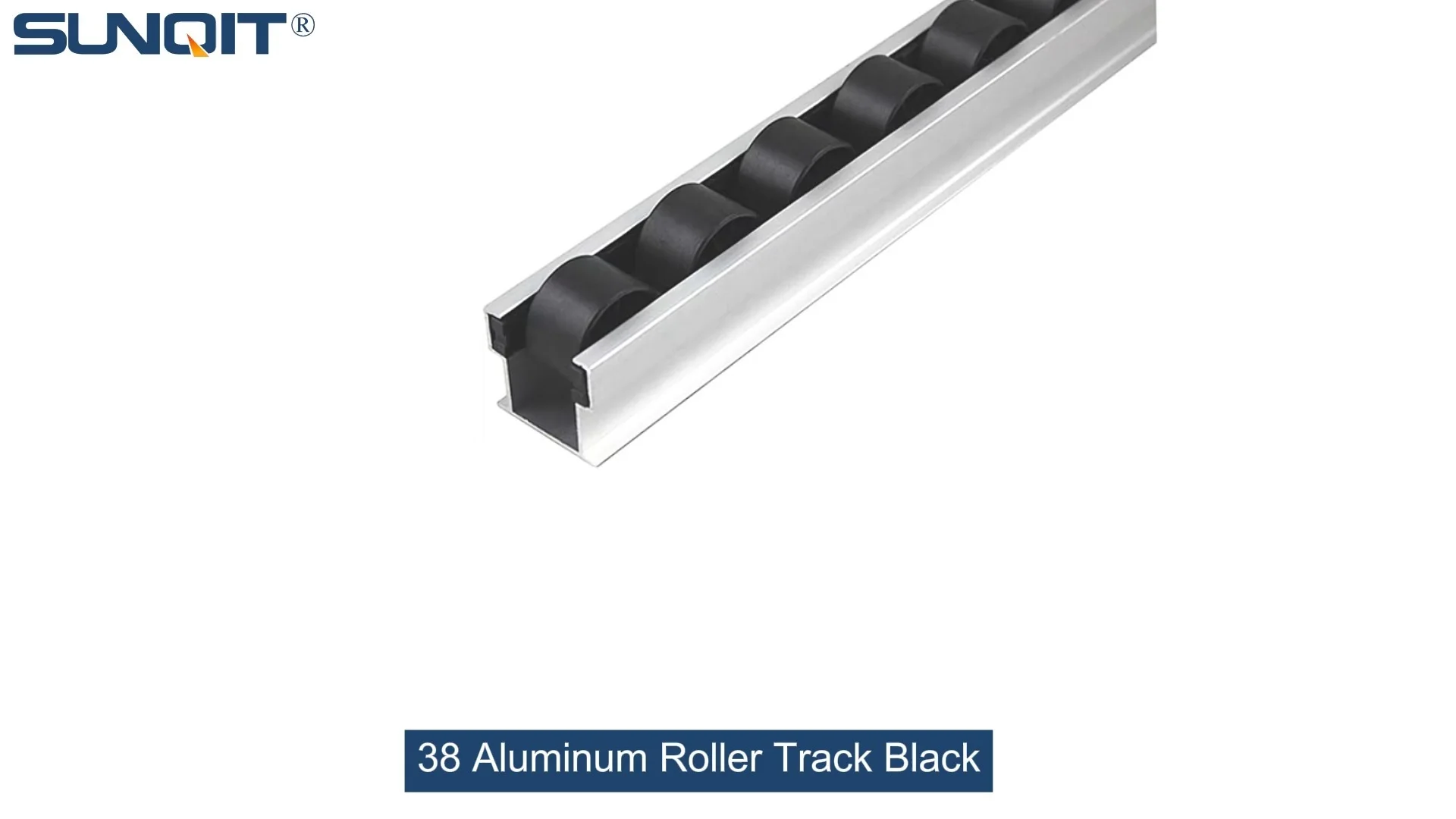
38 Aluminum Roller Track Black
Durable and smooth-running modular roller rails. The system is fully assembled. The roller rail profile contains plastic rollers mounted on steel axles. Aluminum frame with plastic wheel make it anti corrosion,and material convey more smooth.
If you're part of a manufacturing or logistics team, you know how critical smooth material flow is to keeping operations running efficiently. The 38 Aluminum Roller Track Black is a workhorse in many lean pipe systems, found in flow racks, conveyors, and various lean solution setups. But like any piece of equipment, it can run into problems that slow things down. In this guide, we'll walk through the most common issues you might face with this roller track, why they happen, and exactly how to fix them—plus tips to prevent them from recurring. Whether you're a maintenance tech, a production manager, or just someone who relies on these tracks daily, this article will help you keep your lines moving without unnecessary hiccups.
1. Roller Jamming: When Materials Get Stuck
One of the most frustrating issues with roller tracks is when materials get jammed mid-flow. It's not just an inconvenience; it can halt an entire production line or delay order fulfillment in a warehouse. Let's dive into the root causes and solutions.
Causes of Roller Jamming
- Debris buildup between rollers (dust, small parts, packaging remnants)
- Misaligned rollers due to wear or impact
- Worn-out rollers with damaged bearings or cracked surfaces
- Incorrect spacing between rollers for the material being transported
Step-by-Step Solutions
- Clear Debris: First, stop any power to the conveyor (if it's motorized) or clear the area around the flow rack. Then, use a soft brush or compressed air to gently remove the debris from between the rollers. Avoid using sharp tools that might scratch or damage the aluminum surface.
- Adjust Roller Alignment: Place a straight edge along the length of the track. If any roller is sticking up or sitting lower than the others, it's misaligned. You can adjust the alignment by loosening the screws that hold the roller brackets (using the right aluminum profile accessories) and gently tapping the roller back into place before tightening the screws again. Make sure to test the movement after adjustment to ensure it's smooth.
- replace Worn Rollers: If a roller's surface is cracked, chipped, or the bearing inside is damaged, it won't spin properly. To replace a worn roller, you'll need to remove the old one by unscrewing its bracket. Then, install a new 38 Aluminum Roller Track Black roller (make sure it's the correct size and type) and secure it tightly.
- Check Roller Spacing: If the material you're moving is too wide or narrow for the roller spacing, it can get stuck. Measure the material's width and adjust the roller positions (if possible) to match. For fixed-spacing tracks, consider switching to a track with spacing better suited for your materials—custom lean solutions can help you design the right setup.
Prevention Tips
- Schedule weekly cleaning sessions to remove debris before it builds up.
- Conduct monthly alignment checks to catch misalignments early.
- Stock replacement rollers from a reliable supplier so you can swap them out quickly when needed.
- Train your team to report any jams immediately instead of forcing materials through, which can cause more damage.
| Cause | Solution | Prevention |
|---|---|---|
| Debris buildup | Clean with brush/compressed air | Weekly cleaning |
| Misaligned rollers | Adjust bracket screws, realign rollers | Monthly alignment checks |
| Worn rollers | replace with compatible rollers | Stock replacement parts |
| Incorrect spacing | Adjust spacing or switch track type | Choose track with proper spacing for materials |
2. Uneven Material Flow: When Items Move Too Fast or Too Slow
Another common issue is uneven material flow—items might speed up unexpectedly, slow down, or even tilt as they move along the track. This can lead to product damage, misalignment in assembly lines, or bottlenecks. Let's figure out why this happens and how to fix it.
Causes of Uneven Flow
- Unlevel track installation (the track isn't flat)
- Bent rollers that create points
- Lack of lubrication causing inconsistent roller spin
- Overloaded track (materials are heavier than the track's capacity)
Step-by-Step Solutions
- Check Track Level: Use a spirit level to test the track's flatness. If it's unlevel, adjust the support legs or brackets. For tracks mounted on lean pipe systems, you might need to adjust the aluminum profile accessories that hold the track in place.
- Inspect for Bent Rollers: Rollers can bend from heavy impacts or overloading. Look for any rollers that are not straight. replace bent rollers immediately—using a bent roller will always cause uneven flow.
- Lubricate Rollers: Dry bearings can cause rollers to spin at different speeds. Apply a small amount of lightweight lubricant (like silicone oil) to each roller's bearing. Avoid using heavy oils that can attract dust. Do this monthly as part of your maintenance routine.
- Check Load Capacity: Every roller track has a maximum load it can handle. If you're overloading it, items will move unevenly. Check the manufacturer's specifications for your 38 Aluminum Roller Track Black. If you need to move heavier items, consider upgrading to a sturdier track or using additional support brackets.
Prevention Tips
- Ensure proper installation with level checks before using the track.
- Avoid dropping heavy items onto the track to prevent bending rollers.
- Stick to the track's load capacity—don't cut corners here.
- Lubricate rollers monthly to keep them spinning smoothly.
| Cause | Solution | Prevention |
|---|---|---|
| Unlevel track | Adjust supports/brackets | Level during installation, check periodically |
| Bent rollers | replace bent rollers | Avoid heavy impacts, don't overload |
| Dry bearings | Lubricate with lightweight oil | Monthly lubrication |
| Overloading | Reduce load or upgrade track | Stick to load capacity specs |
3. Excessive Noise: When Your Track Sounds Like It's Complaining
A quiet workspace is a productive workspace. Excessive noise from roller tracks can be distracting and a sign of underlying issues. Let's tackle this problem.
Causes of Excessive Noise
- Loose components (brackets, screws, rollers)
- Worn bearings in rollers
- Metal-on-metal contact from misaligned parts
- Dirty rollers grinding against materials
- Loose components (brackets, screws, rollers)
- Worn bearings in rollers
- Metal-on-metal contact from misaligned parts
- Dirty rollers grinding against materials
- Loose components (brackets, screws, rollers)
- Worn bearings in rollers
- Metal-on-metal contact from misaligned parts
- Dirty rollers grinding against materials
Step-by-Step Solutions
- Tighten All Components: Walk along the track and check every screw and bracket. Loose parts vibrate and create noise. Use a screwdriver or wrench to tighten them—be careful not to over-tighten, which can damage the aluminum profile accessories.
- replace Worn Bearings: If a roller's bearing is worn, it will make a grinding noise. replace the roller (since bearings are often not replaceable individually). This is a quick fix that will immediately reduce noise.
- Check for Metal Contact: Misaligned parts can cause metal to rub against metal. For example, a roller bracket might be touching the track frame. Adjust the parts to eliminate contact. If you're using a lean pipe system, adjust the joints or brackets to ensure everything is properly aligned.
- Clean Rollers: Dirty rollers can create friction with materials, leading to noise. Clean the rollers with a damp cloth to remove any dirt or grime. This is a simple step that often makes a big difference.
- Tighten All Components: Walk along the track and check every screw and bracket. Loose parts vibrate and create noise. Use a screwdriver or wrench to tighten them—be careful not to over-tighten, which can damage the aluminum profile accessories.
- replace Worn Bearings: If a roller's bearing is worn, it will make a grinding noise. replace the roller (since bearings are often not replaceable individually). This is a quick fix that will immediately reduce noise.
- Check for Metal Contact: Misaligned parts can cause metal to rub against metal. For example, a roller bracket might be touching the track frame. Adjust the parts to eliminate contact. If you're using a lean pipe system, adjust the joints or brackets to ensure everything is properly aligned.
- Clean Rollers: Dirty rollers can create friction with materials, leading to noise. Clean the rollers with a damp cloth to remove any dirt or grime. This is a simple step that often makes a big difference.
- Tighten All Components: Walk along the track and check every screw and bracket. Loose parts vibrate and create noise. Use a screwdriver or wrench to tighten them—be careful not to over-tighten, which can damage the aluminum profile accessories.
- replace Worn Bearings: If a roller's bearing is worn, it will make a grinding noise. replace the roller (since bearings are often not replaceable individually). This is a quick fix that will immediately reduce noise.
- Check for Metal Contact: Misaligned parts can cause metal to rub against metal. For example, a roller bracket might be touching the track frame. Adjust the parts to eliminate contact. If you're using a lean pipe system, adjust the joints or brackets to ensure everything is properly aligned.
- Clean Rollers: Dirty rollers can create friction with materials, leading to noise. Clean the rollers with a damp cloth to remove any dirt or grime. This is a simple step that often makes a big difference.
Prevention Tips
- Tighten components every two weeks as part of routine maintenance.
- replace worn rollers as soon as you notice noise.
- Keep rollers clean to reduce friction.
- Ensure proper alignment during installation to avoid metal contact.
- Tighten components every two weeks as part of routine maintenance.
- replace worn rollers as soon as you notice noise.
- Keep rollers clean to reduce friction.
- Ensure proper alignment during installation to avoid metal contact.
- Tighten components every two weeks as part of routine maintenance.
- replace worn rollers as soon as you notice noise.
- Keep rollers clean to reduce friction.
- Ensure proper alignment during installation to avoid metal contact.
| Cause | Solution | Prevention |
|---|---|---|
| Loose components | Tighten screws/brackets | Bi-weekly tightening checks |
| Worn bearings | replace rollers | replace worn parts promptly |
| Metal contact | Adjust parts to eliminate contact | Proper alignment during installation |
| Dirty rollers | Clean rollers | Weekly cleaning |

4. Rapid Wear of Rollers: When They Don't Last as Long as Expected
Rollers are supposed to last a long time, but sometimes they wear out faster than anticipated. This can be costly and time-consuming to replace. Let's find out why this happens and how to extend their lifespan.
Causes of Rapid Roller Wear
- Overloading the track consistently
- Using the wrong roller type for the material (e.g., hard materials on soft rollers)
- Lack of lubrication leading to friction
- Exposure to harsh chemicals or environments
- Overloading the track consistently
- Using the wrong roller type for the material (e.g., hard materials on soft rollers)
- Lack of lubrication leading to friction
- Exposure to harsh chemicals or environments
- Overloading the track consistently
- Using the wrong roller type for the material (e.g., hard materials on soft rollers)
- Lack of lubrication leading to friction
- Exposure to harsh chemicals or environments
Step-by-Step Solutions
- Reduce Load: If you're overloading the track, rollers will wear out quickly. Stick to the maximum load capacity. If you need to move heavier items, consider using a track with thicker rollers or additional support.
- Choose the Right Roller Type: The 38 Aluminum Roller Track Black is designed for specific materials. If you're using it for materials that are too abrasive or heavy, switch to a more durable roller type. For example, if you're moving metal parts, you might need a roller with a harder surface.
- Lubricate Regularly: As mentioned before, lubrication reduces friction and wear. Make sure you're lubricating rollers monthly. This simple step can double the lifespan of your rollers.
- Protect from Harsh Environments: If your track is in a wet or corrosive environment, it will wear out faster. Consider using a protective coating or moving the track to a drier area.
- Reduce Load: If you're overloading the track, rollers will wear out quickly. Stick to the maximum load capacity. If you need to move heavier items, consider using a track with thicker rollers or additional support.
- Choose the Right Roller Type: The 38 Aluminum Roller Track Black is designed for specific materials. If you're using it for materials that are too abrasive or heavy, switch to a more durable roller type. For example, if you're moving metal parts, you might need a roller with a harder surface.
- Lubricate Regularly: As mentioned before, lubrication reduces friction and wear. Make sure you're lubricating rollers monthly. This simple step can double the lifespan of your rollers.
- Protect from Harsh Environments: If your track is in a wet or corrosive environment, it will wear out faster. Consider using a protective coating or moving the track to a drier area.
Prevention Tips
- Never exceed the track's load capacity.
- Choose the right roller type for your materials.
- Lubricate rollers monthly.
- Protect tracks from harsh environments with coatings or proper placement.
- Never exceed the track's load capacity.
- Choose the right roller type for your materials.
- Lubricate rollers monthly.
- Protect tracks from harsh environments with coatings or proper placement.
| Cause | Solution | Prevention |
|---|---|---|
| Overloading | Reduce load or upgrade track | Stick to load capacity |
| Wrong roller type | Switch to appropriate roller | Choose right roller for materials |
| Lack of lubrication | Lubricate monthly | Regular lubrication |
| Harsh environment | Use protective coating or move track | Protect from wet/corrosive areas |

5. Installation Problems: When the Track Doesn't Fit or Work Properly
Even the best roller track can cause issues if it's installed incorrectly. Let's look at common installation mistakes and how to fix them.
Common Installation Mistakes
- Using the wrong aluminum profile accessories (brackets, connectors) for the track
- Not aligning the track properly with adjacent equipment (like conveyors or flow racks)
- Over-tightening screws, which can warp the track
- Ignoring manufacturer's installation guidelines
- Using the wrong aluminum profile accessories (brackets, connectors) for the track
- Not aligning the track properly with adjacent equipment (like conveyors or flow racks)
- Over-tightening screws, which can warp the track
- Ignoring manufacturer's installation guidelines
Step-by-Step Solutions
- Use Correct Accessories: The 38 Aluminum Roller Track Black requires specific brackets and connectors to fit properly. Using the wrong ones will lead to instability and performance issues.
- Align with Adjacent Equipment: If the track is part of a larger lean system (like a conveyor line), it needs to align perfectly with other components. Use a straightedge to ensure the track is flush with adjacent equipment. Adjust the brackets or supports until it's aligned.
- Avoid Over-Tightening: Over-tightening screws can warp the aluminum track, leading to all sorts of issues. Tighten screws until they're secure, but don't apply excessive force. A good rule of thumb is to stop when you feel slight resistance.
- Follow Installation Guidelines: Always refer to the manufacturer's installation manual. Following these guidelines will ensure a smooth installation and optimal performance.
- Use Correct Accessories: The 38 Aluminum Roller Track Black requires specific brackets and connectors to fit properly. Using the wrong ones will lead to instability and performance issues.
- Align with Adjacent Equipment: If the track is part of a larger lean system (like a conveyor line), it needs to align perfectly with other components. Use a straightedge to ensure the track is flush with adjacent equipment. Adjust the brackets or supports until it's aligned.
- Avoid Over-Tightening: Over-tightening screws can warp the aluminum track, leading to all sorts of issues. Tighten screws until they're secure, but don't apply excessive force. A good rule of thumb is to stop when you feel slight resistance.
- Follow Installation Guidelines: Always refer to the manufacturer's installation manual. Following these guidelines will ensure a smooth installation and optimal performance.
Prevention Tips
- Use only manufacturer-recommended aluminum profile accessories.
- Align the track with adjacent equipment during installation.
- Don't over-tighten screws.
- Read and follow the installation manual carefully.
- Use only manufacturer-recommended aluminum profile accessories.
- Align the track with adjacent equipment during installation.
- Don't over-tighten screws.
- Read and follow the installation manual carefully.
| Mistake | Solution | Prevention |
|---|---|---|
| Wrong accessories | Switch to correct brackets/connectors | Use manufacturer-recommended parts |
| Misalignment with adjacent equipment | Adjust to align flush | Align during installation |
| Over-tightening screws | Loosen and retighten properly | Avoid excessive force |
| Ignoring guidelines | Follow manual instructions | Read manual before installation |
How Quality Lean Solutions Support Better Roller Track Performance
Now that we've covered common issues and fixes, it's worth noting how choosing the right supplier can prevent many of these problems in the first place. Specialized providers offer lean pipe systems, flow racks, conveyors, and custom lean solutions that are designed to minimize maintenance and maximize efficiency. Here's how their products and services can help:
- High-Quality Components: Durable roller tracks resist wear and tear. Precision-engineered aluminum profile accessories ensure proper fit and alignment, reducing installation issues and jamming.
- Custom Design: Tailored solutions for specific industries (like 3C assembly or medical equipment manufacturing) mean roller tracks are perfectly suited to materials and load requirements, reducing uneven flow and overloading issues.
- Expert Support: Teams of experts help choose the right roller track, install it properly, and troubleshoot any issues.
- Replacement Parts Availability: Wide range of replacement parts, including rollers, brackets, and aluminum profile accessories, ensure quick fixes without long downtime.
- High-Quality Components: Durable roller tracks resist wear and tear. Precision-engineered aluminum profile accessories ensure proper fit and alignment, reducing installation issues and jamming.
- Custom Design: Tailored solutions for specific industries (like 3C assembly or medical equipment manufacturing) mean roller tracks are perfectly suited to materials and load requirements, reducing uneven flow and overloading issues.
- Expert Support: Teams of experts help choose the right roller track, install it properly, and troubleshoot any issues.
- Replacement Parts Availability: Wide range of replacement parts, including rollers, brackets, and aluminum profile accessories, ensure quick fixes without long downtime.
By partnering with a reliable supplier, you're not just buying a roller track—you're investing in a solution that's designed to work seamlessly with your operations, reducing the need for constant troubleshooting.
Conclusion: Keep Your Rollers Rolling Smoothly
The 38 Aluminum Roller Track Black is a vital component in many lean pipe systems, flow racks, and conveyors. By understanding the common issues it faces—like jamming, uneven flow, noise, rapid wear, and installation problems—and knowing how to fix them, you can keep your operations running smoothly. Remember, regular maintenance is key: clean rollers, lubricate bearings, check alignment, and tighten components. With the right care and support, your roller tracks will continue to be a reliable workhorse in your facility.
Proactive Maintenance Schedule for 38 Aluminum Roller Track Black
To keep your roller track in top condition, it's important to follow a regular maintenance schedule. Here's a sample schedule you can adapt to your facility:
Daily Checks
- Visual inspection for debris or obvious damage.
- Test material flow to ensure it's smooth.
- Report any jams or noise immediately.
- Visual inspection for debris or obvious damage.
- Test material flow to ensure it's smooth.
- Report any jams or noise immediately.
Weekly Maintenance
- Clean rollers with a brush or compressed air.
- Check for loose components and tighten if needed.
- Inspect for bent rollers or damaged brackets.
- Clean rollers with a brush or compressed air.
- Check for loose components and tighten if needed.
- Inspect for bent rollers or damaged brackets.
Monthly Maintenance
- Lubricate roller bearings with lightweight oil.
- Check track level and adjust if necessary.
- replace any worn rollers or parts.
- Lubricate roller bearings with lightweight oil.
- Check track level and adjust if necessary.
- replace any worn rollers or parts.
Quarterly Maintenance
- Complete a full inspection of the track and all components.
- Check load capacity and ensure you're not overloading.
- Consult with experts for any performance concerns.
- Complete a full inspection of the track and all components.
- Check load capacity and ensure you're not overloading.
- Consult with experts for any performance concerns.
By following this schedule, you'll catch issues early and prevent them from becoming major problems. This proactive approach will save you time, money, and frustration in the long run.
In summary, the 38 Aluminum Roller Track Black is a durable and reliable piece of equipment, but it needs care to perform at its best. With the troubleshooting tips and maintenance schedule outlined in this article, you'll be able to keep your rollers rolling smoothly, ensuring your production lines and warehouses operate efficiently day after day.