- Company Articles
- Products and Technology
- Installation And Maintenance
- Troubleshooting Common Issues with 40 Roller Track Placon Mount Flat Systems

Troubleshooting Common Issues with 40 Roller Track Placon Mount Flat Systems
Related Product
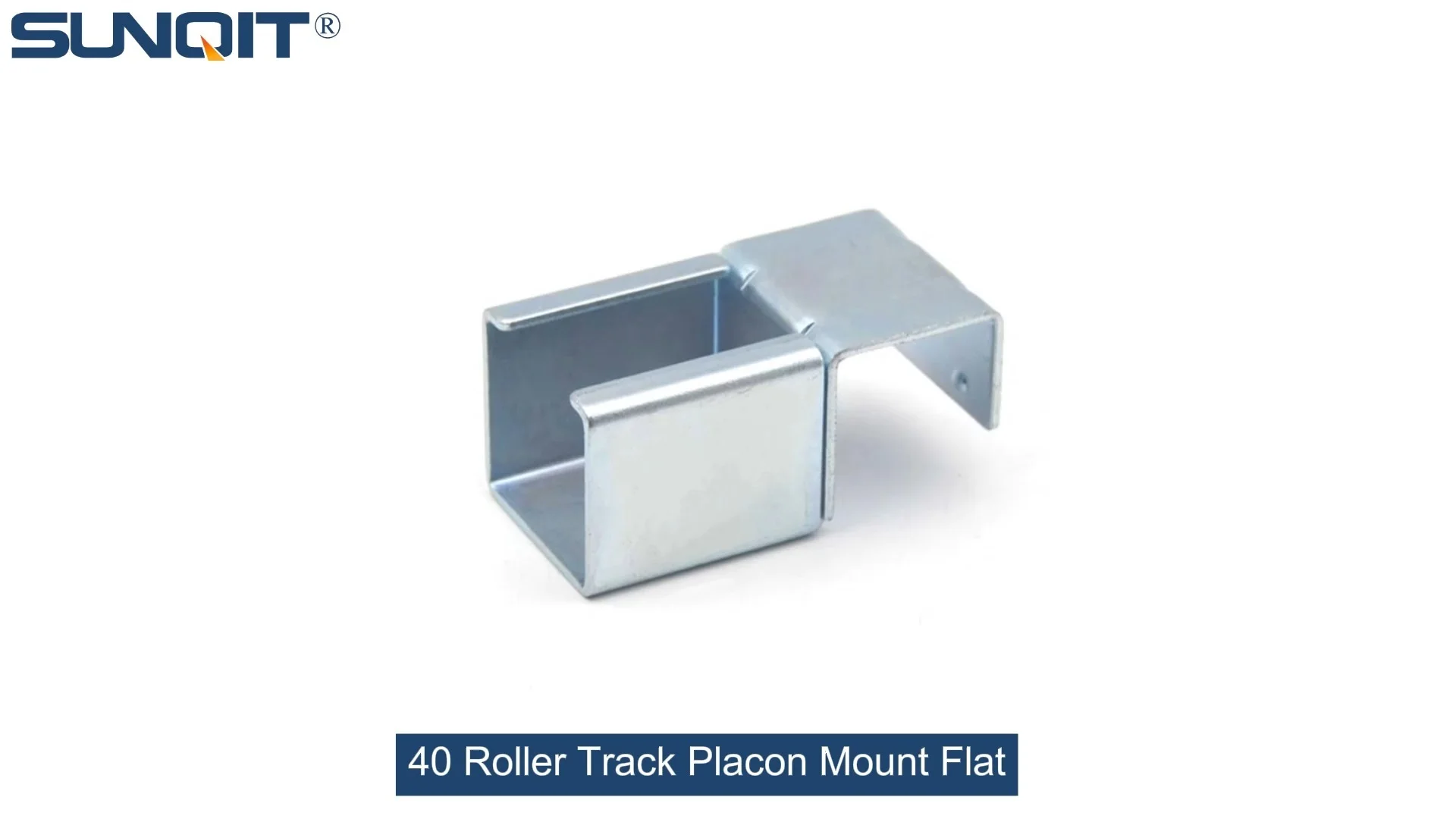
40 Roller Track Placon Mount Flat
Roller track placon mount work as a connector for roller track and pipe or aluminum profile in rack syetem, it is a necessary parts in rack system which widely used in industrial plant and logistic,warehouse storage.
In the fast-paced world of manufacturing and warehousing, efficiency isn't just a goal—it's the lifeline of your operations. At the heart of many lean system setups lies the 40 Roller Track Placon Mount Flat, a workhorse that keeps materials flowing, assembly lines moving, and deadlines on track. But like any hardworking component, it's not immune to hiccups. From unexpected jams to annoying squeaks, even the most reliable roller track can throw a wrench in your workflow. In this guide, we'll walk through the most common issues users face with 40 Roller Track Placon Mount Flat systems, break down why they happen, and give you practical, step-by-step solutions to get things running smoothly again. Because in lean manufacturing, every second counts—and so does keeping your equipment in top shape.
1. Roller Sticking or Inconsistent Movement: When the Flow Stalls
The Frustration of Sticky Rollers
There's nothing more disruptive than watching a workpiece grind to a halt halfway down the track. If your 40 Roller Track Placon Mount Flat is acting more like a speed bump than a smooth conveyor, you're likely dealing with roller sticking or uneven movement. This isn't just annoying—it can back up your entire line, leading to missed deadlines and frustrated teams.
| Common Symptoms | Underlying Causes | Proven Solutions |
|---|---|---|
| Workpieces slow down or stop mid-track | Buildup of dust, debris, or lubricant residue on rollers or plastic roller track guide rails (grey or yellow) |
1. Power down the system and wipe rollers/rails with a lint-free cloth and mild degreaser.
2. For stubborn grime, use a soft-bristled brush to dislodge particles from roller axles. 3. Avoid over-lubricating—excess oil attracts more dust! |
| Rollers spin unevenly (some fast, some slow) | Worn or damaged roller bearings; misalignment between roller track placon mount for aluminum profile flat and the rail |
1. Inspect each roller for wobbling or resistance when spun by hand—replace any that feel rough.
2. Check if the placon mount brackets are (loose) or bent; tighten with a hex key or replace bent parts. 3. Use a level to ensure the track is perfectly horizontal—even a 1° tilt can cause uneven rolling. |
| Workpieces "jump" or shift off the track | Missing or damaged side guides (e.g., 38 aluminum roller track yellow with side guide) |
1. Install or replace side guides to keep items centered.
2. Adjust guide height to match workpiece size—too low won't protect, too high causes friction. |
2. System Wobbling or Instability: When the Track Shakes
A Shaky Foundation Undermines Everything
A stable roller track is a reliable roller track. If your 40 Roller Track Placon Mount Flat wobbles, sways, or feels loose during operation, it's not just a safety risk—it can throw off alignment, damage components, and even cause workpieces to tip or fall. This is especially critical in precision environments like 3C assembly or medical device manufacturing, where stability directly impacts product quality.
| Common Symptoms | Underlying Causes | Proven Solutions |
|---|---|---|
| Track shifts side-to-side during use | Loose connections between roller track placon mount for rail connection and aluminum profile; insufficient anchoring to the floor or workbench |
1. Walk the length of the track and check every placon mount joint—tighten with a torque wrench to manufacturer specs (typically 8-10 Nm).
2. For floor-mounted systems, add angle brackets or heavy-duty split foot seats to anchor the aluminum profile base to the ground. 3. If wall-mounted, ensure brackets are secured into studs, not just drywall. |
| Vertical bouncing or sagging in the middle | Overloading beyond the track's weight capacity; weak or undersized aluminum profile (e.g., using 2020 instead of 4040 series) |
1. Check the load rating of your 40 Roller Track Placon Mount Flat—most support 20-30kg per linear meter. Reduce weight if exceeding this.
2. Add center support brackets (roller track placon mount center support bracket) under long spans (over 1.5m) to prevent sagging. 3. Upgrade to a thicker aluminum profile (e.g., 4040a eu standard aluminum profile) if heavy loads are non-negotiable. |
| Whole system rocks when heavy items pass through | Uneven or unstable base (e.g., adjustable leveling feet not properly set) |
1. Use a spirit level to check the base—adjust anti-slip adjustable leveling feet until the track is perfectly level front-to-back and side-to-side.
2. For mobile setups, lock caster wheels and add rubber caster accessories to dampen movement. |

3. Unusual Noises: When Your Track Starts "Talking" (And Not in a Good Way)
Decoding the Squeaks, Scrapes, and Clunks
Your roller track should hum along quietly in the background, not sound like a symphony of chaos. Squeaks, grinding, or sudden "clunks" are more than just annoying—they're red flags. These noises often mean parts are rubbing, misaligned, or wearing out, and ignoring them can turn a small fix into a costly repair.
| Common Noises | What's Causing the Racket? | How to Silence the Noise |
|---|---|---|
| High-pitched squealing or chirping | Dry or contaminated roller bearings; metal-on-metal contact between roller track placon mount connector and aluminum guide rail a |
1. Apply a small amount of silicone-based lubricant to roller axles—avoid oil-based lubes that attract dust.
2. Check for burrs or sharp edges on connectors; file down rough spots with fine-grit sandpaper. 3. Ensure guide rails are properly seated in placon mounts—loose rails can vibrate and squeal. |
| Grinding or scraping sounds | Foreign objects (e.g., metal shavings, plastic fragments) trapped between rollers and rails; bent roller flanges |
1. Power down immediately and inspect the track for debris—use a magnet to fish out metal bits.
2. replace any rollers with bent flanges (common after heavy impacts). 3. Install end support for roller track placon mount with stop to prevent overshooting workpieces from slamming into the track end. |
| Intermittent "clunking" (like something hitting metal) | Loose roller track placon mount bracket; worn-out swivel roller balls (1 inch or 0.5 inch) |
1. Tighten all bracket screws—focus on areas where the track connects to the aluminum profile.
2. replace swivel roller balls if they're cracked, pitted, or no longer spin freely. 3. Check for play in the track joints—add shims if needed to eliminate excess movement. |

4. Premature Wear: When Parts Fail Before Their Time
Why Your Track Components Are Wearing Out Too Fast
Your 40 Roller Track Placon Mount Flat is built to last, but even the toughest parts have a lifespan. If you're replacing rollers, rails, or connectors more often than you'd expect, it's time to dig deeper. Premature wear is usually a sign of mismatched components, poor maintenance, or environmental factors—all of which are fixable.
| Worn-Out Parts | Root Causes | Long-Term Fixes |
|---|---|---|
| Rollers with flattened or cracked surfaces | Using standard rollers in ESD-sensitive environments (e.g., 3C assembly); overloading with sharp/abrasive workpieces |
1. Switch to ESD-safe rollers (e.g., 40 steel roller track black esd wheel) for static-sensitive areas.
2. Add protective sleeves or edge guards to sharp workpieces. 3. Opt for aluminum roller track black esd with side guide if dealing with heavy or abrasive items—aluminum resists wear better than plastic. |
| Rails with deep scratches or dents | Frequent impact from dropped items; using plastic roller track guide rail yellow in high-traffic zones |
1. Upgrade to more durable materials: replace plastic rails with aluminum guide rail b for heavy-use lines.
2. Install buffer zones at track entrances to absorb impacts. 3. Train staff to load/unload items gently—small habits prevent big damage. |
| Rusty or corroded connectors (e.g., roller track placon mount for aluminum profile high) | High humidity, exposure to liquids, or lack of corrosion protection |
1. replace rusted parts with stainless steel or zinc-plated alternatives.
2. Apply a thin coat of anti-corrosion spray to metal components in damp areas. 3. Improve ventilation or add dehumidifiers near the track if moisture is an issue. |

5. Preventive Maintenance: Keep Your Track Running Like New
Proactive Steps to Avoid Future Headaches
The best way to deal with problems? Stop them before they start. A little preventive maintenance goes a long way in extending the life of your 40 Roller Track Placon Mount Flat and keeping your lean system operating at peak efficiency. Here's a simple routine to follow:
- Daily Quick Checks: Spend 5 minutes at the start of each shift inspecting for obvious issues—loose rollers, debris on the track, or bent rails. Catching a loose bracket early beats dealing with a jam later.
- Weekly Deep Clean: Wipe down rollers and rails with a damp cloth, and use compressed air to blow out dust from hard-to-reach spots (like roller axles and placon mount joints). Pay extra attention to plastic roller track guide rails—they attract more grime than aluminum.
- Monthly Lubrication: Apply silicone lubricant to roller bearings and moving parts. Remember: less is more—over-lubricating causes buildup.
- Quarterly Alignment Check: Use a level to ensure the track is still horizontal and straight. Tighten any loose placon mounts or aluminum profile accessories, and replace worn parts before they fail.
- Annual Professional Inspection: For high-use systems, bring in a technician to assess wear, test load capacities, and recommend upgrades (e.g., switching to heavier-duty 40 steel roller track green for growing production demands).
Your 40 Roller Track Placon Mount Flat is more than just a piece of equipment—it's a critical part of your lean system, working tirelessly to keep your operations flowing. By understanding common issues, addressing them quickly, and sticking to a regular maintenance routine, you can minimize downtime, extend the life of your track, and keep your team focused on what they do best: creating value. Remember, lean manufacturing isn't just about efficiency—it's about continuous improvement. And that starts with taking care of the tools that power your success. So the next time your track hits a snag, don't panic—use this guide to diagnose, fix, and prevent, and get back to building a smoother, more productive workflow.