- Company Articles
- Products and Technology
- Installation And Maintenance
- Troubleshooting Common Issues with 40 Steel Roller Track White Wheel

Troubleshooting Common Issues with 40 Steel Roller Track White Wheel
Related Product
40 Steel Roller Track White Wheel
The roller track can be installed with multiple accessories to create different slopes and configurations of flow racks.All steel conveyor 40 roller track accessories are engineered to perfectly fit the sliding rail.
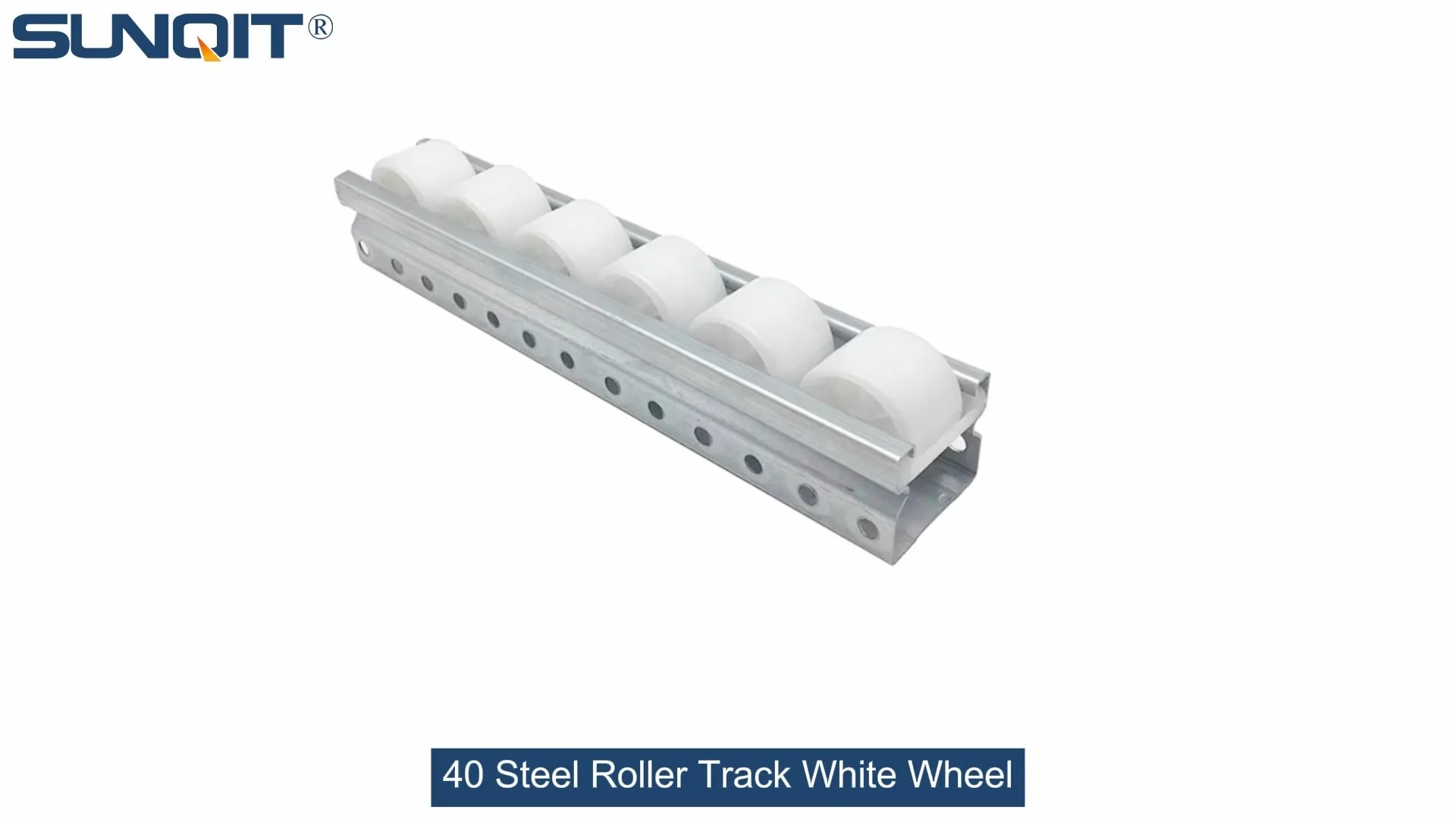
Troubleshooting Common Issues with 40 Steel Roller Track White Wheel
For anyone running a production line or managing a warehouse, the 40 steel roller track white wheel is a workhorse you can't ignore. Found in everything from flow racks to conveyors, this small component plays a big role in keeping materials moving smoothly—whether you're assembling 3C products or organizing inventory for logistics. But when it malfunctions, it can slow down your entire operation, throw off your lean workflow, and even lead to unnecessary downtime. That's why knowing how to troubleshoot common issues with these rollers is key to maintaining efficiency and sticking to your lean solution goals.
In this guide, we'll walk through the most frequent problems you might encounter with 40 steel roller track white wheels, their root causes, step-by-step fixes, and proactive tips to prevent them from happening again. We'll also touch on how using the right parts—like quality roller track connectors and aluminum profile accessories—can save you time and hassle down the line.
1. Roller Sticking or Jamming
One of the most common complaints about 40 steel roller track white wheels is when they start sticking or jamming mid-operation. This can stop material flow dead in its tracks, leading to delays in production or order fulfillment.
Causes
- Debris buildup: Dust, dirt, or small pieces of material getting trapped between the roller and the track.
- Worn bearings: Over time, the bearings inside the roller can wear out, making it hard for the roller to spin freely.
- Misalignment: The roller might be out of place due to loose roller track connectors or improper installation.
Troubleshooting Steps
- **Clean the area**: First, turn off the conveyor or stop using the flow rack. Use a soft brush or compressed air to remove any debris from the roller and the surrounding track. Avoid using harsh chemicals that could damage the white wheel's surface.
- **Check the bearings**: Spin the roller manually. If it feels rough or doesn't spin smoothly, the bearings are likely worn out. You'll need to replace the roller with a new 40 steel roller track white wheel.
- **Adjust alignment**: Inspect the roller track connectors holding the roller in place. If any are loose, tighten them using the right tools. If the roller is still misaligned, you might need to reposition it using the slots on the aluminum profile (make sure to use compatible aluminum profile accessories for adjustments).
Prevention Tips
Schedule regular cleaning sessions for your flow racks and conveyors. Use protective covers if the area is prone to dust or debris. Also, invest in high-quality rollers with durable bearings to reduce wear and tear.
2. Uneven Material Flow
Another problem you might face is uneven material flow—where products move too fast in some parts of the track and too slow in others, or get stuck halfway. This disrupts your production rhythm and can lead to product damage.
Causes
- Bent track: The aluminum profile holding the rollers might be bent due to heavy impact or overload.
- Uneven installation: The flow rack or conveyor wasn't leveled properly during setup, causing material to drift to one side.
- Worn rollers: Some rollers might be more worn than others, leading to inconsistent spin speeds.
Troubleshooting Steps
- **Inspect track straightness**: Run your hand along the track to feel for any bends or dents. If the aluminum profile is bent, you might need to replace that section (use the same type of aluminum profile to ensure compatibility).
- **Adjust leveling**: Check the leveling feet under your flow rack or conveyor. If the surface is uneven, adjust the feet to make sure the track is perfectly horizontal. This helps material flow smoothly without drifting.
- **replace worn rollers**: Identify any rollers that are more worn than others (look for scratches, flat spots, or slow spinning). replace them with new 40 steel roller track white wheels to restore consistent flow.
Prevention Tips
Avoid overloading your flow racks or conveyors beyond their recommended capacity. Use shock-absorbing materials if products are dropped onto the track. Also, perform monthly inspections to catch bent tracks or worn rollers early.
3. Excessive Noise During Operation
Loud noises from your flow rack or conveyor aren't just annoying—they're a sign something's wrong. Excessive noise can indicate loose parts or worn components that need attention.
Causes
- Loose roller track connectors: If the connectors holding the rollers are loose, the rollers might rattle against the track.
- Lack of lubrication: Bearings in the rollers need regular lubrication to reduce friction. Without it, they can make grinding or squeaking noises.
- Mismatched rollers: Using rollers that don't fit the track properly (like a different size or material) can cause noise.
Troubleshooting Steps
- **Tighten connectors**: Go along the track and check each roller track connector. Use a torque wrench to tighten them to the recommended level (don't over-tighten, as this can damage the connectors).
- **Lubricate bearings**: Apply a small amount of lubricant (like silicone oil) to the bearings of each roller. Be careful not to get lubricant on the white wheel's surface, as this can attract dust.
- **Check roller fit**: Make sure all rollers are the correct size (40 steel roller track white wheel) and compatible with your track. If any rollers are mismatched, replace them immediately.
Prevention Tips
Create a lubrication schedule (every 3-6 months, depending on usage) for your rollers. Use only lubricants recommended for steel rollers to avoid damage. Also, always use the right size and type of rollers for your track.
4. Rapid Wear of Rollers
If your 40 steel roller track white wheels are wearing out faster than expected, it's a sign of underlying issues that need to be addressed. Rapid wear can increase your maintenance costs and lead to frequent replacements.
Causes
- Overload: Using the track for materials heavier than its capacity puts extra stress on the rollers.
- Improper cleaning: Using abrasive cleaners or tools can scratch the roller's surface, leading to faster wear.
- Harsh environment: Exposure to moisture, chemicals, or extreme temperatures can damage the roller's coating and bearings.
Troubleshooting Steps
- **Check load capacity**: Refer to the manufacturer's guidelines to ensure you're not overloading the track. If you are, reduce the load or switch to a heavier-duty track.
- **Improve cleaning routine**: Use soft cloths or brushes and mild cleaners to clean the rollers. Avoid abrasive materials that can scratch the white wheel's surface.
- **Protect from environment**: If the track is in a harsh environment (like a wet warehouse), use protective covers or switch to corrosion-resistant rollers (though 40 steel roller track white wheels are designed for general use).
Prevention Tips
Train your team to follow load capacity guidelines. Store materials properly before placing them on the track. Also, consider using protective mats or covers if the environment is harsh.
5. Track Disconnection or Instability
A disconnected or unstable track can lead to serious safety hazards and production downtime. This issue usually stems from improper assembly or loose components.
Causes
- Loose roller track connectors: Over time, connectors can come loose due to vibration from constant use.
- Insufficient support: The track might not have enough support brackets to hold its weight, especially for long sections.
- Incorrect assembly: The track was assembled without following the manufacturer's instructions, leading to weak points.
Troubleshooting Steps
- **Re-tighten connectors**: Go along the entire track and tighten all roller track connectors. Pay extra attention to joints and sections that carry heavy loads.
- **Add support brackets**: If the track is long or carries heavy materials, add additional support brackets (using aluminum profile accessories) to stabilize it. This helps distribute the weight evenly.
- **Re-assemble if needed**: If the track is severely disconnected, disassemble the affected section and re-assemble it following the manufacturer's guidelines. Make sure all components are properly aligned and secured.
Prevention Tips
Perform weekly inspections to check for loose connectors. Use lock washers on roller track connectors to prevent them from coming loose due to vibration. Also, ensure the track is assembled correctly from the start using quality components.
Choosing the Right Replacement Parts for Long-Term Reliability
When it comes to fixing issues with your 40 steel roller track white wheels, using the right replacement parts is crucial. Low-quality parts can lead to more problems down the line, so it's important to choose reliable suppliers.
For example, when replacing rollers, opt for genuine 40 steel roller track white wheels that are designed for your specific track type. Using compatible roller track connectors ensures a secure fit and reduces the risk of disconnection. Also, consider using aluminum profile accessories like support brackets or leveling feet from a trusted supplier to maintain the stability of your flow rack or conveyor.
Investing in quality parts aligns with the lean solution of reusability and sustainable improvement. High-quality parts last longer, reducing the need for frequent replacements and minimizing downtime.
| Common Issue | Recommended Replacement Part | Key Benefit |
|---|---|---|
| Roller Sticking/Jamming | 40 Steel Roller Track White Wheel | Durable bearings for smooth spinning |
| Track Instability | Roller Track Connector | Secure fit to prevent disconnection |
| Uneven Flow | Leveling Feet (Aluminum Profile Accessory) | Adjustable to ensure horizontal alignment |
| Excessive Noise | Silicone Lubricant | Reduces friction and operational noise |
How Proper Maintenance Supports Lean Solutions
Maintaining your 40 steel roller track white wheels and related components isn't just about fixing problems—it's about supporting your overall lean solution goals. Lean systems rely on efficiency, minimal waste, and continuous improvement, and a well-maintained track contributes to all three.
For example, proactive maintenance reduces downtime, which means your production line or warehouse can operate at full capacity. Using quality parts that last longer aligns with the lean principle of reusability, as you don't have to replace parts as often. Also, addressing issues early prevents small problems from turning into big ones, which saves time and resources.
Whether you're using flow racks in your warehouse or conveyors in your production line, proper care of your 40 steel roller track white wheels is an essential part of keeping your lean system running smoothly.
Final Thoughts
Troubleshooting common issues with 40 steel roller track white wheels doesn't have to be complicated. By understanding the root causes of problems like sticking rollers, uneven flow, or excessive noise, you can take quick action to fix them and prevent future issues.
Remember to use quality replacement parts like genuine 40 steel roller track white wheels, roller track connectors, and aluminum profile accessories. Also, prioritize proactive maintenance—regular cleaning, lubrication, and inspections—to keep your flow racks and conveyors operating at their best.
By following these tips, you'll not only reduce downtime and maintenance costs but also support your lean solution goals, ensuring your production line or warehouse remains efficient and productive for years to come.