- Company Articles
- Products and Technology
- Installation And Maintenance
- Troubleshooting Common Issues with All Direction Roller Track

Troubleshooting Common Issues with All Direction Roller Track
Related Product
All Direction Roller Track
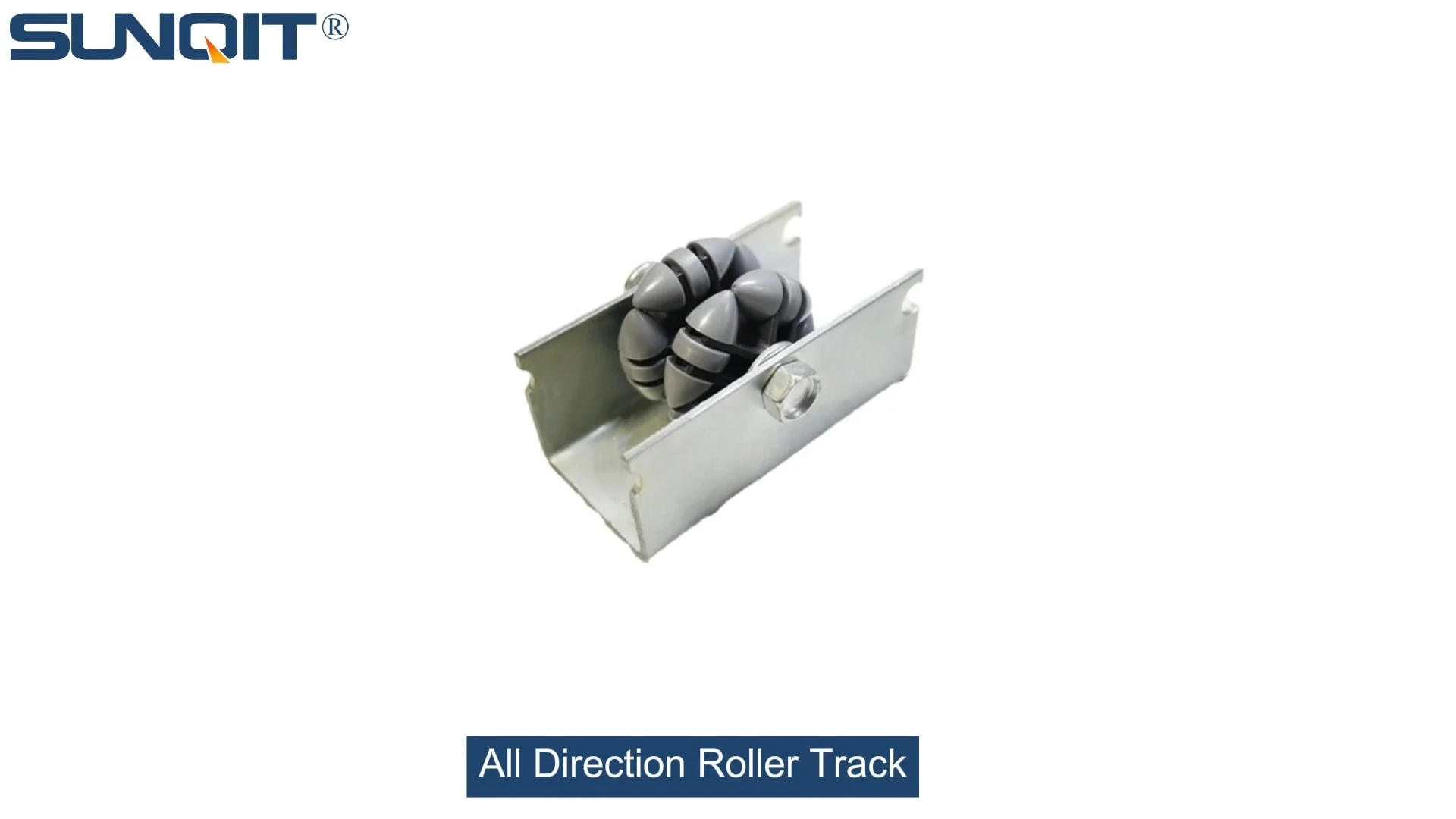
All direction roller track made of steel frame and multiple direction move wheel which will make boxes are always in contact with the rollers, reducing jams and enhancing flow reliability.
In the fast-paced world of manufacturing and warehousing, all direction roller tracks are the unsung heroes keeping workflows moving. These versatile systems glide components across assembly lines, shuttle products through packaging stations, and ensure smooth material flow in everything from 3C electronics factories to medical device plants. But when they start acting up—jamming, squeaking, or misaligning—they can bring operations to a grinding halt, leaving workers frustrated and production targets slipping. Let's dive into the most common headaches with all direction roller tracks, why they happen, and how to fix them for good.
1. Material Jamming: When the Flow Stops
There's nothing more frustrating than watching a production line stall because a part gets stuck on the roller track. Whether it's a small circuit board or a heavy component, jams disrupt timelines and test everyone's patience. Let's break down why this happens and how to get things rolling again.
Signs You're Dealing with a Jam
- Products slow down or stop halfway through the track
- Items tilt or tip over instead of moving straight
- You hear scraping or crunching sounds as materials struggle to pass
Root Causes & Fixes
Debris Buildup Between Rollers
Dust, metal shavings, or plastic scraps from daily operations love to wedge themselves between roller gaps. Over time, this gunk acts like a brake, slowing or stopping materials in their tracks.
Quick Fix: Power down the track and use a soft-bristle brush or compressed air to clear debris. For sticky residues (like oil or adhesive), wipe rollers with a lint-free cloth dampened with isopropyl alcohol. Avoid harsh chemicals that might damage plastic rollers.
Uneven Roller Heights
If some rollers sit higher or lower than others, materials hit "speed bumps" as they move. This is common after heavy use or if roller track connectors have loosened, shifting the alignment.
Quick Fix: Use a level tool to check roller height across the track. Tighten loose roller track connectors with a hex key—often, a simple twist is enough to realign misbehaving rollers. For bent roller axles, replace the affected roller with a matching spare from your roller track and accessories kit.
Overloading the Track
It's tempting to pile on extra products to save time, but all direction roller tracks have weight limits. Exceeding them bends frames, wears out bearings, and turns smooth movement into a sluggish mess.
Quick Fix: Check the manufacturer's load rating (usually stamped on the track frame or in the manual). If you're consistently exceeding it, split batches into smaller groups or upgrade to a heavy-duty model with steel rollers (like the 40 steel roller track series for industrial use).
Prevention Tip
Place small catch pans under roller track sections near cutting or assembly stations to catch debris before it reaches the track. Train operators to keep tools and loose parts away from the track edges—those stray screws add up!
2. Annoying Noises: When Your Track Sounds Like a Rock Band
A little hum from a roller track is normal, but loud squeaks, grinding, or rattling? That's your equipment screaming for help. Not only are these noises distracting, they're early warnings of bigger problems down the line.
Signs of Noise Issues
- High-pitched squealing when the track is in motion
- Metallic grinding that gets louder with speed
- Rattling or clanking, especially when empty
Root Causes & Fixes
Dry or Worn Bearings
Rollers spin on tiny bearings that need lubrication to stay quiet. Without it, metal rubs against metal, creating that classic squeal. In severe cases, bearings can rust or seize up entirely.
Quick Fix: For non-sealed bearings, apply 2-3 drops of lightweight machine oil (like 3-in-1 oil) to each roller axle. Spin the roller by hand to distribute the oil. For sealed bearings (common in stainless steel roller tracks), replace the roller if noise persists—sealed bearings can't be relubricated.
Loose Roller Track Connectors
Those small metal or plastic pieces holding your track together (roller track connectors) take a beating. Vibrations from daily use can loosen screws or shift joints, turning a solid track into a rattle trap.
Quick Fix: Walk the length of the track and wiggle each connector gently. Tighten any loose fasteners with the appropriate tool—most use hex screws or Phillips heads. For plastic connectors that have cracked (common in older systems), swap them out for new ones. Look for connectors made from glass-reinforced nylon for extra durability.
Misaligned Track Sections
If your roller track is made of multiple sections bolted together, uneven floors or heavy loads can pull them out of alignment. When sections don't line up perfectly, rollers "bump" from one section to the next, creating a clanking racket.
Quick Fix: Use a straightedge to check if track sections are flush. Loosen the connecting bolts, align the sections, then retighten. For floors that slope, place shims under the track legs to level it out—this simple step can eliminate 90% of alignment-related noise.
Prevention Tip
Add a monthly "noise check" to your maintenance routine. Walk the track while it's running and mark noisy spots with tape—catching issues early prevents costly repairs later. Keep a small lubrication kit near the track for quick touch-ups.

3. Wobbly or Unstable Track: When Your System Feels Like a Roller Coaster
A stable roller track should feel solid, even when moving heavy loads. If yours wobbles, sways, or shifts during use, it's not just annoying—it's dangerous. Misaligned tracks can damage products, injure workers, and shorten the life of your equipment.
Signs of Instability
- The track sways side-to-side when materials pass through
- Legs or support brackets bend under load
- You notice gaps between the track and its mounting surface
Root Causes & Fixes
Weak Support Structure
Many instability issues start with the frame. If your track is mounted on flimsy aluminum profile or thin steel, it can't handle daily wear and tear. This is especially common with budget tracks that skimp on material thickness.
Quick Fix: Inspect support beams for bending or cracks. Reinforce weak spots by adding cross-braces (using aluminum profile accessories like angle brackets). For severe cases, upgrade to a track with thicker gauge steel or heavy-duty aluminum profile—look for 2.0mm+ wall thickness for industrial use.
Loose or Damaged Feet
Track legs or mounting feet that are loose, cracked, or missing can turn a stable system into a wobbly mess. This is often caused by dragging the track instead of lifting it, or by over-tightening foot bolts.
Quick Fix: Tighten loose feet with a wrench—don't overdo it, as stripping threads makes things worse. replace cracked plastic feet with metal or reinforced nylon alternatives. For uneven floors, use adjustable leveling feet to stabilize the track—turn the foot clockwise to raise, counterclockwise to lower until the track sits solidly.
Overloading Beyond Design Limits
Even the sturdiest track has a breaking point. If you're regularly pushing 200kg loads on a track rated for 100kg, don't be surprised when it starts to wobble—it's simply not built for that kind of stress.
Quick Fix: Check the load rating label (usually on the track frame) and adjust your workflow to stay under the limit. If you need to move heavier items, invest in a specialized heavy-duty roller track (like the 85 steel roller track series) or add a second parallel track to split the load.
Prevention Tip
Anchor your track to the floor or workbench if possible—most models have pre-drilled holes for this purpose. Use heavy-duty bolts and washers to secure it, especially in high-traffic areas. For mobile tracks, opt for locking casters to keep it steady during use.

4. Broken or Damaged Rollers: When the Wheels Come Off (Literally)
Rollers are the heart of your track—without them, nothing moves. From cracked plastic wheels to bent steel rollers, damaged rollers are a common issue that can bring your entire operation to a standstill if ignored.
Signs of Roller Damage
- Rollers that don't spin freely (stiff or seized)
- Cracks, chips, or missing chunks on roller surfaces
- Rollers that fall off their axles or tilt to one side
Root Causes & Fixes
Impact Damage from Dropped Items
Accidents happen—dropping a heavy tool or product on the track can crack plastic rollers or bend steel ones. Even a small nick can throw off roller balance, leading to jams or noise.
Quick Fix: replace damaged rollers immediately—don't wait for them to fail completely. Most roller tracks use standard-sized rollers, so keep spares on hand (check your roller track and accessories kit). For steel rollers, inspect axles for bending—if the axle is bent, replace the entire roller assembly, not just the wheel.
Chemical Corrosion
In factories using coolants, solvents, or cleaning agents, unprotected steel rollers can rust. Corrosion eats away at metal, making rollers stiff and eventually causing them to seize up.
Quick Fix: Swap out rusted steel rollers for stainless steel or plastic-coated alternatives. Wipe down rollers daily if they're exposed to chemicals, and consider adding a corrosion-resistant coating (like zinc plating) to metal components.
Normal Wear and Tear
Even with perfect maintenance, rollers wear out over time. The constant friction of materials passing over them slowly grinds down roller surfaces, making them uneven and less effective.
Quick Fix: Plan for regular roller replacement—most industrial rollers last 1-2 years with heavy use. Keep a log of when rollers were installed, and inspect them monthly for signs of wear (like flat spots or uneven surfaces).
Prevention Tip
Add protective guards to high-traffic areas of the track to shield rollers from dropped items. Train workers to report damage immediately—catching a cracked roller on Monday can save you from a production shutdown on Friday.

Proactive Maintenance: Keep Your Track Rolling Smoothly
The best way to avoid roller track issues is to stop them before they start. A little regular maintenance goes a long way toward keeping your system running like new. Use this handy schedule to stay on top of care:
| Maintenance Task | Frequency | Tools Needed | Why It Matters |
|---|---|---|---|
| Clean debris from rollers and tracks | Daily (end of shift) | Brush, compressed air, lint-free cloth | Prevents jams and reduces wear on rollers |
| Lubricate bearings | Every 2 weeks | Light machine oil, grease gun (for sealed bearings) | Reduces noise and extends bearing life |
| Tighten connectors and fasteners | Weekly | Hex keys, wrench set | Prevents wobbling and alignment issues |
| Inspect for damaged rollers or cracks | Monthly | Flashlight, straightedge | Catches problems before they cause shutdowns |
| Check load limits and adjust workflow | Quarterly | Scale (to weigh typical loads) | Ensures you're not overstressing the track |
Invest in Quality: The Right Roller Track & Accessories Make All the Difference
At the end of the day, even the best maintenance can't fix a poorly made roller track. When shopping for a new system or replacement parts, prioritize quality over cost. Look for tracks built with heavy-duty aluminum profile or steel, rollers with sealed bearings, and roller track connectors made from durable materials like reinforced nylon or stainless steel.
Remember, your all direction roller track is the backbone of your workflow. Treat it right, and it will keep your production line moving, your workers happy, and your bottom line healthy. And when you need reliable parts or a custom solution, choose a supplier who understands the unique demands of your industry—because a smooth-running track isn't just equipment, it's peace of mind.