- Company Articles
- Products and Technology
- Installation And Maintenance
- Troubleshooting Common Issues with Aluminum Workbench C in Production

Troubleshooting Common Issues with Aluminum Workbench C in Production
Related Product
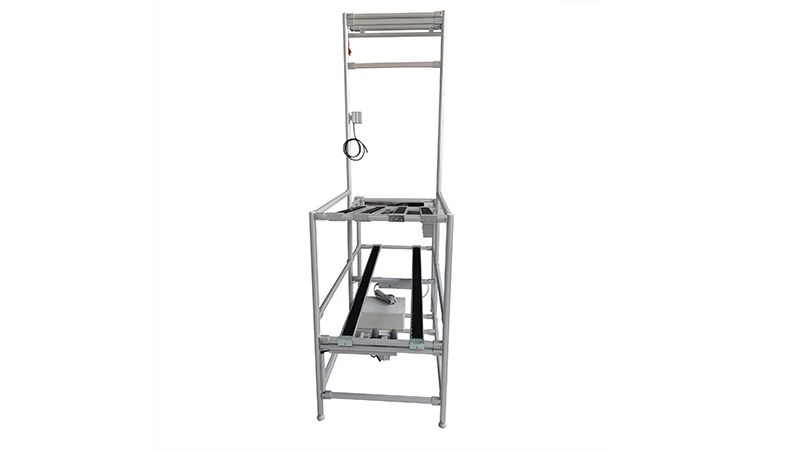
Aluminum Workbench C
aluminum-tube-workbench-is-more-flexible-and-durable,-compared-with-traditional-pe/abs-coated-steel-tube.-it-is-easy-to-assemble,-anti-corrosion,-rust-protection,-and-recycle-use-after-disassemble.
In the fast-paced world of manufacturing and production, every tool and piece of equipment plays a critical role in keeping operations running smoothly. Among these, the Aluminum Workbench C stands out as a workhorse—lightweight yet durable, customizable with aluminum profiles and accessories, and designed to streamline tasks from assembly to quality control. But even the most reliable workbenches can hit snags. A wobbly surface, a jammed roller track, or loose accessories can slow down workflows, frustrate teams, and even compromise product quality. That's where troubleshooting comes in. In this guide, we'll walk through the most common issues you might encounter with your Aluminum Workbench C, why they happen, and step-by-step solutions to get you back on track. Whether you're a floor supervisor, a maintenance technician, or someone who uses the workbench daily, these insights will help you keep your production line efficient and your workbench in top shape.
Understanding Aluminum Workbench C: Key Components and Design
Before diving into troubleshooting, let's take a moment to familiarize ourselves with what makes the Aluminum Workbench C tick. At its core, this workbench is built around a frame of aluminum profiles—extruded aluminum pieces with T-slots that allow for easy attachment of accessories like shelves, tool holders, and roller tracks. The work surface itself is typically a sturdy aluminum or composite deck, supported by legs fitted with caster wheels for mobility (though some models, like the "Workbench E (single deck-without caster)" variant, may lack casters). Depending on your setup, you might also have roller tracks integrated into the bench for moving materials, along with aluminum pipe accessories like joints, clamps, and guide rails that hold everything together.
What makes this design so popular? Aluminum profiles are resistant to corrosion, lightweight enough to move (when equipped with caster wheels) but rigid enough to support heavy tools, and infinitely adaptable. Need to add a shelf? Slide an aluminum bracket into the T-slot. Want to route materials more efficiently? Attach a roller track with plastic roller track guide rails. But with all these moving parts and connections, it's no surprise that occasional issues pop up. Let's break down the most frequent problems and how to fix them.
Common Issues and Step-by-Step Troubleshooting
1. Workbench Instability or Wobbling
One of the most frustrating issues is a wobbly workbench. You're trying to assemble a small component or take precise measurements, and the bench shifts with every movement. Tools slide, parts get knocked over, and productivity grinds to a halt. So, what's causing this?
Symptoms: The workbench rocks from side to side, moves unexpectedly when pushed, or feels "loose" under weight. Casters may squeak or lock unevenly.
Common Causes:
- Loose or damaged caster wheels: Over time, vibration from nearby machinery or frequent movement can loosen caster wheel bolts. If the wheels themselves are worn—cracks in the rubber, uneven tread, or seized bearings—they won't roll smoothly or grip the floor properly.
- Uneven floor surface: Production floors aren't always perfectly level. A dip or bump under one leg can throw the entire workbench off balance.
- Loose aluminum profile joints: The bolts or connectors holding the aluminum profile frame together may have worked loose, causing the frame to flex.
Troubleshooting Steps:
- Check the caster wheels first: Start by inspecting each caster wheel at the base of the workbench. Are they free to swivel? Do they lock securely? Grab a 5mm hex key or socket wrench and tighten the bolts that attach the casters to the aluminum legs. If the wheels are cracked, worn, or won't rotate, replace them with new caster wheels (look for the same size and weight rating to ensure compatibility).
- Test for floor unevenness: Place a spirit level on the workbench surface. If the bubble is off-center, the floor might be the culprit. Try placing thin shims (like metal washers or rubber pads) under the legs with the caster wheels that are "floating"—this evens out the base. For a more permanent fix, adjust the leveling feet if your model has them (some Aluminum Workbench C variants include adjustable feet alongside casters).
- Tighten the frame joints: Walk around the workbench and check all connections between aluminum profiles. Use a torque wrench to tighten any loose bolts or aluminum profile connectors (like 90° aluminum profile connectors or corner codes). Be careful not to overtighten—aluminum threads can strip if forced. A good rule of thumb is to tighten until you feel resistance, then add a quarter-turn.
Pro Tip:
If your workbench is in a high-vibration area (near pumps, compressors, or heavy machinery), apply a small amount of thread locker to caster wheel bolts and frame joints after tightening. This prevents them from loosening again due to constant shaking.
2. Uneven or Warped Work Surface
A flat, stable work surface is non-negotiable for tasks like electronics assembly, part inspection, or tool organization. If your Aluminum Workbench C's surface is uneven—items rock when placed on it, or a straightedge reveals gaps—you're looking at more than just an annoyance; it could lead to errors in measurement or assembly.
Symptoms: Parts slide to one side of the bench, a marble placed on the surface rolls unaided, or the work surface visibly sags in the middle.
Common Causes:
- Misaligned aluminum profiles: The frame supporting the work surface might be bent or out of square, causing the deck to sit unevenly.
- Overloading: Aluminum Workbench C has a weight limit (check the manufacturer's specs!). Stacking too many heavy tools or materials in one spot can warp the surface over time.
- Loose deck fasteners: The screws or clips holding the work surface to the aluminum profile frame may have come loose, allowing the deck to shift.
Troubleshooting Steps:
- Inspect the frame with a square: Use a carpenter's square to check the corners of the aluminum profile frame. If the angle isn't 90°, the frame is out of square. Loosen the corner connectors, realign the profiles until the square reads true, then retighten the bolts.
- Check the work surface fasteners: Flip the workbench (if possible) or crawl underneath to look at the screws holding the deck to the frame. Tighten any loose fasteners using a Phillips-head or flathead screwdriver (depending on the type). If the deck is warped beyond repair (e.g., a permanent bend in the aluminum), contact your supplier for a replacement work surface—this is rare but can happen with extreme overloading.
- Redistribute weight: If the surface sags in the middle, take a look at how you're using the bench. Are all the heavy tools piled in one area? Spread them out evenly, or add a center support bracket (available as an aluminum pipe accessory) to reinforce the frame.
3. Jammed or Sluggish Roller Track
Many Aluminum Workbench C setups include a roller track along the edge or under the surface to move materials—think small parts, bins, or finished components. When this track jams, materials get stuck, and what should be a smooth workflow becomes a series of frustrating delays.
Symptoms: Bins or parts catch on the roller track, requiring extra force to push. Rollers may skip, grind, or make a "clicking" noise when in use.
Common Causes:
- Debris buildup: Dust, metal shavings, or small parts can get trapped between the rollers or in the plastic roller track guide rail (the channel that holds the rollers in place).
- Misaligned roller track connectors: If the track sections aren't properly aligned, the rollers may bind at the joints. This often happens after moving the workbench or installing new track sections.
- Worn or damaged rollers: Over time, the plastic or metal rollers can crack, or their axles can rust, causing them to seize up.
Troubleshooting Steps:
- Clean the roller track thoroughly: Start by removing any materials from the track. Use a soft brush (like a toothbrush or small wire brush) to dislodge debris from between the rollers and the guide rail. Follow up with a can of compressed air to blow out dust. For sticky residue (like oil or grease), wipe the track with a rag dampened with isopropyl alcohol—avoid harsh solvents, which can damage plastic components.
- Check roller alignment: Look at the joints where the roller track sections meet. Are they flush, or is there a gap or overlap? Loosen the roller track placon mount (the brackets that attach the track to the aluminum profile frame) and realign the sections so the rollers form a straight line. Retighten the mounts, then test the track by rolling a bin along it—should glide smoothly now.
- replace worn rollers: Spin each roller by hand. If it doesn't rotate freely, or if you see cracks, it's time for a replacement. Remove the old roller by popping out its axle (use a small screwdriver to gently pry it up), then insert a new roller (match the size—common options include 1 inch or 0.5 inch swivel roller balls). Apply a drop of silicone-based lubricant to the axles to keep them rolling smoothly (avoid oil-based lubricants, which attract more dust).
Pro Tip:
Make roller track cleaning part of your daily shutdown routine. A quick brush and wipe takes 2 minutes and prevents debris from building up into a jam.
4. Loose or Misaligned Accessories
One of the biggest advantages of the Aluminum Workbench C is its customizability—thanks to aluminum pipe accessories like shelves, tool hooks, and bins that attach to the T-slots in the aluminum profiles. But when these accessories start to wobble or slide, they become more of a hazard than a help.
Symptoms: Shelves tilt, tool holders spin, or bins slide down the T-slots. Accessories may even fall off entirely if not addressed.
Common Causes:
- Loose T-slot fasteners: The bolts or knobs that secure accessories to the aluminum profiles can loosen over time, especially with frequent use.
- Incompatible accessories: Using third-party or ill-fitting aluminum pipe accessories (e.g., a shelf bracket designed for a 3030 aluminum profile on a 4040 frame) won't grip the T-slots properly.
- Overloading accessories: Hanging too many heavy tools on a single hook or stacking overweight bins on a shelf can strain the fasteners and cause slippage.
Troubleshooting Steps:
- Tighten all accessory fasteners: Go through each accessory and tighten the T-slot bolts or knobs. For knobs, hand-tighten until firm—no need for tools. For bolts, use a hex key to snug them up, but don't overdo it (you don't want to strip the T-slot threads). If a fastener won't hold, replace it with a new one (look for "T-slot bolts" or "aluminum profile fixings" from your supplier).
- Verify accessory compatibility: Check the size of your aluminum profiles (common sizes for Aluminum Workbench C include 2020, 3030, or 4040) and ensure your accessories are designed for that size. For example, a shelf bracket for a 4040 aluminum profile will have wider flanges to fit the T-slots properly. Using mismatched accessories is a common culprit for looseness.
- Redistribute accessory weight: If a shelf is sagging, remove some items or move heavy tools to lower shelves (closer to the frame for better support). For tool hooks, spread them out along the aluminum profile instead of clustering them in one spot—this reduces strain on individual fasteners.
Quick Reference: Troubleshooting Table for Aluminum Workbench C
| Issue | Key Symptoms | Most Likely Cause | Quick Fix |
|---|---|---|---|
| Workbench wobbling | Rocks side to side, moves when pushed | Loose caster wheels or uneven floor | Tighten caster bolts; add shims under legs for uneven floors |
| Uneven work surface | Items rock, spirit level shows off-center bubble | Frame out of square or loose deck fasteners | Realign frame with square; tighten deck screws |
| Jammed roller track | Materials catch, rollers grind or skip | Debris in track or misaligned connectors | Clean track with brush; realign roller track sections |
| Loose accessories | Shelves tilt, tools fall off hooks | Loose T-slot fasteners or overloading | Tighten fasteners; redistribute weight on accessories |
Preventive Maintenance: Keeping Your Workbench in Top Shape
Troubleshooting fixes problems after they happen, but preventive maintenance stops them from occurring in the first place. Here's a simple schedule to keep your Aluminum Workbench C running smoothly for years:
- Daily: Wipe down the work surface with a damp cloth to remove dust and spills. Check roller tracks for debris and give them a quick brush.
- Weekly: Tighten caster wheel bolts and accessory fasteners with a hex key. Test the roller track by rolling a bin along it—listen for unusual noises. Inspect aluminum profiles for dents or corrosion (wipe with a mild soap solution if needed).
- Monthly: Lubricate roller track axles and caster wheel bearings with silicone lubricant. Check caster wheels for wear and replace if needed. Verify frame alignment with a square.
- Quarterly: Inspect all aluminum pipe accessories (shelves, brackets, etc.) for cracks or bending. replace any damaged parts with genuine accessories from your supplier (using knockoffs can lead to compatibility issues).
Conclusion: Your Workbench, Your Productivity
The Aluminum Workbench C is more than just a table—it's a critical part of your production ecosystem. By understanding how to troubleshoot common issues like wobbly casters, uneven surfaces, jammed roller tracks, and loose accessories, you can minimize downtime, keep your team happy, and ensure every task is done efficiently. Remember: most problems stem from simple issues like loose bolts or debris, so a little attention to detail goes a long way. And when in doubt, don't hesitate to reach out to your aluminum profile supplier for replacement parts or guidance—they'll have the expertise to help you find the right solution. With regular maintenance and quick troubleshooting, your Aluminum Workbench C will keep supporting your production goals for years to come.