- Company Articles
- Products and Technology
- Installation And Maintenance
- Troubleshooting Common Issues with Flat Rigid Castor Wheels on Production Lines

Troubleshooting Common Issues with Flat Rigid Castor Wheels on Production Lines
Related Product
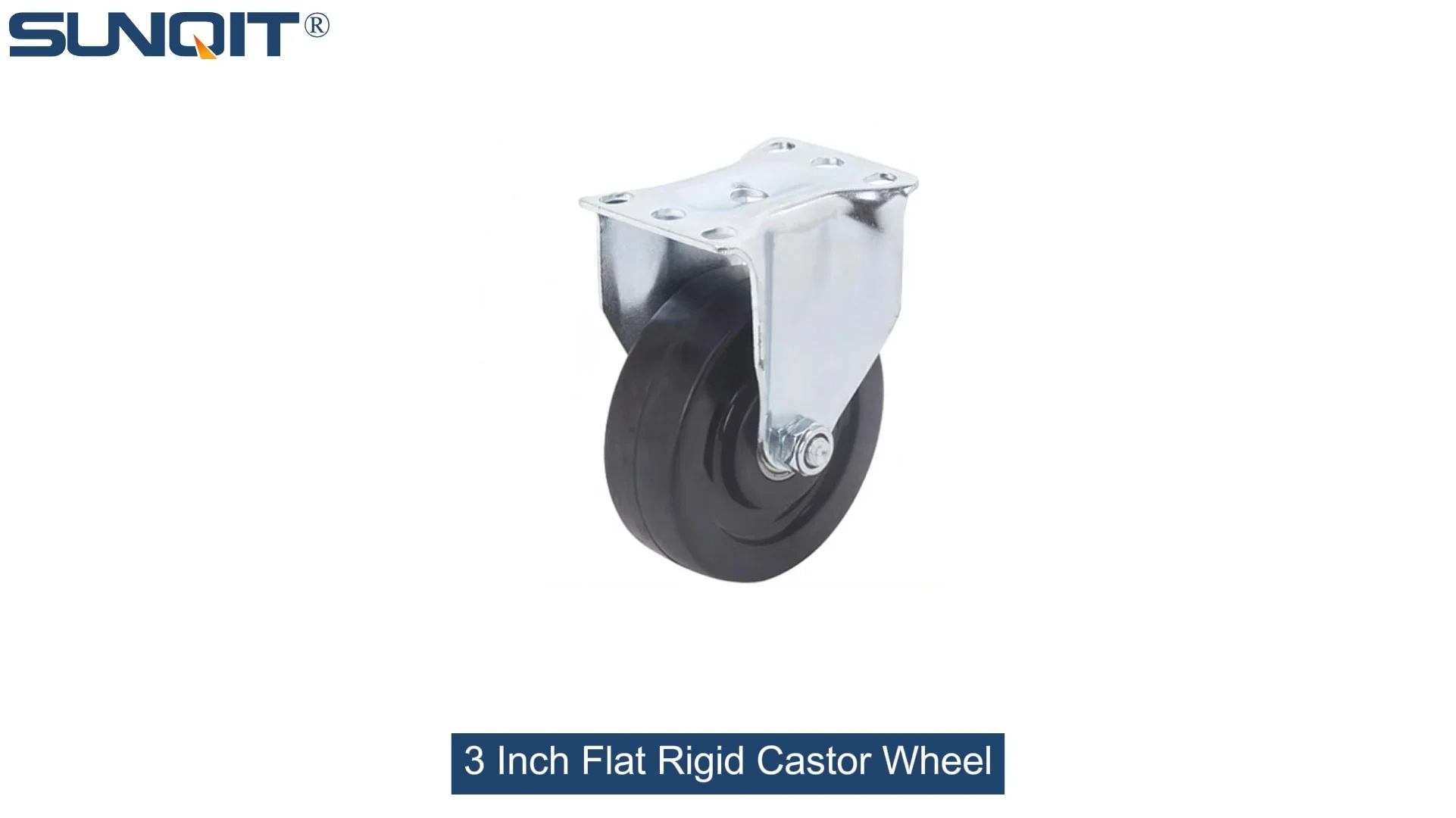
Flat Rigid Castor Wheel
Chair Casters Ball Bearing Wheels Rubber Base. Resistant to abrasion, impact and corrosion. Heavy payload can hold 70Kgs per pcs,which can make it works at a stable and smooth status.
Ensuring Smooth Operations in Lean Systems and Production Assemble
Introduction: The Unsung Heroes of Production Flow
In the fast-paced world of manufacturing and production, every component plays a role in keeping operations running like a well-oiled machine. Among these, flat rigid castor wheels might not always grab the spotlight, but their impact on efficiency, safety, and overall productivity is undeniable. Found on everything from workbenches and material carts to assembly line stations, these castors provide stable, fixed-direction movement—critical for maintaining the structured flow that defines a well-implemented lean system .
For production managers and technicians, a single faulty castor wheel can disrupt the entire rhythm of production assemble . A stuck wheel might slow down material transport, uneven wear could lead to wobbly workbenches, and loose mounting might even compromise operator safety. That's why understanding how to identify, troubleshoot, and prevent issues with flat rigid castor wheels is essential for anyone looking to uphold the principles of lean manufacturing—minimizing waste, maximizing value, and keeping workflows uninterrupted.
In this article, we'll dive deep into the most common problems that arise with flat rigid castor wheels, explore their root causes, and provide step-by-step solutions to get your production line back on track. We'll also cover preventive maintenance practices and tips for choosing the right caster accessories to ensure long-term reliability. Let's start by unpacking why these seemingly simple components are so vital to your operation.
Common Issues with Flat Rigid Castor Wheels and How to Fix Them
1. Uneven Wear on Wheel Treads
One of the most frequent complaints about flat rigid castor wheels is uneven wear on the wheel treads. You might notice that one side of the wheel is significantly more worn than the other, or that the tread has developed cracks or chunks missing. This not only affects the wheel's lifespan but can also lead to instability in carts or workbenches, making them harder to push and increasing the risk of material spills during production assemble .
Common Causes:
- Uneven loading: If the weight on the cart or workbench is consistently concentrated on one side, the corresponding castor wheels will bear more pressure, leading to faster wear.
- Debris and rough surfaces: Small rocks, metal shavings, or uneven floor tiles can cause abrasion on wheel treads, especially if the production floor isn't regularly cleaned.
- Misalignment during installation: If the castor wheels aren't mounted perpendicular to the frame or if the mounting holes are misaligned, the wheels may drag or scrub against the floor, causing uneven wear.
- Low-quality wheel material: Wheels made from soft rubber or plastic may wear quickly under heavy loads or frequent use, especially in high-temperature environments.
Troubleshooting Steps:
- Inspect the load distribution: Check if the cart or workbench is being loaded evenly. Use a scale to verify that weight is spread across all castor wheels. If not, adjust loading practices to balance the weight.
- Clean the floor and wheels: Sweep or vacuum the production floor daily to remove debris. Wipe down wheel treads with a damp cloth to dislodge any stuck particles that might cause abrasion.
- Check alignment: Using a level, verify that the cart or workbench frame is straight and that all castor wheels are pointing in the same direction. If misaligned, loosen the mounting bolts, adjust the position, and retighten (use a torque wrench to ensure even tension).
- replace worn wheels: If the tread is more than 30% worn or has cracks, replace the wheels immediately. Opt for high-quality materials like polyurethane or reinforced rubber, which offer better durability for heavy-duty production assemble tasks.
2. Loose or Damaged Mounting: When Castor Accessories Fail
A flat rigid castor wheel is only as strong as its connection to the equipment it's mounted on. Over time, the bolts, brackets, or plates that secure the castor to the frame (collectively known as caster accessories ) can loosen, bend, or break—putting both the equipment and operators at risk. Signs of this issue include wobbling carts, unusual noises during movement, or visible gaps between the castor and the frame.
Common Causes:
- Vibration from constant use: The repetitive motion of pushing carts or moving equipment in a busy production line can cause mounting bolts to loosen over time.
- Overloading: Exceeding the weight capacity of the castor or its mounting accessories (e.g., using a light-duty bracket with a heavy workbench) can lead to bending or snapping.
- Corrosion: In humid or dusty environments, metal mounting hardware can rust, weakening the connection between the castor and the frame.
- Poor installation: Using the wrong size bolts, skipping washers, or failing to tighten hardware to the manufacturer's specifications can all contribute to loose mounting.
Troubleshooting Steps:
- Tighten loose hardware: Regularly inspect all mounting bolts and nuts. Use a wrench to tighten any that are loose, and replace any that are stripped or damaged. For added security, apply thread-locking adhesive (e.g., Loctite) to prevent future loosening.
- replace damaged brackets or plates: If the mounting bracket is bent, cracked, or corroded, remove it and install a new one. Ensure the replacement matches the castor's weight rating and is compatible with the equipment frame (check the manufacturer's guidelines for specifications).
- Add reinforcement: For equipment that's frequently overloaded (even accidentally), consider upgrading to heavy-duty caster accessories, such as thicker steel brackets or reinforced mounting plates. This is especially important for workbenches used in production assemble where tools and materials are constantly being added or removed.
- Address corrosion: Clean rusted hardware with a wire brush and apply a rust-inhibiting spray or paint. For severe cases, replace corroded bolts or brackets entirely to avoid sudden failure.
3. Noise During Operation: A Sign of Underlying Issues
While some noise is expected in a production environment, loud or unusual sounds coming from flat rigid castor wheels—such as squeaking, grinding, or rattling—are rarely a good sign. Not only do these noises disrupt the workplace, but they often indicate friction, misalignment, or component wear that could escalate into bigger problems if ignored.
Common Causes:
- Lack of lubrication: The axle or bearing inside the castor wheel can dry out, causing metal-on-metal friction that leads to squeaking or grinding.
- Debris in the wheel housing: Dirt, dust, or small particles can get trapped between the wheel and the castor frame, creating a grinding noise as the wheel turns.
- Damaged bearings: Worn or cracked bearings can cause the wheel to wobble or seize, resulting in loud, irregular sounds.
- Misaligned wheels: As mentioned earlier, wheels that aren't pointing in the same direction can scrub against the floor, producing a dragging or scraping noise.
Troubleshooting Steps:
- Lubricate moving parts: Apply a high-quality lubricant (e.g., silicone spray or lithium grease) to the wheel axle and bearings. Be sure to clean the area first to remove dirt, and avoid over-lubricating, which can attract more debris.
- Clean the wheel housing: Use compressed air or a small brush to dislodge any debris trapped in the castor frame or around the wheel. For stubborn particles, wipe the area with a cloth dampened with mild detergent.
- Inspect bearings: Spin the wheel by hand—if it feels rough or doesn't spin freely, the bearings may be damaged. Remove the wheel, check for cracks or rust, and replace the bearings if necessary (consult the manufacturer for replacement parts).
- Realign wheels: As with uneven wear, misaligned wheels can cause noise. Follow the alignment steps outlined earlier to ensure all wheels are pointing straight and making even contact with the floor.
4. Incompatibility with Floor Surfaces: When Wheels and Floors Clash
Not all flat rigid castor wheels are created equal, and using the wrong wheel type for your production floor can lead to a host of issues—from premature wear to difficulty moving equipment. For example, hard plastic wheels might scratch polished concrete floors, while soft rubber wheels could leave marks on vinyl or linoleum. In extreme cases, incompatible wheels might even get stuck in floor cracks or grooves, bringing production assemble to a halt.
Common Causes:
- Choosing the wrong wheel material: Hard wheels (e.g., nylon, steel) are durable but lack shock absorption, while soft wheels (e.g., rubber, polyurethane) offer better grip but wear faster on rough surfaces.
- Ignoring floor conditions: Floors with cracks, uneven joints, or debris require wheels with larger diameters or tread patterns that can navigate obstacles.
- Overlooking temperature or chemical exposure: In environments with oils, solvents, or extreme temperatures, certain wheel materials (e.g., standard rubber) can degrade quickly.
Troubleshooting Steps:
- Assess your floor type: Identify whether your production floor is concrete, vinyl, tile, or another material. Note any irregularities, such as cracks, seams, or chemical exposure.
- Match wheel material to floor: For smooth, hard floors (e.g., polished concrete), opt for polyurethane wheels, which offer a balance of durability and grip. For rough or uneven floors, larger-diameter rubber or pneumatic wheels (if rigid isn't strictly required) can handle obstacles better. For chemical-prone areas, choose oil-resistant materials like nylon.
- Consider floor protectors: If replacing wheels isn't immediately feasible, add floor protectors (e.g., plastic mats) in high-traffic areas to reduce friction and prevent damage.
- Test before full deployment: When introducing new equipment or castors, test them in a small, low-traffic area first to ensure compatibility with the floor and overall performance in your production assemble environment.

Troubleshooting at a Glance: Quick Reference Table
| Common Issue | Key Causes | Troubleshooting Steps | Preventive Measures |
|---|---|---|---|
| Uneven Wheel Wear | Uneven loading, floor debris, misalignment, low-quality materials | Balance loads, clean floors/wheels, realign castors, replace worn wheels | Daily floor cleaning, weekly load checks, monthly alignment inspections |
| Loose/Damaged Mounting | Vibration, overloading, corrosion, poor installation | Tighten hardware, replace brackets, add reinforcement, address corrosion | Torque checks every 2 weeks, use thread-locker, upgrade to heavy-duty caster accessories |
| Noise During Operation | Lack of lubrication, debris in housing, damaged bearings, misalignment | Lubricate axles/bearings, clean wheel housing, replace bearings, realign wheels | Monthly lubrication, weekly debris checks, listen for unusual sounds during use |
| Floor Incompatibility | Wrong wheel material, unaddressed floor irregularities, chemical exposure | Match wheel material to floor, use floor protectors, test new castors first | Document floor conditions, consult castor suppliers for material recommendations |

Preventive Maintenance: Keeping Castors in Top Shape
As the saying goes, "An ounce of prevention is worth a pound of cure"—and this couldn't be truer when it comes to flat rigid castor wheels. By implementing a regular maintenance routine, you can catch issues early, extend the lifespan of your castors, and avoid costly downtime in production assemble . Here's a simple weekly and monthly checklist to keep your castors performing at their best:
Weekly Maintenance Tasks
- Visual inspection: Walk around all equipment with flat rigid castor wheels. Look for signs of wear (cracks, tread loss), loose bolts, or debris stuck in wheels.
- Clean wheels and frames: Use a brush or compressed air to remove dirt, dust, and metal shavings from wheel treads and castor frames. Wipe down with a damp cloth if needed.
- Check load distribution: Ensure carts and workbenches are loaded evenly. Remind operators not to overload equipment beyond its rated capacity.
- Test movement: Push carts or move equipment slightly to listen for unusual noises (squeaks, grinding) and feel for resistance or wobbling.
Monthly Maintenance Tasks
- Lubrication: Apply lubricant to wheel axles and bearings. Use a product recommended by the castor manufacturer—avoid oil-based lubricants if the environment has dust, as they can attract debris.
- Torque checks: Use a torque wrench to tighten all mounting bolts to the manufacturer's specifications. Apply thread-locking adhesive to bolts that tend to loosen.
- Alignment check: Use a straightedge or level to ensure all castor wheels are aligned and pointing in the same direction. Adjust as needed.
- replace worn parts: If wheels, bearings, or caster accessories show significant wear, replace them before they fail. Keep a stock of spare parts on hand to minimize downtime.
Seasonal Deep Dive
Every 3–6 months, conduct a more thorough inspection: check for corrosion on metal components, test wheel hardness (using a durometer if available), and review load data to ensure equipment isn't being overused. This is also a good time to reassess whether your current castor setup—including wheel material, size, and caster accessories —still meets the needs of your evolving production assemble processes.

Choosing the Right Flat Rigid Castor Wheels for Your Needs
Preventing issues with flat rigid castor wheels starts with selecting the right product for your specific application. With so many options on the market, it's easy to feel overwhelmed—but by focusing on a few key factors, you can make a choice that aligns with your lean system goals and production assemble requirements.
Key Considerations When Selecting Castors
- Weight capacity: Always choose castors rated for at least 125% of the maximum load they'll bear. This accounts for sudden shifts in weight during movement.
- Wheel material: As discussed earlier, match the wheel material to your floor type and environment. For example, polyurethane is versatile for general use, while steel is better for heavy loads on rough floors.
- Wheel diameter: Larger wheels (4–6 inches) roll more easily over obstacles, while smaller wheels (2–3 inches) are better for tight spaces. Consider the height of your workbench or cart when choosing diameter.
- Mounting type: Choose between top plate mounting (for stability on heavy equipment) or stem mounting (for lighter applications like small carts). Ensure the mounting style is compatible with your equipment frame.
- Locking mechanisms (if needed): While flat rigid castors are fixed-direction, some models come with brakes to keep equipment stationary. Evaluate whether this feature is necessary for your workflow.
Working with a Reputable Supplier
A reliable castor supplier can be an invaluable partner in selecting the right products. Look for suppliers who offer:
- Customization options to fit unique equipment or production assemble needs.
- Technical support, including load calculations and material recommendations.
- A range of caster accessories (brackets, bolts, bearings) to ensure compatibility and easy replacement.
- Warranty coverage for peace of mind.
Don't hesitate to ask for samples or case studies—seeing how a castor performs in a similar environment can help you make a more informed decision.
Conclusion: Small Components, Big Impact on Lean Production
Flat rigid castor wheels may seem, but their role in maintaining a smooth, efficient production assemble process is undeniable. From supporting workbench stability to enabling the seamless movement of materials, these components are the backbone of a well-functioning lean system . By understanding common issues, implementing proactive maintenance, and choosing the right products and caster accessories , you can minimize downtime, reduce costs, and keep your production line moving forward.
Remember, troubleshooting isn't just about fixing problems—it's about preventing them. A regular maintenance routine, combined with careful selection and operator training, will ensure your flat rigid castor wheels continue to support your goals for years to come. After all, in lean manufacturing, every detail matters—and that includes the wheels beneath your equipment.
So the next time you're walking through your production floor, take a moment to inspect those castors. A little attention today can save you from a major headache tomorrow.