- Company Articles
- Products and Technology
- Installation And Maintenance
- Troubleshooting Five Way Straight Lean Pipe Joint Chrome: Loose Connections & Fixes

Troubleshooting Five Way Straight Lean Pipe Joint Chrome: Loose Connections & Fixes
Related Product
Five Way Straight Lean Pipe Joint Chrome
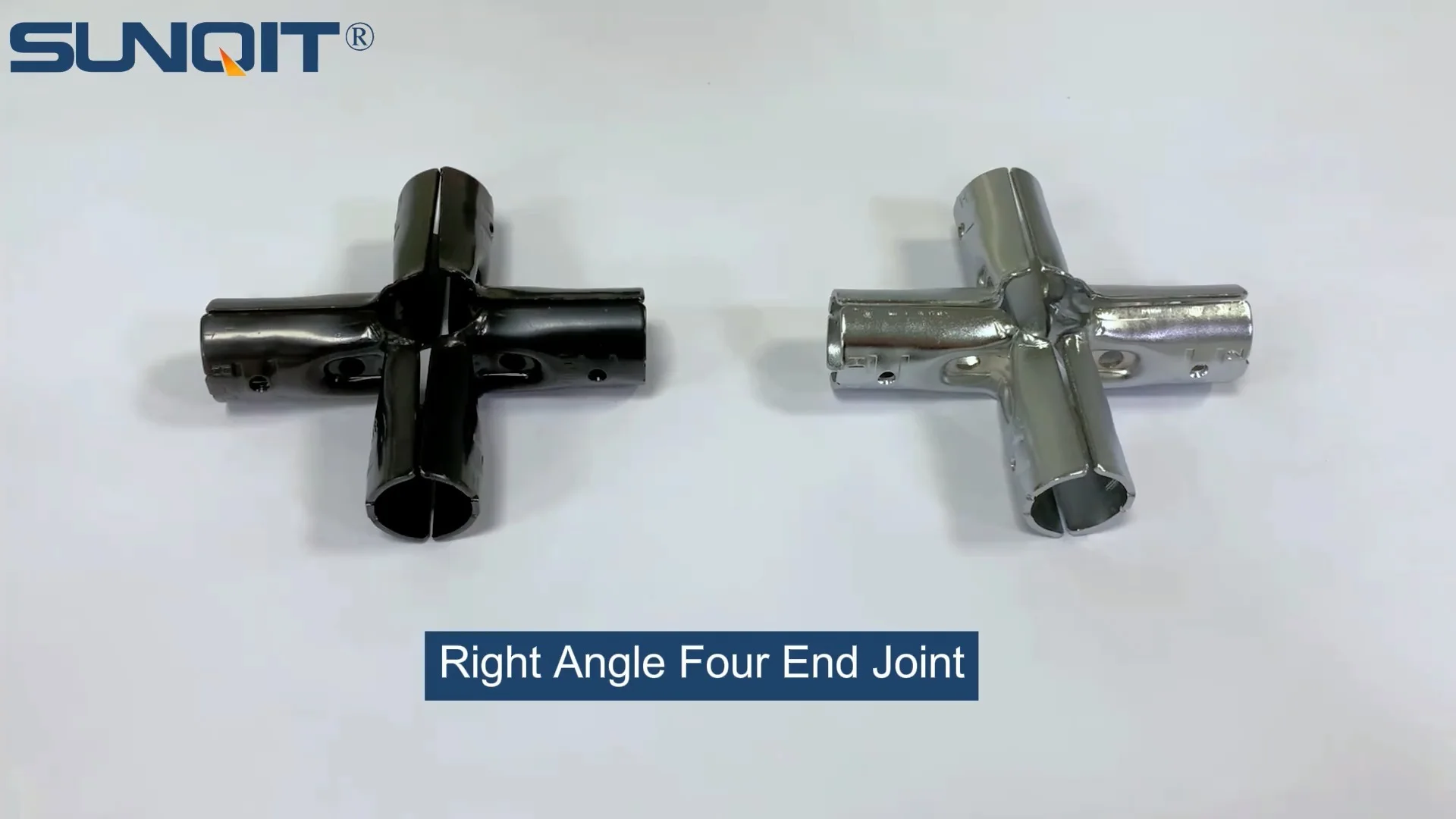
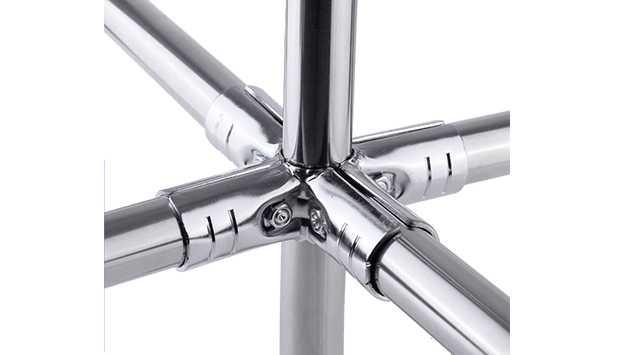
Five way straight lean pipe joint, for 5 pcs 28mm lean pipe connect in straight angle,which used widely in workbench, flow rack, hand trolley frame connection.
Introduction: The Backbone of Lean Systems
Walk into any high-performing manufacturing or assembly facility, and you'll quickly spot the unsung heroes of operational efficiency: lean pipe systems. These adaptable setups—think workbenches cluttered with tools, flow racks gliding with materials, and turnover trolleys zipping between stations—are the backbone of streamlined workflows. At their core? A network of pipes, joints, and accessories working in harmony. Among these components, the five way straight lean pipe joint chrome stands out as a quiet workhorse. Designed to connect up to five lean pipes in multiple directions, it's the reason lean systems can be customized into everything from L-shaped workbenches to multi-tiered material racks. But even the sturdiest joints can falter. A loose connection here isn't just a minor annoyance; it's a ripple that disrupts workflows, risks tool damage, and chips away at productivity. Let's dive into why these joints loosen, how to spot the signs, and the step-by-step fixes that will get your lean system back to peak performance.
Understanding the Five Way Straight Lean Pipe Joint Chrome
Before we troubleshoot, let's get to know the star of the show. The five way straight lean pipe joint chrome is a small but mighty component. Typically made of high-strength steel with a chrome-plated finish, it's built to withstand the rigors of daily use in industrial settings. Its design is deceptively simple: a central hub with five threaded ports, each sized to grip standard lean pipes (often 28mm in diameter, though compatibility varies with lean pipe and accessories ). The chrome plating isn't just for aesthetics—it adds a protective layer against rust and corrosion, making the joint suitable for environments ranging from dry warehouses to moderately humid assembly lines.
What makes this joint indispensable? Versatility. Unlike fixed-angle joints, the five way design lets you build in multiple directions—say, a workbench with a side shelf, a material rack with vertical and horizontal supports, or a conveyor system branching into two paths. It's the Swiss Army knife of lean components, enabling the flexibility that makes lean systems so popular. But with great versatility comes great responsibility: each connection point must be secure to maintain the structure's integrity. When even one port loosens, the entire system feels the strain.
Why Do Five Way Joints Loosen? Common Culprits
Loose connections don't happen randomly. They're often the result of a perfect storm of installation habits, environmental factors, and wear over time. Let's break down the most likely causes:
1. Installation Errors: The "Set It and Forget It" Mistake
Many loose joints trace back to day one. Imagine a busy installation crew rushing to set up a new lean pipe workbench . In the hurry, they might hand-tighten the five way joint without using a torque tool, leaving it under-tightened. Or worse, cross-thread the joint—forcing it onto the pipe at an angle, which strips the threads and weakens the grip. Even using the wrong pipe size (e.g., pairing a 1.0mm PE-coated lean pipe with a joint designed for 1.5mm) can leave gaps, as the pipe diameter is too small to create a snug fit. Over time, vibration from daily use turns that "good enough" installation into a wobbly problem.
2. Wear and Tear: The Toll of Daily Use
Lean systems aren't static. Workers lean on workbenches, tools get dropped, materials slide across flow racks, and trolleys bump into structures. All this activity sends tiny vibrations through the pipes, gradually loosening the joint's grip. The chrome plating, while durable, can wear thin in high-friction areas, exposing the underlying steel to rust. Once rust forms on the threads, the joint loses its ability to lock tightly, and even a slight bump can make it spin. Heavy loads exacerbate this: a material rack stacked with 50kg boxes puts constant stress on the five way joint, stretching the metal over time and creating play between the joint and pipe.
3. Environmental Enemies: Moisture, Chemicals, and Temperature Swings
Your facility's environment plays a big role in joint health. High humidity is a silent killer—moisture seeps into the tiny gaps between the joint and pipe, promoting rust. In facilities using coolants, oils, or cleaning agents, chemical exposure can degrade the chrome plating or corrode the pipe itself, weakening the connection. Even temperature extremes matter: metal expands in heat and contracts in cold, and over time, this cycle can loosen the joint's threads. If your lean system is near a furnace or air conditioning vent, those daily temperature swings might be doing more harm than you think.
4. Mismatched Components: When Parts Don't Play Well Together
Lean systems thrive on compatibility, but mixing and matching parts from different suppliers is a common pitfall. For example, using a five way joint from one brand with aluminum lean pipe from another might seem harmless, but slight variations in thread pitch or pipe diameter can create a loose fit. Even within the same system, using worn accessories—like a bent pipe or a cracked washer—puts extra stress on the joint. Think of it like a puzzle: if one piece is warped, the whole picture doesn't hold together.

Spotting the Signs: How to Tell If Your Joint Is Loose
Catching a loose five way joint early can save you from bigger headaches down the line. Here are the red flags to watch for:
- Wobbling or (Wobbling): The most obvious sign. (Give the workbench or material rack a gentle push). If it sways more than an inch, or if individual pipes move independently of the structure, a joint is likely loose.
- Unusual Noises: Listen for creaks, rattles, or squeaks during use. These sounds often come from metal rubbing against metal as the joint shifts.
- Material Jams: On flow racks or roller tracks, materials might suddenly get stuck. A loose joint can tilt the track, creating a bump that halts movement.
- Visible Gaps: Inspect the joint closely. If you see space between the joint and the pipe, or if the pipe spins when you twist it by hand, the connection is compromised.
- Tool or Material Slips: On workbenches, tools might slide unexpectedly, or materials might roll off edges. This often happens when the bench surface isn't level—another side effect of a loose joint.
Step-by-Step Troubleshooting: Fixing Loose Five Way Joints
Don't panic if you spot a loose joint—most issues are fixable with basic tools and a little know-how. Follow this step-by-step guide to get your lean system stable again:
Step 1: Safety First—Clear the Area and Unload the Structure
Before you start, remove any tools, materials, or equipment from the affected area. A sudden shift could send items crashing, so empty the workbench or material rack. If the structure is part of a larger system (like a conveyor line), power down adjacent machinery to avoid accidental movement.
Step 2: Inspect the Joint and Pipes
Grab a flashlight and get up close. Check for:
- Rust or corrosion: Look for orange or brown spots on the joint's threads or the pipe surface.
- Stripped threads: If the joint spins freely without tightening, the threads are likely stripped.
- Bent pipes: A warped pipe puts uneven stress on the joint. Roll the pipe on a flat surface to check for bends.
- Missing washers or accessories: Some setups use lock washers or rubber gaskets to secure joints—if these are missing, the connection will loosen easily.
Step 3: Tighten the Joint (If Threads Are Intact)
If the threads look good, tightening is your first move. You'll need a hex key (most five way joints use 5mm or 6mm keys) or a torque wrench for precision. Here's how:
- Align the pipes: Ensure all connected pipes are straight and properly seated in the joint ports.
- Hand-tighten first: Twist the joint clockwise by hand until it's snug against the pipe.
- Torque to specification: Use the hex key to tighten 1/4 to 1/2 turn more. Avoid overtightening—this can strip threads or crack the joint. A good rule of thumb: if the key bends, you're going too hard.
- Check for movement: After tightening, wiggle the pipes. They should feel solid, with no play.
Step 4: Clean and Lubricate (For Rust or Stiff Joints)
If rust is the culprit, start by cleaning the joint. Use a wire brush to scrub away rust from the threads and pipe surface. For stubborn spots, apply a rust-dissolving spray (like WD-40) and let it sit for 10 minutes. Once clean, dry the joint thoroughly, then apply a thin layer of anti-corrosion lubricant (graphite-based lubricants work best for metal-on-metal connections). This prevents future rust and makes tightening easier.
Step 5: replace Damaged Parts (When Tightening Isn't Enough)
If the threads are stripped, the joint is cracked, or the pipe is bent, replacement is necessary. Here's what to do:
- Source the right parts: Contact your lean pipe supplier for a replacement five way straight lean pipe joint chrome. Bring the old joint to ensure matching thread size and port configuration.
- replace worn pipes: If the pipe is bent or corroded, swap it out for a new one. Match the material (steel, aluminum, or stainless steel) to your environment.
- Use new accessories: replace washers, gaskets, or locking nuts—these small parts play a big role in stability.
Step 6: Reinforce with Thread Locker (For Long-Term Security)
For high-vibration areas (like near machinery), add a thread locker (Loctite is a popular brand) to the joint threads before tightening. Choose a medium-strength formula (blue Loctite works well)—it holds tight but allows for future disassembly if needed. Apply a drop to the pipe threads, then screw on the joint and tighten as usual. Let it cure for 24 hours before putting the structure back into use.
Preventive Maintenance: Keeping Joints Tight for the Long Haul
An ounce of prevention is worth a pound of cure. Here's how to keep your five way joints (and entire lean system) in top shape:
| Maintenance Task | How to Do It | Frequency |
|---|---|---|
| Visual Inspections | Check all joints for gaps, rust, or damage. Push structures gently to test for wobbling. | Weekly |
| Tightening Routine | Use a hex key to retighten all joints. Focus on high-use areas like workbenches and flow racks. | Monthly |
| Cleaning and Lubrication | Wipe down joints with a dry cloth; apply anti-corrosion spray in humid environments. | Quarterly |
| Component Check | replace worn pipes, bent accessories, or cracked joints. Ensure all parts are compatible. | Bi-annually |
| Staff Training | Teach workers to report wobbling, noises, or jams immediately. Encourage gentle handling of equipment. | Annually (or as new staff join) |
Pro tip: Label high-stress joints (like those supporting heavy loads) with a marker. These are your "priority check" points during inspections, as they're more likely to loosen first.
Real-World Success: How One Facility Fixed Loose Joints and Boosted Efficiency
Let's look at a case study to see these steps in action. A mid-sized electronics manufacturer was struggling with frequent delays on their assembly line. Workers reported tools sliding off workbenches, and materials often jammed on flow racks. The maintenance team suspected loose joints but didn't have a systematic way to check. After a quick audit, they found over 15 loose five way joints across 8 workbenches—most due to installation errors and months of vibration.
The team took action:
- They tightened all joints with torque wrenches, using thread locker on high-vibration areas.
- Replaced 3 corroded joints and 2 bent aluminum lean pipes.
- Implemented a weekly inspection checklist for workers to report wobbling or noises.
The results? Downtime from material jams dropped by 30%, and tool-related accidents (like dropped screwdrivers) decreased by 40%. Best of all, the team saved hours by catching issues early instead of waiting for full system failures.
Choosing the Right Supplier: Quality Matters
Even the best maintenance can't (compensate for) poor-quality components. When sourcing five way straight lean pipe joint chrome, aluminum lean pipe, or any lean accessories, partner with a reputable lean pipe supplier . Look for suppliers who:
- Offer certifications for material quality (e.g., ISO standards for steel or aluminum).
- Provide compatibility guarantees (matching joints, pipes, and accessories).
- Have positive reviews from other manufacturers in your industry.
- Offer technical support—help with installation, troubleshooting, or custom system design.
Remember: A cheap joint might save you money today, but a loose connection tomorrow could cost you far more in downtime and repairs.
Conclusion: Tight Joints, Smooth Workflows
The five way straight lean pipe joint chrome might be small, but its impact on your lean system's performance is huge. Loose connections aren't just a nuisance—they're a threat to efficiency, safety, and productivity. By understanding the causes (installation errors, wear, mismatched parts), spotting the signs (wobbling, noises, gaps), and following the fixes (tightening, cleaning, replacing), you can keep your lean system running like a well-oiled machine.
And don't forget prevention. Regular inspections, routine tightening, and choosing quality components from a trusted supplier will ensure your joints stay tight, your workflows stay smooth, and your facility stays efficient. After all, in the world of lean manufacturing, every connection counts.