- Company Articles
- Products and Technology
- Installation And Maintenance
- Troubleshooting Guide: End Support for Roller Track Placon Mount with Stop Not Functioning Properly

Troubleshooting Guide: End Support for Roller Track Placon Mount with Stop Not Functioning Properly
Related Product
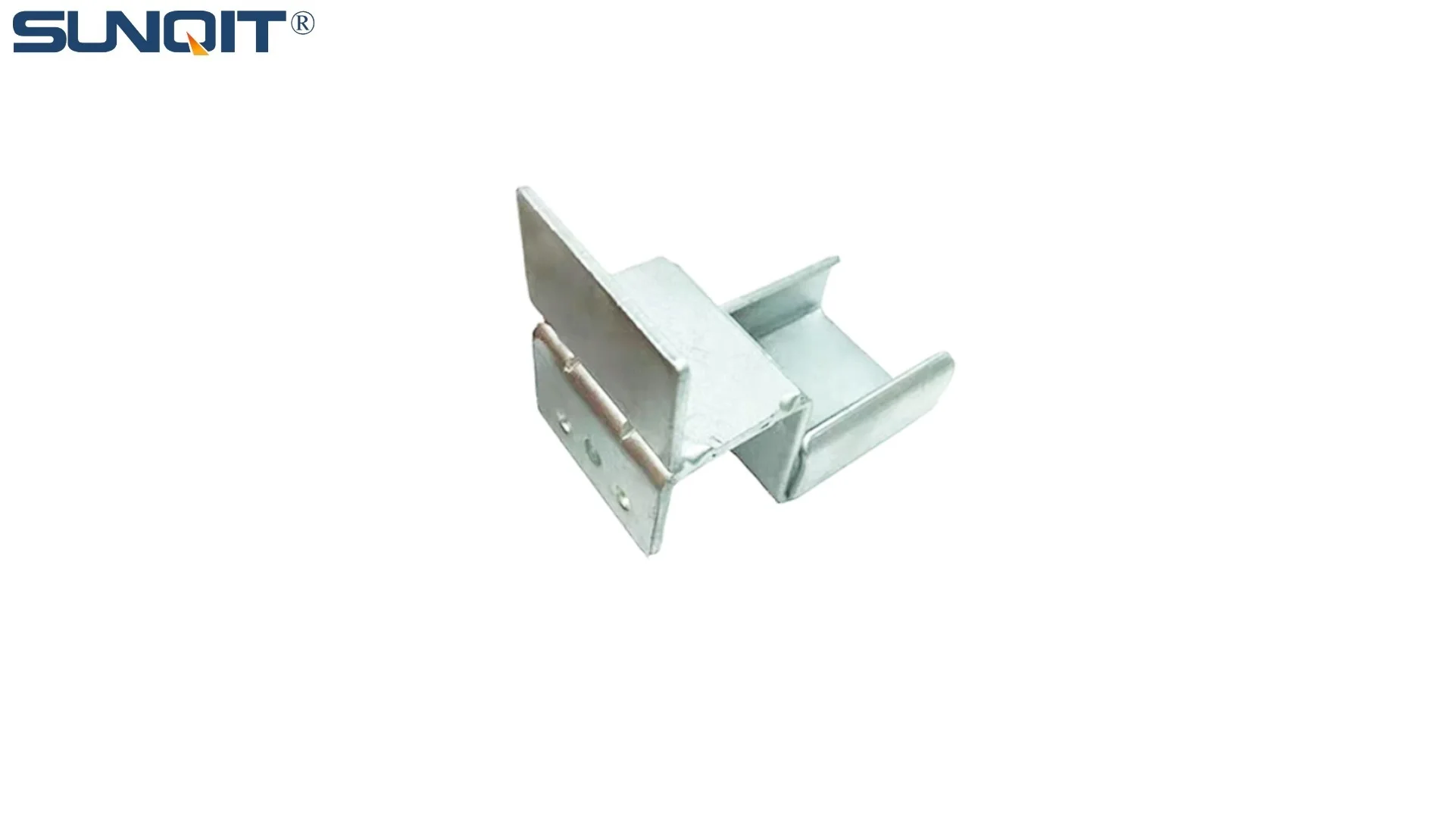
End Support for Roller Track Placon Mount with Stop
Roller track placon mount work as a connector for roller track and pipe or aluminum profile in rack syetem, it is a necessary parts in rack system which widely used in industrial plant and logistic,warehouse storage.
In the fast-paced world of manufacturing, every component of your production line plays a critical role in keeping operations smooth and efficient. When a small but vital part like the end support for roller track placon mount with stop malfunctions, it can disrupt workflows, slow down productivity, and even lead to unexpected downtime. Whether you're managing a 3C assembly line, a medical device production area, or a warehouse logistics setup, dealing with a faulty end support is more than just a technical hassle—it's a challenge that affects your team's rhythm and your bottom line. That's why we've put together this practical, step-by-step guide to help you diagnose, resolve, and prevent issues with this essential component of your lean pipe system. Let's dive in and get your production back on track.
Understanding the Role of End Support with Stop in Your Lean System
Before we troubleshoot, let's take a moment to appreciate why this component matters. The end support for roller track placon mount with stop is the unsung hero of your flow rack or conveyor system. It's designed to secure the roller track at the end, prevent materials from sliding off during transport, and maintain alignment between track sections. Made from durable aluminum profile, it's built to withstand the daily wear of heavy loads and constant movement—key traits of a reliable lean solution. When it works well, you barely notice it; when it doesn't, the entire line feels the impact.
Common symptoms of a malfunctioning end support include: materials slipping off the track, unusual rattling or grinding noises, visible misalignment of the roller track, or the stop mechanism failing to engage. These issues might seem minor at first, but ignoring them can lead to damaged products, worker frustration, and even safety risks. Let's break down how to identify and fix the problem.
Step-by-Step Troubleshooting: From Symptom to Solution
Troubleshooting can feel overwhelming, especially when you're under pressure to get production moving again. Take a deep breath—we'll walk through this methodically, starting with the simplest checks and moving to more complex fixes. Here's what to do:
1. Check for Loose or Damaged Fasteners
The first stop in your (páichá—Chinese for "," meaning "check") is the fasteners holding the end support in place. Over time, vibration from the conveyor or flow rack can loosen screws, bolts, or nuts, causing the support to shift. Grab a basic toolkit (you'll need a hex wrench set, screwdriver, and torque wrench) and inspect:
- The bolts connecting the end support to the aluminum profile frame—are they tight? A loose bolt here can cause the entire support to wobble.
- The screws securing the stop mechanism to the support—if these are loose, the stop might not pop up or lock into place correctly.
- Any signs of stripped threads or bent fasteners—these need to be replaced immediately, as they can't provide a secure hold.
Fix: Tighten loose fasteners to the manufacturer's recommended torque (usually 8-10 Nm for M5 bolts in aluminum profiles). replace any damaged screws or bolts with new ones from your lean pipe accessories kit—using mismatched hardware is a common mistake that leads to repeat issues.
2. Inspect the Stop Mechanism for Blockages or Wear
The stop itself is a small but critical part. If it's stuck in the "down" position, materials will slide off; if it's stuck "up," they'll get blocked. Start by cleaning the area around the stop—dust, debris, or even a small piece of packaging can jam it. Use a soft brush or compressed air to clear away dirt, then manually test the stop: does it move smoothly up and down?
Next, check for wear on the stop's contact surface. If it's been rubbing against materials for months (or years), the edge might be worn down, making it less effective at stopping loads. Look for cracks, chips, or deformation—these are signs it's time for a replacement.
Fix: If the stop is jammed, apply a small amount of silicone lubricant (avoid oil-based lubes, which attract more dust) to the pivot points. If it's worn or damaged, order a replacement stop from your lean pipe supplier—most carry spare parts for common components like this.
3. Verify Roller Track Alignment
Even if the end support itself looks fine, misalignment between the roller track and the support can cause problems. A track that's tilted or off-center will put extra stress on the end support, leading to premature failure. To check alignment:
- Stand back and look along the length of the roller track—does it run straight, or does it curve upward/downward at the end?
- Use a spirit level to check if the end support is vertical and the track is horizontal—even a 2° tilt can cause materials to slide unevenly.
- Measure the gap between the end support and the last roller on the track—there should be a 1-2mm clearance to allow smooth movement, but not enough for materials to get stuck.
Fix: Loosen the fasteners holding the track to the placon mount, adjust the alignment using shims if needed, then retighten. If the aluminum profile frame itself is bent (uncommon, but possible in heavy-impact situations), you may need to replace the frame section—this is where a custom lean solution from your supplier can help, as they can design a replacement that fits your existing setup.
4. Examine the Placon Mount and Rail Connection
The placon mount is the bracket that connects the roller track to the aluminum profile. If this is cracked, bent, or incorrectly installed, the end support won't function as intended. Check for:
- Cracks in the plastic or aluminum placon mount—plastic mounts can become brittle over time, especially in high-temperature environments.
- Misalignment between the placon mount and the rail connection—if the mount isn't seated flush against the profile, the track will sit at an angle.
- Missing or damaged placon mount connectors—these small clips or brackets keep the track stable during operation.
Fix: replace cracked or damaged placon mounts with new ones (opt for aluminum if you're in a harsh environment, as it's more durable than plastic). Ensure the mount is aligned with the rail connection using the alignment marks on the profile—this simple step prevents 90% of alignment issues.
5. Test Load Capacity and Material Compatibility
Sometimes the problem isn't with the end support itself, but with how it's being used. If you're transporting heavier loads than the end support is rated for, it will bend or fail. Check the product label or your supplier's specs—most end supports for roller track placon mounts are rated for 20-50kg, depending on size. Are you exceeding this?
Also, consider the materials you're moving. Sharp-edged or irregularly shaped items can catch on the stop mechanism, causing it to jam. For example, if you're shifting metal parts with burrs, they might scrape the stop and push it out of position over time.
Fix: If you're overloading, redistribute the load or upgrade to a heavy-duty end support (your lean solution provider can recommend options). For sharp materials, add a protective rubber coating to the stop or switch to a reinforced steel stop mechanism.
Quick Reference: Common Issues & Fixes
| Symptom | Likely Cause | Solution |
|---|---|---|
| Stop won't stay up | Loose stop mechanism screws or worn spring | Tighten screws or replace spring |
| Materials sliding off track | Misaligned end support or broken stop | Realign support or replace stop |
| Grinding noise from end support | Loose fasteners or damaged placon mount | Tighten fasteners or replace mount |

Preventive Maintenance: Keep It Running Smoothly
They say an ounce of prevention is worth a pound of cure—and that's especially true for your lean pipe system. A little regular maintenance can save you from future end support headaches. Here's a simple schedule to follow:
Daily Checks (2 Minutes Per Station)
Have your operators do a quick visual inspection at the start of each shift: Are there any obvious signs of looseness or damage? Does the stop mechanism work when tested? A quick glance can catch issues before they escalate.
Weekly Deep Clean (15 Minutes Per Area)
Set aside time each week to clean the end supports, roller tracks, and surrounding areas. Wipe down the stop mechanism with a damp cloth, lubricate pivot points with silicone spray, and tighten any fasteners that feel slightly loose. This is also a good time to check for wear on lean pipe joints and aluminum profile accessories.
Quarterly Professional Inspection
Every 3 months, bring in your maintenance team or a technician from your lean solution provider to do a thorough check. They can use specialized tools to measure torque, test load capacity, and identify wear that might not be visible to the untrained eye. This is also a great opportunity to discuss upgrades—maybe a new type of end support or conveyor component could boost efficiency even further.

When to Call in the Experts
Even with careful troubleshooting, some issues are best left to professionals. If you've tried the steps above and the problem persists, or if you notice:
- Bent or cracked aluminum profile frames—these require precise replacement to maintain structural integrity.
- Multiple end supports failing across different stations—this could signal a systemic issue with your lean system setup.
- Electrical or sensor-related problems (if your stop mechanism is automated)—these need a technician familiar with your conveyor's control system.
Reach out to your lean pipe supplier—they should offer technical support and replacement parts. If you're using a custom lean solution, they'll already have your setup details on file, making repairs faster and more accurate.

You've Got This—And We've Got Your Back
Dealing with a faulty end support isn't anyone's idea of a good day, but now you're equipped to handle it with confidence. Remember: most issues are fixable with basic tools and a little patience, and preventive maintenance goes a long way. Your lean pipe system is built to be durable and adaptable—just like your team. Whether you're in 3C assembly, medical device production, or warehouse logistics, keeping these components in top shape ensures your line stays lean, efficient, and ready to tackle whatever comes next.
And if you ever need extra help? Your trusted lean solution provider is there—because at the end of the day, we're all working toward the same goal: a production line that runs as smoothly as the day it was installed.