- Company Articles
- Products and Technology
- Installation And Maintenance
- Troubleshooting Gusset ALP 4040 Issues: Fixing Loose Connections and Wear

Troubleshooting Gusset ALP 4040 Issues: Fixing Loose Connections and Wear
Related Product
Gusset ALP 4040
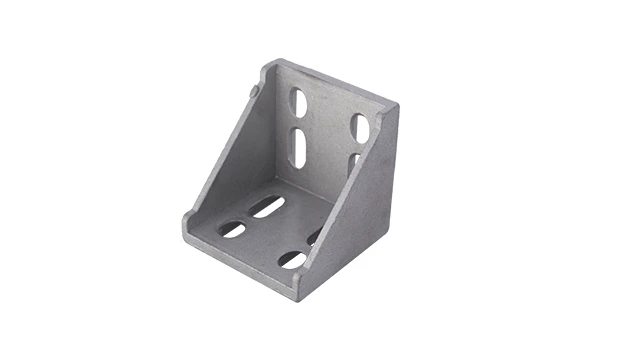
The 4040 bracket/Gusset is an external fastening method that creates a 90 degree connection. 4040 means this size is used for 40 series aluminum profile with a quick connection by bolt and nut. It is a lightweight bracket that requires no machining servic
If you've spent any time around manufacturing floors, warehouses, or even DIY workshops, you've probably seen those sleek, modular workbenches and material racks built from aluminum profiles. They're lightweight, sturdy, and infinitely customizable—perfect for lean systems where efficiency and adaptability are king. But here's the thing: even the most well-designed setups can hit snags, especially when it comes to the small but mighty components that hold everything together. Today, we're zeroing in on one such component: the Gusset ALP 4040. If you're scratching your head wondering, "What even is a gusset?" don't worry—we're breaking it down, along with the two biggest headaches it can cause: loose connections and wear. By the end, you'll know how to spot these issues, fix them, and keep your aluminum profile setups running smoothly for years.
What Is a Gusset ALP 4040, Anyway?
Let's start with the basics. A Gusset ALP 4040 is a small but critical aluminum profile accessory. Think of it as the unsung hero of structural reinforcement. Picture this: when you connect two aluminum profiles at a right angle—say, the legs and the tabletop of a workbench—you need something to keep that joint from wobbling. That's where the gusset comes in. Shaped like a small, angled bracket (usually L-shaped or triangular), it bolts onto both profiles, distributing weight and stress evenly across the connection. Without it, even the sturdiest aluminum profile joint would eventually loosen under the daily grind of tools, materials, and vibrations.
The "4040" in its name refers to the size of the aluminum profile it's designed for—specifically, 40mm x 40mm profiles, which are common in workbenches, material racks, and production line setups. These gussets are typically made from lightweight, high-strength aluminum, matching the profiles they support. They're part of a larger ecosystem of aluminum profile accessories, including brackets, joints, and end caps, all working together to turn basic aluminum extrusion profiles into functional, durable structures.
Pro Tip: Not all gussets are created equal. The ALP 4040 is engineered for precision, with pre-drilled holes that align perfectly with 4040 aluminum profile T-slots. Using off-brand or ill-fitting gussets is a common mistake—they might save a few bucks upfront, but they'll cost you in stability and longevity down the line.
Why Gusset ALP 4040 Issues Matter
You might be thinking, "It's just a small bracket—how big of a problem can it really cause?" Let's paint a picture. Imagine a busy electronics assembly line. The workbench where technicians test circuit boards is built from 4040 aluminum profiles, held together with Gusset ALP 4040 brackets. One day, a technician notices the bench top is wobbling slightly when they set down a heavy testing device. At first, it's just annoying. But over time, that wobble gets worse. Components start sliding off the table. The technician has to slow down to steady their hands, and suddenly, production targets are missed. Worse, if the wobble leads to a full-on loose connection, the bench could shift unexpectedly, risking damage to expensive equipment—or even injury.
Loose connections and wear in Gusset ALP 4040 brackets aren't just minor inconveniences; they're productivity killers and safety hazards. In lean systems, where every second and every square foot counts, a wobbly workbench or a sagging material rack disrupts workflow, creates bottlenecks, and erodes the trust your team has in their tools. That's why getting ahead of these issues isn't just about maintenance—it's about protecting your bottom line and keeping your workspace running like a well-oiled machine.

Common Gusset ALP 4040 Issues: Loose Connections and Wear
After years of working with aluminum profile setups, I've seen two issues crop up more than any others when it comes to Gusset ALP 4040 brackets: loose connections and wear. Let's dive into each, why they happen, and how to spot them before they spiral into bigger problems.
Issue #1: Loose Connections
Loose connections are the most frequent culprit behind wobbly workbenches, shaky racks, and general instability. If your aluminum profile structure feels like it's "walking" when you lean on it, or if you can wiggle the profiles at the joints, chances are the Gusset ALP 4040 brackets are to blame. But why do they loosen up in the first place?
Causes of Loose Connections
1. Improper Installation: This is the number one offender. When installing Gusset ALP 4040 brackets, it's easy to rush the process—snugging the bolts "good enough" instead of torquing them to the manufacturer's specs. Aluminum profiles have T-slots where bolts (often with T-nuts) slide into place, and if those bolts aren't tight enough, vibrations from daily use will slowly back them out. Even a quarter-turn too loose can make a difference over time.
2. Vibration Fatigue: Think about a production line where machines are running 8 hours a day, or a workbench where tools are constantly being set down or moved. All that vibration acts like a tiny wrench, gradually loosening the bolts that hold the gusset to the aluminum profile. Over weeks or months, that tiny movement adds up, turning a tight joint into a wobbly mess.
3. Mismatched Hardware: Using the wrong bolts or T-nuts is another common mistake. Gusset ALP 4040 brackets are designed to work with specific fastener sizes—usually M5 or M6 bolts, depending on the profile thickness. If you use a bolt that's too short, it won't grip the T-nut properly. Too long, and it might bottom out before the bracket is tight. Either way, the connection won't hold.
How to Identify Loose Connections
Spotting a loose Gusset ALP 4040 connection isn't rocket science, but it does require a keen eye. Here's what to look for:
- Visual Gaps: Stand back and look at the joint where the gusset meets the aluminum profile. Is there a tiny gap between the bracket and the profile? Even 1-2mm is a red flag.
- Wobble Test: Gently push or pull on the connected profiles (e.g., push the workbench top sideways). If there's movement at the joint—even a little "give"—the gusset bolts are loose.
- Rattling Sounds: When you move the structure, do you hear a faint "clinking" or "rattling"? That's the sound of metal moving against metal, a sure sign of loose hardware.
- Bolt Visibility: Check the bolts holding the gusset in place. Are the bolt heads recessed into the bracket, or are they sticking out slightly? If they're sticking out, they've likely backed out.
Troubleshooting Loose Connections
Okay, you've found a loose Gusset ALP 4040 connection—now what? Let's walk through the steps to fix it, from quick fixes to more permanent solutions.
Step 1: Tighten the Bolts (But Do It Right) Start with the obvious: tighten the bolts. But don't just grab a random wrench and yank. Use a hex key (Allen wrench) that fits the bolt head perfectly—using the wrong size can strip the bolt, making it harder to remove later. Turn the bolt clockwise until it's snug, but stop before you feel excessive resistance. Over-tightening can warp the gusset or strip the T-nut in the aluminum profile, which is a bigger headache.
Step 2: Check for Damaged Threads If the bolt spins freely without getting tighter, or if it feels "gritty" when you turn it, the threads on the T-nut or bolt might be stripped. In that case, you'll need to replace the bolt and T-nut. To remove a stripped bolt, try using a rubber band over the hex key for extra grip, or use a bolt extractor tool if it's really stuck.
Step 3: Add Thread Locking Compound For connections that keep loosening despite proper tightening (looking at you, high-vibration areas), thread locking compound is your best friend. Apply a small drop of medium-strength thread locker (like Loctite Blue) to the bolt threads before reinstalling. It dries to a gel-like consistency that resists vibration, keeping the bolt tight without making it impossible to remove later if needed.
Step 4: Reinforce with Additional Gussets If the joint is under heavy load—say, a material rack holding hundreds of pounds of parts—one gusset might not be enough. Adding a second Gusset ALP 4040 bracket on the opposite side of the joint (or even a larger, heavier-duty bracket) can distribute the weight more evenly, reducing the strain on each individual connection.
Issue #2: Wear and Tear
Loose connections are annoying, but wear and tear on the Gusset ALP 4040 bracket itself can be even more problematic. Unlike loose bolts, which can often be tightened, worn gussets might need to be replaced entirely. Let's break down why wear happens and how to deal with it.
Causes of Wear
1. Friction and Abrasion: Every time the structure vibrates or shifts (even slightly), the gusset rubs against the aluminum profile. Over time, that friction can wear down the paint or anodization on the profile, and even start to eat into the gusset's surface. You'll see small scratches or grooves where the two metals meet.
2. Overloading: Gusset ALP 4040 brackets are rated for specific weight limits. If you stack a material rack with more weight than the gussets can handle, the bracket will bend or flex under the strain. Over time, that repeated flexing leads to metal fatigue—tiny cracks that grow larger with each load, until the gusset can't support the weight anymore.
3. Environmental Factors: Moisture, chemicals, and even temperature swings can take a toll. In humid warehouses, aluminum profiles and gussets can develop corrosion, weakening the metal. In cold environments, metal contracts, and in hot ones, it expands—all that movement can wear on the bracket's edges and bolt holes.
How to Identify Wear
Wear on a Gusset ALP 4040 bracket is subtler than a loose connection, but it's equally important to catch early. Here's what to watch for:
- Surface Scratches or Grooves: Run your finger along the edge of the gusset where it touches the aluminum profile. If you feel rough spots or deep scratches, that's friction wear.
- Bending or Deformation: Look at the gusset from the side. Is it still a straight, 90-degree angle, or does it curve slightly? Even a 5-degree bend means the bracket is fatigued.
- Cracks: Inspect the bolt holes and the corners of the gusset (the most stressed areas). Tiny hairline cracks around the holes or along the edges are a major red flag—they'll only get worse with time.
- Corrosion: Check for white or grayish "powdery" spots on the gusset. That's aluminum corrosion, and it means the metal is breaking down.
Troubleshooting Wear
Dealing with wear depends on how severe it is. Minor wear can be managed, but significant damage means it's time for a replacement.
For Minor Wear (Surface Scratches, No Cracks): If the gusset is still structurally sound but has some surface scratches, clean the area with a mild degreaser and apply a thin coat of clear aluminum sealant. This will protect against corrosion and slow further wear. Just make sure the sealant is dry before putting the structure back into use.
For Bending or Fatigue: If the gusset is bent but not cracked, you might be tempted to bend it back into shape. Don't do that! Aluminum is a brittle metal, and bending it back can cause cracks to form. Instead, replace the gusset. It's a small cost compared to the risk of the bracket failing under load.
For Cracks or Corrosion: Cracks, even tiny ones, mean the gusset is compromised. There's no "fix" for a cracked bracket—replace it immediately. The same goes for heavy corrosion; once the metal starts to break down, it can't be repaired.
Pro Tip: When replacing a worn Gusset ALP 4040, take a minute to check the aluminum profile it was attached to. If the profile has deep scratches or corrosion, you might need to clean or even replace that section too. A new gusset won't fix a damaged profile!

The Tools You'll Need for Troubleshooting
You don't need a fully stocked machine shop to fix Gusset ALP 4040 issues, but having the right tools on hand will make the job faster and easier. Here's what I keep in my toolkit for aluminum profile maintenance:
- Hex Key Set: Essential for tightening or removing bolts. Look for a set with both metric (M5, M6) and standard sizes, and make sure the keys have a ball end—they're easier to use in tight spaces.
- Torque Wrench: For critical connections (like on heavy-duty workbenches), a torque wrench ensures you tighten bolts to the manufacturer's specs (usually 3-5 Nm for M5 bolts). Too tight, and you'll strip the T-nut; too loose, and the connection will loosen again.
- Thread Locking Compound: As mentioned earlier, medium-strength (blue) is best for most applications. Avoid high-strength (red) unless you're sure you'll never need to remove the bolt again—it can require heat to break loose.
- Wire Brush: For cleaning corrosion or debris from bolt holes and T-slots before reinstalling hardware.
- Flashlight: To get a better look at hard-to-see joints, especially under workbenches or in material racks.
- Spare Gussets and Hardware: Keep a few extra Gusset ALP 4040 brackets, bolts, and T-nuts on hand. You don't want to halt production because you need to order a $5 part.
Preventing Future Issues: Maintenance Tips
Fixing loose connections and wear is important, but preventing them in the first place is even better. Here's how to keep your Gusset ALP 4040 brackets (and your entire aluminum profile setup) in top shape:
1. Regular Inspections
Set a schedule—monthly for high-use areas (like production line workbenches) and quarterly for lower-use setups (like storage racks). Walk through and check each Gusset ALP 4040 bracket for looseness, wear, or damage. Make a checklist if it helps—note the location of each bracket and any issues you find. Catching a loose bolt early takes 2 minutes to fix; waiting until the bracket is bent or cracked takes hours and costs more.
2. Proper Installation from the Start
Most Gusset ALP 4040 issues stem from shoddy installation. Take the time to do it right the first time: use the correct hardware, torque bolts to spec, and make sure the bracket is flush against the aluminum profile before tightening. If you're building a new structure, have a second person check your work—four eyes are better than two when it comes to spotting gaps or misaligned brackets.
3. Avoid Overloading
Know the weight limits of your aluminum profile setup, and stick to them. If you're unsure, check the manufacturer's specs for both the profiles and the Gusset ALP 4040 brackets. A good rule of thumb: if a rack or workbench feels "heavy" when you load it, it's probably overloaded. Add extra gussets or reinforce the structure instead of pushing the limits.
4. Control the Environment
Moisture and chemicals are the enemies of aluminum. If your setup is in a humid area, consider adding a dehumidifier or applying a corrosion-resistant coating to the profiles and gussets. In areas with oils or chemicals, wipe down the brackets regularly to prevent buildup—those substances can eat away at the aluminum over time.
Case Study: Fixing a Wobbly Workbench in 30 Minutes
The Problem: A Wobbly Assembly Workbench
A few months back, a friend who runs a small electronics assembly shop reached out to me. Their main workbench—a custom setup built from 4040 aluminum profiles—had started wobbling badly, especially when technicians set down their soldering irons or test equipment. "It's like working on a trampoline," they joked, but I could tell they were frustrated. Production was slowing down, and no one felt confident using the bench for precision work.
The Diagnosis
I headed over to take a look. The workbench was a standard 6-foot setup with a plywood top, supported by four aluminum profile legs. At each corner, where the legs met the horizontal rails (the "aprons" under the bench top), there were Gusset ALP 4040 brackets—four in total. Right away, I noticed two issues:
- On the front-left corner, the gusset was loose—the bolt was backed out by almost 2mm, and I could wiggle the leg by hand.
- On the back-right corner, the gusset had a small crack around one of the bolt holes, likely from years of vibration and overloading (they'd been storing heavy toolboxes under the bench).
The Fix
We started with the loose connection. I grabbed my hex key, tightened the bolt until it was snug (about 4 Nm, per the manufacturer's spec), and applied a drop of thread locker to keep it from loosening again. That took all of 5 minutes.
For the cracked gusset, we replaced it with a new Gusset ALP 4040. We removed the old bracket, cleaned the area with a wire brush to remove corrosion, and installed the new one using fresh M5 bolts and T-nuts. While we were at it, we also moved the heavy toolboxes to a separate shelf—no need to overload the bench legs anymore.
Total time? 30 minutes. The result? A rock-solid workbench that hasn't wobbled since. The technicians were thrilled—productivity picked back up, and no one had to worry about the bench shifting mid-assembly.
Comparing Loose Connections vs. Wear: A Quick Reference Table
| Issue | Common Causes | Key Signs | Fixes | Prevention Tips |
|---|---|---|---|---|
| Loose Connections | Improper installation, vibration, mismatched hardware | Wobbling, visual gaps, rattling sounds | Tighten bolts, replace stripped hardware, use thread locker | Torque bolts to spec, inspect monthly, use thread locker in high-vibration areas |
| Wear and Tear | Friction, overloading, corrosion, environmental factors | Scratches, bending, cracks, corrosion | Clean and seal minor wear; replace bent/cracked brackets | Avoid overloading, control moisture/chemicals, inspect quarterly |
Final Thoughts: Small Brackets, Big Impact
At the end of the day, Gusset ALP 4040 brackets might seem like small, parts of your aluminum profile setup. But as we've seen, they play a huge role in keeping everything stable, safe, and efficient. Loose connections and wear might start as minor annoyances, but they can quickly snowball into bigger problems—wasted time, damaged equipment, even safety risks.
The good news? Troubleshooting these issues is straightforward once you know what to look for. With regular inspections, proper installation, and the right tools, you can keep your Gusset ALP 4040 brackets (and your entire lean system) in top shape for years to come. And remember: when in doubt, replace a worn or damaged bracket. It's a small investment that pays off in peace of mind and productivity.
So the next time you walk past that aluminum profile workbench or material rack, take a second to check the gussets. You might just save yourself a headache down the line.