- Company Articles
- Products and Technology
- Installation And Maintenance
- Troubleshooting Installation Issues with 2020 EU Standard Aluminum Profile

Troubleshooting Installation Issues with 2020 EU Standard Aluminum Profile
Related Product
2020 EU Standard Aluminum Profile
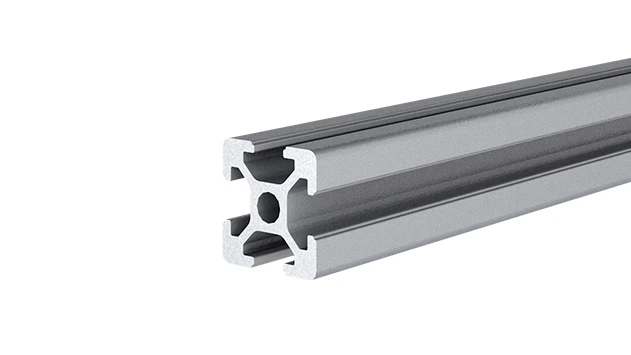
2020 is a 2.00 x 2.00CM fractional 20 series square extrusion T-slot profile with four open T-slots, one on each 2.00 face. The profile has align-a-grooves to assist in aligning connecting profiles.
If you've ever tackled a project using aluminum profiles, you know the thrill of turning raw materials into something functional—whether it's a sleek workbench for your garage, a custom storage rack for your workshop, or a frame for a DIY 3D printer enclosure. Among the most popular choices for such projects is the 2020 EU Standard Aluminum Profile. Lightweight yet surprisingly sturdy, with its signature T-slot design that makes attaching accessories a breeze, it's no wonder this profile has become a favorite for hobbyists, small manufacturers, and even industrial teams. But here's the thing: even the most reliable materials can throw curveballs during installation. Misaligned slots, loose joints, stubborn end caps—these issues can turn a satisfying build into a frustrating afternoon. That's where this guide comes in. We're diving into the most common installation headaches with 2020 EU Standard Aluminum Profiles, why they happen, and how to fix them—no fancy tools or years of experience required. Let's turn those "uh-oh" moments into "got it!" victories.
First Things First: What Makes the 2020 EU Standard Aluminum Profile Special?
Before we jump into troubleshooting, let's make sure we're all on the same page about what exactly we're working with. The "2020" in the name refers to its cross-sectional dimensions: 20mm by 20mm. That compact size makes it perfect for projects where space and weight matter, but don't let the small footprint fool you—its aluminum alloy construction (typically 6063-T5, for those who like specs) gives it impressive strength for its weight. The "EU Standard" part means it adheres to strict European manufacturing guidelines, ensuring consistent slot sizes, straightness, and material quality across suppliers.
What really sets this profile apart is its T-slots—those recessed channels running along its length. These slots are where the magic happens: they let you slide in bolts, nuts, and a whole range of aluminum profile accessories without drilling holes. From brackets and hinges to end caps and clamps, the right accessories turn a simple length of aluminum into a versatile building block. But as any builder will tell you, even the best-designed systems can hit snags when parts don't play nice together. Let's troubleshoot those snags.
Troubleshooting Common Installation Headaches
Issue 1: T-Slots That Just Won't Line Up
You've cut your 2020 EU Standard Aluminum Profile to length, laid out your pieces, and now you're ready to connect them with brackets. But when you try to slide a bolt through the T-slots of two joined profiles, it catches. Or worse, the holes in your bracket don't align with the slots at all. Sound familiar? Misaligned T-slots are hands down the most common frustration during installation—and they're rarely the profile's fault.
Why it happens: More often than not, misalignment stems from how the profile was cut or handled. If your cuts aren't perfectly square (even a tiny 1-degree angle off can throw things off), the ends of the profile won't meet flush, twisting the slots out of alignment. Another culprit? Bent or warped profiles. Aluminum is tough, but it's not indestructible—dropping a bundle during unboxing or storing profiles leaning against a wall for months can cause subtle bends you might not notice until assembly. Finally, using accessories that aren't designed for 2020 profiles (we're looking at you, generic "one-size-fits-all" brackets) can lead to slot mismatch, since slot widths and depths vary slightly between standards.
How to fix it: Start by checking your cuts. Lay the profile flat on a table and hold a straightedge against the cut end—if there's a gap between the straightedge and the profile, your cut is off. A quick pass with a file or sandpaper (80-grit works) can square things up. For minor bends, gently apply pressure with a rubber mallet while the profile is clamped to a workbench—go slow, and check straightness often (a carpenter's square or level helps here). If the bend is severe, it might be time to replace that piece—no amount of bending will fix a kink without weakening the aluminum.
When it comes to accessories, always double-check that they're labeled for "2020 EU Standard" use. Many suppliers sell kits with brackets specifically designed for this profile, which take the guesswork out of alignment. If you're mixing and matching parts, measure the slot width (EU 2020 slots are typically 6mm wide) and compare it to your accessory's bolt or nut size—too big, and it won't slide; too small, and it'll wobble.
Pro Tip:
Before finalizing your cuts, mark the T-slot positions on the profile. Use a pencil to draw a line across the end of the profile, aligning with the center of a T-slot. When cutting, aim to keep this line straight—this ensures the slot continues cleanly to the end, making alignment easier.
Issue 2: Loose or Wobbly Joints (Even After Tightening Everything)
You've aligned your T-slots, attached your brackets, and tightened the bolts until your fingers ache—but the joint still wobbles. A wobbly frame isn't just annoying; it can make your project unsafe, especially if you're building something like a workbench that needs to stay stable under pressure. The good news? Fixing loose joints usually comes down to using the right hardware and tightening techniques.
Why it happens: The biggest culprit here is using the wrong type of nut in the T-slot. "Standard" nuts can slip or rotate, even when tightened, because they don't grip the slot walls. Another issue is over-tightening (yes, that's a thing!). Aluminum is softer than steel, and cranking a bolt too hard can strip the threads in your bracket or even deform the T-slot, weakening the joint over time. Using worn or low-quality aluminum pipe clamps is another offender—clamps with bent or dull teeth won't bite into the profile, leaving joints loose.
How to fix it: Start with the right nut: invest in T-slot nuts (sometimes called "slider nuts") designed for 2020 profiles. These nuts have a spring-loaded or flanged design that locks them into the slot, preventing rotation when you tighten the bolt. When tightening, aim for "firm but not forceful"—you want the joint to feel snug, but stop when you feel resistance. If you're using aluminum pipe clamps, check that the teeth are clean and sharp (a quick wipe with a cloth removes dust that can prevent gripping). For extra security, add a drop of thread-locking fluid (like Loctite Blue) to the bolt threads—just don't overdo it, as you might need to disassemble the joint later.
Issue 3: 2020 Aluminum Profile End Caps That Pop Off or Won't Stay On
End caps might seem like a small detail, but they serve a big purpose: they cover sharp edges (no more sliced fingers!), keep dust and debris out of the T-slots, and give your project a polished, professional look. But there's nothing more frustrating than spending 10 minutes pressing an end cap onto a profile, only to have it pop off as soon as you move the piece. Or worse, the cap is so tight you can't get it on at all without bending it.
Why it happens: End caps are designed to fit snugly, but two things throw that fit off: damaged profile ends or the wrong cap size. If your profile's end was nicked during cutting (hello, burrs!) or dented during handling, the cap can't seat properly. On the flip side, if you accidentally bought end caps for a different profile size (say, 2020 vs. 3030), they'll either be too loose (and pop off) or too tight (and won't fit). Even debris in the T-slot—like metal shavings from cutting—can push the cap out of place.
How to fix it: First, prep the profile end. Use a deburring tool or fine-grit sandpaper to smooth any burrs or dents—this alone solves 90% of end cap issues. Next, check the cap size: make sure it's labeled "2020 aluminum profile end cap" (some suppliers list them as "20x20 end cap" for clarity). If the cap is still loose after prepping, a tiny dot of super glue (on the inside edge, not the T-slot!) can help, but go easy—you don't want to permanently bond it. If it's too tight, warm the cap slightly with a hair dryer (aluminum expands more than plastic, so the cap will flex a bit) and press firmly but evenly—start at one corner, then work your way around to avoid bending the cap.
Pro Tip:
Keep a pack of extra 2020 aluminum profile end caps on hand. They're cheap, and losing one mid-project is way more frustrating than it should be. Plus, having spares means you can replace caps that get cracked or discolored over time.
Issue 4: Accessories That "Almost" Fit—But Not Quite
You've ordered a set of brackets, hinges, or a workbench top designed for 2020 profiles, but when they arrive, something's off. The bracket's mounting holes are 2mm too wide, or the hinge won't slide into the T-slot because the flange is too thick. Compatibility issues are surprisingly common, especially when mixing accessories from different suppliers.
Why it happens: While the 2020 EU Standard ensures the profile itself is consistent, accessories can vary slightly in design. Some suppliers might size their brackets for a "tight" fit (great for stability but hard to adjust), while others go for a "loose" fit (easier to install but prone to wobble). Non-EU accessories are another risk—they might be designed for profiles with slightly different slot depths or widths, even if they're labeled "2020 compatible."
How to fix it: The simplest solution is to buy accessories from the same supplier as your profiles—most reputable suppliers design their parts to work together seamlessly. If you need to mix and match, check the accessory's specs before buying: look for measurements like "T-slot width compatibility" (should be 6mm for EU 2020) and "mounting hole spacing." For minor mismatches (like a bracket hole that's 1mm off), use washers to shim the gap or file the hole slightly (gently!) to it. For T-slot issues, try using a "universal" T-slot bolt with a wider head—it might bridge the gap between a slightly too-thick accessory and the slot.
Issue 5: Workbench Wobble (When Your 2020 Profile Frame Feels Unstable)
You've built your dream workbench using 2020 EU Standard Aluminum Profile—sanded the top, added a vice, organized your tools—and now you go to use it… and it wobbles. A wobbly workbench isn't just annoying; it's dangerous when you're using power tools or heavy materials. The good news is that with a few tweaks, you can turn a shaky frame into a rock-solid workspace.
Why it happens: Workbench wobble usually comes down to two things: insufficient bracing or uneven feet. 2020 profiles are strong, but a basic rectangular frame (four legs, two rails top and bottom) lacks diagonal stability—it'll twist under side-to-side pressure. Uneven feet are another culprit: if your floor isn't perfectly level (and whose is?), even a 1mm difference in leg length can make the whole bench rock. Overloading the bench beyond its weight capacity doesn't help either—2020 profiles are strong, but they're not meant for industrial-scale loads without reinforcement.
How to fix it: Add diagonal bracing—this is the single most effective way to stiffen a frame. Cut two lengths of 2020 profile and mount them diagonally across the corners of your bench frame (top rail to bottom rail, on both sides). Use angle brackets to attach them securely. For uneven feet, swap out fixed feet for adjustable leveling feet (another handy aluminum profile accessory!). These let you tweak each leg's height until the bench sits flat. Finally, check your weight distribution: keep heavy tools and materials centered on the bench, not hanging off the edges, to reduce stress on the frame.

Troubleshooting Quick-Reference Table
| Issue | Common Cause | Fix | Pro Tip |
|---|---|---|---|
| Misaligned T-slots | Uneven cuts or bent profiles | Sand cut ends square; straighten bent profiles with a mallet | Mark slot positions before cutting to keep alignment |
| Loose joints | Wrong nuts or over-tightening | Use T-slot nuts; tighten to "firm but not forceful" | Add thread-locking fluid for extra security |
| End caps popping off | Burred ends or wrong cap size | Deburr ends; use 2020-specific end caps | Store profiles with caps to prevent debris in slots |
| Accessory compatibility | Mismatched specs from different suppliers | Buy from the same supplier; shim gaps with washers | Check T-slot width (6mm) before buying accessories |
| Wobbly workbench | Insufficient bracing or uneven feet | Add diagonal bracing; use adjustable leveling feet | Keep heavy items centered to reduce frame stress |
Proactive Steps to Avoid Issues Altogether
They say an ounce of prevention is worth a pound of cure, and that's especially true when working with 2020 EU Standard Aluminum Profile. Here are a few habits to adopt to keep installation smooth:
- Buy from reputable suppliers: Stick to suppliers who specialize in EU Standard profiles and accessories—they're more likely to have strict quality control.
- Inspect profiles on arrival: Unbox carefully and check for bends, dents, or burrs. Most suppliers will replace damaged pieces if you report them quickly.
- Invest in good tools: A quality miter saw with a non-ferrous metal blade (for clean cuts), a deburring tool, and a set of hex keys (metric, of course!) will save hours of frustration.
- Plan your build first: Sketch your design and list all accessories needed before starting. This avoids last-minute trips to the store (and mismatched parts).
Final Thoughts: Turn Frustration into Confidence
Installing 2020 EU Standard Aluminum Profile should be rewarding, not stressful. By understanding common issues like misaligned slots, loose joints, and finicky end caps—and how to fix them—you'll be able to tackle projects with confidence. Remember, even seasoned builders run into these problems; the difference is knowing how to troubleshoot. With the right tools, a little patience, and the tips in this guide, you'll turn those "why isn't this working?!" moments into "I built this!" pride. So grab your profiles, your aluminum profile accessories, and get building—your next project (and your future self) will thank you.