- Company Articles
- Products and Technology
- Installation And Maintenance
- Troubleshooting Loose Connections: Fixing Two Way Aluminum Pipe Joint Issues

Troubleshooting Loose Connections: Fixing Two Way Aluminum Pipe Joint Issues
Related Product
Two Way Aluminum Pipe Joint
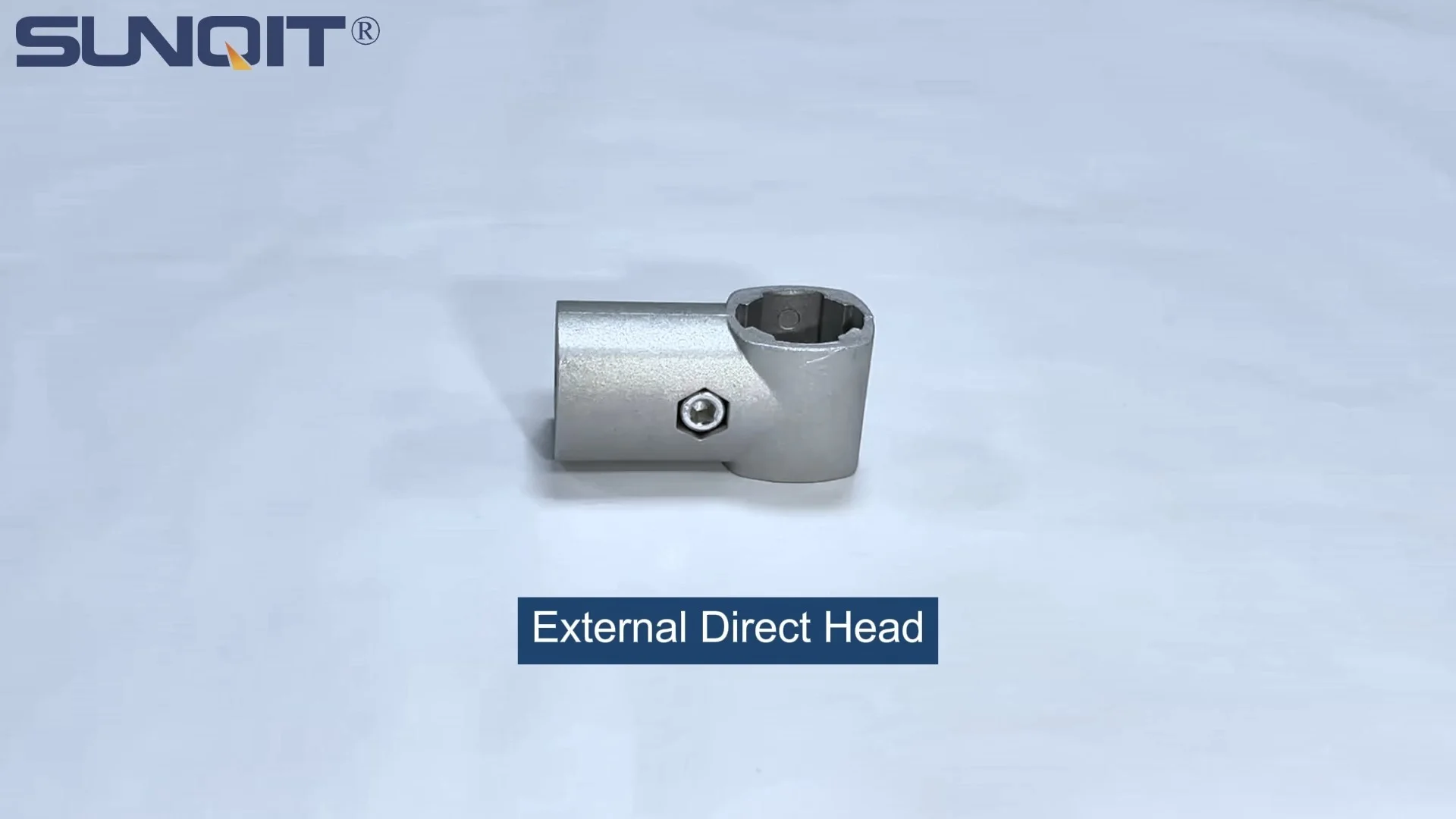
Aluminum 2 way pipe joint for 28mm aluminum pipe connection in 2 direction.
In the bustling world of manufacturing and assembly, where every second counts and precision is non-negotiable, the smallest components often play the biggest roles. Think about the workbench where your team assembles delicate electronics, the roller track that moves parts across the factory floor, or the aluminum profile structures that organize your workspace. These systems don't just magically hold themselves together—they rely on a network of joints, clamps, and connectors. Among these unsung heroes, the two way aluminum pipe joint stands out as a quiet workhorse. It's the link that turns individual aluminum pipes into sturdy workbenches, flexible material racks, and efficient roller tracks. But what happens when this critical link starts to loosen? Suddenly, that steady workbench wobbles, parts slide off misaligned roller tracks, and your once-smooth workflow grinds to a halt. Loose connections aren't just a nuisance—they're a risk to productivity, safety, and your bottom line. In this guide, we'll walk through why two way aluminum pipe joints loosen, how to troubleshoot the problem, and the steps to fix and prevent it for good. Let's dive in.
Understanding the Two Way Aluminum Pipe Joint: The Backbone of Modular Systems
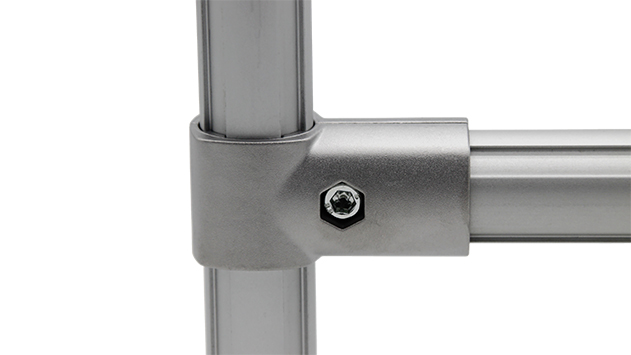
Before we jump into troubleshooting, let's take a moment to appreciate what a two way aluminum pipe joint actually does. Imagine building with LEGO blocks, but on an industrial scale. Aluminum pipes are the "bricks," and joints are the "studs" that hold them together. A two way aluminum pipe joint, as the name suggests, connects two aluminum pipes at a specific angle—most commonly 90 degrees, though some designs allow for adjustments. It's a simple concept, but its impact is huge. These joints are the reason aluminum profile systems are so popular: they're modular, customizable, and easy to reconfigure as your needs change. Need a taller workbench? Swap out a short pipe for a longer one using the same joint. Want to add a side shelf to your roller track? Just connect a new pipe with a two way joint.
But here's the thing: unlike fixed welds, two way aluminum pipe joints are designed to be disassembled and reassembled. That flexibility is a blessing for adaptability, but it also means they're more prone to loosening over time. Every time someone bumps the workbench, every vibration from a nearby machine, every time a heavy part slides across the roller track—all of these forces put stress on the joint. Over weeks or months, that stress can cause the connection to weaken. And when it does, the whole system suffers. So, whether you're using these joints in a small workshop or a large-scale production line, understanding their role is the first step in keeping them tight and reliable.
Common Causes of Loose Two Way Aluminum Pipe Joints: Why They Fail
Loose joints don't happen randomly. They're usually the result of a combination of factors, from wear and tear to human error. Let's break down the most common culprits:
1. Wear and Tear on Aluminum Pipe Accessories
Even the sturdiest parts wear out over time, and two way aluminum pipe joints are no exception. Many joints rely on small aluminum pipe accessories like washers, bolts, or plastic inserts to create a tight grip. Every time you tighten or loosen the joint (during setup, reconfiguration, or maintenance), these accessories rub against the pipe and the joint itself. Over months of use, the threads on a bolt might strip, a washer could compress permanently, or the plastic insert that adds friction might wear thin. Once these accessories fail, the joint loses its ability to hold the pipes firmly. For example, if the bolt in your joint is stripped, no matter how hard you twist it, it won't create enough pressure to keep the pipes from wiggling.
2. Improper Installation: When "Good Enough" Isn't Enough
We've all been there: rushing to set up a new workbench or reconfigure a roller track to meet a deadline. In the hurry, you might tighten the joint "just enough" and call it a day. But "just enough" often isn't enough. Two way aluminum pipe joints require precise tightening—too loose, and they'll wobble; too tight, and you risk stripping the threads or cracking the joint. Even a quarter-turn difference can mean the difference between a secure connection and a loose one. Misalignment is another installation issue. If the two pipes aren't perfectly straight or at the correct angle when you attach the joint, the stress of the misfit will gradually pull the connection apart. It's like trying to fit a square peg into a round hole—eventually, the pressure wins.
3. Environmental Factors: Vibration, Temperature, and More
Your workshop or factory isn't a calm, static environment. Machinery hums, tools clang, and parts are dropped—all of which create vibrations. These vibrations act like a silent enemy to your two way joints. Every shake sends tiny shocks through the aluminum pipes, gradually loosening the bolts or wearing down the friction between the joint and the pipe. Temperature changes don't help either. Aluminum expands when it's hot and contracts when it's cold. If your workspace has extreme temperature swings (like a warehouse that's sweltering in summer and freezing in winter), the pipes and joints expand and contract at slightly different rates, weakening the connection over time. Even humidity can play a role, causing small amounts of rust or corrosion on metal components, which eats away at the joint's grip.
4. Low-Quality Materials: You Get What You Pay For
Not all two way aluminum pipe joints are created equal. If you've ever opted for the cheapest option when ordering aluminum profile or joints, you might be paying for it now. Low-quality joints are often made with thinner aluminum or softer metals that bend or strip easily. Their threads might be poorly cut, making it impossible to get a tight seal. Even the aluminum pipe accessories that come with cheap joints—like flimsy bolts or brittle plastic inserts—are more likely to fail early. Investing in high-quality materials might cost a bit more upfront, but it saves you from constant repairs and replacements down the line. When it comes to joints, durability matters.
Troubleshooting Loose Two Way Aluminum Pipe Joints: Step-by-Step
Now that we know why joints loosen, let's talk about how to find the problem. Troubleshooting loose connections isn't about guessing—it's about methodically checking for signs and narrowing down the cause. Here's how to do it:
Step 1: Visual Inspection – Look for the Obvious
Start with your eyes. Walk around the affected structure—whether it's a workbench, roller track, or material rack—and give the two way aluminum pipe joint a close look. Are there any visible cracks or dents in the joint itself? Is the paint chipped or worn off in spots, which could indicate friction from movement? Check the aluminum pipe accessories, too: are the bolts bent, the washers flattened, or the plastic inserts cracked? Rust or corrosion is another red flag, especially if you work in a humid environment. Even small signs of damage can point to a loose connection. For example, if you notice a hairline crack in the joint, it's probably no longer strong enough to hold the pipes together, even if it feels tight at first.
Step 2: The Wiggle Test – Feel for Looseness
Sometimes, the easiest way to check for a loose joint is to give it a gentle wiggle. Place one hand on each connected pipe and try to move them back and forth or side to side. A secure joint should feel solid—no movement, no creaking, no "give." If you feel even a slight wobble, that's a sign the joint is loose. Pay attention to how it moves: is it a small, subtle shake, or a large, noticeable shift? A small shake might mean the bolt just needs tightening; a large shift could indicate misalignment or a worn-out joint. Be careful not to apply too much force—you don't want to make the problem worse or hurt yourself if the joint suddenly gives way.
Step 3: Check for Misalignment – Are the Pipes Pointing the Right Way?
Grab a level or a straightedge and check if the connected pipes are aligned properly. For a 90-degree joint, the two pipes should form a perfect right angle. If one pipe is tilted even slightly, the joint is under stress, which will cause it to loosen over time. Misalignment is often easiest to spot on horizontal surfaces like workbenches. Place the level on the workbench top—if it tilts to one side, the joints holding up the legs might be misaligned. On roller tracks, misalignment can cause parts to slide off or get stuck. Run a test part down the track; if it veers to one side, check the joints along the track for angled pipes.
Step 4: Inspect the Accessories – The Little Parts That Matter
Don't forget to check the aluminum pipe accessories that come with your joint. Bolts, washers, clamps, and plastic inserts are all part of the connection system. If the bolt is stripped (you turn it, but it doesn't tighten), that's a clear issue. If the washer is cracked or flattened, it's no longer distributing pressure evenly, which can loosen the joint. Even missing accessories are a problem—maybe someone forgot to reinstall a washer during a previous reconfiguration. Take a moment to compare the loose joint to a secure one elsewhere in your setup. Are all the accessories present? Do they look worn in comparison? This can help you spot what's missing or damaged.

Fixing Loose Two Way Aluminum Pipe Joints: From Quick Fixes to Long-Term Solutions
Now that you've identified the problem, it's time to fix it. The solution will depend on the cause—whether it's a loose bolt, worn accessories, misalignment, or a damaged joint. Here are the most common fixes, from quick tweaks to full replacements:
Quick Fix: Re-Tighten the Joint (But Do It Right)
If the joint is just loose (no damage, no misalignment), the fix might be as simple as tightening the bolt. But don't grab the nearest wrench and yank—over-tightening is just as bad as under-tightening. Use the right tool for the job: most two way aluminum pipe joints use hex bolts, so a hex key (Allen wrench) or socket wrench is best. Turn the bolt slowly, applying steady pressure, until you feel resistance. Then, give it a quarter-turn more—this is usually enough to secure the joint without stripping the threads. If the bolt spins freely without tightening, it's stripped and needs to be replaced. Pro tip: If the joint is in a high-vibration area (like near a loud machine), apply a small amount of thread locker (blue, not red—red is permanent) to the bolt threads before tightening. This will help prevent future loosening from vibrations.
replace Worn Aluminum Pipe Accessories
If the problem is a stripped bolt, cracked washer, or worn plastic insert, replace the accessory. This is often cheaper and faster than replacing the entire joint. Most aluminum profile suppliers sell replacement accessories individually, so you don't have to buy a whole new joint set. When replacing, make sure to use the correct size and type—using a bolt that's too long or too short can cause new problems. For example, a bolt that's too long might poke through the other side of the joint and scratch parts on your workbench. A bolt that's too short won't grip the threads properly, leading to—you guessed it—another loose joint.
Realign the Pipes for a Stress-Free Connection
Misaligned pipes need to be straightened before reattaching the joint. Loosen the joint completely, then adjust the pipes until they're at the correct angle (use a level or protractor to check). Once aligned, re-tighten the joint slowly, alternating between the bolts if there are multiple, to ensure even pressure. For example, if your workbench leg is tilted, loosen the joint connecting the leg to the frame, straighten the leg with the level, then tighten the joint. You might need a helper to hold the pipe steady while you tighten—this ensures the alignment doesn't shift mid-tightening.
replace the Joint – When All Else Fails
If the joint itself is cracked, bent, or otherwise damaged, it's time to replace it. This is rare with high-quality aluminum profile joints, but it can happen with low-quality ones or after years of heavy use. To replace, loosen and remove the old joint, then attach the new one following the manufacturer's instructions. When buying a new joint, stick to the same brand or model as your existing system—different brands might have slightly different dimensions, leading to misalignment. If you're unsure which joint to buy, check the part number on the old joint or contact your aluminum profile supplier for help.

Troubleshooting Table: Common Symptoms and Solutions
| Symptom | Possible Cause | Quick Fix |
|---|---|---|
| Joint wobbles when touched | Under-tightened bolt or worn washer | Tighten bolt with hex key; replace washer if flattened |
| Bolt spins without tightening | Stripped threads on bolt or joint | replace bolt with new one of same size |
| Workbench tilts to one side | Misaligned pipes or bent joint | Loosen joint, realign pipes with level, re-tighten |
| Parts slide off roller track | Misaligned joints along track | Check each joint with straightedge, realign as needed |
| Crack in joint body | Over-tightening or low-quality material | replace entire joint with new one |
Preventing Loose Joints: Keep Your System Tight for the Long Haul
Fixing a loose joint is important, but preventing it from happening again is even better. With a few simple habits, you can keep your two way aluminum pipe joints tight and your workflow smooth. Here's how:
1. Schedule Regular Maintenance Checks
Set a calendar reminder to inspect your joints, workbenches, and roller tracks on a regular schedule. How often? It depends on use: high-traffic areas like assembly line workbenches or busy roller tracks might need weekly checks, while less-used systems can be checked monthly. During each check, do the wiggle test, inspect for damage, and tighten any slightly loose bolts. Catching a loose joint early is much easier than fixing a completely failed one.
2. Train Your Team on Proper Installation
A loose joint is often the result of human error during setup. Take 10 minutes to train your team on how to properly install and tighten two way aluminum pipe joints. Show them the "quarter-turn after resistance" rule, how to use a level for alignment, and why over-tightening is bad. Even experienced team members can benefit from a refresher. You might also create a quick reference guide with photos of properly installed joints and common mistakes to avoid.
3. Invest in Quality: Choose the Right Supplier
This can't be overstated: high-quality aluminum profile and two way aluminum pipe joints are worth the investment. Cheap joints bend, strip, and wear out quickly, costing you more in replacements and downtime. Look for suppliers who specialize in industrial-grade aluminum systems and offer warranties on their products. Ask about the material thickness of the joints, the quality of the threads, and the durability of the aluminum pipe accessories. A reputable supplier will be happy to answer these questions and provide samples if needed.
4. Control the Environment: Reduce Vibration and Temperature Swings
If possible, move high-vibration machinery away from workbenches and roller tracks. If that's not possible, use vibration-dampening pads under the machinery or under the legs of nearby workbenches. These pads absorb shocks, reducing the stress on joints. For temperature control, insulate your workspace or use fans/heaters to keep temperatures stable. Even small steps, like closing windows during extreme weather, can help prevent aluminum expansion and contraction.
5. Label and Document Your Joints
This might sound over-the-top, but labeling joints that are prone to loosening (like those on heavy-use workbenches) can help your team focus their maintenance efforts. Use a small tag or marker to note "Check weekly" on high-priority joints. You can also document when joints were last tightened or replaced in a simple logbook or digital spreadsheet. This way, you'll have a history of the joint's performance and can spot patterns (e.g., "Joint #5 loosens every month—maybe it needs a new bolt?").
Case Study: How One Factory Fixed Loose Joints and Boosted Productivity
Let's put this all into context with a real-world example. A mid-sized electronics manufacturer in Ohio was struggling with their assembly line workbenches. The team had noticed that the workbenches were wobbling more and more, leading to dropped parts and slower assembly times. At first, they thought it was just "normal wear and tear" and tightened the joints when they could. But the problem kept coming back, and one day, a technician dropped a sensitive circuit board, costing the company $500 in parts and an hour of downtime. That's when they decided to take action.
The maintenance team started by inspecting the workbenches. They used the wiggle test and found that the two way aluminum pipe joints connecting the legs to the table frame were loose on almost every bench. Some bolts were stripped, and others had worn washers. They also noticed that the workbenches were near a large conveyor system, which created constant vibrations. The team replaced the stripped bolts and worn washers, tightened all joints using the "quarter-turn after resistance" method, and added vibration-dampening pads under the workbench legs. They also scheduled weekly checks for the joints and trained the assembly team on how to spot early signs of looseness.
The results? In the first month after the fix, dropped parts decreased by 75%, and assembly time per unit improved by 10 minutes. The team no longer wasted time re-tightening joints multiple times a week, and morale improved because the workbenches felt stable and safe. The manufacturer estimates that the initial investment in new bolts, pads, and training paid for itself in less than two months.
Conclusion: Tight Joints, Tight Workflow
Loose two way aluminum pipe joints might seem like a small problem, but as we've seen, they can have big consequences. From wobbly workbenches to misaligned roller tracks, loose connections disrupt your workflow, waste time, and put your team at risk. But the good news is that they're fixable—and preventable. By understanding why joints loosen (wear, installation errors, environment, low quality), troubleshooting systematically (visual checks, wiggle tests, alignment checks), and taking steps to fix and prevent (tightening, replacing accessories, training, quality materials), you can keep your aluminum profile systems strong and reliable.
Remember, the key is to be proactive. Don't wait for a joint to fail—inspect regularly, train your team, and invest in quality. Your workbench, your roller track, and your bottom line will thank you. Now, go give those joints a check—your next productive day starts with a tight connection.