- Company Articles
- Products and Technology
- Installation And Maintenance
- Troubleshooting Loose Four Way Straight Lean Pipe Joint: Quick Fixes for Production Lines

Troubleshooting Loose Four Way Straight Lean Pipe Joint: Quick Fixes for Production Lines
Related Product
Four Way Straight Lean Pipe Joint
Four way lean pipe joint for 4 pcs 28MM lean pipe connection in straight angle, which used widely in workbench, flow rack, hand trolley frame connection.
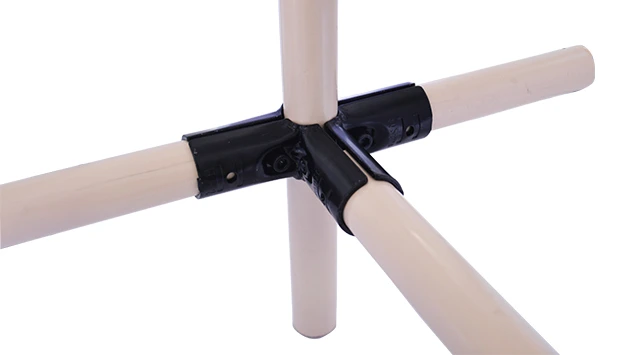
In the fast-paced world of production assemble, every second counts. The smooth flow of materials, the stability of workbenches, and the reliability of material racks all hinge on one often-overlooked component: the lean pipe joint. Among these, the four way straight lean pipe joint is a workhorse, connecting multiple pipes to form sturdy structures like flow racks, conveyor systems, and ESD workstations. But when this small yet critical part loosens, it can send ripples of disruption through your entire operation—slowing down workflows, compromising safety, and even damaging products. Today, we're diving into why these joints loosen, how to troubleshoot them quickly, and the proactive steps you can take to keep your lean system running like clockwork.
Understanding the Four Way Straight Lean Pipe Joint: A Backbone of Lean Systems
Before we jump into fixes, let's get to know the star of the show: the four way straight lean pipe joint. This unassuming component is the glue that holds your lean pipe structures together. Designed to connect four pipes in a straight or perpendicular layout, it's the reason your workbench stays level, your flow rack maintains its shape, and your turnover trolley glides without wobbling. Whether you're building a simple material rack B (3 row and 3 floor) or a complex conveyor system, this joint distributes weight evenly and keeps components aligned—key for maintaining the efficiency that lean systems are known for.
But here's the thing: not all four way straight lean pipe joints are created equal. The ones from a reputable lean pipe supplier are made with precision, using high-grade materials that resist wear and corrosion. Cheap knockoffs, on the other hand, might save you a few dollars upfront but will loosen faster, leaving you with wobbly structures and frequent repairs. That's why choosing the right lean pipe and accessories matters—more on that later.
Why Do Four Way Straight Lean Pipe Joints Loosen? The Hidden Culprits
Loose joints don't happen overnight. They're often the result of a perfect storm of small, daily stresses. Let's break down the most common causes you might encounter on your production floor:
1. Wear and Tear from Constant Motion
Production lines are busy places. Every time a worker loads a turnover trolley, adjusts a workbench, or slides materials along a roller track, the four way joint takes a little hit. Over weeks and months, this repeated stress can loosen bolts, wear down internal components, or even bend the joint itself. If your facility runs 24/7, this wear accelerates—making regular checks non-negotiable.
2. Improper Installation
Even the best lean pipe joint won't hold if it's installed wrong. Maybe the bolts were tightened by hand instead of with a torque wrench, leaving them under-torqued. Or perhaps the installer skipped a step, like adding a washer between the joint and pipe. These small mistakes add up. Over time, the joint shifts, gaps form, and suddenly your once-sturdy material rack is leaning to one side.
3. Overloading the Structure
We've all been there: deadlines loom, and you pile more materials onto a flow rack than it's designed for. While lean systems are built to be flexible, they're not indestructible. Excess weight puts extra pressure on the four way joint, causing it to deform or loosen. If you notice your workbench sagging in the middle or a conveyor tilting, overloading might be the culprit.
4. Environmental Factors
Dust, moisture, and temperature swings are silent enemies of lean pipe joints. In factories with high humidity, metal components can rust, weakening the joint's grip. In cold environments, materials contract, creating gaps; in hot ones, they expand, then shrink again as they cool—loosening bolts over time. Even something as simple as oil or chemical spills can corrode plastic or rubber parts of the joint.
5. Low-Quality Components
Not all lean pipe suppliers are the same. If you sourced your joints from a supplier cutting corners, you might be using joints made with cheap metal or flimsy plastic parts. These wear faster, strip easier, and loosen long before their higher-quality counterparts. It's tempting to save money here, but the cost of downtime later will always be higher.

The Cost of Ignoring a Loose Joint: More Than Just a Wobble
You might be thinking, "It's just a little loose—can't we ignore it for a week?" Unfortunately, loose four way straight lean pipe joints have a way of turning small problems into big headaches. Here's what's at stake:
- Safety Risks: A wobbly workbench or leaning flow rack can collapse, injuring workers or damaging products. ESD workstations, which protect sensitive electronics from static, rely on stable structures—loose joints could compromise that protection.
- Production Delays: When a joint loosens, the entire structure becomes unstable. You might have to stop the line to fix it, or workers slow down to avoid accidents. Over a month, those minutes add up to hours of lost productivity.
- Increased Waste: Misaligned roller tracks or uneven workbenches lead to jams, dropped materials, and scrapped products. Lean systems are all about reducing waste—but a loose joint turns that goal on its head.
- Higher Repair Costs: A quick tighten today might cost $5 in labor. Wait until the joint cracks, and you're looking at replacing the joint, pipes, and possibly damaged accessories—easily $100 or more. Plus, the longer you wait, the more other components wear from the instability.

Troubleshooting 101: How to Diagnose a Loose Four Way Straight Lean Pipe Joint
Before you grab a wrench, you need to confirm the joint is the problem. Here's a step-by-step guide to troubleshooting like a pro:
Step 1: Visual Inspection
Start with your eyes. Walk around the structure and look for:
- Gaps between the pipe and joint (even a 1mm gap means trouble).
- Bent or misaligned pipes (a sign the joint is failing to hold them straight).
- Rust, cracks, or chipped paint on the joint (indicates wear or corrosion).
- Loose or missing bolts (check all sides of the four way joint—they're easy to overlook).
Step 2: The "Shake Test"
Gently push or shake the structure at the joint. A healthy joint should feel solid, with minimal movement. If it wobbles, creaks, or shifts more than 1-2cm, it's loose. For taller structures like material racks, have a colleague hold the base while you test the top—safety first!
Step 3: Check for Load-Related Issues
Remove all materials from the structure and test the joint again. If it stabilizes, overloading was likely the cause. If it's still loose, the problem is with the joint itself (wear, installation, etc.).
Step 4: Inspect Connected Components
Sometimes the joint is fine, but the pipes or accessories are faulty. Check if the lean pipe is bent (use a level to confirm straightness) or if the roller track placon mount is cracked. A damaged pipe can't seat properly in the joint, mimicking a loose joint issue.
Quick Fixes: How to Tighten, Repair, or replace a Loose Joint
Once you've diagnosed the problem, it's time to fix it. Here are your go-to solutions, from temporary band-aids to permanent repairs:
| Cause of Looseness | Quick Fix | Tools Needed | Duration |
|---|---|---|---|
| Under-torqued bolts | Tighten bolts to manufacturer specs (usually 8-10 Nm for steel joints) | Torque wrench, hex key set | 5-10 minutes |
| Worn bolt threads | replace bolts with new ones (match size and material) | Hex key, replacement bolts (from your lean pipe accessories kit) | 10-15 minutes |
| Damaged joint components (e.g., cracked plastic parts) | Swap in a new four way straight lean pipe joint | Socket set, torque wrench, new joint | 20-30 minutes |
| Corroded joint | Clean with a wire brush, apply anti-corrosion spray, then tighten | Wire brush, anti-corrosion spray, torque wrench | 15-20 minutes |
| Overloading (temporary fix) | Redistribute weight, add a support brace using aluminum profile accessories | Lean pipe, aluminum guide rail, brackets | 30-45 minutes |
Pro Tip: When to replace vs. Repair
If the joint is cracked, bent, or has significant rust, replace it—repairs will only be temporary. A quality four way straight lean pipe joint from a trusted supplier (like the ones we'll discuss later) costs $15-$30, which is cheaper than the downtime from a repeat failure.
Preventive Maintenance: Keep Joints Tight for the Long Haul
Fixing a loose joint is reactive. The real win is preventing it from happening in the first place. Here's how to build a maintenance routine that keeps your lean system joints tight:
1. Schedule Weekly "Joint Checks"
Assign a team member to inspect critical joints (focus on high-traffic areas like workbenches and flow racks) every week. Use a checklist to note torque levels, signs of wear, and any loose components. Over time, you'll spot patterns—like joints near the conveyor always loosening faster—and adjust accordingly.
2. Lubricate Moving Parts
Many lean pipe joints (especially internal rotation or swivel types) have moving components that need lubrication. Use a dry lubricant (like graphite spray) to reduce friction—avoid oil-based lubes, which attract dust. Do this every 3 months, or more often in dusty environments.
3. Train Your Team to Spot Issues
Your frontline workers see loose joints first. Teach them to recognize the signs: wobbling structures, unusual noises, or materials getting stuck. Create a simple reporting system (a quick Slack message or a physical logbook) so issues get flagged before they escalate.
4. Invest in Quality from the Start
The best maintenance can't save a cheap joint. When sourcing from a lean pipe supplier, ask about material grades (steel vs. aluminum), torque specs, and durability testing. A joint made with high-strength steel or aluminum lean pipe will last 2-3 times longer than a low-quality alternative.
Choosing the Right Lean Pipe Supplier: Why Quality Joints Matter
We've talked a lot about fixing and maintaining joints, but the foundation of a stable lean system is choosing the right supplier. Here's what to look for:
1. A Wide Range of Accessories
A good supplier doesn't just sell four way joints—they offer the full ecosystem: bolts, washers, pipe end caps, and even specialty parts like roller track placon mount connectors. This ensures compatibility and saves you from hunting down mismatched components.
2. Transparent Quality Standards
Ask for test reports or certifications. Reputable suppliers will share details like load capacity, corrosion resistance, and bolt torque specs. If a supplier can't tell you how much weight their four way joint holds, walk away.
3. Responsive Customer Support
When a joint fails at 2 AM, you need help fast. Look for suppliers with 24/7 support or local warehouses for quick replacements. A supplier that offers installation guidance or maintenance tips is even better—they're invested in your success, not just a sale.
Case Study: How One Factory Fixed Loose Joints and Boosted Efficiency
Let's put this all into context with a real example. A mid-sized electronics manufacturer was struggling with frequent jams on their ESD workstation line. Products would get stuck on the roller track, causing delays and occasional damage to circuit boards. After weeks of frustration, their maintenance team decided to inspect the four way straight lean pipe joints holding up the track.
What they found: three out of five joints were loose, causing the track to sag in the middle. The culprit? The original installer had used hand tools instead of torque wrenches, and the daily vibration from nearby conveyors had loosened the bolts over time. They tightened the joints to specs, added a support brace using aluminum profile accessories, and scheduled weekly checks.
The result? Zero jams in the next month, and a 15% increase in line speed. Plus, by switching to a higher-quality four way joint from a trusted lean pipe supplier, they've avoided repeat issues for over a year.
Conclusion: Small Joints, Big Impact
Loose four way straight lean pipe joints might seem like a minor annoyance, but they're a window into the health of your entire lean system. By troubleshooting quickly, fixing proactively, and investing in quality components, you'll keep your production line running smoothly, your workers safe, and your bottom line strong.
Remember: lean manufacturing is about continuous improvement. Every time you tighten a joint, train a team member, or choose a better supplier, you're moving one step closer to that perfect, efficient workflow. So grab your torque wrench, start inspecting those joints, and watch your production line thrive.