- Company Articles
- Products and Technology
- Installation And Maintenance
- Troubleshooting Loose Lean Pipe Fixed Clamps: Expert Solutions

Troubleshooting Loose Lean Pipe Fixed Clamps: Expert Solutions
Related Product
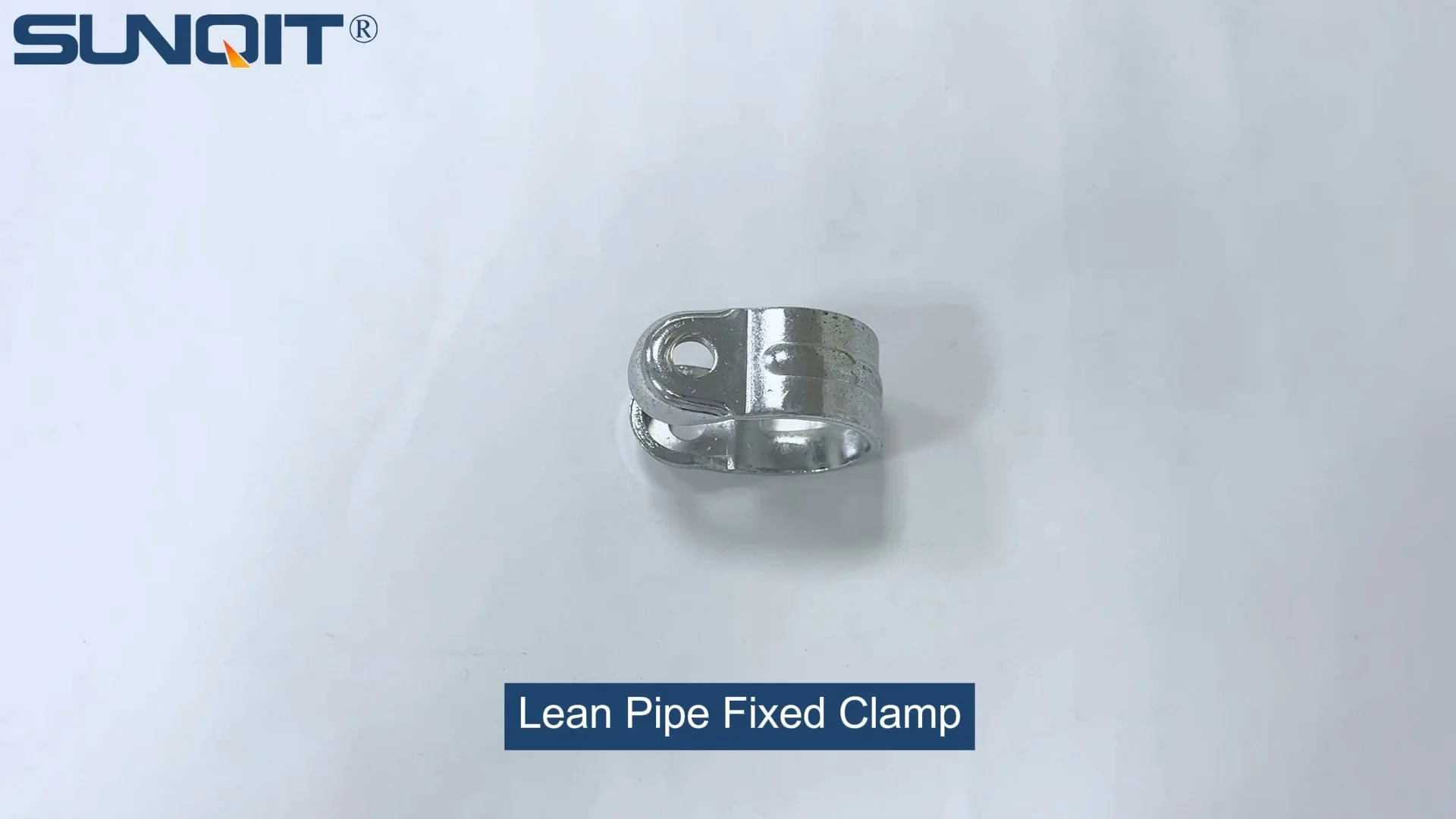
Lean Pipe Fixed Clamp
Lean pipe fixed clamp is used for pipe connector fixing the correct position during workbench flow rack hand trolley assemble work.
In the fast-paced world of manufacturing and production, efficiency isn't just a goal—it's the backbone of success. At the heart of many streamlined operations lies the lean system, a framework designed to minimize waste and maximize productivity. Central to this system are lean pipes and their components, which form everything from workbenches and flow racks to conveyor systems and turnover trolleys. Yet, even the most well-designed lean systems can hit a snag when a critical component fails: the lean pipe fixed clamp. These small but mighty connectors hold the entire structure together, and when they loosen, the consequences ripple through the production line—delays, safety risks, and disrupted workflows. Let's dive into why these clamps loosen, how to spot the signs, and the expert solutions that will keep your lean system running smoothly.
Understanding Lean Pipe Fixed Clamps: The Unsung Heroes of Lean Systems
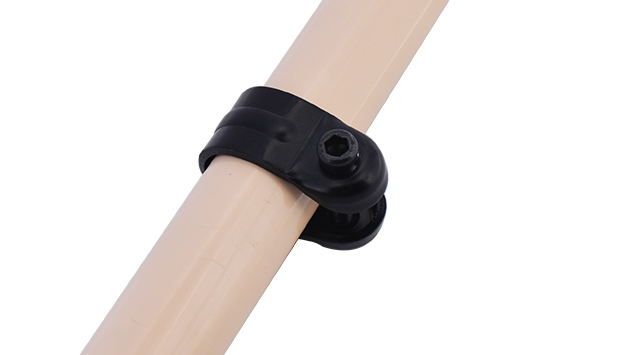
Before we troubleshoot, let's get clear on what lean pipe fixed clamps are and why they matter. Lean pipes—often made of steel, aluminum, or PE-coated materials—are lightweight, durable tubes used to build modular structures in production environments. These pipes are connected using joints and clamps, with fixed clamps serving as the "glue" that keeps connections stable. Unlike rotating or adjustable joints, fixed clamps lock pipes into place at specific angles (like 45°, 90°, or 180°), ensuring the structure remains rigid under the stress of daily use.
Consider a typical workbench in an electronics assembly line. Its frame is likely constructed from lean pipes, held together by fixed clamps at each corner. These clamps bear the weight of tools, components, and workers, all while absorbing vibrations from nearby machinery. Over time, this constant stress can take a toll, making it essential to understand not just how clamps work, but why they might fail.
Why Do Lean Pipe Fixed Clamps Loosen? Common Culprits
Loose clamps rarely happen overnight. They're often the result of a combination of factors, many of which are tied to the daily demands of production assemble and the environment in which the lean system operates. Let's break down the most common causes:
1. Vibration Fatigue from Production Activity
Manufacturing floors are alive with motion—conveyors hum, robots move, and tools vibrate. All this activity sends subtle but persistent vibrations through the lean system. Over weeks and months, these vibrations can cause the bolts or screws in fixed clamps to gradually back out, a phenomenon known as "vibration loosening." This is especially common in areas near heavy machinery or high-traffic assembly stations, where the frequency and intensity of vibrations are highest.
2. Improper Installation and Torque
Even the best lean pipe fixed clamps will fail if installed incorrectly. A common mistake is either over-tightening or under-tightening the clamp's fasteners. Under-tightening leaves the connection loose from the start, while over-tightening can strip threads, warp the clamp, or damage the lean pipe itself—weakening the joint over time. Without a torque wrench to ensure precise tension, installers often rely on "feel," which is inconsistent and error-prone.
3. Wear and Tear on Clamp Components
Lean pipe fixed clamps are built to last, but they're not indestructible. The constant pressure of holding pipes together, combined with occasional impacts (like a worker bumping into a trolley), can wear down critical components. Threads on bolts may become stripped, plastic or rubber gaskets (if present) can degrade, and metal parts may corrode—especially in humid or dusty environments. Over time, these small flaws add up, reducing the clamp's ability to grip the pipe securely.
4. Overloading the Lean Structure
Lean systems are designed with specific weight limits in mind. When a workbench, flow rack, or trolley is loaded beyond its capacity, the stress on fixed clamps increases dramatically. For example, a material rack b (3 row and 3 floor) rated for 500 lbs might start to strain if loaded with 700 lbs of parts. The extra weight pulls on the clamps, causing them to stretch, bend, or loosen as they struggle to maintain structural integrity.
5. Environmental Factors: Corrosion and Temperature Swings
Factories are rarely climate-controlled utopias. High humidity, exposure to chemicals, or even temperature fluctuations can take a toll on lean pipe fixed clamps. Metal clamps (like stainless steel or chrome-plated variants) may corrode, weakening their grip. In extreme cases, temperature swings cause materials to expand and contract—pipes grow slightly in heat and shrink in cold—gradually loosening the clamp's hold.
Signs Your Lean Pipe Fixed Clamps Are Loosening: Don't Ignore These Red Flags
Catching a loose clamp early can prevent costly downtime and safety hazards. The key is to recognize the warning signs before they escalate. Here are the most common indicators that your lean pipe fixed clamps need attention:
| Sign | What It Means | Urgency |
|---|---|---|
| Visible gaps between the clamp and pipe | The clamp has shifted and is no longer fully gripping the pipe. | High |
| Rattling or creaking sounds during operation | Loose clamps vibrate against pipes, creating noise. | Medium |
| Wobbling workbench or flow rack | Multiple clamps may be loose, compromising structural stability. | High |
| Clamp rotates when touched | Fasteners are significantly loosened, allowing the clamp to spin freely. | High |
| Corrosion or rust on clamp surfaces | Environmental damage has weakened the clamp's material. | Medium |
Other signs include misaligned roller tracks (where materials no longer slide smoothly), difficulty moving turnover trolleys (due to uneven weight distribution from loose clamps), and even visible bending in the lean pipe structure itself. If you notice any of these, it's time to take action.

Step-by-Step Troubleshooting: How to Diagnose and Fix Loose Clamps
Troubleshooting loose lean pipe fixed clamps isn't just about tightening a bolt and hoping for the best. It requires a systematic approach to identify the root cause and apply the right solution. Follow these steps to get your lean system back on track:
Step 1: Safety First—Isolate the Area
Before inspecting or repairing a loose clamp, ensure the area is safe. Power down nearby machinery, clear the structure of materials or tools, and secure the lean system to prevent accidental movement. If the structure is unstable (e.g., a wobbling workbench), use temporary supports like blocks or braces to hold it in place during repairs.
Step 2: Visual Inspection
Start by examining the clamp and its surroundings. Look for gaps between the clamp and pipe, corrosion, stripped threads, or bent components. Check if the lean pipe itself is damaged—dents or cracks can prevent the clamp from seating properly. If the clamp is connected to other components (like a workbench or roller track), inspect those connections too; a loose clamp might be a symptom of a larger issue.
Step 3: Test Tightness and Torque
Using a torque wrench (the most accurate tool for this task), check the clamp's fasteners. Refer to the manufacturer's specifications for the recommended torque—this is typically printed on the clamp or available from your lean pipe supplier. If the fastener turns easily with the wrench, it's under-tightened. If it won't turn at all, or if the wrench clicks immediately (indicating it's already at torque), the issue may be stripped threads or a warped clamp.
Step 4: Address the Root Cause
Once you've identified why the clamp is loose, apply the appropriate fix. Here are solutions for common scenarios:
Scenario 1: Under-tightened fasteners. Retighten using a torque wrench to the manufacturer's specs. For added security, apply a thread-locking compound (like Loctite) to prevent future loosening from vibration.
Scenario 2: Stripped threads or warped clamp. replace the clamp entirely. When choosing a replacement, opt for a high-quality lean pipe fixed clamp—look for durable materials like stainless steel or aluminum, and ensure it matches the diameter of your lean pipe (e.g., 28mm or 30mm).
Scenario 3: Vibration-related loosening. Add anti-vibration measures, such as rubber washers between the clamp and pipe, or upgrade to a clamp with built-in locking features (like a nylon insert or serrated grip). If the source of vibration is nearby machinery, consider isolating the lean system with vibration-dampening pads.
Scenario 4: Overloading. Reduce the weight on the structure to meet its rated capacity. If production needs require heavier loads, reinforce the system with additional clamps, parallel lean pipe joints, or thicker-walled lean pipes (like 2.0mm pe coated lean pipe instead of 1.2mm).
Step 5: Verify and Test
After making repairs, test the structure. Gently shake the workbench or flow rack to check for stability—there should be no movement or creaking. Load the structure with its typical weight and observe it during operation to ensure the clamp holds. If the problem persists, repeat the inspection to rule out other causes (e.g., a damaged lean pipe joint or unstable floor).

Preventive Maintenance: Keep Clamps Tight for the Long Haul
The best way to deal with loose clamps is to prevent them from loosening in the first place. A proactive maintenance routine will extend the life of your lean system and minimize downtime. Here's how to build one:
Schedule Regular Inspections
Set a calendar reminder to inspect lean pipe fixed clamps monthly. Focus on high-stress areas like workbenches, conveyor junctions, and material racks. During inspections, tighten any slightly loose clamps, clean corrosion with a wire brush, and replace worn parts before they fail.
Train Your Team on Proper Assembly
Ensure everyone involved in building or modifying the lean system understands how to install clamps correctly. Provide torque wrenches and manufacturer guidelines, and conduct refresher training sessions to reinforce best practices. A well-trained team is your first line of defense against installation errors.
Invest in Quality Components
Not all lean pipe fixed clamps are created equal. Cheaper, low-quality clamps may save money upfront but will loosen or fail quickly, costing more in repairs and downtime. Partner with a reputable lean pipe supplier who offers durable, tested components—look for clamps with certifications for strength and corrosion resistance.
Monitor Load Limits
Post load limits clearly on all lean structures, and enforce them. If production needs change, work with your lean system supplier to upgrade components (e.g., switching from basic aluminum tube to thicker aluminum lean pipe) rather than exceeding weight capacities.
Conclusion: A Tight Clamp, a Smooth Operation
Loose lean pipe fixed clamps might seem like a small issue, but in the world of lean manufacturing, small issues can have big consequences. By understanding why clamps loosen, recognizing the warning signs, and applying expert troubleshooting and preventive measures, you can keep your lean system stable, efficient, and safe. Remember: the strength of your lean system lies in the details—and there's no detail more critical than a tight, reliable clamp.
So, the next time you walk through your production floor, take a moment to check those clamps. A quick inspection today could save you hours of downtime tomorrow. After all, in lean manufacturing, every second counts—and every clamp holds the key to keeping that second productive.