- Company Articles
- Products and Technology
- Installation And Maintenance
- Troubleshooting Loose Roller Track Placon Mount Brackets: Causes & Fixes

Troubleshooting Loose Roller Track Placon Mount Brackets: Causes & Fixes
Related Product
Roller Track Placon Mount Bracket
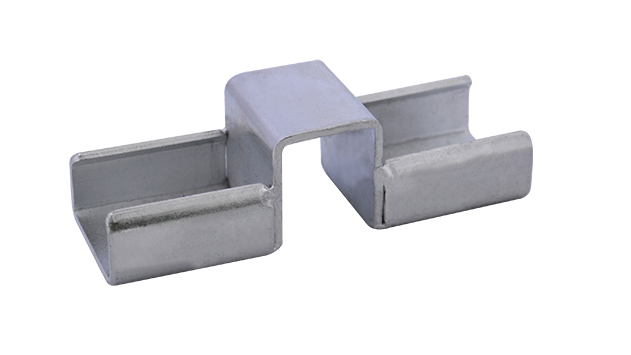
Roller track placon mount work as a connector for roller track and pipe or aluminum profile in rack syetem, it is a necessary parts in rack system which widely used in industrial plant and logistic,warehouse storage.
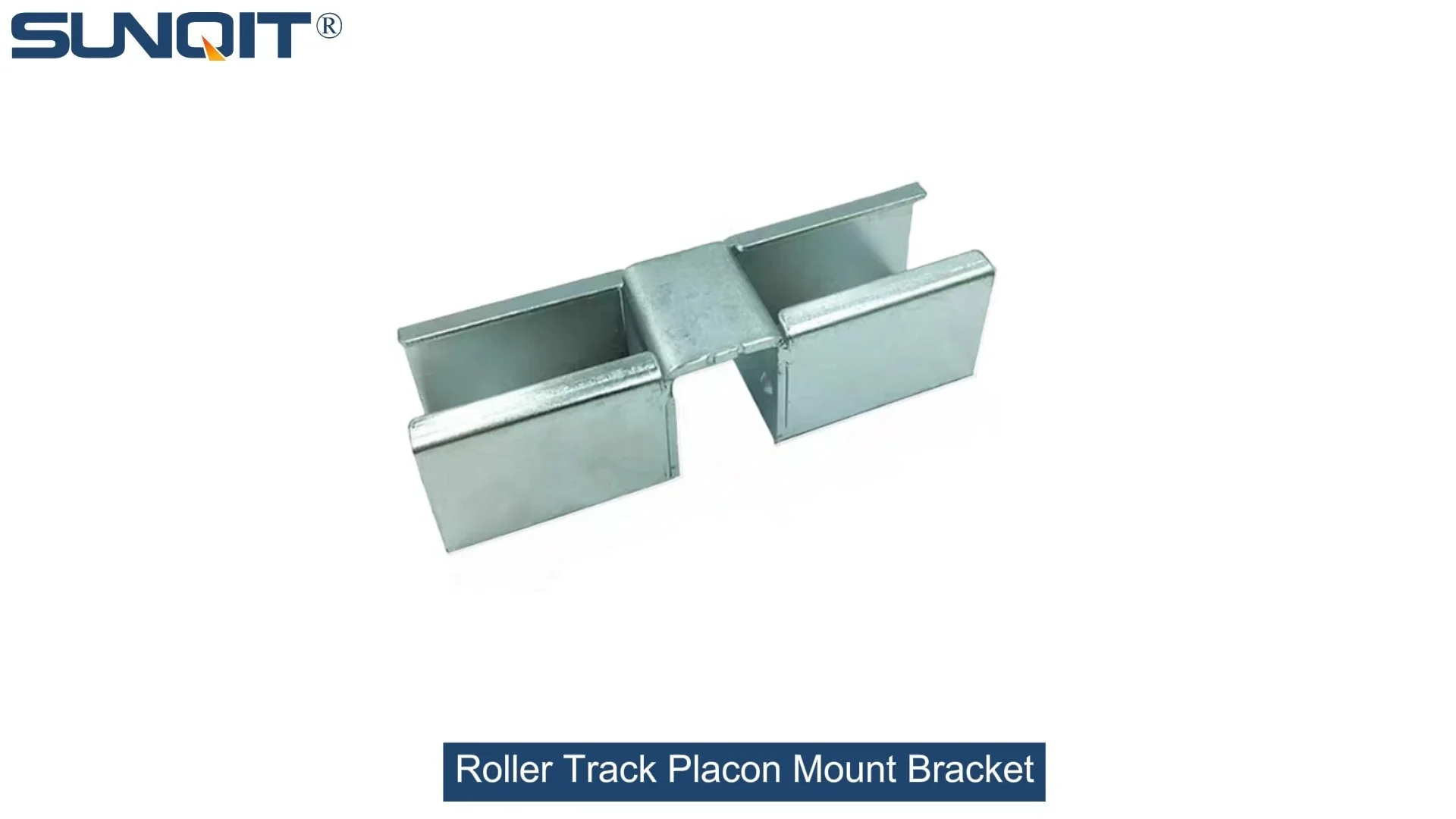
In the fast-paced world of manufacturing and warehouse operations, efficiency is everything. Your roller track system—whether moving components through a 3C assembly line or shuffling inventory in a logistics hub—relies on precision. At the heart of that precision? The unsung heroes: roller track placon mount brackets. These small but critical components hold your roller tracks firmly to aluminum profiles, ensuring materials glide smoothly, deadlines are met, and workflows stay on track. But when these brackets loosen, the ripple effects are immediate: jams, delays, and even safety risks. Let's dive into why this happens, how to spot the problem, and the actionable fixes to get your system back to peak performance.
Why Roller Track Placon Mount Brackets Matter
Think of your roller track system as a team. The rollers carry the load, the aluminum profiles provide the backbone, and the placon mount brackets are the glue holding it all together. Loose brackets don't just cause wobbly tracks—they create a domino effect:
- Material Jams: Misaligned tracks from loose brackets trap boxes or parts, halting production.
- Premature Wear: Uneven stress on rollers and aluminum profiles leads to faster breakdowns.
- Safety Hazards: Loose components can shift unexpectedly, risking injury to operators.
- Productivity Drops: Every minute spent unjamming or repairing is a minute lost from your bottom line.
In short, keeping these brackets tight isn't just maintenance—it's protecting your operation's efficiency and reliability.
Common Causes of Loose Brackets
Loose brackets rarely happen overnight. They're usually the result of ongoing stress, poor installation, or environmental factors. Let's break down the most likely culprits:
1. Constant Vibration & Load Stress
Roller tracks thrive on motion—but that motion is a double-edged sword. Every time a heavy cart glides over the rollers or a batch of components slides through, vibrations travel through the system. Over weeks and months, this relentless shaking can loosen screws, weaken adhesives, or even wear down the bracket's mounting holes. It's like shaking a toolbox nonstop—eventually, something's going to rattle loose.
2. Improper Installation
Even the best brackets fail if installed wrong. Common mistakes include using mismatched screws (too short, too weak), skipping washers, or overtightening (stripping threads). For example, using a standard steel screw on an aluminum profile might seem fine, but aluminum's softer texture can't hold stripped threads as well as steel—leading to quick loosening.
3. Material Fatigue & Corrosion
Brackets take a beating. If they're made from low-quality materials (like thin steel or brittle plastic), repeated stress can cause cracks or bending. In humid warehouses or medical device facilities, moisture accelerates corrosion—rust eats away at screw heads, and oxidation weakens the bond between brackets and aluminum profiles. Even stainless steel brackets aren't immune if exposed to harsh chemicals or constant moisture.
4. Incompatible Components
Not all brackets work with all aluminum profiles. A placon mount bracket designed for a 40mm aluminum profile won't fit snugly on a 30mm profile, leaving gaps that worsen with use. Similarly, mixing and matching parts from different suppliers—like pairing generic brackets with specialized lean pipe joints—often leads to poor alignment and, you guessed it, loosening over time.
How to Diagnose Loose Brackets: A Step-by-Step Guide
Catching bracket issues early prevents bigger problems. Here's how to systematically check for looseness in your roller track system:
| Step | Tools Needed | What to Look For |
|---|---|---|
| 1. Visual Inspection | Flashlight, gloves | Gaps between brackets and aluminum profiles; bent or cracked bracket edges; rust on screws or mounting points. |
| 2. Physical Wiggle Test | Your hands (wear gloves!) | Gently twist brackets—any movement (more than 1-2mm) means looseness. Check adjacent brackets too; one loose bracket often pulls others out of alignment. |
| 3. Load Simulation | Sample boxes/parts (simulate daily load) | Run materials through the track. Listen for grinding noises or see if parts get stuck—this highlights hidden looseness under stress. |
| 4. Screw Tightness Check | Screwdriver, socket wrench | Test each screw for give—if it turns easily, it's loose. Look for stripped screw heads (a sign of over-tightening or poor quality). |
Pro Tip: Focus on high-traffic areas first—like near conveyor junctions or workbench E stations—these take the most abuse and loosen fastest.

Fixing Loose Brackets: From Quick Fixes to Long-Term Solutions
Once you've identified loose brackets, it's time to act. The right fix depends on the cause—here's what works:
Quick Fix: Tighten & Reinforce
For minor looseness (screws just a bit loose), start here:
- Use a screwdriver or wrench to tighten screws— don't over-tighten (you'll strip threads!).
- Add lock washers or thread-locking fluid (like Loctite) to screws—this prevents vibration from loosening them again.
- For gaps between brackets and aluminum profiles, slide thin metal shims (or even heavy-duty tape) into the space to reduce wiggle room.
Best for: Temporary fixes or low-stress areas (e.g., slow-moving warehouse tracks).
Medium Fix: replace Worn Parts
If screws are stripped or brackets are cracked, replacement is key:
- Remove old brackets/screws—use a drill to extract stripped screws if needed.
- Upgrade to high-quality replacements: Choose brackets made from thick, corrosion-resistant steel (or aluminum for lightweight systems). Pair with stainless steel screws designed for aluminum profiles (they have sharper threads to grip better).
- Add lean pipe joints at bracket intersections for extra support—these metal connectors distribute stress across the aluminum profile, reducing bracket strain.
Best for: Brackets with visible damage or systems in high-moisture environments (e.g., medical device warehouses).
Long-Term Fix: Redesign for Durability
If brackets loosen repeatedly, your system might need a design tweak:
- Upgrade to Heavy-Duty Brackets: Opt for placon mount brackets with reinforced mounting plates (look for models labeled "for high-load applications").
- Add Extra Brackets: Space brackets closer together (every 30-40cm instead of 50cm) to spread weight evenly.
- Switch to Complementary Components: Ensure brackets, aluminum profiles, and lean pipe joints are from the same supplier—mismatched parts often have poor fit.
Best for: High-traffic production lines (e.g., 3C assembly) or systems carrying heavy loads (over 50kg per linear meter).

Preventing Future Looseness: Maintenance Tips
An ounce of prevention beats a pound of repairs. Keep brackets tight with these proactive habits:
Stick to a Maintenance Schedule
Set monthly check-ins for high-use tracks (weekly for 3C or medical assembly lines). Assign operators to do quick wiggle tests during shifts—they're the first to notice jams or weird noises.
Train Your Team on Proper Installation
Ensure installers know: Use the right screw size (match bracket hole diameter!), don't skip washers, and tighten until "snug" (not until the bracket bends). A 10-minute training session prevents months of headaches.
Invest in Quality Components
Cheap brackets save money upfront but cost more in repairs. Look for suppliers that specialize in lean systems—they'll have brackets designed to work with aluminum profiles and lean pipe joints, ensuring a snug, long-lasting fit.
Real-World Example: A 3C Assembly Line Fix
Let's see how this plays out in action. A electronics manufacturer in Shenzhen was struggling with daily jams on their smartphone assembly line. Their roller track, used to move circuit boards between workstations, kept getting stuck—costing them 2-3 hours of production weekly.
Their maintenance team did a quick check: Loose placon mount brackets! The root cause? They'd used generic steel screws on aluminum profiles. Over time, vibration wore down the aluminum threads, making screws loosen daily. The fix? They replaced the screws with aluminum-profile-specific stainless steel screws, added lock washers, and spaced brackets 30cm apart (down from 50cm). Result? Zero jams in the next month, and the line hit production targets for the first time that quarter.
Moral of the story: Small fixes to bracket issues yield big results for efficiency.
Final Thoughts: Keep Your Tracks Tight, Keep Your Workflow Smooth
Loose roller track placon mount brackets might seem like a small problem, but in manufacturing and logistics, small problems become big delays fast. By understanding the causes—vibration, poor installation, incompatible parts—and acting quickly with the right fixes, you'll keep your system running smoothly, your team productive, and your bottom line healthy. Remember: Your roller track is only as strong as its brackets. Treat them with care, and they'll keep your operations moving forward.