- Company Articles
- Products and Technology
- Installation And Maintenance
- Troubleshooting Loose Two Way Lean Pipe Joint Chrome: Causes & Fixes

Troubleshooting Loose Two Way Lean Pipe Joint Chrome: Causes & Fixes
Related Product
Two Way Lean Pipe Joint Chrome
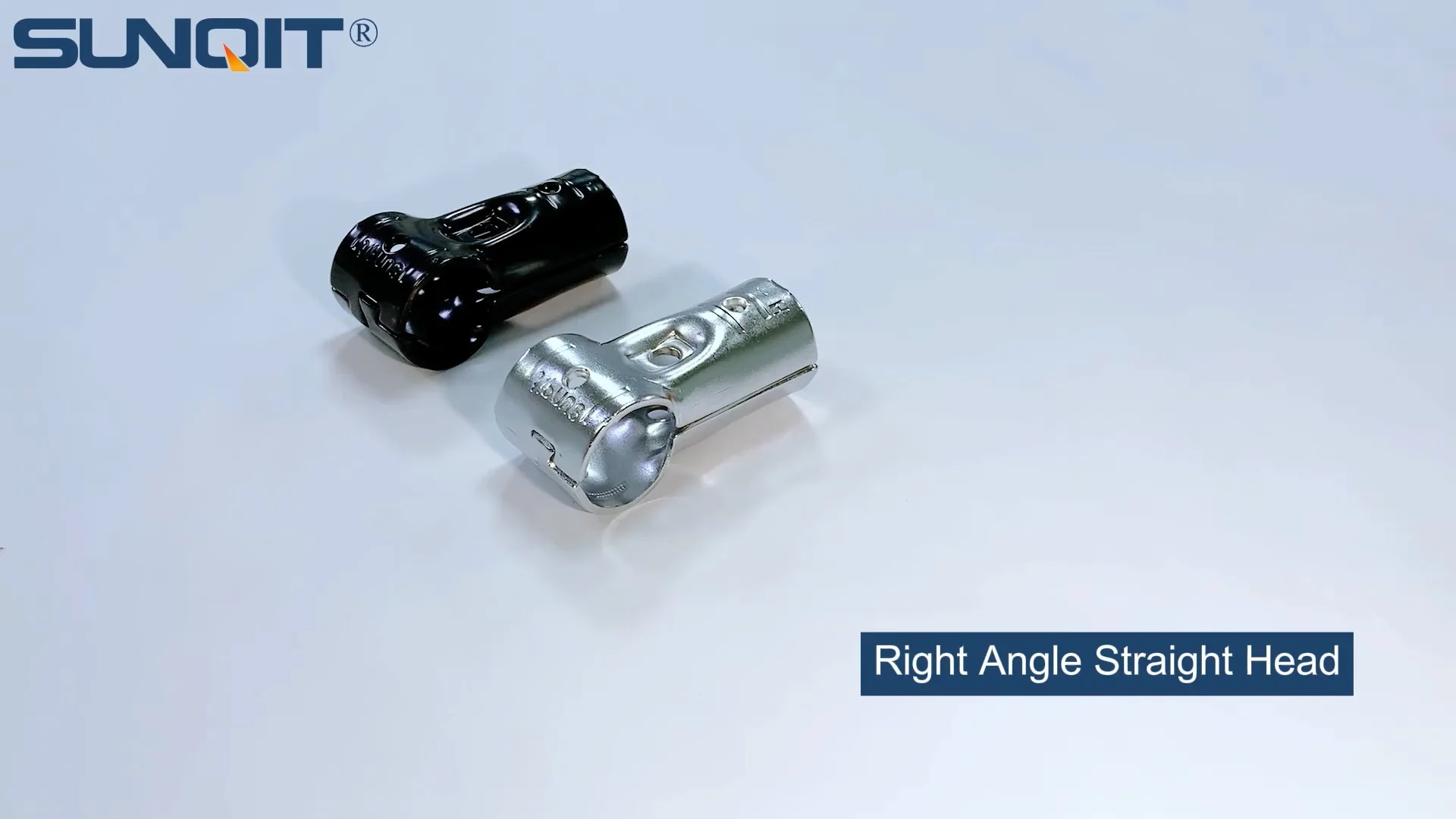
Two way lean pipe joint for 2 pcs 28MM lean pipe connection in straight angle, which used widely in workbench, flow rack, hand trolley frame connection.
Picture this: It's a busy Tuesday morning on your production floor. Your team is rushing to meet a deadline, and the assembly line is humming—until suddenly, a loud clatter stops everything. You walk over to investigate and find a section of your lean pipe system has shifted. A closer look reveals the culprit: a loose two way lean pipe joint chrome, the small but critical component holding the structure together. Sound familiar? If you've ever dealt with wobbly workbenches, sagging material racks, or unstable turnover trolleys, chances are a loose joint is to blame. Let's dive into why these joints loosen, how to fix them, and how to keep your lean systems running smoothly.
What Is a Two Way Lean Pipe Joint Chrome, Anyway?
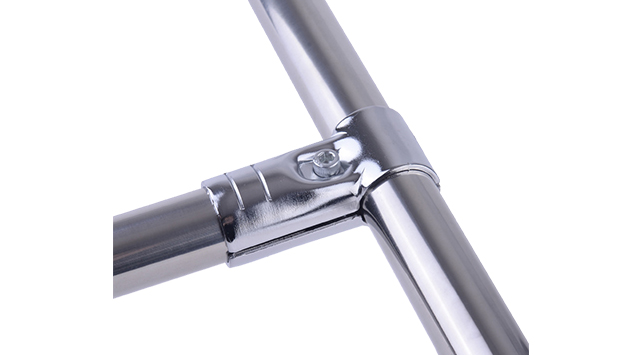
Before we troubleshoot, let's get clear on what we're dealing with. A two way lean pipe joint chrome is a metal connector designed to link two lean pipes at a right angle (90 degrees), forming the backbone of structures like workbenches, flow racks, and material handling systems. The "chrome" coating isn't just for looks—it adds corrosion resistance, making the joint durable in factory environments where moisture, oil, or dust might otherwise take a toll. Think of it as the glue that holds your lean system together, but instead of drying out, it relies on mechanical grip and precision to stay tight.
These joints are workhorses. Every time a operator leans on a workbench, every time a loaded turnover trolley bumps into a rack, every time materials slide down a flow rack—these joints absorb the stress. Over time, even the sturdiest joints can loosen. Let's break down why that happens.
Why Do Two Way Lean Pipe Joints Chrome Loosen? Common Causes
1. Improper Installation: The "Set It and Forget It" Myth
Most loose joints start with installation mistakes. It's easy to think, "Just twist it on tight, and it'll hold," but lean pipe joints are finicky. If the joint isn't aligned properly with the pipes, or if it's not tightened to the right torque, it's only a matter of time before it slips. For example, if you cross-thread the joint (that annoying "stripped" feeling when screwing it on), the threads won't grip evenly. Over time, vibration from the production line will turn that minor misalignment into a full-blown wobble.
Another common error? Using the wrong tools. Grabbing a pair of pliers instead of a hex key (or vice versa) can lead to uneven pressure. You might think you've tightened it, but one side is slightly looser than the other, creating a weak spot. And let's not forget over-tightening—yes, that's a thing! Cranking the joint too hard can warp the threads or crack the chrome coating, weakening the joint from the start.
2. Wear and Tear: When "Normal Use" Adds Up
Even perfectly installed joints don't last forever. Think about how often your lean system is used: A workbench might see 50+ operators leaning on it daily; a flow rack could have hundreds of parts sliding over its rails; a turnover trolley might be pushed, pulled, and jostled dozens of times a shift. All that movement creates micro-vibrations that, over weeks and months, slowly loosen the joint's grip.
The chrome coating itself can wear down, too. If the joint rubs against other metal parts (like a misaligned pipe or a sharp edge on a workbench), the chrome can chip or scratch. Once the underlying metal is exposed, rust starts to form. Rust isn't just unsightly—it expands as it forms, creating gaps between the joint and the pipe. Before you know it, what was once a tight fit is now a loose, creaky connection.
3. Overloading: Pushing the Joint Past Its Limits
Lean systems are designed for efficiency, but they're not indestructible. Every two way lean pipe joint chrome has a weight limit—usually specified by the manufacturer. If you stack more materials on a rack than it's rated for, or if a workbench holds heavy machinery beyond its capacity, the joints bear the brunt. Imagine hanging a 50kg toolbox from a joint meant for 30kg: the constant downward pressure stretches the joint's internal components, weakening its ability to clamp onto the pipe. Over time, this "over-stressing" leads to gradual loosening, and in extreme cases, the joint might even snap.
Sometimes overloading isn't obvious. Maybe you added a second shelf to a material rack without checking if the joints could handle the extra weight. Or perhaps a team member propped a heavy cart against a workbench "just for a second." Small, repeated overloads are just as damaging as one big mistake.
4. Environmental Factors: Moisture, Dust, and Temperature Swings
Your factory floor isn't a controlled lab—and that's okay! But environmental factors can sneakily loosen joints. High humidity, for example,s rust formation (even on chrome-plated joints). Dust and debris can get trapped between the joint and the pipe, acting like sandpaper every time the structure vibrates. Over time, that grit wears down the joint's inner surface, reducing friction and causing slippage.
Temperature swings are another culprit. In facilities with unregulated heating or cooling, metal expands when warm and contracts when cold. A joint tightened on a sweltering summer day might loosen in the winter as the metal shrinks. This "thermal cycling" is subtle, but over months, it can create enough space between the joint and pipe to cause wobbling.
How to Fix a Loose Two Way Lean Pipe Joint Chrome: Step-by-Step Solutions
Loose joints don't have to shut down your workflow. With a little patience and the right approach, you can tighten, repair, or replace them quickly. Let's walk through the process.
Step 1: Diagnose the Problem (Don't Just Tighten and Hope)
First, figure out why the joint is loose. Grab a flashlight and inspect the joint closely. Is there rust? Are the threads stripped? Is the pipe bent? Wiggle the joint gently—does it move side-to-side, or does it spin freely? This will tell you if it's a simple tightening issue or something more serious.
For example: If the joint moves side-to-side but the threads look intact, it's probably under-tightened. If it spins freely and the pipe has visible scratches, the threads might be stripped. If there's rust around the joint, moisture is likely the culprit.
Step 2: Tighten the Joint (But Do It Right)
If the joint is just loose (no rust, no stripped threads), tightening it might be all you need. Here's how:
- Use the right tool: Most two way lean pipe joints chrome require a hex key (Allen wrench) or a socket wrench. Check the joint's head—if it has a hexagonal hole, use a hex key; if it's a nut, use a socket. Avoid pliers, which can slip and damage the chrome.
- Clean first: Wipe away dust, oil, or rust with a dry cloth. If there's light rust, use a wire brush to gently scrub the threads—this ensures a better grip when tightening.
- Tighten evenly: If the joint has two bolts (common in larger joints), tighten them in a "cross" pattern (like tightening lug nuts on a car). This prevents uneven pressure. For single-bolt joints, turn the wrench 1/4 turn at a time until the joint feels snug—don't overdo it!
- Test it: Wiggle the joint again. If it still moves, move to the next step.
Step 3: replace Worn or Damaged Joints
If tightening doesn't work, the joint might be worn out. Here's how to replace it:
- Remove the old joint: Loosen the bolts completely and slide the joint off the pipes. If it's stuck (thanks to rust or debris), tap it gently with a rubber mallet—don't yank, as this could bend the pipes.
- Inspect the pipes: Check the ends of the lean pipes for damage. If they're bent, dented, or rusted, sand them down with fine-grit sandpaper or replace the pipe section entirely.
- Install the new joint: Slide the new two way lean pipe joint chrome onto the pipes, aligning it so the pipes meet at a 90-degree angle. Tighten the bolts evenly (as in Step 2) until the joint is secure but not warped.
- Pro tip: Apply a thin layer of anti-seize lubricant to the threads before installing the new joint. This prevents rust and makes future tightening easier.
Step 4: Reinforce Overloaded or Weak Structures
If the joint loosened because of overloading, you'll need to reinforce the structure. For example:
- Add extra joints: If a workbench shelf is sagging, install a third two way joint in the middle for extra support.
- Upgrade to heavier-duty parts: Some lean pipe systems use lightweight joints for basic setups, but if you're consistently handling heavy loads, switch to reinforced chrome joints (ask your lean pipe supplier for options).
- Redistribute weight: Instead of piling all materials on one section of a rack, spread them out to reduce stress on individual joints.
Step 5: Protect Against Environmental Damage
To prevent future loosening from moisture or dust:
- Seal exposed metal: If the chrome coating is chipped, apply a thin layer of rust-resistant paint to the exposed area.
- Clean regularly: Wipe down joints with a dry cloth weekly to remove dust and debris. In humid areas, use a dehumidifier near the lean system.
- Insulate from temperature swings: If your facility has extreme temperature changes, consider adding foam pipe insulation around joints—this reduces expansion and contraction.

Causes vs. Fixes: A Quick Reference Table
| Cause of Looseness | Signs to Look For | Immediate Fix | Long-Term Solution |
|---|---|---|---|
| Improper installation | Joint wobbles side-to-side; threads look intact | Tighten with the correct tool (hex key/socket) | Train staff on proper torque specs; use torque wrenches for critical joints |
| Wear and tear | Chrome chipping; joint spins freely; rust around threads | replace the joint with a new one | Apply anti-seize lubricant during installation; inspect joints monthly |
| Overloading | Joint is bent; pipe dents near the joint; structure sags | Remove excess weight; add reinforcing joints | Upgrade to heavy-duty joints; post weight limits on racks/workbenches |
| Environmental factors | Rust buildup; dust trapped in threads; joint loosens seasonally | Clean with wire brush; apply rust-resistant paint | Use dehumidifiers; insulate joints from temperature swings |
Preventive Maintenance: Keep Joints Tight for the Long Haul
They say an ounce of prevention is worth a pound of cure—and that's especially true for lean pipe joints. A little regular maintenance can save you from costly downtime later. Here's a simple routine to follow:
Weekly Checks
Walk through your production floor and give each lean pipe structure a once-over. Wiggle joints gently, check for rust or chips, and tighten any that feel loose. This takes 10–15 minutes and catches small issues before they grow.
Monthly Deep Cleans
Every month, wipe down all joints with a damp cloth (followed by a dry one) to remove built-up dust and oil. For hard-to-reach areas, use a small brush (like a toothbrush) to scrub around the threads. If you spot any rust, treat it immediately with a rust remover.
Quarterly Inspections
Every three months, take a closer look at high-stress areas: workbench corners, flow rack supports, and turnover trolley joints. Check if pipes are bent, joints are warped, or bolts are stripped. replace any parts that look worn—this is cheaper than replacing an entire structure later.
When to Call in the Pros: The Role of Your Lean Pipe Supplier
Sometimes, a loose joint is a sign of a bigger problem. If you notice multiple joints loosening at once, if pipes are bent beyond repair, or if your lean system is sagging despite fixes, it's time to call your lean pipe supplier . A reputable supplier can:
- Provide high-quality replacement parts: Generic joints might be cheaper, but they often don't fit as snugly or last as long as OEM parts. A good supplier will have the exact two way lean pipe joint chrome you need.
- Offer technical support: If you're unsure why joints keep loosening, they can send a technician to inspect your system and suggest upgrades (like heavier pipes or reinforced joints).
- Design custom solutions: If your current setup is consistently overloaded, your supplier can help redesign it for better weight distribution—saving you time and frustration in the long run.
Final Thoughts: Tight Joints, Smooth Operations
A loose two way lean pipe joint chrome might seem like a small issue, but it's the kind of problem that can snowball into missed deadlines, damaged products, or even workplace injuries. By understanding the causes—improper installation, wear and tear, overloading, and environmental damage—you can fix issues quickly and prevent them from coming back.
Remember: Your lean system is only as strong as its weakest joint. With regular maintenance, careful use, and a trusted lean pipe supplier in your corner, you can keep those joints tight, your production line moving, and your team focused on what they do best—creating great products.