- Company Articles
- Products and Technology
- Installation And Maintenance
- Troubleshooting Parallel Rotatory Lean Pipe Joint Chrome: Common Issues Fixes

Troubleshooting Parallel Rotatory Lean Pipe Joint Chrome: Common Issues Fixes
Related Product
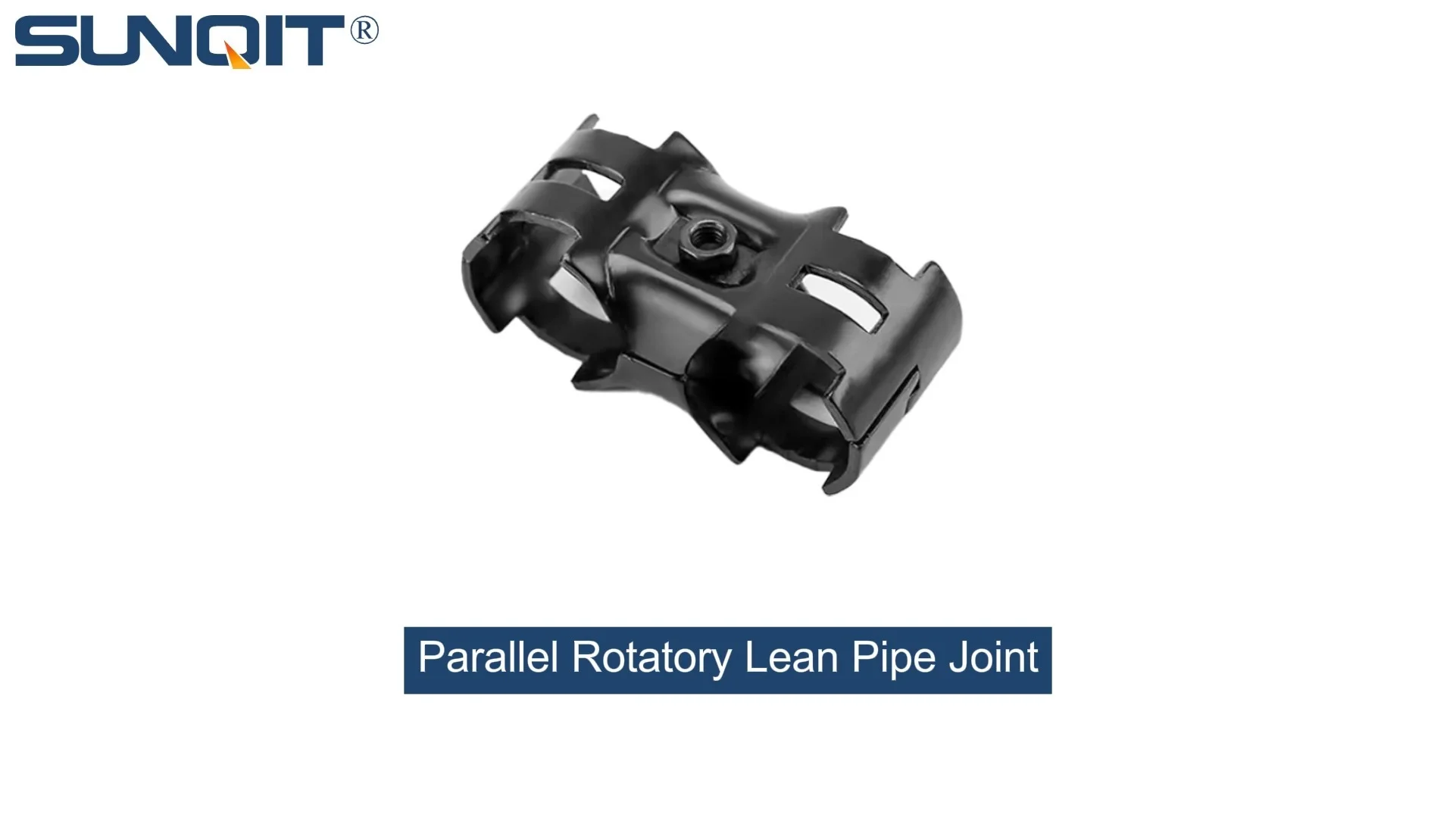
Parallel Rotatory Lean Pipe Joint
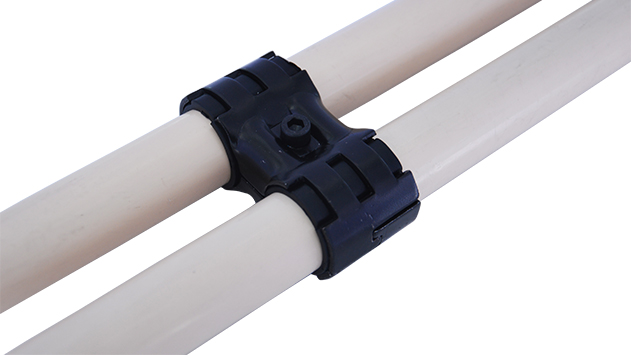
Parallel rotatory lean pipe joint, for 2 pcs pipe conenction in parallel direction with rotatory function.
Imagine standing in the middle of a bustling production floor: the hum of machinery, the rhythmic movement of assembly lines, and workers gliding between workbenches, each step synchronized to keep products flowing like clockwork. Now, picture that harmony grinding to a halt because a small, unassuming component decides to misbehave. That component? The parallel rotatory lean pipe joint chrome. It's not the flashiest part of your lean system, but it's the unsung hero holding everything together—literally. When these joints work, they make your workflow feel effortless; when they don't, they turn minor annoyances into major headaches.
If you've ever wrestled with a stuck joint while adjusting a material rack, or watched a workbench wobble because a connection came loose, you know exactly what I'm talking about. These chrome-plated workhorses are designed to connect lean pipes with smooth, rotational flexibility, making them essential for everything from adjustable workbenches to dynamic material flow racks. But like any hardworking tool, they're prone to wear, misalignment, and the occasional breakdown. The good news? Most issues are fixable with a little know-how, some basic tools, and a proactive mindset.
In this guide, we're diving deep into the world of parallel rotatory lean pipe joint chrome—what they are, why they matter, and how to troubleshoot the most common problems that leave you scratching your head (or muttering under your breath). Whether you're a seasoned plant manager, a hands-on maintenance tech, or someone just starting to build their first lean workspace, this article will help you keep those joints moving smoothly, your lines running efficiently, and your frustration levels low. Let's get started.
Getting to Know Your Parallel Rotatory Lean Pipe Joint Chrome
What Is It, Anyway?
First things first: let's make sure we're all on the same page. A parallel rotatory lean pipe joint chrome is a specialized connector used in lean manufacturing systems to join aluminum or steel lean pipes. What makes it "parallel" is its ability to keep connected pipes aligned in the same plane while allowing 360-degree rotation—think of it like a flexible elbow that lets you adjust angles without disconnecting the entire structure. The "chrome" part? That's the protective coating that adds durability, resists corrosion, and gives it that sleek, professional look you'll find in most modern workshops.
These joints are part of a larger family of lean pipe and accessories, working alongside components like caster wheels, roller tracks, and aluminum profile accessories to create customizable workspaces. They're especially popular in settings where adaptability is key: think assembly lines that need to reconfigure for new products, or warehouses where material flow paths change with seasonal demand. Without them, your workbench would be a rigid, one-size-fits-nothing structure, and your material racks would be stuck in a permanent "this is how we've always done it" layout.
How It Works (In Simple Terms)
At its core, this joint is a clever marriage of simplicity and functionality. Inside that chrome-plated exterior, you'll find a rotating mechanism—usually a set of bearings or a smooth metal-on-metal interface—that lets the joint spin freely. On either end, there are connection points (often threaded or with clamping mechanisms) that grip the lean pipes tightly. When you twist the joint, the rotation allows you to angle pipes up, down, or sideways, while the parallel design ensures the pipes stay aligned, preventing the kind of skewed, wobbly structures that make workbenches feel like they're about to collapse.
Think of it as the "swivel joint" of your lean system. Need to tilt a shelf on your workbench to better reach tools? The parallel rotatory joint makes it possible. Want to adjust the height of a material rack to match a conveyor? Just twist and lock. It's this flexibility that makes lean manufacturing "lean"—by eliminating waste, including the waste of rigid, unchangeable infrastructure.
Common Issues: When Your Joint Stops Playing Nice
Let's cut to the chase: you're here because something's wrong with your joint. Maybe it's stuck, maybe it's loose, or maybe it's making a sound that would make a dentist cringe. Whatever the case, you need to fix it fast. Below are the five most common issues we see with parallel rotatory lean pipe joint chrome, plus step-by-step fixes to get you back on track.
Issue #1: Stiff or Jerky Rotation (It Feels Like Turning a Rusty Key)
You go to adjust your workbench shelf, and instead of a smooth spin, the joint feels like it's fighting back—creaking, sticking, or moving in fits and starts. Annoying, right? Worse, if it's stiff enough, you might even struggle to get it to lock into place, leaving your setup wobbly and unsafe.
What's causing it? Nine times out of ten, stiff rotation is a lubrication problem. Lean pipe joints (even chrome-plated ones) rely on a thin layer of lubricant to keep the rotating parts gliding smoothly. Over time, dust, metal shavings, or workshop grime can mix with that lubricant, turning it into a gritty paste that gums up the works. In other cases, the joint might have been overtightened during installation, pinching the rotating mechanism and restricting movement. Rarely, but possible: if your workshop is particularly humid, tiny amounts of corrosion could be forming on the internal bearings, adding extra friction.
How to fix it:
- Clean first, lube second. Grab a soft brush (a toothbrush works in a pinch) and gently scrub around the joint's rotation point to remove any visible debris. If there's caked-on grime, use a damp cloth with mild soap—avoid harsh chemicals, as they can damage the chrome plating. Let it dry completely.
- Apply lubricant. Use a lightweight machine oil or silicone-based lubricant (avoid WD-40 unless it's the "dry lube" variant, as standard WD-40 can attract more dust). Apply a drop or two directly to the rotation point, then work the joint back and forth a few times to distribute the lube. You should feel it start to loosen up immediately.
- Check for overtightening. If the joint is still stiff after cleaning and lubing, look at the connection points where it attaches to the lean pipes. If the clamping screws are cranked down too hard, they might be squeezing the rotating mechanism. Loosen them slightly (a quarter-turn at a time), test the rotation, and retighten just enough to hold the pipe securely—no white-knuckling the wrench here.
Pro Tip: For workshops with heavy dust or debris, apply a thin coat of dry lubricant (like graphite spray) after cleaning. It won't attract dirt the way oil does, keeping your joint smoother for longer.
Issue #2: Loose or Wobbly Connection (Your Workbench Feels Like a Roller Coaster)
You've adjusted your joint, locked it into place, and now the whole structure feels unstable. The pipe connected to the joint wiggles, the shelf sags, or worse—you give it a gentle push, and the whole thing shifts like it's on wheels (and not the good kind with caster brakes). A loose joint isn't just annoying; it's a safety hazard, especially if you're storing heavy materials on that wobbly shelf.
What's causing it? The most common culprit is worn or stripped threads on the joint's connection points. Every time you twist the joint to adjust it, those threads take a little wear and tear, and over time, they can lose their grip. Another possibility: the lean pipe itself is damaged. If the pipe is bent, dented, or has a rough spot where it connects to the joint, the clamp can't get a tight hold, even if the threads are fine. And let's not forget human error—maybe someone forgot to fully tighten the connection after the last adjustment (we've all been there).
How to fix it:
- Inspect the threads and pipe. First, check the joint's connection points for stripped or damaged threads. If they look mangled (think: flattened edges, missing chunks, or threads that feel "slippery" when you try to tighten them), the joint might need to be replaced (more on that later). Next, look at the lean pipe—are there dents, scratches, or bends near the connection? If yes, swap in a new section of pipe (they're cheap and easy to replace).
- Tighten (but don't over-tighten). If the threads and pipe look good, the fix might be as simple as tightening the connection. Use a wrench (or the tool that came with your joint) to snug up the clamp—hand-tight is usually enough, but if it's still loose, add a quarter-turn. Remember: aluminum and steel lean pipes are strong, but they're not indestructible. Overtightening can crack the pipe or strip the threads, making the problem worse.
- Add a shim (temporary fix). If you're in a pinch and need a temporary solution (e.g., you're in the middle of a production run and can't stop to replace parts), wrap a small piece of aluminum foil or a thin rubber washer around the pipe where it connects to the joint. This adds friction, helping the clamp grip tighter. Just don't rely on this forever—shims are a band-aid, not a cure.
Issue #3: Corrosion or Rust Buildup (It Looks Like It's Been Living at the Bottom of a Lake)
Chrome plating is supposed to protect against rust, but let's be real: workshops are messy places. Coolant, oil, water, and even the humidity in the air can take a toll, leaving your joint looking more like a rusted relic than a precision tool. Corrosion doesn't just look bad—it can eat away at the chrome, damage the rotating mechanism, and eventually seize the joint completely.
What's causing it? Chrome is resistant to rust, but it's not immune. If the plating gets scratched (say, from a dropped tool or a sharp edge on a lean pipe), moisture can seep in, causing the underlying metal to corrode. High-humidity environments (like food processing plants or coastal workshops) are especially risky, as are areas where chemicals (like cleaning agents or machine coolants) regularly splash onto the joints. Even something as simple as leaving a wet rag on the joint overnight can start the process.
How to fix it:
- Clean the corrosion gently. For light rust (surface discoloration or small spots), mix a paste of baking soda and water, apply it to the affected area with a soft cloth, and let it sit for 10–15 minutes. Then, scrub gently with a non-abrasive sponge (steel wool is too harsh and will scratch the chrome!). Wipe clean with a damp cloth and dry thoroughly.
- Remove deeper rust with vinegar. For more stubborn corrosion, soak a cloth in white vinegar and wrap it around the joint. Let it sit for 30 minutes to an hour (the acid in vinegar dissolves rust), then scrub with a soft brush and wipe clean. Rinse with water to neutralize the acid, then dry.
- Protect the chrome. Once the rust is gone, apply a thin coat of car wax or chrome polish to the joint. This adds a protective barrier against moisture and chemicals. For extra protection in high-humidity areas, spray the joint with a clear anti-corrosion spray (look for one designed for metal surfaces).
- replace if the damage is too severe. If the chrome is peeling, the metal underneath is pitted, or the rotation mechanism is corroded, it's time for a new joint. Corrosion weakens the metal, and a compromised joint is a safety risk—don't try to "make it work" if it's falling apart.
Issue #4: Excessive Play or "Slop" in Rotation (It Wobbles More Than a Newborn Deer)
You tighten the joint, lock it into position, and yet… there's still movement. The joint rotates a little even when it's supposed to be fixed, or the connected pipes have a small but noticeable "wobble" when you touch them. This isn't just annoying—it can throw off the alignment of your entire setup, making it hard to keep materials flowing smoothly on roller tracks or align workbenches with conveyors.
What's causing it? This is usually a sign of worn internal components. Inside the joint, there are bearings, washers, or locking mechanisms that keep rotation smooth and secure. Over time, these parts wear down—bearings get pitted, washers thin out, and locking tabs lose their "grip." The result? The joint can't hold a position tightly, leading to that frustrating "slop." Heavy use (like adjusting the joint multiple times a day) or overloading (putting more weight on the connected pipes than the joint is rated for) accelerates this wear.
How to fix it:
- Check the locking mechanism. Most parallel rotatory joints have a locking lever, knob, or set screw that holds the rotation in place. If this is loose or worn, the joint won't stay locked. Tighten the locking mechanism (if it's adjustable) or replace the locking screw/lever if it's stripped. For lever-style locks, make sure the lever is fully engaged—sometimes it can slip into a "half-locked" position that feels secure but isn't.
- Inspect internal components (if possible). If your joint is designed to be disassembled (check the manufacturer's instructions—some are sealed units), carefully take it apart and look at the bearings, washers, and spacers. If you see pitting, cracks, or excessive wear, replace those parts with new ones (many lean pipe suppliers sell replacement kits for common joints).
- Limit overloading. If the joint is rated for 50 lbs, don't stack 75 lbs of materials on the connected shelf. Overloading puts extra stress on the internal components,. Check the manufacturer's specs for weight limits and stick to them—your joints (and your back) will thank you.
- replace if wear is too advanced. If the joint still wobbles after tightening the lock and replacing washers/bearings, it's time to retire it. Worn internal components can't be fixed with a quick tweak—you need a new joint.
Issue #5: Unusual Noises (Squeaking, Grinding, or "Crunching" Sounds)
If your joint is making noise, it's trying to tell you something—and it's not "good job!" Squeaking, grinding, or crunching sounds are red flags that something is wrong, and ignoring them will only make the problem worse. Plus, let's be honest: a squeaky joint is like a bad song stuck in your head—annoying for everyone on the production floor.
What's causing it? Squeaking is usually a lubrication issue (see Issue #1)—metal parts rubbing together without enough lube. Grinding or crunching, though, is more serious. It could mean there's debris (like metal shavings or dirt) caught in the rotation mechanism, or that internal components (like bearings) are damaged or broken. In some cases, the joint might be misaligned with the lean pipes, causing uneven pressure and friction as it rotates.
How to fix it:
- Stop and listen (and look). First, try to pinpoint where the sound is coming from. Is it when you rotate the joint, or when it's under load? Rotate the joint slowly by hand—does the noise happen at a specific angle? This can help you narrow down the cause.
- Clean and lubricate. Start with the basics: clean the joint thoroughly (as in Issue #1) to remove debris, then apply lubricant. If the noise is squeaking, this might fix it. If it's grinding, check for loose parts—maybe a washer or bearing has come loose and is bouncing around inside.
- Check for misalignment. If the joint is connected to bent or misaligned lean pipes, it will grind as it rotates. Use a level to check if the pipes are straight and aligned. If not, adjust the pipes or replace bent sections to reduce stress on the joint.
- replace damaged components. If the grinding persists after cleaning, lubricating, and aligning, the internal bearings or washers are likely damaged. If the joint is serviceable, replace those parts; if not, replace the entire joint. A grinding joint is a ticking time bomb—don't wait for it to fail completely.
Quick Reference: Troubleshooting Table
Need a fast fix? Use this table to diagnose and solve common issues in minutes.
| Issue | Symptoms | Common Causes | Fixes |
|---|---|---|---|
| Stiff/Jerky Rotation | Joint is hard to rotate; moves in fits/starts | Low lubrication, debris buildup, overtightened connections | 1. Clean debris 2. Apply lubricant 3. Loosen/tighten connections gently |
| Loose/Wobbly Connection | Pipes wiggle; structure feels unstable | Worn threads, damaged pipe, under-tightened connections | 1. Inspect threads/pipes 2. Tighten connections 3. replace if threads are stripped |
| Corrosion/Rust | Orange/brown spots; peeling chrome | Moisture, chemical exposure, scratched chrome | 1. Clean with baking soda/vinegar 2. Apply anti-corrosion spray 3. replace if pitted |
| Excessive Play in Rotation | Joint wobbles when locked; won't hold position | Worn bearings/washers, overloading, loose locking mechanism | 1. Tighten locking mechanism 2. replace worn parts 3. Avoid overloading |
| Unusual Noises (Squeaking/Grinding) | Squeaks when rotating; grinding/crunching sounds | Low lubrication, debris, damaged bearings, misalignment | 1. Clean and lubricate 2. Check for debris/misalignment 3. replace damaged components |

Proactive Maintenance: Keeping Your Joints Happy for the Long Haul
They say an ounce of prevention is worth a pound of cure, and that's doubly true for parallel rotatory lean pipe joint chrome. A little regular maintenance can extend the life of your joints, reduce downtime, and save you from the frustration of mid-shift breakdowns. Here's how to keep your joints in top shape:
1. Stick to a Cleaning Schedule
Dust, oil, and metal shavings are the enemy of smooth rotation. Make it a habit to clean your joints at least once a month (more often if your workshop is particularly dirty). Use a soft brush or cloth to wipe away debris from the rotation point and connection areas. For hard-to-reach spots, use a can of compressed air to blow out dust. Avoid harsh chemicals—they can strip lubricant or damage chrome plating.
2. Lubricate Regularly (But Don't Overdo It)
Lubrication is the lifeblood of any rotating joint. Aim to lubricate your parallel rotatory joints every 2–3 months, or more often if they're used heavily. Use a lightweight machine oil, silicone-based lubricant, or dry graphite spray (depending on your workshop's environment). Apply a small amount (a drop or two) to the rotation point, then work the joint back and forth to distribute the lube. Wipe away excess—too much lubricant attracts dust and creates a messy, gritty buildup.
3. Inspect Before Big Projects
Planning a major reconfiguration of your workbench or material racks? Take 10 minutes to inspect all your parallel rotatory joints first. Check for loose connections, corrosion, or signs of wear. Tighten any loose clamps, clean off rust spots, and replace any joints that look questionable. It's much easier to fix a problem before you start than to have your reconfiguration grind to a halt because a joint fails mid-project.
4. Avoid Overloading
Every joint has a weight rating—check the manufacturer's specs and stick to it. Hanging heavy tools, stacking dense materials, or leaning on connected pipes can strain the joint's internal components, leading to premature wear. If you need to support more weight, use multiple joints or upgrade to a heavy-duty model—don't risk it with a overloaded standard joint.
5. Train Your Team to Handle Joints Gently
Your joints are tough, but they're not indestructible. Train your team to adjust joints carefully: avoid yanking or forcing rotation, don't use pipes as "handles" to climb on workbenches, and always tighten connections securely after adjustments. A little awareness can go a long way in preventing accidental damage.

When to replace: Knowing When to Let Go
At some point, even the best-maintained joint will reach the end of its life. Knowing when to replace it can save you time, money, and headaches down the line. Here are the red flags that mean it's time to say goodbye:
- Chrome is peeling or flaking. Once the protective chrome layer is gone, the underlying metal is exposed to corrosion—this is irreversible.
- Internal components are damaged beyond repair.
- The joint can't hold a position, even after replacing locking mechanisms or bearings.
- There's visible cracks or bends in the metal.
- The joint is making loud grinding noises that don't go away with cleaning/lubrication.
When replacing, always buy from a reputable lean pipe supplier to ensure you're getting a high-quality, compatible joint. Cheap knockoffs might save you a few bucks upfront, but they'll wear out faster and could compromise your entire lean system.
Conclusion: The Small Part That Makes a Big Difference
Parallel rotatory lean pipe joint chrome might not be the most glamorous part of your production line, but it's one of the most important. These small, unassuming connectors keep your workbenches flexible, your material racks adaptable, and your workflow smooth. When they work, you barely notice them; when they don't, they remind you just how much depends on the "little things."
By understanding common issues, troubleshooting proactively, and maintaining your joints regularly, you can keep your lean system running like a well-oiled machine. Remember: a little care goes a long way. Clean them, lubricate them, inspect them, and replace them when needed—and your joints will repay you with years of reliable service.
So the next time you adjust a shelf on your workbench, or reconfigure a material rack, take a second to appreciate the parallel rotatory lean pipe joint chrome doing its job. It's the quiet hero of your lean system, and it deserves a little love.