- Company Articles
- Products and Technology
- Installation And Maintenance
- Troubleshooting Rust on One Way Rotatory Straight Lean Pipe Joint Chrome: Prevention & Fixes

Troubleshooting Rust on One Way Rotatory Straight Lean Pipe Joint Chrome: Prevention & Fixes
Related Product
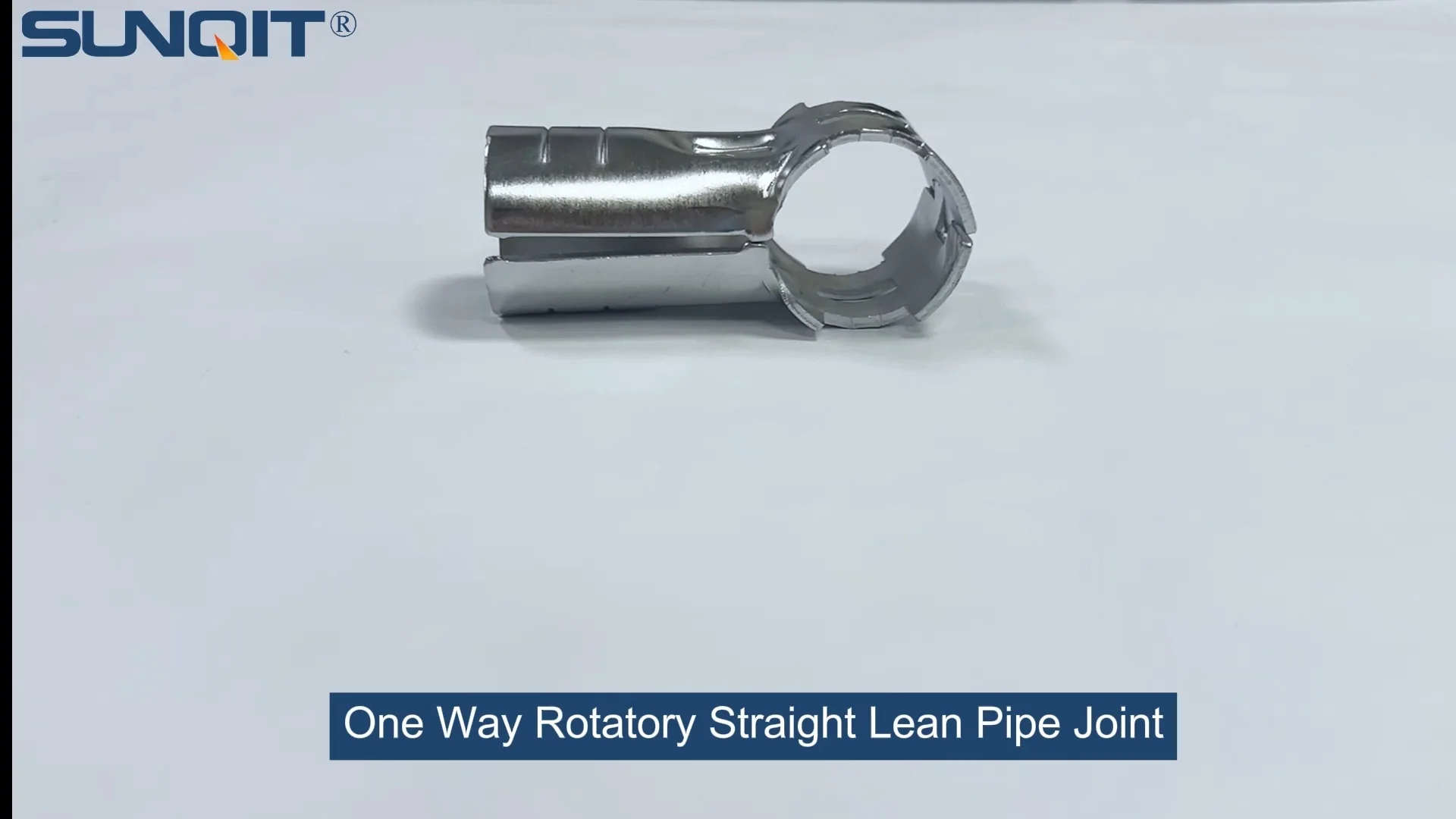
One Way Rotatory Straight Lean Pipe Joint Chrome
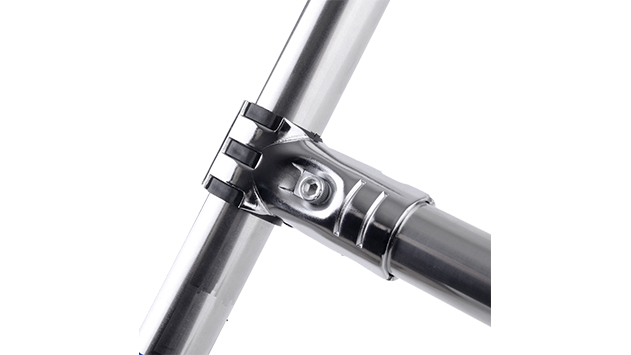
Two way lean pipe joint for 2 pcs 28MM lean pipe connection in straight angle with rotatory fucntion, which used widely in workbench, flow rack, hand trolley frame connection.
If you've spent any time managing a production floor or maintaining lean systems, you know the frustration of small components throwing a wrench into your workflow. One part that often flies under the radar—until it causes problems—is the one way rotatory straight lean pipe joint chrome . These unassuming little connectors are the unsung heroes of lean pipe structures, keeping workbenches stable, flow racks moving smoothly, and assembly lines aligned. But when rust starts to creep in, their ability to rotate, lock, and support weight takes a nosedive. Suddenly, that smooth rotation becomes a creaky struggle, and before you know it, you're dealing with downtime, inefficiencies, and the headache of unexpected repairs.
In this guide, we're diving deep into everything you need to know about rust on these critical joints. We'll break down why rust forms, how to spot it early, and most importantly, how to prevent it from taking hold in the first place. We'll also walk through step-by-step fixes for mild to severe rust, so you can get your lean system back on track without replacing parts unnecessarily. Whether you're a facility manager, a maintenance tech, or someone who just wants their lean pipe setup to last, this article is your go-to resource for keeping those chrome joints rust-free and reliable.
Understanding the One Way Rotatory Straight Lean Pipe Joint Chrome
Before we jump into rust, let's make sure we're all on the same page about what these joints actually do. The one way rotatory straight lean pipe joint chrome is a specialized connector designed for lean pipe systems—those modular setups used in factories, warehouses, and workshops to build everything from workbenches to material racks. What makes this joint unique is its "one way" rotation: it lets you adjust the angle of connected lean pipes in one direction (usually 360 degrees) but locks securely when force is applied the other way. This flexibility is a game-changer for customizing workflows—imagine being able to tweak a flow rack's angle to speed up material transfer or adjust a workbench's height without disassembling the entire structure.
The "chrome" in the name refers to the plating on the joint's surface. Chrome plating is popular here because it's hard, corrosion-resistant (or so we think—more on that later), and gives the joint a smooth, professional finish. Under that chrome layer is usually a steel core, which provides the strength needed to hold up lean pipes, tools, and even heavy materials. When you combine that strength with the one-way rotation feature, you get a joint that's both sturdy and adaptable—two must-haves in lean manufacturing, where efficiency and flexibility go hand in hand.
These joints are everywhere in lean systems. You'll find them holding together lean pipe workbenches , linking sections of roller tracks, and stabilizing turnover trolleys. They're also a key part of lean pipe and accessories kits, which means if one joint fails, it can throw off an entire structure. That's why keeping them rust-free isn't just about aesthetics—it's about keeping your entire operation running smoothly.
Why Rust Forms on Chrome-Plated Joints (Spoiler: It's Not Just About Water)
Chrome plating is often marketed as "rust-proof," but anyone who's dealt with a rusty chrome faucet knows that's not entirely true. So why does rust show up on these joints, even with that shiny chrome layer? Let's break it down.
1. The Chrome Layer Isn't Perfect
Chrome plating is applied through an electroplating process, which deposits a thin layer of chromium onto the steel core. While this layer is tough, it's not invincible. Over time, tiny scratches, dents, or even manufacturing imperfections can create pinholes in the chrome. These pinholes are invisible to the naked eye, but they're big enough for moisture, dirt, and chemicals to seep through and reach the steel underneath. Once that steel is exposed to oxygen and water, rust (iron oxide) starts to form. And since rust expands as it forms, it can push the chrome layer up, creating bubbles or flaking—making the problem even worse.
2. Harsh Workshop Environments
Production floors and warehouses are rough on equipment. Think about it: there's moisture from cleaning solutions, humidity in the air (especially in summer or in non-climate-controlled spaces), and even chemicals from oils, lubricants, or coolants. If your lean system is near a washing station, a water fountain, or an area where floors are mopped regularly, that joint is getting exposed to more moisture than it can handle. Add in dust and debris, which can trap moisture against the chrome, and you've got a perfect storm for rust.
3. Wear and Tear from Rotation
Remember, these are rotatory joints. Every time you adjust the angle of a lean pipe, the joint's moving parts rub against each other. Over time, that friction can wear down the chrome plating, especially in the areas where the joint pivots. Even if you don't adjust it often, the weight of the structure itself puts constant pressure on the joint, which can cause micro-abrasions. Once that chrome is worn thin, the steel underneath is vulnerable.
4. Low-Quality Plating or Materials
Not all lean pipe joints are created equal. If you sourced your joints from a supplier that cuts corners on chrome plating—using a thinner layer, skipping pre-plating cleaning steps, or using low-grade steel—the joint will be more prone to rust from day one. Cheaper joints might look shiny at first, but that chrome can start to degrade within months, especially in harsh environments.
| Common Cause of Rust | How It Affects the Joint | Signs to Look For |
|---|---|---|
| Pinholes in chrome plating | Moisture seeps through to steel core | Tiny red spots under the chrome, bubbling |
| High humidity/workshop moisture | Constant exposure to water vapor | Uniform dullness, light surface rust |
| Friction from rotation/wear | Chrome wears thin in pivot areas | Rust concentrated on moving parts, rough rotation |
| Low-quality materials/plating | Chrome degrades quickly, steel prone to corrosion | Widespread rust within 6-12 months of use |
Signs of Rust: How to Spot a Problem Before It Gets Worse
Rust doesn't happen overnight—it starts small and grows. The key to minimizing damage is catching it early. Here's what to watch for when inspecting your one way rotatory straight lean pipe joint chrome:
1. Discoloration or Dullness
The first sign is usually a change in the chrome's appearance. Instead of a bright, mirror-like shine, the joint might look dull or hazy. You might also notice faint yellow or brown tints, especially in crevices or around the edges. This is called "surface corrosion," and while it's not full-blown rust yet, it means the chrome is starting to break down. If you catch it here, you can often reverse the damage with a little cleaning and protection.
2. Tiny Red or Orange Spots
Once rust starts to form on the steel core, you'll see small red or orange spots peeking through the chrome. These spots are often clustered in areas where the chrome is thinnest—like around the pivot point of the joint or near the threads. At this stage, the rust is still localized, but it will spread if left untreated. If you scrape gently with a fingernail, you might feel a rough texture where the chrome has flaked off.
3. Stiff or Jerky Rotation
Rust isn't just a visual problem—it affects function too. As rust builds up inside the joint, it can gum up the works, making rotation stiff or jerky. You might have to apply more force than usual to adjust the joint, or it might lock up entirely. This is a red flag because the rust is now interfering with the joint's moving parts, which can lead to further wear and even structural instability.
4. Flaking or Peeling Chrome
If you notice chunks of chrome peeling off the joint, that's a sign the rust has spread significantly. Underneath the flaking chrome, you'll likely see a layer of thick, powdery rust (called "scale"). At this point, the steel core is badly corroded, and the joint's strength is compromised. A joint with flaking chrome can't be fully repaired—it will need to be replaced to avoid safety risks.
Pro tip: Make a habit of inspecting joints during routine maintenance checks. Focus on areas near water sources, high-traffic zones, or joints that get adjusted frequently. A quick visual check every month can save you from costly repairs later.

Prevention: Keeping Rust at Bay (Because An Ounce of Prevention…)
The best way to deal with rust is to stop it before it starts. With a little proactive care, you can extend the life of your one way rotatory straight lean pipe joint chrome by years. Here's how:
1. Keep Them Clean (Yes, Even the Small Parts)
Dirt, oil, and grime trap moisture against the chrome, so regular cleaning is non-negotiable. Wipe down the joints with a soft, dry cloth once a week to remove dust. For heavier grime (like oil or coolant splatters), use a mild detergent mixed with warm water—avoid harsh chemicals like bleach or abrasive cleaners, which can damage the chrome. After cleaning, dry the joint thoroughly with a clean cloth to prevent water spots. Pay extra attention to crevices and pivot points, where dirt loves to hide.
2. Apply a Protective Coating
A thin layer of wax or a chrome-specific protectant can act as a barrier between the joint and moisture. Look for products like car wax (the same stuff you use on your vehicle) or metal sealants designed for chrome. Apply a small amount to a soft cloth, rub it into the joint in circular motions, and let it dry to a haze before buffing with a clean cloth. Do this every 2-3 months, or more often if your workshop is humid or dirty. The wax will repel water and make cleaning easier next time.
3. Control the Environment
If possible, keep lean pipe structures away from direct sources of moisture—like leaky pipes, floor drains, or areas where floors are regularly hosed down. If your workshop has high humidity, consider using a dehumidifier to keep the air dry. For outdoor or semi-outdoor setups (like loading docks), invest in a weatherproof cover for lean systems when they're not in use. Even something as simple as a plastic tarp can shield joints from rain and dew.
4. Lubricate Moving Parts
The one-way rotation feature relies on smooth movement, and dry joints are more prone to friction and wear. Apply a small amount of lubricant (like silicone spray or light machine oil) to the pivot points of the joint every month. The lubricant will reduce friction, prevent the chrome from wearing thin, and create a barrier against moisture. Just be careful not to overdo it—too much lubricant can attract dust and create a sticky mess. A few sprays or drops are enough.
5. Choose Quality Joints from Reputable Suppliers
This can't be stressed enough: the quality of the joint itself matters. When shopping for lean pipe joints , look for suppliers who specify the thickness of the chrome plating (ideally 0.0005 inches or thicker) and use high-grade steel. A reliable lean pipe supplier will also pre-treat the steel (by cleaning and pickling it) before plating, which ensures the chrome adheres properly. It might cost a little more upfront, but quality joints resist rust far better than cheap alternatives. Ask for samples or product specs—reputable suppliers will be happy to share details about their manufacturing process.
Fixing Rust: Step-by-Step Solutions for Every Severity
Even with the best prevention, rust can still sneak in. The good news is that mild to moderate rust can often be fixed without replacing the joint. Here's how to tackle it, depending on how bad the problem is:
Mild Rust: Surface Discoloration or Tiny Spots
Mild rust is mostly on the surface, and the chrome layer is still intact (no flaking). Here's how to remove it:
- Gather supplies: Soft cloth, white vinegar or lemon juice, baking soda, toothbrush (old, soft-bristled), and chrome polish.
- Clean the joint: Wipe off any dirt or grease with a damp cloth. Then, dip the toothbrush in vinegar or lemon juice (both are mild acids that dissolve rust) and gently scrub the rust spots. Be careful not to scrub too hard—you don't want to scratch the chrome.
- Make a paste: If the spots are stubborn, mix baking soda with a little water to make a thick paste. Apply the paste to the rust spots, let it sit for 10-15 minutes, then scrub with the toothbrush.
- Rinse and dry: Wipe the joint with a damp cloth to remove the paste or vinegar, then dry thoroughly with a clean cloth.
- Polish: Apply a small amount of chrome polish to a soft cloth and buff the joint until it shines. This will restore the luster and add a protective layer.
Moderate Rust: Flaking Chrome or Localized Corrosion
Moderate rust means the chrome has started to flake, and there's visible rust on the steel underneath. You'll need to remove the rust and protect the exposed steel:
- Gather supplies: Fine-grit sandpaper (400-600 grit), steel wool (0000 grade, the finest), rust converter (a chemical that turns rust into a protective layer), primer, chrome spray paint (for metal), and clear coat.
- Sand the rust: Use the sandpaper to gently sand away the flaking chrome and rust. Work in small, circular motions, and stop when you see bright, clean steel. Be careful not to sand too much—you just want to remove the rust, not weaken the joint.
- Steel wool detail: Use the 0000 steel wool to smooth any rough edges and remove remaining rust particles. Wipe the joint with a tack cloth to remove dust.
- Apply rust converter: Follow the product instructions to apply rust converter to the exposed steel. This will chemically react with any remaining rust, turning it into a black, protective layer that prevents further corrosion.
- Prime and paint: Once the converter is dry, apply a thin coat of metal primer. Let it dry, then spray on chrome paint (look for "chrome effect" spray paint at hardware stores). Apply 2-3 thin coats, letting each dry completely. Finish with a clear coat to protect the paint.
- Reassemble and lubricate: Once the paint is fully dry (usually 24 hours), reattach the joint to the lean pipe and apply lubricant to the pivot points.
Severe Rust: Thick Scale or Structural Damage
If the joint is covered in thick, powdery rust (scale), or if it's bent, cracked, or no longer rotates smoothly even after cleaning, it's time to replace it. Severe rust weakens the steel core, making the joint unsafe to use. Here's how to replace it:
- Identify the joint type: Make sure you know the exact model of the joint (check the supplier's catalog or the part number if it's labeled). You'll need a replacement one way rotatory straight lean pipe joint chrome that matches the size and specifications of the old one.
- Disassemble the structure: Loosen the adjacent lean pipes or components to remove the rusted joint. Use a wrench or pliers if the joint is stuck (but be careful not to damage other parts).
- Clean the area: Wipe down the ends of the lean pipes where the new joint will attach, removing any rust or debris.
- Install the new joint: Follow the manufacturer's instructions to attach the new joint. Tighten it securely, but don't over-tighten—you want it to rotate smoothly.
- Apply protective coating: As soon as the new joint is installed, apply wax or sealant to prevent future rust (see the prevention section for details).
Pro tip: Keep a few spare joints in your maintenance closet. That way, you can replace a rusted joint quickly without waiting for a supplier to ship a new one. This is especially important if the joint is part of a critical workflow, like an assembly line or packing station.
Beyond Chrome: Considering Rust-Resistant Alternatives
If you've tried everything and still struggle with rust on chrome joints, it might be time to consider alternatives. One popular option is stainless steel pipe series components. Stainless steel contains chromium (like chrome plating), but it's mixed into the steel itself, making the entire material corrosion-resistant. Stainless steel joints don't need plating, so there's no risk of pinholes or flaking. They're more expensive upfront, but they last significantly longer in humid or harsh environments—making them a cost-effective choice in the long run.
Another option is aluminum lean pipe joints. Aluminum is naturally resistant to rust (it forms a protective oxide layer on the surface), and it's lightweight, making it easy to adjust. While aluminum isn't as strong as steel, it works well for lighter-duty applications like small workbenches or storage racks. If you go this route, look for aluminum lean pipe and joints from a reputable supplier to ensure they're durable enough for your needs.
The key is to match the material to your environment. If your workshop is dry and clean, chrome joints might work just fine. But if you're dealing with high humidity, chemicals, or frequent moisture, stainless steel or aluminum could save you time and money on maintenance.
Final Thoughts: Rust-Proofing for the Long Haul
Rust on one way rotatory straight lean pipe joint chrome might seem like a small problem, but it's a warning sign. Left unchecked, it can lead to wobbly workbenches, stuck flow racks, and even safety hazards. The good news is that with regular cleaning, protective coatings, and smart prevention, you can keep these joints rust-free for years. And if rust does strike, mild cases can be fixed with household supplies, while severe cases just require a simple replacement.
Remember, the goal of lean manufacturing is to eliminate waste—including the waste of time and money spent fixing avoidable problems. By taking care of your lean pipe joints, you're not just maintaining equipment; you're keeping your entire workflow efficient, your team productive, and your bottom line healthy. So grab that cloth, apply some wax, and give those joints the attention they deserve—your future self (and your production schedule) will thank you.