- Company Articles
- Products and Technology
- Installation And Maintenance
- Troubleshooting Sticking 60 Steel Roller Track Small Wheels: Causes & Fixes

Troubleshooting Sticking 60 Steel Roller Track Small Wheels: Causes & Fixes
Related Product
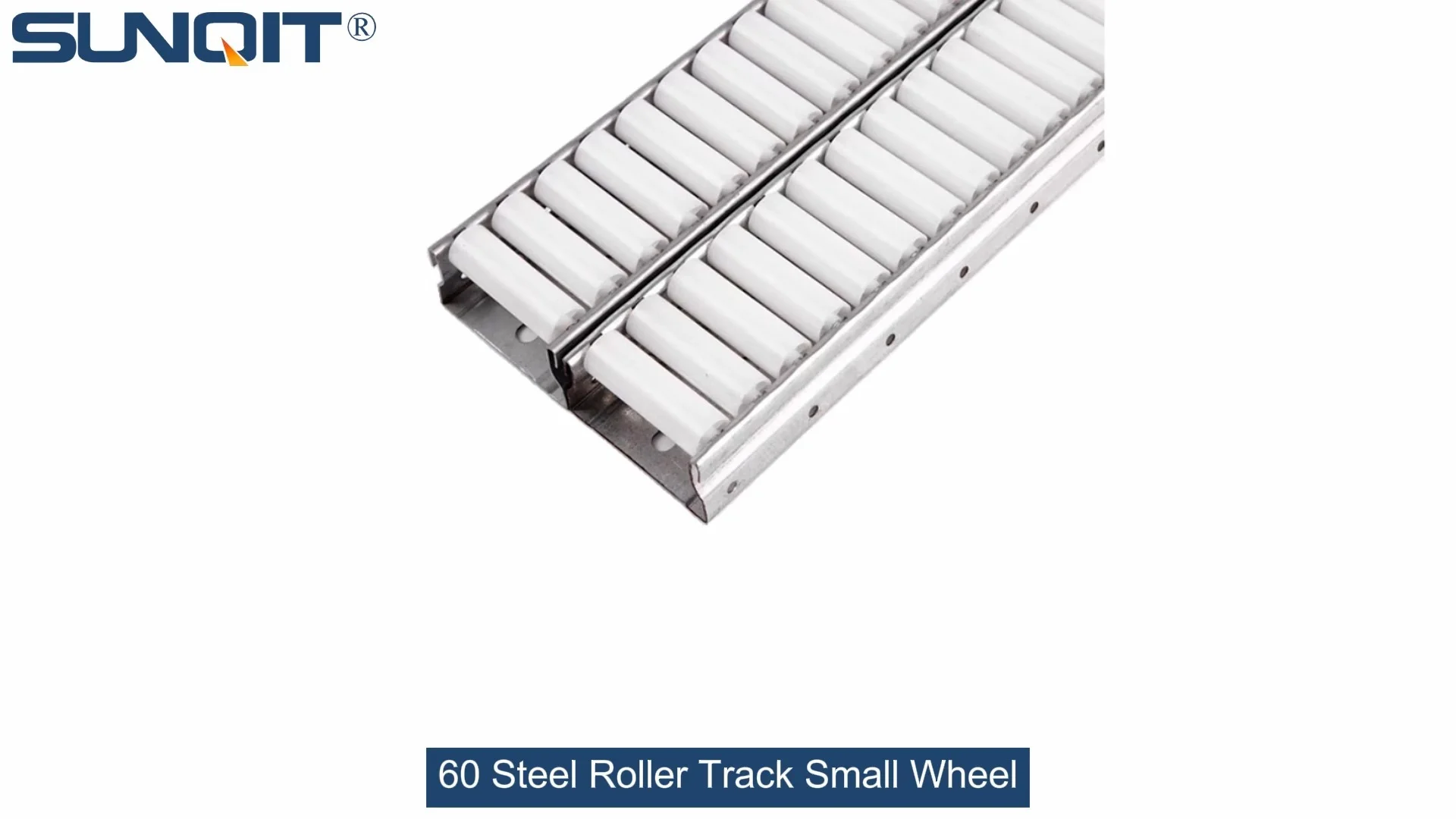
60 Steel Roller Track Small Wheel
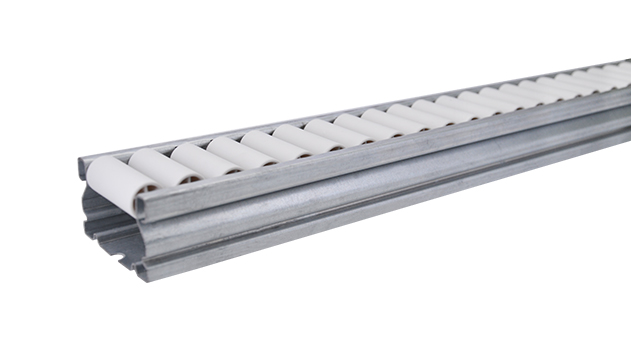
Modular system roller tracks aluminum gravity roller tracks are an excellent solution for transporting materials within industrial environments, warehouses and distribution centres.
If you've ever stood in front of a flow rack in your warehouse, trying to slide a bin of parts only to have it get stuck halfway, you know how frustrating and time-consuming sticking roller wheels can be. Especially when those wheels are on a 60 steel roller track—used in everything from conveyors to lean pipe workbenches—a small issue can throw off your entire workflow. Whether you're in 3C assembly, medical device manufacturing, or warehousing and logistics, stuck wheels don't just slow down production; they can lead to damaged parts, worker fatigue, and even missed deadlines. So let's dive into why your 60 steel roller track small wheels are sticking, and more importantly, how to fix them for good.
Why Do 60 Steel Roller Track Small Wheels Stick? Let's Break It Down
1. Debris and Contamination: The Silent Culprit
In a busy production environment, it's easy for debris to accumulate. Every time you slide a bin across the track, small particles get pushed into the gaps between the wheel and its housing, or between the wheel and the track surface. Over days or weeks, this buildup acts like a brake, making the wheels hard to turn. Grease or oil spills (from machinery nearby) can make things worse—they attract more dust, creating a sticky sludge that clogs the bearings. For example, in a 3C assembly line, tiny plastic shavings or solder residues can build up over time, leading to consistent sticking issues.
2. Misaligned Tracks or Loose Roller Track Connectors
Roller track connectors are the unsung heroes that hold your track sections together. If they're not tightened properly during installation, or if they loosen over time from constant vibration (common in conveyors), the track sections can shift out of alignment. Even a tiny gap or a slight angle between two track pieces can cause wheels to catch. For example, if your 60 steel roller track is part of a lean pipe workbench, a loose connector could make the track sit at a slight tilt, leading to bins getting stuck as they move across.
3. Wear and Tear on Wheels or Bearings
Like any moving part, 60 steel roller track wheels have a lifespan. If you're using them for heavy loads (beyond their rated capacity), or if you don't lubricate them regularly, the bearings inside the wheels can wear out. When bearings start to fail, they create friction—so the wheels stop spinning smoothly. You might notice a grinding sound, or the wheels might feel stiff when you try to turn them by hand. Rust is another issue: if your warehouse is humid, the steel wheels can start to rust, which not only makes them stick but also damages the track surface over time.
4. Incorrect Installation of Aluminum Profile Accessories
Many roller tracks are mounted on aluminum profiles. If you use the wrong accessories to attach the track to the profile—like using a bolt that's too long, or not using the right clips—this can cause the track to sit unevenly. For example, if you're attaching a 60 steel roller track to a lean pipe workbench frame, using an incompatible aluminum profile accessory might lead to the track being slightly raised on one side, making bins get stuck as they slide. Even something as simple as using the wrong size washer can create an uneven surface.
5. Environmental Factors: Humidity and Temperature
Extreme conditions can take a toll on your roller wheels. High humidity leads to rust (as we mentioned earlier), but low temperatures can also be a problem. If your warehouse gets very cold, the lubricant in the wheel bearings can thicken, making the wheels harder to turn. In some cases, if you're using plastic components (like the yellow or grey plastic roller track guide rails), cold temperatures can make them brittle, leading to cracks that catch the wheels.
How to Fix Sticking 60 Steel Roller Track Small Wheels: A Practical Guide
Fix for Debris & Contamination: Deep Cleaning
Follow these steps to get rid of debris buildup:
- First, remove all bins or items from the track to get clear access.
- Use a soft-bristled brush (like a toothbrush or small wire brush) to gently scrub the gaps between the wheels and their housings. Be careful not to scratch the steel surface.
- For sticky grease or sludge, use a mild degreaser (avoid harsh chemicals that might damage the wheel material). Apply the degreaser with a cloth, let it sit for a few minutes, then wipe it off.
- Use a compressed air can (or air compressor) to blow out any remaining debris from the bearings and track gaps. Wear safety goggles to protect your eyes from flying particles.
- After cleaning, dry the track thoroughly with a clean cloth to prevent rust.
Fix for Misaligned Tracks or Loose Connectors
Here's how to realign your tracks and tighten connectors:
- Inspect all roller track connectors along the length of the track. Look for any that are loose or missing.
- Use a wrench or screwdriver (depending on the connector type) to tighten any loose connectors. Make sure they're snug, but don't over-tighten—this can damage the connector or track.
- Check the alignment of track sections. Place a straight edge (like a long level) across the track to see if there are any gaps or uneven spots. Adjust connectors until sections are flush.
- For tracks mounted on aluminum profiles, check mounting brackets. Ensure they're securely attached and the track is level (use a spirit level to confirm).
Fix for Wear & Tear: Lubrication or Replacement
Address worn-out wheels or bearings with these steps:
- Spin each wheel by hand—if it grinds or doesn't spin smoothly, bearings may be worn out.
- If wheels are still usable (no rust/damage), lubricate with light machine oil or silicone-based lubricant. Apply a small drop to the center of each wheel and spin to distribute.
- If wheels are rusted or bearings are broken, replace them. Remove old wheels by unscrewing mounting bolts/clips and install new ones securely.
- For rusted tracks, use a wire brush to remove rust, then apply anti-rust paint to protect the surface.
Fix for Incorrect Installation: Adjust Accessories
Correct installation issues with these tips:
- Remove the track from its mounting (if necessary) to inspect accessories used.
- Check if mounting brackets/clips are compatible with your track and aluminum profile (e.g., 2020, 3030, or 4040 profiles). replace with correct aluminum profile accessories if needed.
- Reattach the track using the right accessories. Ensure it's level and no gaps exist between the track and mounting surface.
- Test the track by sliding a bin across—if it moves smoothly, you're done. If not, double-check alignment and accessory tightness.
Quick Troubleshooting Checklist for Sticking Wheels
| Symptom | Possible Cause | Recommended Fix |
|---|---|---|
| Wheels spin but bins stick | Debris buildup | Clean track and wheels with brush + compressed air |
| Wheels don't spin at all | Worn bearings or rust | Lubricate (if usable) or replace wheels |
| Bins get stuck at track joints | Loose roller track connectors | Tighten connectors and align track sections |
| Track is uneven | Incorrect aluminum profile accessories | replace with compatible accessories and re-mount |
| Wheels grind when spinning | Dry or worn bearings | Lubricate or replace wheels |

Keep Your Wheels Rolling Smoothly: Preventive Maintenance Tips
1. Schedule Regular Cleaning
Set a routine: For high-traffic areas (like conveyors in 3C assembly lines), clean tracks and wheels once a week. For lower-traffic areas, once a month is enough. Use a brush and compressed air to remove debris, and lubricate wheels every 2-3 months (depending on use).
2. Inspect Connectors and Accessories Monthly
Take 10 minutes each month to check all roller track connectors and aluminum profile accessories. Tighten any loose parts, and replace any damaged accessories immediately. This small step can prevent big issues down the line.
3. Train Your Team on Proper Use
Make sure your staff knows not to overload bins or push them too hard. Overloading can damage wheels and tracks, leading to sticking. Encourage them to report any stuck wheels or damaged parts as soon as they notice them—early detection saves time and money.
4. Protect Against Environmental Damage
If your warehouse is humid, use a dehumidifier to reduce rust. For cold environments, use low-temperature lubricant to keep bearings moving smoothly. Avoid spilling liquids on tracks—clean up any spills immediately.
replace or Repair? Knowing When to Invest in New Parts
Sometimes, a quick fix isn't enough. Here are signs that you need to replace your 60 steel roller track small wheels or accessories:
- Severe Rust: If wheels are heavily rusted (beyond wire brush repair), replace them. Rust weakens steel and can cause wheels to break.
- Broken Bearings: If wheels don't spin at all (even after lubrication), bearings are probably broken—replace the wheel.
- Damaged Connectors: If a roller track connector is cracked or bent, it can't hold the track in place—replace it with a new one.
- Irreparable Misalignment: If track sections are warped (due to heavy impact), replace the entire track section.
When looking for replacements, choose high-quality parts from a reliable supplier. This ensures your new wheels and accessories are durable and compatible with your existing setup—whether you're using them on flow racks, conveyors, or lean pipe workbenches.
A Real-World Fix: How One Warehouse Solved Their Sticking Wheel Problem
Let's take a look at a scenario from a 3C assembly warehouse. Their flow racks used 60 steel roller track small wheels, and over time, the wheels started sticking. The team noticed bins of phone components getting stuck, leading to assembly delays.
First, they inspected the tracks: They found debris (tiny plastic bits from phone cases) had built up between wheels and housings. They also noticed some roller track connectors were loose, causing track sections to shift.
Their fix:
- Cleaned all tracks using a brush and compressed air to remove plastic debris.
- Tightened all loose connectors and aligned track sections.
- Lubricated wheels with silicone-based oil.
After these steps, bins slid smoothly again, and their assembly line speed increased by 15%. They also implemented a weekly cleaning routine and monthly inspection to prevent future issues.
Wrapping Up
Sticking 60 steel roller track small wheels are a common problem, but they're easy to fix with the right knowledge. By understanding the causes (debris, misalignment, wear, incorrect accessories, environmental factors) and following the step-by-step fixes outlined here, you can keep your flow racks, conveyors, and lean pipe workbenches running smoothly. Remember: Preventive maintenance is key—regular cleaning and inspections will save you time, money, and frustration in the long run.
So next time you encounter a stuck wheel, don't panic—use this guide to diagnose and fix the issue quickly, and get back to what matters most: keeping your production line moving.