- Company Articles
- Products and Technology
- Installation And Maintenance
- Troubleshooting Sticky Rollers in 60 Aluminum Roller Track Grey

Troubleshooting Sticky Rollers in 60 Aluminum Roller Track Grey
Related Product
60 Aluminum Roller Track Grey
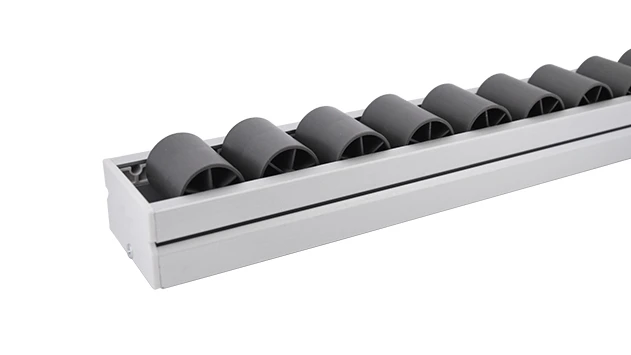
Modular system roller tracks aluminum gravity roller tracks are an excellent solution for transporting materials within industrial environments, warehouses and distribution centres.
Introduction: The Cost of Sticky Rollers in Your Production Line
If you've ever been on a factory floor and seen a component or box grind to a halt on your 60 aluminum roller track grey, you understand how much of a bottleneck this small issue can create. Sticky rollers don't just slow down production—they disrupt the entire lean system flow, waste employee time, and even risk damaging the items being transported. Whether you're using this track in a 3C assembly line, a medical device warehouse, or an automotive parts facility, keeping your roller tracks running smoothly is non-negotiable. In this guide, we'll walk you through everything you need to know to diagnose, fix, and prevent sticky rollers in your 60 aluminum roller track grey, so you can get back to efficient, uninterrupted production.
Common Causes of Sticky Rollers in 60 Aluminum Roller Track Grey
Before we dive into fixes, let's break down the most frequent reasons your rollers might be sticking. Each cause has distinct signs, so identifying the right one will save you time and effort.
1. Dust and Debris Buildup
Factory floors are full of tiny particles—metal shavings, plastic dust, oil residues, and even lint from packaging. Over time, these particles accumulate in the gaps between rollers, around bearings, and on the surface of the aluminum profile track itself. For 60 aluminum roller track grey, which is often used in high-traffic areas like lean pipe workstations or conveyor systems, this buildup is inevitable if not cleaned regularly. The debris acts like sandpaper, increasing friction between the roller and the item being moved, or even jamming the roller bearings entirely.
2. Lubrication Issues
You might think more lubrication is always better, but that's not the case. Over-lubricating your rollers can attract more dust and debris, creating a gummy mess that sticks. On the flip side, under-lubrication leads to dry bearings, which cause friction and make rollers hard to turn. Using the wrong type of lubricant (like a heavy oil in a high-humidity environment) can also lead to sticking—some lubricants thicken when cold or break down when exposed to heat, losing their effectiveness.
3. Wear and Tear
Even the most durable roller tracks don't last forever. The 60 aluminum roller track grey is built to withstand heavy use, but components like roller bearings, axles, and the track's surface can wear out over time. Worn bearings might have pitting or rust, making them spin unevenly or not at all. Bent rollers or a warped aluminum profile can also cause items to get stuck, as the track no longer provides a smooth, level path.
4. Environmental Factors
Where you use your roller track matters a lot. If your facility is in a humid area, moisture can cause rust on metal components (like roller bearings) or make the track surface slippery in a way that disrupts movement. In facilities with corrosive substances (like in medical device manufacturing or chemical processing), exposure to these materials can degrade the roller's surface or bearings, leading to sticking. Extreme temperatures—either too hot or too cold—can also affect lubricant performance and material integrity.
5. Installation Errors
Sometimes the problem starts right at setup. If your 60 aluminum roller track grey wasn't installed correctly—like being misaligned with adjacent tracks, or having loose roller track accessories (like connectors or end supports)—it can cause items to catch. For example, if the track is tilted slightly upward in one section, items might slow down or stop there. Loose rollers can wobble, creating gaps where items get stuck, or even fall out of place entirely.

Step-by-Step Troubleshooting Guide
Now that you know the common causes, let's walk through how to fix each one. We'll start with the easiest fixes first (like cleaning) before moving to more complex ones (like replacing components).
| Common Cause | Key Symptoms | Step-by-Step Fix | Tools Required |
|---|---|---|---|
| Dust & Debris Buildup | Rollers spin slowly; visible dirt between rollers; items stick in specific spots. |
1. Turn off any power to the track (if motorized).
2. Use a soft-bristle brush to sweep away loose debris from rollers and gaps. 3. Wipe the track surface with a lint-free cloth dampened with a mild cleaning solution (avoid harsh chemicals). 4. For hard-to-reach areas (like bearing gaps), use a compressed air can to blow out debris. 5. Dry the track thoroughly before resuming use. |
Soft brush, lint-free cloth, mild cleaner, compressed air. |
| Lubrication Issues | Rollers feel gummy or dry; lubricant visible on track; items stick after lubrication. |
1. If over-lubricated: Wipe excess lubricant from rollers and track with a clean cloth.
2. If under-lubricated: Apply a small amount of light, non-dusty lubricant (like silicone-based oil) to each roller bearing. 3. Avoid over-applying—only a drop or two per bearing is enough. 4. Test the rollers to ensure they spin smoothly. |
Clean cloth, silicone-based lubricant, small brush (for application). |
| Wear & Tear | Rollers spin unevenly; rust or pitting on bearings; bent rollers; warped track. |
1. Inspect each roller for signs of damage (rust, bending, pitting).
2. replace any damaged rollers with compatible roller track accessories. 3. Check the aluminum profile for warping—if warped, you may need to replace the track section. 4. Tighten any loose axles or roller mounts. |
Screwdriver, wrench, replacement rollers, replacement track section (if needed). |
| Environmental Factors | Rust on bearings; slippery track surface; lubricant breakdown. |
1. For humidity: Install a dehumidifier near the track or use rust-resistant roller track accessories.
2. For corrosive environments: Use stainless steel rollers or apply a protective coating to the track. 3. For extreme temps: Switch to a lubricant designed for your facility's temperature range. 4. Wipe down the track regularly to remove moisture or corrosive residues. |
Dehumidifier, rust-resistant rollers, protective coating, temperature-appropriate lubricant. |
| Installation Errors | Items stick at joints between tracks; loose rollers; track is tilted. |
1. Check track alignment: Use a level to ensure the track is flat and aligned with adjacent sections.
2. Tighten all roller track accessories (connectors, end supports, mounts) with a wrench or screwdriver. 3. Adjust the track's height or angle to ensure a smooth flow. 4. Test the track with a sample item to confirm no sticking. |
Level, wrench, screwdriver, measuring tape. |
Pro Tip for Quick Checks
For a fast initial diagnosis, take an empty box or component that's typically transported on the track and slide it along the length of the 60 aluminum roller track grey. Pay attention to where it slows down or stops—this will point you directly to the problem area. Once you've found the spot, you can use the table above to narrow down the cause.

Preventive Maintenance: Keep Sticky Rollers at Bay
The best way to deal with sticky rollers is to prevent them from happening in the first place. A regular maintenance routine will extend the life of your 60 aluminum roller track grey and keep your production line running smoothly. Here's what you should do:
1. Schedule Regular Cleaning
How often you clean your track depends on how much use it gets. For high-traffic areas (like lean pipe workstations or conveyor systems), clean the track once a week. For lower-traffic areas, once a month is enough. Use a soft brush and compressed air to remove debris, then wipe with a mild cleaner. Avoid using abrasive materials—they can scratch the aluminum profile and damage the rollers.
2. Lubricate Correctly
Lubricate your rollers every 3-6 months, depending on use. Use a silicone-based lubricant (it's less likely to attract dust) and apply only a small amount to each bearing. Remember: over-lubrication is worse than under-lubrication. Keep a log of when you lubricate each track so you don't forget.
3. Conduct Monthly Inspections
Once a month, take 10-15 minutes to inspect your 60 aluminum roller track grey. Check for loose roller track accessories, worn bearings, bent rollers, or signs of rust. If you find any issues, fix them immediately—small problems turn into big ones quickly. For example, a loose roller can lead to a bent track if left unaddressed.
4. Store Spare Parts On-Site
Having spare roller track accessories (like rollers, connectors, and bearings) on hand means you can replace damaged parts quickly without waiting for shipments. This minimizes downtime and keeps your production line moving. Make sure your spares are compatible with your 60 aluminum roller track grey—check the specifications before buying.
5. Train Your Team
Teach your employees to spot signs of sticky rollers and report them immediately. They're the ones using the track every day, so they'll notice issues before anyone else. Train them on basic cleaning and lubrication steps too—this empowers them to handle small problems on their own, saving time for your maintenance team.
When to replace Components (and How to Choose the Right Ones)
Sometimes, fixing a sticky roller isn't enough—you need to replace a component entirely. Here are the signs that it's time to replace parts of your 60 aluminum roller track grey:
- Rollers that don't spin at all, even after cleaning and lubrication.
- Bearings with visible rust or pitting that can't be removed.
- Bent rollers or a warped aluminum profile that can't be straightened.
- Loose roller track accessories that keep coming loose, even after tightening.
When choosing replacement parts, here's what to keep in mind:
1. Compatibility First
Make sure the replacement parts are compatible with your 60 aluminum roller track grey. For example, if you're replacing rollers, check the size (60mm) and the type of axle they use. If you're replacing roller track accessories like connectors, ensure they fit the aluminum profile's T-slot or mounting holes.
2. Quality Matters
Don't skimp on cheap replacement parts—they'll wear out faster and cause more problems down the line. Look for parts made from high-quality materials, like stainless steel for bearings (to resist rust) or durable aluminum for track sections. A reliable lean system supplier will offer parts that match the original quality of your track.
3. Consider Your Environment
If your facility is humid or has corrosive substances, choose rust-resistant or coated parts. For example, stainless steel rollers are better than standard steel ones in humid areas. If you're in a clean room (like medical device manufacturing), choose parts that are easy to clean and don't shed debris.
4. Think About Lean Principles
When replacing parts, keep lean system principles in mind. Choose parts that are easy to install and replace (to minimize downtime) and that are reusable. For example, modular roller track accessories allow you to replace only the damaged part instead of the entire track, which is more cost-effective and sustainable.
The Role of 60 Aluminum Roller Track Grey in Lean Systems
You might be wondering why we're focusing so much on this specific track. The 60 aluminum roller track grey is a staple in lean systems for a reason—it's versatile, durable, and designed to support smooth material flow. Let's break down its importance:
1. Smooth Material Flow
In lean production assemble, smooth material flow is key to reducing waste and increasing efficiency. The 60 aluminum roller track grey allows items to move quickly and easily from one station to the next, eliminating bottlenecks and reducing the time employees spend moving materials.
2. Modularity
This track is part of a modular system—you can easily add or remove sections, change the layout, or attach roller track accessories to adapt to changing production needs. This flexibility aligns with lean principles of continuous improvement and adaptability.
3. Durability
The aluminum profile is lightweight but strong, so it can handle heavy loads without warping. This durability means you don't have to replace the track often, which saves money and reduces waste (a core lean value).
4. Compatibility with Other Lean Components
The 60 aluminum roller track grey works seamlessly with other lean components like lean pipe workstations, flow racks, and conveyors. This integration creates a cohesive system that supports efficient production from start to finish.
By keeping your 60 aluminum roller track grey in good condition, you're not just fixing a sticky roller—you're maintaining the entire lean system's efficiency. Every small improvement adds up to a more productive, waste-free facility.
Conclusion: Keep Your Production Line Moving Forward
Sticky rollers in your 60 aluminum roller track grey might seem like a minor issue, but they can have a big impact on your production line's efficiency. By understanding the common causes, following the troubleshooting guide, and implementing a regular maintenance routine, you can keep your track running smoothly for years to come. Remember: proactive care is always better than reactive fixes. Take the time to inspect and clean your track regularly, train your team to spot issues, and keep spare roller track accessories on hand. Doing so will save you time, money, and frustration, and help you maintain the lean system efficiency your facility relies on. Whether you're in 3C assembly, medical device manufacturing, or any other industry, a well-maintained roller track is a cornerstone of a productive operation. So go ahead—give your 60 aluminum roller track grey the care it deserves, and watch your production line thrive.