
The Hidden Cost of Stuck Rollers in Your Lean System
Imagine this: It's a busy morning at your 3C assembly plant. Phones are being assembled, and the roller track is supposed to glide components from station to station. Suddenly, a plastic part jams between two rollers. The line stops. Workers gather around, trying to free it with tools—scraping the track, maybe even bending a roller in the process. By the time it's fixed, 20 minutes have passed. Multiply that by weekly occurrences, and you're looking at thousands in lost productivity.
Stuck rollers aren't just a minor annoyance. They: - Slow down production assemble lines, making your lean system feel anything but "lean" - Risk damaging delicate parts (especially in medical device manufacturing) - Create safety hazards when workers rush to fix jams - Wear out roller tracks faster, leading to costly replacements
But here's the thing: Most roller jams aren't random. They're often a symptom of a bigger issue—one that starts with how your roller track is supported. And that's where the Roller Track Placon Mount Center Support Bracket comes in.
Why Do Rollers Get Stuck? The Top Culprits
Before we dive into the solution, let's play detective. Why do rollers seize up in the first place? After working with hundreds of factories—from automotive plants to electronics workshops—we've noticed these common patterns:
| Common Culprit | How It Causes Stuck Rollers | Real-World Impact |
|---|---|---|
| Track Sagging | Long roller tracks without proper support bend in the middle, creating uneven surfaces. | Rollers "climb" the bent section, jamming against the track edges. |
| Loose Brackets | Support brackets wiggle loose from vibrations, shifting the track alignment. | Rollers misalign with the track, leading to side-to-side rubbing and jams. |
| Overloaded Tracks | Putting more weight on the track than it's designed for (hello, last-minute order rushes!) | Rollers can't spin freely under excess weight, grinding to a halt. |
| Poor Maintenance | Dust, oil, or debris build-up in bracket joints and roller axles. | Joints stiffen, rollers lose lubrication, and movement becomes jerky. |
Notice a theme? Most issues trace back to inadequate support . And that's exactly what the Roller Track Placon Mount Center Support Bracket is engineered to fix.

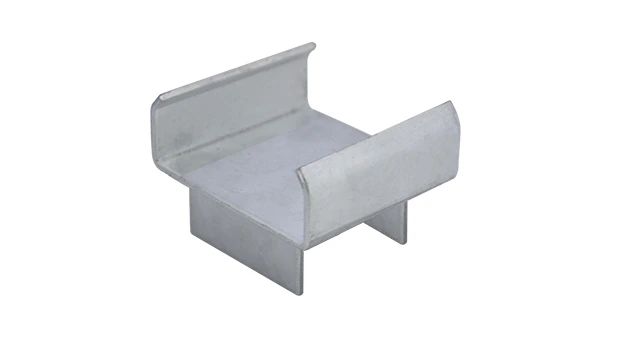
Meet the Unsung Hero: What Is a Roller Track Placon Mount Center Support Bracket?
Think of your roller track as a bridge. A bridge without pillars sags under weight, right? Your roller track is no different. The Center Support Bracket is the "pillar" that sits in the middle of long track sections, keeping everything straight and stable.
These brackets are small but mighty, typically made from durable aluminum profile (lightweight yet strong enough to handle heavy loads). They attach directly to your lean pipe framework or aluminum profile structures, acting as a central anchor point for the roller track. And yes—they're designed to work seamlessly with all kinds of tracks, from 40 steel roller tracks to 85 staggered aluminum tracks.
But why "placon mount"? That term refers to their unique mounting design, which uses specialized connectors to lock the bracket securely to the track. No more wobbly supports or loose bolts—just a rock-solid foundation that keeps your rollers rolling.

3 Ways This Bracket Solves Your Roller Jam Woes
You might be thinking, "It's just a bracket—how much difference can it make?" Let's break down its superpowers:
- Prevents Track Sagging: By adding a central support point, it keeps long tracks flat and level. No more mid-track dips where rollers get trapped. For example, a 6-meter roller track without a center bracket might sag 2-3mm in the middle—enough to disrupt material flow. With the bracket? Sagging is reduced to less than 0.5mm.
- Distributes Weight Evenly: When you load up a roller track with heavy components (like 3C assembly parts or medical device kits), the bracket spreads that weight across the entire structure. This means no single roller takes the brunt of the load, reducing wear and tear.
- Stabilizes Against Vibrations: Production lines are noisy places—conveyors hum, machines vibrate, and workers move quickly. Over time, these vibrations loosen bolts and shift tracks. The Center Support Bracket acts as a shock absorber, keeping everything locked in place even during peak production hours.
One electronics manufacturer we worked with was dealing with daily roller jams on their 8-meter conveyor line. After installing these brackets, jams dropped by 92% in the first month. Their production manager joked, "I didn't realize how much time we wasted unjamming rollers until we stopped doing it!"
A medical device client came to us frustrated: Their cleanroom roller tracks (used to move sterile components) were jamming 3-4 times a week. Each jam required a full line shutdown and sanitization—a nightmare for compliance and deadlines.
Our team inspected the setup and noticed their 5-meter tracks had no center support. The tracks were sagging slightly, and the plastic roller guides were wearing unevenly. We installed Roller Track Placon Mount Center Support Brackets with height-adjustable feet (to ensure perfect leveling) and replaced the worn guides.
Result? Zero jams in the next 3 months. Their QA lead told us, "We used to dread audits because the jams left scratch marks on components. Now, the tracks run so smoothly, our inspectors can't find a single flaw."
Installing & Maintaining Your Bracket: Pro Tips
Even the best bracket won't work if it's installed wrong. Here's how to get it right:
Installation 101:
1. Measure Twice, Mount Once: Position the bracket exactly in the middle of your roller track section. For tracks longer than 4 meters, add a second bracket (every 3-4 meters is ideal).
2. Level It Like a Pro: Use a spirit level to ensure the bracket is perfectly horizontal. A tilted bracket can cause uneven wear—imagine driving a car with one wheel higher than the others!
3. Tighten Bolts Properly: Use a torque wrench to fasten the bracket to your aluminum profile or lean pipe frame. Over-tightening can strip threads; under-tightening leads to looseness. Aim for 15-20 Nm of torque (check your bracket's specs).
Maintenance Checklist (Do This Monthly):
• Inspect bolts for tightness (vibrations can loosen them over time). • Clean bracket joints with a dry cloth to remove dust or oil buildup. • Check for signs of bending or cracks (especially if you've had heavy loads recently). • Lubricate moving parts (if your bracket has adjustable components).
Pro tip: Take photos of the bracket installation when it's new. That way, you can compare later and spot any shifts or misalignment early.
Choosing the Right Bracket for Your Needs
Not all brackets are created equal. Here's what to look for when picking one for your setup:
• Load Capacity: If you're moving heavy automotive parts, go for a heavy-duty steel-reinforced bracket. For lighter 3C components, an aluminum bracket works great. • Track Type: Match the bracket to your roller track—some are designed for flat tracks, others for curved or inclined ones. • Environment: In ESD-sensitive areas (like electronics manufacturing), choose brackets with anti-static coatings to prevent static damage to parts. • Compatibility: Ensure it fits your existing lean pipe or aluminum profile system. Most suppliers (including us!) offer brackets that work with standard 28mm lean pipes and 40x40 aluminum profiles.
And remember: When in doubt, ask for a custom solution. Every factory is unique, and a one-size-fits-all bracket might not cut it for your specific production assemble line.
Final Thoughts: The Bracket That Keeps Your Lean System "Lean"
At the end of the day, lean manufacturing is about eliminating waste—whether that's wasted time, wasted materials, or wasted effort. Stuck rollers are a huge waste, but they're also preventable. The Roller Track Placon Mount Center Support Bracket might not be the flashiest part of your setup, but it's the kind of detail that separates a struggling line from a thriving one.
So next time you walk past your roller track, take a second look. Is there a center bracket holding it up? If not, that might be the missing piece in your efficiency puzzle. And if you're not sure where to start, reach out to a trusted lean pipe supplier who can help you pick the right bracket for your needs. Your rollers (and your bottom line) will thank you.