- Company Articles
- Products and Technology
- Installation And Maintenance
- Troubleshooting Wobbly Tracks: Fixes for End Support for Roller Track Placon Mount with Wheel

Troubleshooting Wobbly Tracks: Fixes for End Support for Roller Track Placon Mount with Wheel
Related Product
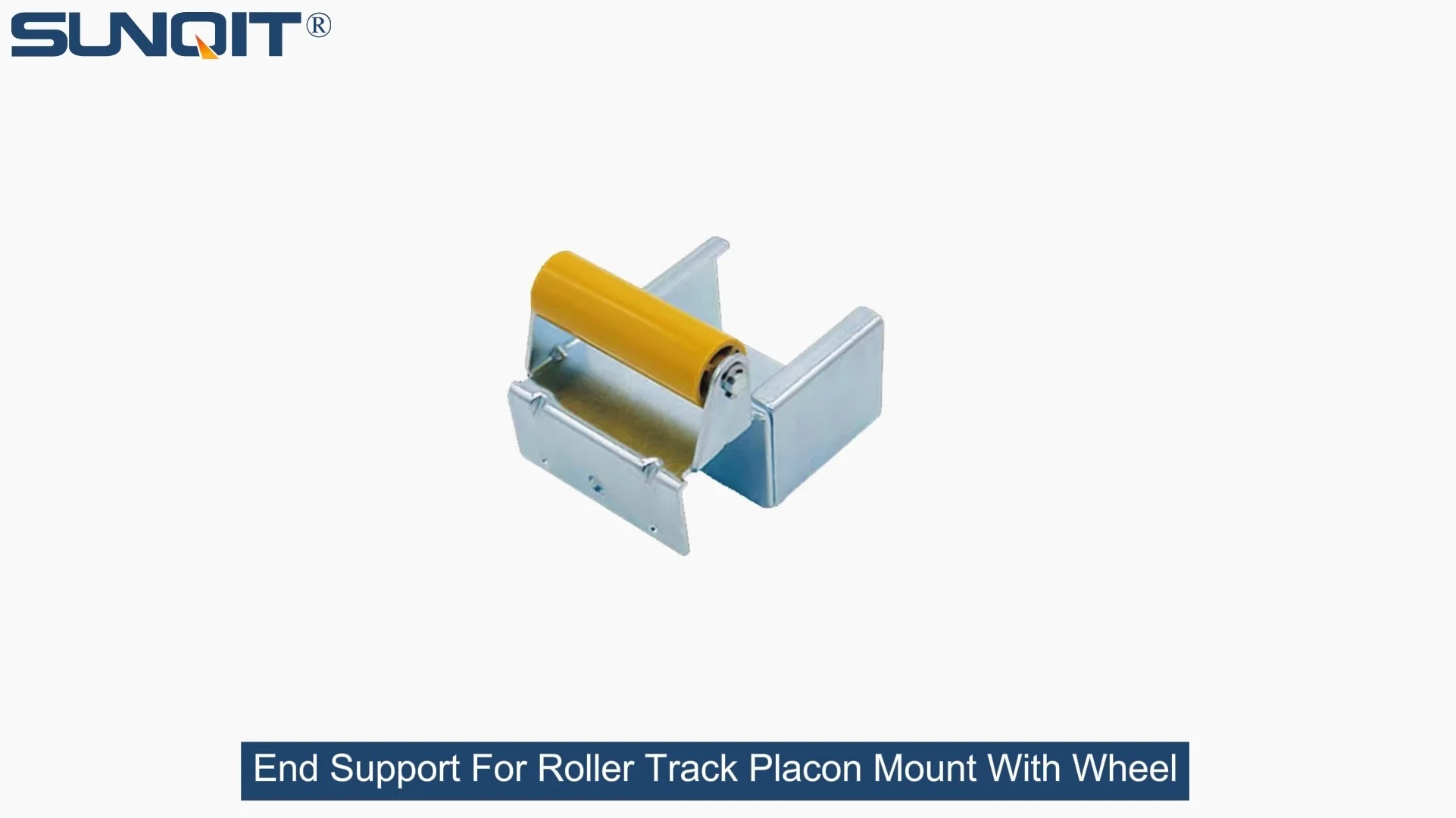
End Support for Roller Track Placon Mount with Wheel
End support for roller track placon mount with wheel,the special design with end wheel,make it with more flexible function for roller track and pipe connection and give more option for selection for building flow rack system.
There's a quiet hero in manufacturing facilities around the world: the roller track. It's the unsung backbone of production lines, silently moving components, assemblies, and materials from station to station. But when that track starts to wobble—especially at the end support where wheels are involved—suddenly, that hero becomes a problem. Materials jam. Production slows. And worst of all, you're left scratching your head, wondering why a system that should be seamless is now causing chaos. Let's dive into why these end supports wobble, how to fix them, and how to keep your roller tracks running smoothly for the long haul.
Why Roller Track Stability Matters More Than You Think
Before we jump into fixes, let's talk about why stability in roller tracks—specifically the end support with wheels—is non-negotiable. In lean manufacturing, every second counts. A wobbly track doesn't just waste time; it threatens the entire rhythm of your operation. Components might shift, leading to misalignments in assembly. Fragile parts could get damaged, eating into your bottom line. And let's not forget safety: a track that's off-kilter increases the risk of slips, trips, or falls for your team.
Think about it this way: your roller track is part of a larger lean system. When one piece falters, the whole system feels the impact. That's why addressing wobbles isn't just about "fixing a part"—it's about protecting your workflow, your products, and your team's ability to do their best work.
Common Causes of Wobbly End Supports (and What's Really Happening)
Wobbles rarely happen out of nowhere. They're usually a sign of one (or more) underlying issues. Let's break down the most likely culprits, especially when dealing with end supports that have wheels:
1. Loose or Misaligned Placon Mounts
The placon mount is the unsung connector that links your roller track to the aluminum profile or frame. If it's not tightened properly, or if it's mounted at the wrong angle, the entire end support starts to shift. Over time, vibrations from the track can loosen bolts even more, turning a small wiggle into a full-blown wobble.
2. Worn-Out Wheels or Bearings
End supports with wheels are designed for flexibility—maybe to adjust the track's position or absorb minor shocks. But those wheels take a beating. Dirt, debris, or just plain old wear can grind down the bearings or warp the wheel itself. When that happens, the support can't roll smoothly (or stay upright), leading to instability.
3. Overloading the Track
Every roller track has a weight limit. Push past that, and you're asking for trouble. Excess weight strains the end support, bending brackets or even cracking the aluminum pipe that forms the track's backbone. Suddenly, what was once a sturdy system starts to sag and sway.
4. Environmental Stressors
Manufacturing floors aren't gentle places. Constant vibrations from nearby machinery, temperature fluctuations (which can expand or contract aluminum parts), or even uneven floors can throw off the track's alignment. Over time, these small stresses add up, turning a stable support into a wobbly one.

Step-by-Step Fixes: Getting Your Roller Track Stable Again
Now that we know the "why," let's focus on the "how." Here's a practical, step-by-step guide to troubleshooting and fixing that wobbly end support for your roller track placon mount with wheel.
Step 1: Safety First—Power Down and Inspect
Before touching anything, shut down the production line. You don't want the track moving while you're working on it. Then, take a slow, careful look at the end support. Is the wheel cracked? Are bolts hanging loose? Is the placon mount bent? Note everything you see—this will guide your next moves.
Step 2: Tighten Loose Connections (The Quick Win)
Start with the simplest fix: tightening. Grab a wrench or screwdriver and check all bolts and connectors on the placon mount, the wheel bracket, and where the support attaches to the track. Pay extra attention to the roller track placon mount connector—this small part is often the source of wobbles. If bolts are stripped or missing, replace them immediately with high-quality replacements (avoid generic hardware; they might not hold up).
Step 3: replace Worn Wheels or Bearings
If the wheel is wobbly even when bolts are tight, it's time to check the wheel itself. Spin it by hand—does it turn smoothly, or does it grind or catch? If it's rough, the bearings are likely shot. Swap in a new wheel (look for ones with sealed bearings to keep out dirt). Make sure the replacement matches the original size and weight rating—using a smaller wheel, for example, can throw off the track's alignment.
Step 4: Reinforce the Structure with Aluminum Profile Accessories
If the aluminum pipe or placon mount bracket is bent (a common issue with overloading), you might need to reinforce the structure. Add an extra aluminum guide rail (like Aluminum Guide Rail A or B) alongside the existing track for added support. Or use a gusset plate (like Gusset Alp 4040) to strengthen the connection between the end support and the main frame. These small additions can make a huge difference in stability.
Step 5: Adjust for Alignment and Weight
Even if parts aren't broken, misalignment can cause wobbles. Use a level to check if the track is straight horizontally and vertically. If it's off, adjust the end support's height or position (the wheels come in handy here!). Also, double-check your load. If you're regularly pushing the track's limits, consider upgrading to a heavier-duty model or adding a second support in the middle of long tracks.

Quick Reference: Troubleshooting Table for End Support Wobbles
| Symptom | Likely Cause | Fix |
|---|---|---|
| Track sways side-to-side at the end | Loose placon mount connector or bolts | Tighten all bolts; replace stripped hardware |
| Wheel drags or doesn't roll smoothly | Worn bearings or dirty wheel | Clean or replace wheel; lubricate bearings |
| End support dips downward under load | Overloading or bent aluminum bracket | Reduce load; add gusset plate or reinforce with aluminum profile |
| Track wobbles only during production (not when idle) | Environmental vibrations or uneven floor | Add vibration-dampening pads; level the floor under the support |

Preventing Wobbles: Long-Term Maintenance Tips
Fixing a wobbly track is great—but keeping it from wobbling again is even better. Here's how to make stability a permanent part of your roller track's life:
- Stick to a Maintenance Schedule: 10.,,.,.
- Train Your Team: ,..
- Invest in Quality Parts: ,(aluminum pipe).,.
- Integrate with Your Lean System: .,——,.
When to Call in the Pros: Custom Solutions for Tricky Wobbles
Sometimes, wobbles are a sign that your current setup just isn't cutting it. Maybe your production needs have grown, or your track is handling heavier loads than it was designed for. That's where custom solutions come in. Whether you need a reinforced roller track, a modified end support, or a complete lean system overhaul, working with a supplier that understands both roller tracks and lean manufacturing can make all the difference. Look for partners who offer tailored designs—ones that factor in your specific workflow, load requirements, and facility layout. After all, the best fix for a wobbly track is to build one that's stable from the start.
Final Thoughts: Stability as the Foundation of Efficiency
A wobbly roller track might seem like a small problem, but in manufacturing, small problems have a way of snowballing. By taking the time to troubleshoot end supports with wheels—checking connections, replacing worn parts, and reinforcing weak spots—you're not just fixing a track. You're protecting your production flow, your team's safety, and your bottom line.
Remember: the goal isn't just to stop the wobble today. It's to build a system that stays stable tomorrow, next month, and next year. With the right fixes, regular maintenance, and a commitment to quality parts, your roller track can get back to being the quiet hero it was always meant to be.