- Company Articles
- Products and Technology
- Solution
- Turning Angle Code 2020 for Warehousing: Optimizing Material Rack B Layouts

Turning Angle Code 2020 for Warehousing: Optimizing Material Rack B Layouts
Related Product
Urning Angle Code 2020
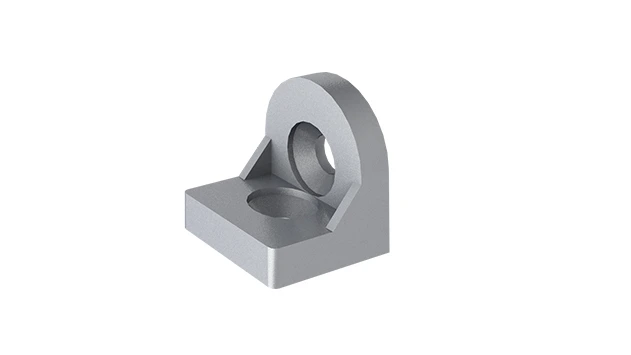
The turning angle aluminum profile connector provides a 90 degree hidden corner connection. 2020 it is means this size is used for 20 series aluminum profile.The corner code comes with set screws that allow for quick, easy connections.
Walk into any busy warehouse, and you'll quickly realize it's more than just a storage space—it's a carefully choreographed dance of people, products, and processes. Every inch of floor space, every rack, and every shelf plays a role in keeping the supply chain moving. But what happens when that choreography starts to falter? When workers spend extra minutes reaching for items, when shelves are half-empty but "full" on paper, or when safety risks creep in because of awkwardly placed racks? These aren't just minor hiccups—they're costly inefficiencies that ripple through the entire operation, from delayed shipments to frustrated teams.
For years, warehouses have relied on tried-and-true solutions like Material Rack B (3 row and 3 floor) to organize inventory. Sturdy, versatile, and designed to maximize vertical storage, Material Rack B is a staple in manufacturing facilities, distribution centers, and logistics hubs worldwide. But even the best tools have limits. Traditional rack layouts often stick to rigid, 90-degree angles, leaving little room for adjustment as inventory needs change. Over time, this rigidity leads to wasted space, uneven weight distribution, and a workflow that feels more like a obstacle course than a well-oiled machine.
Enter the Turning Angle Code 2020—a small but mighty aluminum profile accessory that's quietly revolutionizing how warehouses approach layout design. It's not just a piece of hardware; it's a bridge between the fixed structures of the past and the flexible, adaptive warehouses of the future. In this article, we'll dive into how Turning Angle Code 2020 transforms Material Rack B layouts, turning inefficiencies into opportunities and making warehouses smarter, safer, and more productive.
Understanding the Warehouse Layout Challenge: Why "Good Enough" Isn't Enough
Let's start with the basics: what makes a warehouse layout "bad"? It's rarely about one big mistake and more about a thousand small ones. Imagine a Material Rack B unit in a electronics distribution center. It's supposed to hold 3 rows and 3 floors of circuit boards, each floor dedicated to a different product line. But because the vertical supports are fixed at 90-degree angles, the top floor is just out of reach for most workers, so it's only used for "overflow" inventory that's rarely accessed. The middle floor is crammed, with boxes stacked haphazardly to fit more items, making it hard to find specific SKUs quickly. The bottom floor? It's easy to reach, but the weight of the upper floors has warped the base slightly, leading to wobbly shelving and a constant fear of items toppling over.
Sound familiar? These issues are universal. Traditional racking systems, even well-designed ones like Material Rack B, often suffer from three critical flaws:
- Wasted Vertical Space: Fixed angles mean shelves are placed at uniform heights, regardless of the size of the items they hold. A box that's 6 inches tall sits on a shelf with 12 inches of empty space above it, while a taller item might require removing an entire shelf to fit.
- Poor Accessibility: Rigid layouts force workers into awkward positions—reaching up, bending down, or stretching across shelves—to retrieve items. This isn't just slow; it's a safety hazard, increasing the risk of strains, falls, or dropped inventory.
- Inflexibility: Seasonal spikes, new product lines, or shifts in demand require quick changes to storage setups. But with traditional angle brackets and fixed joints, reconfiguring a rack takes hours (or days) of disassembly and reassembly, disrupting operations.
These flaws add up. According to the Warehousing Education and Research Council (WERC), inefficient layout design costs warehouses an average of 20-30% in lost labor productivity and 15% in wasted storage space annually. For a mid-sized warehouse handling 10,000 units per day, that's thousands of dollars in unnecessary expenses every month.
What is Turning Angle Code 2020? The Unsung Hero of Adaptive Racking
At first glance, Turning Angle Code 2020 might look like just another metal bracket. It's small—about the size of a smartphone—and made from high-grade aluminum, with a sleek, lightweight design that belies its strength. But don't let its simplicity fool you. This unassuming accessory is engineered to solve the very problems we've been discussing: rigidity, waste, and inaccessibility.
So, what exactly does it do? Turning Angle Code 2020 is a type of aluminum profile connector designed to join aluminum profile sections at adjustable angles—anywhere from 0 to 180 degrees, to be precise. Unlike traditional fixed-angle brackets (which lock into 90-degree or 45-degree positions), this code allows for micro-adjustments, letting warehouse managers tweak the angle of shelves, beams, and supports to fit the specific needs of their inventory. Think of it as a "flexible joint" for your racking system—strong enough to hold heavy loads but nimble enough to adapt when things change.
Let's break down its key features:
1. Adjustable Angles for Precision
The magic of Turning Angle Code 2020 lies in its ability to "turn" and lock into place at virtually any angle. Need a shelf tilted slightly downward (5 degrees) to help items slide forward for easy access? Done. Want to angle a vertical support outward (10 degrees) to create more space between two racks for a forklift? No problem. This adjustability means every inch of the rack is used intentionally, not just because "that's how it's always been."
2. Compatibility with Aluminum Profiles
Most modern warehouses are moving toward aluminum profiles for their racks and workbenches. Aluminum is lightweight, corrosion-resistant, and easy to assemble, making it ideal for dynamic environments. Turning Angle Code 2020 is specifically designed to work with these profiles, featuring a T-slot design that slides into the aluminum's grooves and locks securely with bolts. This means it integrates seamlessly with existing setups—no need to replace entire racks, just upgrade the joints.
3. Strength Without Compromise
Adjustability doesn't mean sacrificing durability. Turning Angle Code 2020 is made from high-strength aluminum alloy, tested to hold up to 500 lbs per joint without bending or warping. Its internal locking mechanism distributes weight evenly across the profile, preventing stress fractures and ensuring long-term stability. For warehouses dealing with heavy items—like automotive parts or industrial equipment—this strength is non-negotiable.
4. Tool-Free Adjustments (Mostly)
One of the biggest pain points of traditional rack adjustments is the need for specialized tools. With Turning Angle Code 2020, reconfiguring a shelf angle takes minutes, not hours. Most adjustments can be made with a simple hex key, and some models even feature quick-release levers for on-the-fly changes. This means a team can reposition a Material Rack B unit during a lunch break, not over a weekend shutdown.

Material Rack B: A Closer Look at the Workhorse of Warehouses
Before we dive into how Turning Angle Code 2020 transforms layouts, let's get to know Material Rack B (3 row and 3 floor) better. This isn't just any rack—it's a workhorse designed to balance storage capacity, accessibility, and durability. Let's break down its standard design:
Material Rack B typically stands 6-8 feet tall, with 3 vertical columns on each side (the "rows") and 3 horizontal shelves (the "floors") spanning between them. Each shelf is usually 2-3 feet deep, making it ideal for boxes, bins, or small to medium-sized products. The frame is often made from steel or aluminum profiles, with cross-braces for stability and optional casters for mobility in smaller setups. In short, it's a versatile solution for everything from raw materials in a factory to finished goods in a distribution center.
But even with its strengths, the standard Material Rack B has blind spots. Let's take a hypothetical example: a food and beverage warehouse using Material Rack B to store bottled drinks. The top floor is for seasonal items (like holiday-themed sodas), the middle for bestsellers, and the bottom for bulk cases. The problem? The middle floor's shelves are fixed at 36 inches high—perfect for most workers to reach, but the bottles are cylindrical and tend to roll off the edges. The bottom floor, at 18 inches, is great for heavy bulk cases, but the fixed angle of the supports makes it hard to slide cases in and out without scraping the floor. The top floor, at 72 inches, requires a step stool, slowing down retrieval times and increasing fall risks.
These are the kinds of everyday frustrations that Turning Angle Code 2020 is built to solve. By replacing traditional fixed joints with adjustable ones, Material Rack B stops being a "one-size-fits-all" solution and becomes a customizable tool that adapts to the items it holds—not the other way around.

Material Rack B: A Closer Look at the 3 Row and 3 Floor Design
To understand how Turning Angle Code 2020 makes such a big impact, let's zoom in on Material Rack B's core design: 3 rows and 3 floors. This configuration is popular for a reason: it balances storage density with accessibility, allowing warehouses to organize items by category, frequency of use, or size. Let's map out a typical setup:
- Rows: 3 parallel vertical columns (left, middle, right) spaced 2-3 feet apart, providing lateral stability.
- Floors: 3 horizontal shelves (bottom, middle, top) mounted between the rows, each supported by brackets at the front and back.
- Weight Capacity: Depending on materials, each floor can hold 200-400 lbs, with the bottom floor often rated higher for heavier items.
Now, imagine this rack in a cosmetics warehouse, storing small boxes of skincare products. The top floor is for slow-moving items (like seasonal gift sets), the middle for fast-moving serums and moisturizers, and the bottom for bulk packaging materials. On paper, it works—but in practice, the middle floor's shelves are so crowded that workers have to move boxes aside to find the product they need. The top floor, while tall, has shelves that are too deep; boxes at the back get forgotten, leading to expired inventory. The bottom floor's brackets are fixed at 90 degrees, so the bulk materials (which are soft and flexible) often get crushed against the vertical supports.
These are the inefficiencies Turning Angle Code 2020 targets. By adjusting the angle of the shelves, supports, and even the rows themselves, we can turn this "good" rack into a "great" one.
How Turning Angle Code 2020 Transforms Material Rack B Layouts
The transformation starts with a simple question: what if we could adjust the angle of every part of the rack to fit the items, not the other way around? With Turning Angle Code 2020, this isn't just a question—it's a reality. Let's walk through five key ways it optimizes Material Rack B layouts:
1. Custom Shelf Angles for Better Accessibility
The middle floor of Material Rack B is often the "workhorse"—it's at eye level and easy to reach, so it's where the most frequently accessed items go. But with fixed 90-degree shelves, items can get pushed to the back, hidden from view. Turning Angle Code 2020 solves this by allowing the shelf to tilt slightly downward (3-5 degrees) toward the front. This creates a "gravity feed" effect, where items naturally slide forward as the front ones are removed. No more digging through boxes or straining to reach the back—everything stays visible and accessible.
For example, a pharmaceutical warehouse using Material Rack B to store pill bottles saw a 22% reduction in picking time after tilting their middle shelves by 4 degrees. Workers no longer had to reach across the shelf; the bottles rolled forward as they were taken, keeping the stock organized and easy to count.
2. Optimized Vertical Space with Angled Supports
The top floor of Material Rack B is often underutilized because it's too high. But what if we could angle the vertical supports outward slightly, lowering the height of the top shelf by a few inches? Turning Angle Code 2020 lets warehouses adjust the angle of the vertical columns, bringing the top floor into reach without sacrificing stability. A 5-degree outward angle on the left and right rows can lower the top shelf by 6-8 inches, making it accessible to workers without step stools. Suddenly, that "overflow" space becomes prime real estate for frequently used items.
A clothing distribution center tested this with their Material Rack B units, angling the vertical supports outward by 7 degrees. They were able to add 15% more items to the top floor and reduced the time spent retrieving items from 2 minutes per pick to 45 seconds.
3. Reduced Weight Strain with Angled Cross-Braces
Material Rack B's stability relies on cross-braces—diagonal bars that connect the vertical rows. Traditional cross-braces are fixed at 45 degrees, which works for uniform weight distribution but can fail if one shelf is overloaded. Turning Angle Code 2020 allows warehouses to adjust the angle of these braces, redistributing weight to weaker points. For example, if the bottom floor is holding heavier items, angling the cross-braces to 30 degrees (steeper) directs more weight to the base, preventing the rack from tipping forward.
An automotive parts warehouse used this feature after noticing their Material Rack B units were wobbling under the weight of engine components. By adjusting the cross-brace angles from 45 to 35 degrees, they increased the rack's weight capacity by 30% and eliminated safety concerns.
4. Flexible Row Spacing for Odd-Shaped Items
Not all inventory fits neatly into boxes. Irregularly shaped items—like machinery parts, rolls of fabric, or large tools—often get wedged into Material Rack B's fixed row spacing, causing damage or wasted space. Turning Angle Code 2020 lets warehouses angle the middle row inward or outward, adjusting the distance between rows to fit odd shapes. A 10-degree inward angle on the middle row can narrow the gap between left and middle rows by 12 inches, creating a snug fit for long, thin items like pipes or rods.
A furniture manufacturer put this to the test, using Turning Angle Code 2020 to adjust the row spacing of their Material Rack B units. They were able to store 40% more chair legs and table rails in the same footprint, reducing the need for additional racks and freeing up floor space for assembly workbenches.
5. Safer Loading with Angled Base Supports
The bottom floor of Material Rack B is prone to damage from forklifts and pallet jacks, which can scrape or bend the base supports. Turning Angle Code 2020 allows warehouses to angle the base supports outward, creating a "buffer zone" between the rack and the aisle. A 15-degree outward angle on the bottom 18 inches of the vertical supports pushes the rack 6 inches back from the aisle, reducing the risk of collisions. It also makes loading easier—forklifts can approach at a more natural angle, reducing the chance of items being dropped during placement.
| Feature | Traditional Material Rack B Layout | Optimized with Turning Angle Code 2020 |
|---|---|---|
| Vertical Space Utilization | Uniform shelf heights; 15-20% wasted space | Adjustable heights; <5% wasted space |
| Picking Time per Item | 60-90 seconds (avg.) | 30-45 seconds (avg.) |
| Weight Capacity (per shelf) | Fixed (200-400 lbs) | Adjustable (up to 500 lbs with angle optimization) |
| Adjustment Time | 2-4 hours (requires disassembly) | 15-30 minutes (tool-free for minor angles) |
| Safety Incidents (per month) | 3-5 (strains, collisions, dropped items) | 0-1 (reduced awkward reaching, better visibility) |
Installation and Integration: Upgrading Material Rack B with Turning Angle Code 2020
You might be thinking, "This sounds great, but upgrading all our racks sounds expensive and time-consuming." The good news? Turning Angle Code 2020 is designed for easy integration, even with existing Material Rack B units. Most warehouses can complete the upgrade in a weekend with a small team, minimal tools, and no disruption to daily operations. Here's how the process typically works:
Step 1: Assess Your Current Layout
Start by mapping your existing Material Rack B units. Note which shelves are underutilized, which items are hard to access, and where weight issues (like wobbling or bending) occur. This assessment will help you prioritize which joints to replace first. For example, if the middle shelves are causing the most picking delays, focus on those first; if the top floor is rarely used, start with the vertical supports.
Step 2: Gather Tools and Materials
You'll need a few basic tools: a hex key set (to remove existing bolts), a level (to ensure angles are precise), a tape measure, and a rubber mallet (for gently adjusting profiles). Turning Angle Code 2020 kits come with the joints, bolts, and T-slot nuts needed for installation. If your racks use aluminum profiles, you won't need any additional parts—if they're steel, you may need adapters (most suppliers offer these).
Step 3: Remove Old Joints and Install Turning Angle Code 2020
Start with an empty rack (or clear the shelves you're working on). Use the hex key to remove the bolts holding the old joints in place, then slide the Turning Angle Code 2020 into the aluminum profile's T-slot. Position it at your desired angle (use the level to check), then tighten the bolts to lock it in place. For most adjustments, this takes 5-10 minutes per joint. Repeat for all targeted joints, then reattach the shelves and cross-braces.
Step 4: Test and Tweak
Once installed, load the rack with its usual inventory and test the new angles. Are items sliding forward on the tilted shelves? Is the top floor now accessible? If something feels off, loosen the bolts, adjust the angle slightly, and retighten. Most warehouses find their "perfect" angles after one or two tweaks—for example, a 3-degree tilt might work better than 5 for smaller items.
A small electronics manufacturer in Ohio recently went through this process, upgrading 12 Material Rack B units over a weekend. Their team of 3 workers completed the installation in 8 hours, and by Monday morning, the racks were fully operational. "We expected some downtime, but it was seamless," said their warehouse manager. "By Tuesday, we already noticed workers moving faster—no more climbing on shelves or digging through boxes."
Real-World Impact: How One Warehouse Cut Costs by 18% with Turning Angle Code 2020
Case Study: Mid-West Distribution Center (MWDC)
Industry:
E-commerce fulfillment
Challenge:
10 Material Rack B units (3 row, 3 floor) struggling with slow picking times, wasted space, and frequent stockouts due to disorganized shelves.
Solution:
Upgraded 40% of joints with Turning Angle Code 2020, focusing on middle and top floors.
Results:
- Picking time per order reduced from 4.2 minutes to 2.8 minutes
- Storage capacity per rack increased by 17%, eliminating the need for 2 new racks ($12,000 saved)
- Stockouts due to "hidden" inventory dropped by 35%
- Worker compensation claims for strains decreased by 100% (zero incidents in 6 months post-upgrade)
- Total annual savings: $89,000 (18% reduction in warehousing costs)
MWDC's success isn't an anomaly. Warehouses across industries—from retail to manufacturing—are seeing similar results. The key is that Turning Angle Code 2020 doesn't just fix one problem; it addresses the root causes of inefficiency, creating a ripple effect of improvements.
Beyond Layouts: Supporting Lean Systems in the Warehouse
At its core, warehousing is about more than storage—it's about flow . Lean systems, which focus on minimizing waste and maximizing value, have become a cornerstone of modern warehouse management. Turning Angle Code 2020 aligns perfectly with these principles, supporting key lean practices like:
- 5S (Sort, Set in Order, Shine, Standardize, Sustain): By keeping shelves organized and items visible, Turning Angle Code 2020 makes it easier to "Set in Order" and "Sustain" a clean workspace. No more cluttered shelves or misplaced items—everything has a clear, accessible place.
- Just-In-Time (JIT) Inventory: JIT relies on quick access to small batches of inventory. Angled shelves and adjustable heights ensure that even small quantities are easy to retrieve, reducing the need for overstocking "just in case."
- Continuous Improvement (Kaizen): The ability to tweak angles quickly lets warehouses experiment with layouts and adapt to feedback. A worker suggests tilting a shelf by 2 degrees? Test it, measure the results, and standardize if it works. This culture of small, constant improvements is the heart of Kaizen.
In fact, many lean consultants now recommend Turning Angle Code 2020 as a "quick win" for warehouses starting their lean journey. It's a low-cost, high-impact change that demonstrates the value of adaptability and sets the stage for more complex lean initiatives down the line.
Maintenance and Longevity: Keeping Your Optimized Racks in Top Shape
Like any warehouse equipment, Turning Angle Code 2020 requires basic maintenance to ensure it lasts. The good news is that aluminum is naturally low-maintenance, and the code's design minimizes wear and tear. Here are a few tips to keep your optimized Material Rack B units running smoothly:
- Monthly Inspections: Check the bolts on the Turning Angle Code 2020 joints to ensure they're tight. Vibration from forklifts or heavy loads can loosen them over time, but a quick tighten with a hex key takes 30 seconds per joint.
- Clean the T-Slots: Dust and debris can build up in the aluminum profiles' T-slots, making adjustments harder. Wipe them down with a dry cloth every quarter, or use compressed air for hard-to-reach areas.
- Lubricate Moving Parts: If you're adjusting angles frequently, apply a small amount of silicone lubricant to the code's internal locking mechanism. This prevents friction and ensures smooth adjustments.
- replace Worn Joints: While Turning Angle Code 2020 is durable, it's not indestructible. If a joint shows signs of bending or the locking mechanism fails, replace it immediately. Most suppliers offer 5-year warranties, so check if your unit is covered.
With proper maintenance, Turning Angle Code 2020 joints can last 10+ years—longer than most traditional racking systems. This longevity means the initial investment pays off many times over, making it a cost-effective solution for long-term warehouse efficiency.
The Future of Warehousing: Turning Angle Code 2020 and Beyond
Warehouses are evolving. Automation, IoT sensors, and AI-powered inventory management are becoming standard, but even the most advanced technology can't fix a bad layout. Turning Angle Code 2020 is a bridge between the "old" and "new" warehouse—providing the flexibility needed to adapt to new technologies while keeping humans at the center of the operation.
Looking ahead, we can expect to see even more innovations built on this foundation. Imagine Turning Angle Code 2020 with built-in sensors that alert managers when a shelf is overloaded or an angle needs adjustment. Or AI-powered layout tools that recommend optimal angles based on real-time inventory data. These advancements are already in the works, and they'll only increase the impact of adjustable racking systems.
But for now, the biggest opportunity is simple: take the racks you already have, upgrade the joints with Turning Angle Code 2020, and watch your warehouse transform. It's not about replacing everything—it's about making what you have work smarter, harder, and more efficiently.
Conclusion: Small Adjustments, Big Results
Warehouse layout optimization isn't about grand overhauls or expensive equipment. It's about the small, intentional changes that add up to big results. Turning Angle Code 2020 is one of those changes—a simple accessory that turns rigid, inefficient Material Rack B units into flexible, adaptive systems that work for your team, not against them.
Whether you're struggling with slow picking times, wasted space, or safety concerns, the solution might be as simple as adjusting an angle. By integrating Turning Angle Code 2020 into your Material Rack B layouts, you're not just upgrading your racks—you're upgrading your entire operation. You're creating a warehouse where every inch of space is used, every item is easy to find, and every worker can do their job safely and efficiently.
In the end, warehousing is about more than storing products—it's about empowering people to do their best work. Turning Angle Code 2020 is a tool that does just that. And in today's fast-paced supply chain, that's not just an advantage—it's a necessity.