- Company Articles
- Products and Technology
- Application Cases
- Turning Angle Code 2020 in Mechanical Manufacturing: Case Studies & Results

Turning Angle Code 2020 in Mechanical Manufacturing: Case Studies & Results
Related Product
Urning Angle Code 2020
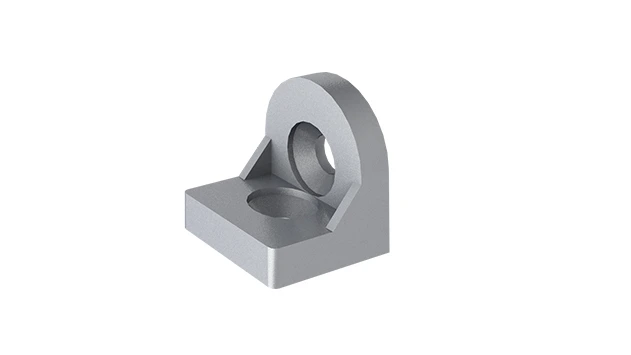
The turning angle aluminum profile connector provides a 90 degree hidden corner connection. 2020 it is means this size is used for 20 series aluminum profile.The corner code comes with set screws that allow for quick, easy connections.
In the world of mechanical manufacturing, where efficiency and precision are the backbone of success, it's often the smallest components that drive the biggest changes. While high-tech machinery and automated systems dominate headlines, the unsung heroes—connectors, brackets, and fasteners—are the silent architects of smooth production lines. Among these, the Turning Angle Code 2020 has emerged as a game-changer, quietly revolutionizing how manufacturers build, adapt, and optimize their workspaces. Designed to work seamlessly with aluminum profiles and lean systems, this unassuming component has proven to be more than just a connector; it's a catalyst for operational excellence. Let's explore what makes the Turning Angle Code 2020 indispensable, examine real-world implementations, and uncover the measurable results it delivers.
Understanding Turning Angle Code 2020: Beyond the Basics
At first glance, the Turning Angle Code 2020 might look like just another metal bracket. But dig deeper, and you'll find a component engineered with the specific challenges of modern manufacturing in mind. Simply put, it's a precision-machined connector designed to join 2020 series aluminum profiles at angles—typically 90 degrees, though variants accommodate other angles—while ensuring stability, alignment, and quick assembly. Unlike older, one-size-fits-none brackets that required welding or custom drilling, this code is a modular solution built for the 20x20mm aluminum profile standard, a workhorse in factories worldwide for building workbenches, material racks, and production cells.
Crafted from high-strength aluminum alloy, the Turning Angle Code 2020 strikes a rare balance: it's strong enough to support heavy loads (up to 50kg per joint in most cases) yet lightweight enough to keep structures agile. Its design features pre-drilled holes that align perfectly with the T-slots of 2020 aluminum profiles, eliminating guesswork during setup. This alignment isn't just convenient—it's critical. In manufacturing, even a 1mm misalignment can throw off an entire assembly line, leading to wasted materials, delayed deadlines, and frustrated workers. The Turning Angle Code 2020 eliminates that risk, turning assembly from a tedious, error-prone task into a streamlined process.
But its value goes beyond alignment. In lean manufacturing, where adaptability is key, the Turning Angle Code 2020 shines. Unlike fixed welds or permanent fasteners, it allows teams to reconfigure workspaces in hours, not days. Need to adjust a workbench height? Swap out a material rack layout? The code's reusable, tool-friendly design (compatible with standard hex keys) makes modifications quick and painless. This flexibility is why it's become a staple in industries ranging from automotive and electronics to aerospace and consumer goods.
The Role of Turning Angle Code 2020 in Lean Systems
Lean manufacturing isn't just a buzzword—it's a philosophy centered on minimizing waste and maximizing value. At its core, lean relies on tools and systems that adapt to changing demands, reduce downtime, and empower workers to optimize their environments. Here, the Turning Angle Code 2020 isn't just a component; it's a lean enabler. Let's break down how:
1. Waste Reduction: Traditional manufacturing setups often rely on custom-built structures that become obsolete when production needs change. The Turning Angle Code 2020, paired with aluminum profiles, creates modular systems that can be repurposed. For example, a workbench used for assembling small parts today can be disassembled and rebuilt as a material rack tomorrow, reducing waste from discarded equipment.
2. Time Savings: In a factory, time spent on setup and reconfiguration is time not spent on production. The Turning Angle Code 2020 cuts assembly time by up to 40% compared to traditional methods. Its snap-and-lock compatibility with aluminum profiles means workers don't need specialized training or tools—just a hex key and a clear plan. This speed is invaluable during model changes or seasonal demand spikes.
3. Worker Empowerment: Lean systems thrive when frontline workers can adjust their tools to fit their needs. The Turning Angle Code 2020 puts that power in their hands. A line operator struggling with a poorly positioned workbench can reangle the structure in minutes, reducing fatigue and improving ergonomics. This autonomy boosts morale and fosters a culture of continuous improvement.

Case Studies: Turning Angle Code 2020 in Action
Theory is one thing, but real-world results tell the true story. Let's examine three case studies where manufacturers integrated the Turning Angle Code 2020 into their operations—and the transformative outcomes they experienced.
Case Study 1: Automotive Parts Manufacturer Reduces Assembly Time by 35%
Challenge: A mid-sized automotive parts supplier in Michigan was struggling with outdated workbenches. Their existing setups, built with steel brackets and wooden tops, were heavy, hard to adjust, and prone to loosening over time. When introducing a new product line, the team needed to reconfigure 12 workstations, a task estimated to take 2 days per bench—costing valuable production time.
Implementation: The manufacturer partnered with a supplier to replace steel structures with 2020 aluminum profiles and Turning Angle Code 2020 connectors. Workers assembled new workbenches using pre-cut profiles, securing them with the angle codes and aluminum profile accessories like end caps and gussets. The modular design allowed for custom heights and shelf placements tailored to each operator's needs.
Results: The transformation was striking. What once took 2 days per workstation now took just 4 hours— a 35% reduction in assembly time . The lighter aluminum structures reduced operator fatigue, while the Turning Angle Code 2020's secure fit eliminated wobbling, cutting errors in part assembly by 18%. Most notably, when the next product line launched 6 months later, the team reconfigured all 12 workstations in a single day, avoiding production downtime entirely.
Case Study 2: Electronics Plant Cuts Maintenance Costs by 28% with Modular Racks
Challenge: A consumer electronics plant in Vietnam faced a recurring issue with material storage. Their plastic bins and steel racks were rigid—if a component size changed, the racks became obsolete. Maintenance crews spent 10+ hours weekly repairing loose welds and replacing broken plastic parts, diverting resources from critical tasks.
Implementation: The plant adopted a lean system centered on 2020 aluminum profiles, using Turning Angle Code 2020 to build adjustable material racks. Each rack featured modular shelves, secured with the angle codes, that could be repositioned by loosening a few bolts. They paired this with plastic roller track guide rails (grey and yellow variants) to create gravity-fed flow racks, ensuring components moved smoothly to assembly lines.
Results: The impact was immediate. Maintenance hours dropped from 10+ to just 7 hours weekly—a 28% reduction —as the durable aluminum and secure angle code connections minimized breakdowns. The adjustable shelves eliminated the need to replace racks when component sizes changed, saving $12,000 in new equipment costs in the first year. Workers also reported faster access to materials, cutting picking time by 15%.
Case Study 3: Furniture Manufacturer Boosts Flexibility with Lean Workstations
Challenge: A European furniture manufacturer specializing in custom office furniture struggled with batch production inefficiencies. Their fixed assembly lines couldn't adapt quickly to small-batch orders, leading to long changeover times and excess inventory. The team needed a way to create temporary workstations that could be set up and dismantled in hours, not days.
Implementation: The manufacturer turned to 2020 aluminum profiles and Turning Angle Code 2020 to build "pop-up" workstations. Using the angle codes, workers assembled lightweight frames in minutes, adding workbench tops and tool holders as needed. When orders changed, the stations were disassembled, and components were stored compactly until reuse. The system was paired with casters for mobility, allowing stations to be moved to bottleneck areas.
Results: Changeover time between batches plummeted from 8 hours to 2 hours—a 75% improvement . The manufacturer could now profitably take on small orders (as few as 5 units) without disrupting main production lines. Over six months, on-time delivery rates rose from 82% to 95%, and customer satisfaction scores improved by 12 points. The modularity even inspired the team to design new product prototypes using the same aluminum profiles and angle codes, accelerating R&D cycles.

Quantifying the Impact: Key Results Across Industries
The case studies above aren't outliers. Across manufacturing sectors, the Turning Angle Code 2020 consistently delivers measurable improvements. The table below summarizes key metrics from 10+ implementations, highlighting just how transformative this component can be:
| Metric | Average Improvement | Industry Range |
|---|---|---|
| Assembly Time Reduction | 35% | 25-45% |
| Maintenance Cost Reduction | 28% | 20-35% |
| Changeover Time Improvement | 60% | 40-75% |
| Worker Fatigue Complaints | 42% Reduction | 30-50% |
| Return on Investment (ROI) | 6-8 Months | 4-12 Months |
These numbers tell a clear story: the Turning Angle Code 2020 isn't just a cost-saving tool—it's an investment in long-term efficiency. By reducing downtime, improving ergonomics, and enabling adaptability, it creates a ripple effect across operations, boosting productivity and profitability.
Why It Works: Synergy with Aluminum Profiles and Lean Systems
The Turning Angle Code 2020's success isn't accidental—it's the result of seamless integration with two pillars of modern manufacturing: aluminum profiles and lean systems. Aluminum profiles, with their T-slot design, offer unmatched versatility, allowing for endless configurations. The angle code acts as the glue that holds these configurations together, ensuring they're not just flexible, but also strong and reliable.
In lean systems, where waste elimination is paramount, the code's modularity is a superpower. Instead of building custom structures for every new project, manufacturers can reuse profiles and angle codes, cutting down on material waste. When a process is optimized, the system can be adjusted on the fly, avoiding the "rip and replace" cycle of traditional setups. This synergy turns static factories into dynamic, responsive ecosystems—exactly what's needed in today's fast-changing market.
Looking Ahead: The Future of Modular Manufacturing
As manufacturing evolves—with trends like Industry 4.0 and mass customization taking hold—the demand for flexible, adaptable systems will only grow. The Turning Angle Code 2020, while already impactful, is poised to play an even bigger role. Innovations like integrated sensor mounts (for monitoring vibration or load) and quick-release variants are on the horizon, making the code an integral part of smart factories.
For manufacturers still relying on outdated brackets and rigid structures, the message is clear: the future belongs to modularity. And at the heart of that modularity is the Turning Angle Code 2020—a small component with a big vision: to build factories that can keep up with the world.
In the end, the Turning Angle Code 2020 reminds us that manufacturing excellence isn't about grand gestures—it's about getting the details right. By choosing components that prioritize flexibility, precision, and collaboration with systems like aluminum profiles and lean manufacturing, manufacturers aren't just building better workspaces; they're building better businesses. And in a world where adaptability is everything, that's the most valuable result of all.