- Company Articles
- Products and Technology
- Product knowledge
- Turning Angle Code 3030 Cost-Effectiveness: Long-Term Savings for Factories

Turning Angle Code 3030 Cost-Effectiveness: Long-Term Savings for Factories
Related Product
Turning Angle Code 3030
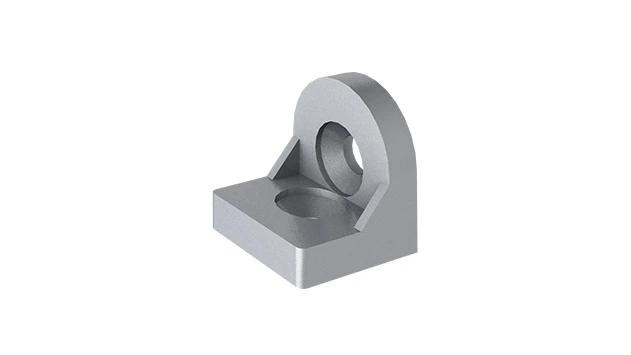
The turning angle aluminum profile connector provides a 90 degree hidden corner connection. 3030 it is means this size is used for 30 series aluminum profile.The corner code comes with set screws that allow for quick, easy connections.
Walk into any busy factory, and you'll see the pulse of production in motion: workers assembling products, materials flowing from one station to the next, and workbenches stacked with tools and components. What you might not notice at first glance are the small, unassuming parts that hold it all together—parts like the turning angle code 3030. These tiny connectors, often overlooked, are the unsung heroes of efficient manufacturing. In this article, we'll dive into why the turning angle code 3030 isn't just another piece of hardware, but a strategic investment that unlocks long-term savings for factories. We'll explore how it works with 3030 aluminum profiles, supports lean systems, and transforms everything from workbenches to flow racks—all while keeping costs in check.
What Is Turning Angle Code 3030, Anyway?
Let's start with the basics. If you've ever seen an aluminum profile workbench or a modular flow rack, you've probably noticed the sleek, silver frames. Those frames are typically made from aluminum profiles—hollow, extruded bars with T-slots running along their length that let you attach accessories. The 3030 aluminum profile, in particular, is a workhorse in factories: it's 30mm by 30mm in cross-section, sturdy enough for medium-duty tasks, yet lightweight enough to be easily maneuvered. But profiles alone can't form a frame—you need something to connect them at the corners. That's where the turning angle code 3030 comes in.
Think of the turning angle code 3030 as a high-tech bracket designed specifically for 3030 aluminum profiles. Shaped like a right angle (90 degrees), it fits snugly into the T-slots of two intersecting profiles, holding them firmly in place with screws. Unlike traditional welding or bulky clamps, these angle codes let you assemble and disassemble frames in minutes, with nothing more than a hex key. They're made from durable aluminum or steel, coated to resist corrosion, and engineered to handle the vibrations and weight of daily factory use. Simple as they seem, they're a game-changer for flexibility and cost.
Lean Systems Love Turning Angle Code 3030—Here's Why
In manufacturing, a "lean system" is all about cutting waste. That means less time spent on setup, fewer materials thrown away, and no unnecessary downtime. The turning angle code 3030 aligns perfectly with this philosophy. Let's break down how:
1. No More Welding Delays
Traditional factory setups often rely on welded steel frames. Need a new workbench? Call a welder, wait days for them to fabricate it, then hope it's exactly the right size. If you later need to adjust the height or add a shelf? You're back to welding—or worse, scrapping the whole thing. With turning angle code 3030 and 3030 aluminum profiles, your team can build a workbench in an afternoon. Loosen the screws, reposition the profiles, tighten them back up—done. No waiting, no wasted materials, and no paying for outside labor.
2. Adaptability for Changing Needs
Factories rarely stay the same. A product line might shrink, a new machine might arrive, or a customer order might require a different workflow. With rigid, welded setups, adapting means expensive overhauls. But with 3030 aluminum profiles and turning angle codes, reconfiguration is trivial. Take a flow rack, for example—used to hold boxes of components that feed into an assembly line. If you start producing larger boxes, you can quickly adjust the rack's height or add more levels by unfastening the angle codes, moving the profiles, and refastening. No need to buy a whole new rack; just repurpose what you have. That's waste reduction in action.
3. Lightweight, But Built to Last
Aluminum is lighter than steel, which makes moving workbenches or turnover trolleys easier on your team—reducing fatigue and the risk of injuries. But don't let the weight fool you: 3030 aluminum profiles, paired with sturdy turning angle codes and accessories like gusset alp 3030 (triangular support plates), can handle hundreds of pounds. A typical 3030-based workbench can easily support tools, components, and even small machinery without bending or wobbling. And because aluminum resists rust and corrosion, unlike steel, you won't have to replace frames every few years due to wear and tear.

The Numbers Don't Lie: Long-Term Savings Breakdown
At this point, you might be thinking, "Sure, it sounds flexible, but isn't aluminum more expensive than steel upfront?" It's true—3030 aluminum profiles and turning angle codes can cost more than basic steel tubing and welding. But cost-effectiveness isn't just about the first invoice; it's about total cost over time. Let's compare two scenarios: a traditional welded steel workbench versus a 3030 aluminum workbench built with turning angle code 3030. We'll track costs over 5 years, the average lifespan of a factory workbench.
| Cost Category | Traditional Steel Workbench (Welded) | 3030 Aluminum Workbench (Turning Angle Code 3030) |
|---|---|---|
| Initial Materials & Labor | $600 (steel tubing, welding labor) | $800 (3030 profiles, turning angle codes, assembly by factory staff) |
| Reconfiguration Costs (2x/year) | $400/year (welding, new materials) = $2,000 over 5 years | $0/year (no new materials, staff assemble in-house) |
| Maintenance (rust, repairs) | $150/year (painting, replacing rusted parts) = $750 over 5 years | $50/year (occasional screw tightening) = $250 over 5 years |
| Downtime During Changes | 2 days/change = 20 days over 5 years (lost production: ~$10,000*) | 2 hours/change = 20 hours over 5 years (lost production: ~$1,000*) |
| Total 5-Year Cost | ~$13,350 | ~$2,050 |
*Estimated lost production based on a factory with $500/hour output.
The difference is staggering: over 5 years, the aluminum workbench costs less than 15% of the traditional steel one. The initial savings of $200 on steel vanish when you factor in reconfiguration, maintenance, and downtime. That's the power of turning angle code 3030—it turns a higher upfront cost into massive long-term savings.

From Workbenches to Flow Racks: Where Else Does It Shine?
Workbenches are just the start. The turning angle code 3030 and 3030 aluminum profiles are versatile enough to build almost any factory fixture. Let's look at a few more applications where they deliver savings:
Flow Racks for Material Handling
Flow racks are essential for "first in, first out" (FIFO) material storage—think bins of screws or circuit boards sliding down inclined rollers to the assembly line. Traditional flow racks are often made from wood or fixed steel, which warp, rot, or can't be adjusted. With 3030 aluminum profiles and turning angle codes, you can build a flow rack that's lightweight, rust-proof, and fully adjustable. Need to change the angle of the rollers? Loosen the angle codes, tilt the frame, and retighten. Adding more levels? Screw in new profiles with angle codes. Even better, when your product line changes and you need a different rack size, you can take it apart and rebuild it—no waste, no new materials.
Turnover Trolleys for Efficient Transport
Turnover trolleys carry materials between stations, and they take a beating—banged into walls, loaded with heavy boxes, left out in dusty or humid conditions. Steel trolleys rust; plastic ones crack. 3030 aluminum trolleys, built with turning angle codes, are tough enough to handle the abuse but light enough for workers to push without strain. Add casters (using caster accessories like castor install base) and you've got a trolley that glides smoothly, even with a full load. When a caster wears out? Swap it in 5 minutes—no welding, no special tools. Over time, that means fewer replaced trolleys and less worker fatigue (which translates to fewer injuries and higher productivity).
Conveyor Frames That Keep Up with Demand
Conveyors move products along the assembly line, and their frames need to be sturdy yet precise. 3030 aluminum profiles, connected with turning angle codes, provide a lightweight frame that's easy to align and adjust. If you need to extend the conveyor or change its height to match a new machine, you can do it in hours instead of days. And because aluminum doesn't conduct electricity, it's safe for use near sensitive electronics—no need for expensive grounding. Even better, aluminum's natural resistance to corrosion means the frame will last for years, even in factories with coolants or lubricants splashing around.
Accessories Matter: Don't Skimp on the Extras
To get the most out of your turning angle code 3030 and 3030 aluminum profiles, you need the right accessories. These small parts might seem minor, but they make a big difference in durability and functionality:
- Gusset Alp 3030: These triangular plates bolt onto the corners of your frame, reinforcing the connection between profiles and angle codes. They add rigidity, preventing wobbling under heavy loads. Skipping gussets might save a few dollars upfront, but it could lead to bent frames or loose joints down the line—costing more to repair.
- End Caps: Simple plastic or aluminum caps that snap onto the ends of 3030 profiles. They keep out dust, debris, and moisture, which can corrode the inside of the profile over time. They also prevent workers from cutting themselves on sharp edges—a small detail that reduces injury risks.
- T-Slot Nuts and Screws: These specialized nuts slide into the T-slots of the profiles, letting you attach angle codes, shelves, or other accessories. Using high-quality, corrosion-resistant screws (like stainless steel) ensures they won't seize up when you need to disassemble the frame later.
Think of it like building a house: even the best foundation (profiles) and framing (angle codes) need quality nails (accessories) to stay strong. Cutting corners here leads to extra costs down the road.
Choosing a Supplier: Why Reliability Beats Cheap Prices
Not all turning angle code 3030 or 3030 aluminum profiles are created equal. A quick online search will turn up suppliers offering rock-bottom prices, but those parts often skimp on quality—thin aluminum, weak angle codes that bend, or screws that strip easily. When a component fails, it's not just the cost of replacement; it's the downtime while your team fixes it, the risk of damaged products, and the frustration of dealing with unreliable equipment.
Look for a supplier that specializes in lean manufacturing components—someone who understands the needs of factories. Check for certifications (like ISO 9001) that ensure consistent quality. Ask about material thickness: a 3030 aluminum profile should have walls thick enough to handle your loads (typically 1.5mm or more for medium-duty use). And don't be afraid to request samples: test the angle codes by assembling a small frame and giving it a good shake—if it wobbles or the screws loosen easily, keep looking.
A reliable supplier isn't just a vendor; they're a partner. They'll help you choose the right profiles and accessories for your needs, offer technical support if you run into issues, and deliver parts on time—so your factory stays up and running.
Final Thoughts: Small Parts, Big Impact
The turning angle code 3030 might not be the flashiest part of your factory. It won't get featured in product demos or win awards for innovation. But when you add up the savings—less downtime, lower maintenance, no wasted materials, and the flexibility to adapt to change—it's clear this tiny connector is a powerhouse for cost-effectiveness. Pair it with 3030 aluminum profiles, quality accessories, and a reliable supplier, and you're not just building workbenches or flow racks; you're building a factory that can grow, adapt, and thrive in a competitive market.
So the next time you walk through your factory, take a closer look at those frames and connectors. If they're welded steel, rusting, or impossible to adjust, it might be time to consider an upgrade. The turning angle code 3030 isn't just a part—it's an investment in your factory's future. And in manufacturing, the best investments are the ones that keep paying off, year after year.