- Company Articles
- Products and Technology
- Product knowledge
- Turning Angle Code 3030 Customization Options: Colors, Sizes & Finishes

Turning Angle Code 3030 Customization Options: Colors, Sizes & Finishes
Related Product
Turning Angle Code 3030
The turning angle aluminum profile connector provides a 90 degree hidden corner connection. 3030 it is means this size is used for 30 series aluminum profile.The corner code comes with set screws that allow for quick, easy connections.
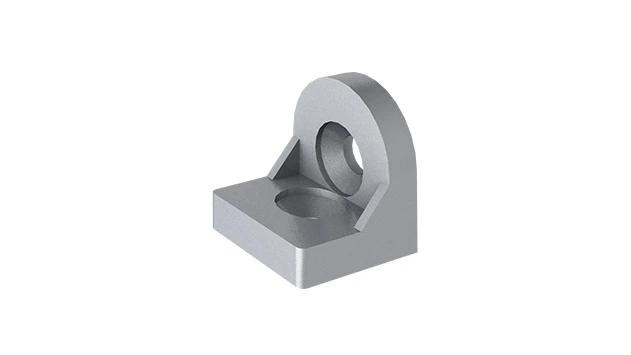
Ever stopped to think about the small parts that hold big industrial setups together? The ones that don't get the spotlight but keep everything from wobbling or falling apart? If you work in manufacturing, warehousing, or any industry that relies on lean systems and efficient workspaces, you've probably encountered one such unsung hero: the Turning Angle Code 3030. It might sound like just another technical term, but this little component is a workhorse in the world of aluminum profiles, quietly ensuring that your workbenches, material racks, and assembly lines stay sturdy, flexible, and ready to adapt to whatever your day throws at them.
In this article, we're diving deep into the world of Turning Angle Code 3030 customization. We'll break down why choosing the right colors, sizes, and finishes matters—not just for how things look, but for how well they work. Whether you're building a new lean system from scratch, upgrading an old workbench, or just curious about how these tiny connectors make a big difference, we've got you covered. Let's start by getting to know the star of the show a little better.
What Even Is a Turning Angle Code 3030?
Let's keep it simple: A Turning Angle Code 3030 is a type of aluminum profile accessory designed to connect 3030 aluminum profiles at (you guessed it) angles. Think of it as the "elbow joint" for your industrial frames. If you've ever seen a workbench with a sturdy frame, a material rack stacked with parts, or a conveyor system gliding smoothly, chances are there's a Turning Angle Code 3030 holding some of those 3030 national standard profile a pieces together.
But why 3030? That number refers to the profile's dimensions—typically 30mm by 30mm, a common size in industrial setups because it strikes a balance between strength and versatility. The "Turning Angle" part means it's built to join profiles at 90-degree angles (though some designs can handle other angles too), and "Code" is just industry-speak for its specific design or part number.
These little connectors are usually made from aluminum (no surprise there, since they pair with aluminum profiles) or sometimes steel for extra heavy-duty jobs. They're built with T-slot compatibility, which is a game-changer. T-slots are those grooves you see along aluminum profiles, and they let you slide in accessories like brackets, shelves, or—you guessed it—Turning Angle Code 3030s without needing to drill holes or weld. That means quick assembly, easy adjustments, and less downtime when you need to reconfigure your setup.
So, in short: Turning Angle Code 3030s are the quiet connectors that turn basic aluminum profiles into strong, flexible structures. Now, let's talk about how you can make them work for you through customization.
Customization 101: Why Bother with Colors, Sizes, and Finishes?
You might be thinking, "It's just a metal connector—why does it need to be fancy?" Here's the thing: In industrial settings, every detail affects efficiency, safety, and even employee morale. A mismatched, ill-fitting connector can lead to wobbly workbenches (not great for precision tasks), rusted parts in humid environments (hello, downtime), or a workspace that feels chaotic (which nobody needs). Customizing your Turning Angle Code 3030 lets you avoid those headaches and build a setup that's tailored to your specific needs.
Let's break down the three main customization categories: colors, sizes, and finishes. Each plays a unique role in making your lean system or workbench not just functional, but optimized .

Colors: More Than Just a Pretty Face
When we talk about color customization for Turning Angle Code 3030, we're not just talking about making your workspace look like a rainbow (though if that's your vibe, go for it). Colors serve practical purposes too. Let's walk through the most common options and why you might choose one over the other.
Standard Colors: Tried, True, and Ready to Go
The most common colors for Turning Angle Code 3030 are silver (natural aluminum), black, and white. Silver is the default for a reason: it's the natural color of anodized aluminum, so it's cost-effective and matches just about any setup. It's understated, professional, and works in environments where "blending in" is the goal—like a clean, minimalist lean system where the focus is on the work, not the tools.
Black is a close second. It's sleek, modern, and great for environments where you want to reduce glare (hello, workshops with bright overhead lights) or hide minor scratches and wear. Black connectors also pair well with ESD (electrostatic discharge) workbenches, where a darker color can help highlight static-sensitive components (since white or silver might make small parts harder to spot).
White is less common but has its place. It's bright and reflective, which can make dimly lit workspaces feel more open. It's also popular in labs or cleanrooms where maintaining a sterile, clinical look is important—think pharmaceutical or electronics manufacturing, where cleanliness is non-negotiable.
Custom Colors: Branding, Safety, and "Because We Can"
Sometimes, standard colors just don't cut it. Maybe you want your workspace to reflect your brand—like adding your company's signature blue to all connectors. Or perhaps you need color-coded zones in your lean system: red for high-traffic areas, green for "go" zones, yellow for caution. Custom RAL colors (that's the color matching system used across Europe and beyond) let you do exactly that.
Safety is another big reason. Imagine a material rack where the lower shelves use yellow connectors to signal "heavy items here" or red connectors on parts of a workbench that get hot. Colors can act as silent reminders, reducing the risk of accidents. And let's not forget morale: A workspace that feels intentional and even a little "on-brand" can make employees feel like they're part of something polished and professional—small wins that add up.
| Color Option | Best For | Key Benefit |
|---|---|---|
| Silver (Natural Aluminum) | General-purpose setups, cost-sensitive projects | Matches most profiles, budget-friendly, timeless look |
| Black | ESD workbenches, low-glare environments | Hides wear, sleek appearance, reduces eye strain |
| White | Cleanrooms, labs, brightening dim spaces | Reflective, sterile look, enhances visibility |
| Custom RAL Colors | Branding, color-coded zones, safety alerts | Tailored to your needs, improves organization |
So, when choosing a color, ask yourself: What does this space need to communicate? Is it "professional and efficient," "safe and organized," or "on-brand and cohesive"? Your answer will guide your choice.

Sizes: One Size Does Not Fit All (Thankfully)
Now, let's talk sizes. You might assume that since Turning Angle Code 3030s are made for 3030 profiles, there's only one size to choose from. But nope—even within the 3030 family, there are variations that matter. Let's break down the key size factors to consider.
Thickness: How Strong Do You Need It to Be?
The thickness of the Turning Angle Code 3030's walls (or "gauge") affects how much weight it can support. Standard options might range from 1.2mm to 2.0mm thick. A 1.2mm connector is lightweight and great for lighter loads—think a small workbench or a shelf holding office supplies. A 2.0mm connector, on the other hand, is built for heavy-duty jobs, like a material rack stacked with metal parts or a conveyor system supporting bulky items.
Pro tip: Don't overdo it on thickness if you don't need to. Thicker connectors add weight and cost, so if your setup isn't handling heavy loads, a standard thickness will work just fine.
Hole Sizes and Placement: Compatibility is Key
Turning Angle Code 3030s use screws or bolts to lock into the T-slots of 3030 national standard profile a. The size and placement of these holes matter because they need to match the hardware you're using. Most come with standard M5 or M6 holes (that's metric for the screw diameter), but if you're using specialized fasteners, you might need a custom hole size.
Hole placement is another detail. Some connectors have holes centered, while others are offset to allow for more flexibility in how profiles are joined. For example, if you need to connect two profiles and attach a shelf bracket in the same area, an offset hole design can prevent the screws from overlapping.
Length: When "Standard" Isn't Enough
Most Turning Angle Code 3030s are designed to fit flush with the ends of 3030 profiles, but sometimes you need a little extra length. Maybe you're building a frame with a overhang, or you need to attach a caster wheel mount to the bottom of a workbench and need the connector to extend slightly. In those cases, custom length options can save the day. Just be sure to measure twice—you don't want a connector that's too short (wobbly frame) or too long (sticks out awkwardly and becomes a hazard).
At the end of the day, size customization is all about ensuring your Turning Angle Code 3030s can handle the load, fit your hardware, and work with your specific design. When in doubt, talk to your supplier—they'll help you pick the right size for your project.
Finishes: More Than Shiny—It's About Protection and Performance
Finishes are where form meets function. A finish isn't just about making your Turning Angle Code 3030 look good (though that's a bonus); it's about protecting the metal from corrosion, improving grip, and even reducing friction. Let's explore the most common finishes and when to choose each.
Anodized Finish: The Workhorse of Finishes
Anodizing is a process that creates a protective oxide layer on the surface of aluminum. It's like giving the metal a built-in shield against rust, scratches, and wear. Anodized Turning Angle Code 3030s are durable, low-maintenance, and come in a range of colors (remember those silver and black options we talked about earlier? They're often anodized). They're also resistant to chemicals, which makes them great for environments with oils, solvents, or cleaning agents—like automotive workshops or manufacturing plants.
The downside? Anodizing is a bit pricier than some other finishes, and while it's tough, it can still chip if hit with heavy force. But for most industrial settings, the longevity and protection it offers are worth the cost.
Powder Coated: Colorful and Customizable
Powder coating involves applying a dry powder to the metal and then baking it to form a hard, even layer. It's how you get those bright custom colors we mentioned earlier, and it's great for adding a pop of personality to your setup. Powder-coated finishes are also durable—resistant to chipping, fading, and scratches—and they're available in different textures, from matte to glossy.
One thing to note: Powder coating adds a tiny bit of thickness to the connector, so if you're working with tight tolerances (like very precise T-slot fits), you might need to account for that. But for most applications, it's a non-issue.
Brushed Finish: Sleek and Understated
A brushed finish is created by rubbing the aluminum with an abrasive material to create fine, parallel lines. It's a popular choice for environments where you want a modern, industrial look without the shine of anodized or powder-coated finishes. Brushed finishes hide fingerprints and minor scratches better than smooth finishes, making them ideal for high-touch areas—like the handles of a turnover trolley or the edges of a workbench that get bumped often.
Keep in mind that brushed finishes don't offer as much corrosion protection as anodized or powder-coated options, so they're best for indoor, dry environments.
ESD-Safe Finishes: For Sensitive Electronics
If you work with electronics (think circuit boards, semiconductors, or medical devices), you know how dangerous static electricity can be. ESD-safe finishes are designed to dissipate static charges, protecting sensitive components from damage. These finishes are usually black (to match ESD workbenches) and are treated with special additives that make the surface conductive. They're a must-have in cleanrooms and electronics manufacturing facilities.
Choosing the right finish comes down to your environment: Is it wet or dry? Do you need to resist chemicals? Are static charges a concern? Anodized is great for all-around protection, powder coated for color, brushed for aesthetics, and ESD-safe for sensitive work.
Putting It All Together: Real-World Applications
Let's take a step back and see how all these customization options come to life in real workspaces. Here are a few examples of how businesses use customized Turning Angle Code 3030s to build better lean systems and workbenches.
Example 1: A Small Electronics Workshop
Imagine a small electronics company that builds custom circuit boards. They need ESD-safe workbenches to protect their components, and they want their workspace to reflect their brand (let's say their logo is navy blue). They choose 3030 national standard profile a for their bench frames and customize their Turning Angle Code 3030s with:
- Color: Navy blue (custom RAL color to match their logo)
- Size: 2.0mm thickness (to support heavy equipment on the benches)
- Finish: ESD-safe powder coating (to prevent static damage)
The result? Workbenches that are safe, sturdy, and instantly recognizable as part of their brand. Employees love the cohesive look, and the ESD finish gives them peace of mind when handling sensitive parts.
Example 2: A Busy Warehouse Material Rack
A warehouse needs a material rack to store heavy boxes of inventory. They use 3030 aluminum profiles for the frame and need Turning Angle Code 3030s that can handle the weight. They opt for:
- Color: Silver (anodized, cost-effective and matches their existing racks)
- Size: 2.0mm thickness with reinforced holes for heavy-duty bolts
- Finish: Anodized (to resist corrosion from the warehouse's humid environment)
The anodized finish protects against rust, the thick walls handle the weight, and the silver color keeps the rack looking clean and professional.
Example 3: A School Maker Space
A high school maker space wants flexible workbenches that students can reconfigure for different projects—from robotics to woodworking. They need connectors that are easy to adjust and visible enough for students to see how the frames go together. They choose:
- Color: Bright orange (custom powder coat, easy to spot and fun for students)
- Size: 1.5mm thickness (light enough for students to handle, strong enough for their projects)
- Finish: Glossy powder coat (easy to clean and stands out against the silver profiles)
The bright color makes the connectors easy to identify, the lighter weight makes reconfiguration a breeze, and the glossy finish wipes clean after messy projects.
These examples show that customization isn't just about "making it pretty"—it's about solving specific problems and making your workspace work for you .
How to Choose the Right Customization for You
With all these options, it can feel overwhelming to pick the right colors, sizes, and finishes. Here's a simple step-by-step guide to help you decide:
Step 1: Define Your Needs
Start by asking: What will this Turning Angle Code 3030 be used for? Will it hold heavy loads? Is it in a wet or dry environment? Do you need it to match a brand color or meet ESD requirements? Write down your top priorities—this will narrow down your options.
Step 2: Consider Your Budget
Custom colors and finishes (like powder coating or ESD-safe options) cost more than standard silver anodized. If budget is tight, focus on the must-haves (e.g., thickness for load capacity) and skip the nice-to-haves (e.g., custom colors). If brand consistency or safety is critical, invest in those custom touches—they'll pay off in the long run.
Step 3: Talk to Your Supplier
Your supplier isn't just there to sell you parts—they're experts in what works. Share your needs, budget, and environment, and ask for recommendations. They might have insights you hadn't considered, like a specific finish that's better for your climate or a size that's more readily available (saving you time).
Step 4: Test a Sample
If you're on the fence about a color or finish, ask for a sample. Hold it up in your workspace, see how it looks under your lighting, and test it with your existing profiles. A sample can help you avoid costly mistakes—like choosing a color that clashes or a finish that doesn't hold up to your daily wear and tear.
Wrapping Up: Small Part, Big Impact
At the end of the day, the Turning Angle Code 3030 might be small, but its impact on your lean system or workbench is huge. Customizing its color, size, and finish lets you build a workspace that's not just functional, but tailored to your unique needs—whether that's safety, brand consistency, efficiency, or just making your daily grind a little more pleasant.
So the next time you're putting together a frame, upgrading a workbench, or building a new lean system, take a second to think about the Turning Angle Code 3030s. They might not get the glory, but they're the ones holding it all together—so why not make them work as hard as you do?
Here's to building better workspaces, one customized connector at a time.