- Company Articles
- Products and Technology
- Installation And Maintenance
- Turning Angle Code 3030 Failure Prevention: Common Issues & Solutions

Turning Angle Code 3030 Failure Prevention: Common Issues & Solutions
Related Product
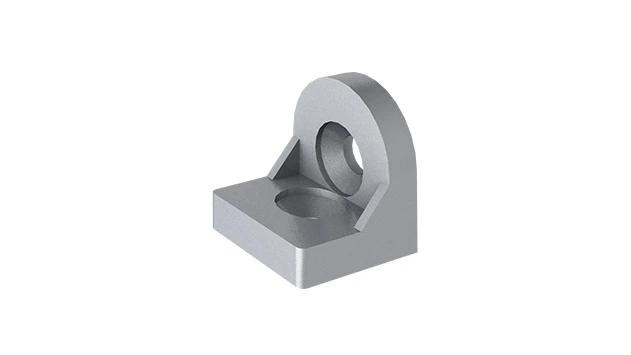
Turning Angle Code 3030
The turning angle aluminum profile connector provides a 90 degree hidden corner connection. 3030 it is means this size is used for 30 series aluminum profile.The corner code comes with set screws that allow for quick, easy connections.
Walk into any manufacturing facility, and you'll see the heartbeat of production: assembly lines humming, workbenches stacked with components, and material racks brimming with parts. Every piece of equipment, from the largest conveyor to the smallest joint, plays a role in keeping operations smooth. But what happens when a tiny, often overlooked component fails? Suddenly, the rhythm falters. Deadlines get pushed. Frustration mounts. One such unsung hero (and potential troublemaker) is the Turning Angle Code 3030—a small but critical part of aluminum profile systems that's essential for everything from workbenches to material racks. In this guide, we'll dive into why this component matters, the common failures that plague it, and how to keep it (and your production line) running strong.
What Is Turning Angle Code 3030, Anyway?
Before we talk about failures, let's get clear on what a Turning Angle Code 3030 actually is. Imagine it as the "cornerstone" of aluminum profile structures—literally. This component is designed to connect 3030 aluminum profiles (those sleek, T-slot rails you see in lean systems, workbenches, and material racks) at corners or joints, ensuring they stay aligned and sturdy. Think of it as the glue that holds your workstation E (single deck—without caster) together or the backbone of your material rack B (3 row and 3 floor).
Typically made from aluminum or high-strength steel, Turning Angle Code 3030 comes in various designs, but its core job is simple: distribute weight evenly across connected profiles and resist the stress of daily use. Whether you're building a custom workbench or a multi-tiered material rack, this angle code ensures the structure doesn't wobble, shift, or collapse under load. It's not glamorous, but without it, even the sturdiest aluminum profile becomes a liability.
Common Failure Issues: When Your Angle Code Lets You Down
Now, let's get to the problem: when Turning Angle Code 3030 fails, it's rarely subtle. Here are the most frequent issues production teams encounter, along with the red flags to watch for.
1. Loosening Over Time
The most common culprit? Loosening. Every time a workbench is bumped, a material rack is loaded, or a conveyor vibrates, the bolts holding the angle code to the aluminum profile can wiggle loose. At first, it might just be a tiny gap between the profile and the angle code. But over time, that gap grows. You'll notice the structure feels "wobbly" when leaned on, or parts on the material rack start sliding off because the shelves aren't level anymore. Ignore it, and you're looking at a full-on collapse.
2. Cracking or Structural Breakage
Cracks are a scarier scenario. They usually start small—maybe a hairline fracture near the bolt holes—and grow until the angle code snaps. What causes this? Often, it's overloading. If your material rack B is stuffed with heavier parts than it's rated for, the angle code takes the brunt of that extra weight. You might also see cracks if the angle code was made with low-quality material (think cheap aluminum that's prone to fatigue) or if it was bent during installation (yes, that happens more than you'd think).
3. Corrosion and Rust
For facilities in humid environments or those dealing with liquids (like automotive or food processing plants), corrosion is a silent killer. If your Turning Angle Code 3030 is made of uncoated steel, exposure to moisture and chemicals can eat away at its surface. You'll spot rust spots first, then pitting, and eventually, the metal weakens to the point where it can't hold tension. Even aluminum angle codes aren't immune—they can develop white, powdery oxidation if not properly treated, which also compromises strength.
4. Misalignment During Installation
Sometimes, failure starts before the angle code even enters service: misalignment during setup. If the angle code isn't perfectly flush with the 3030 aluminum profile when bolts are tightened, it creates uneven stress. Over time, that stress,.,,,.""——,().
5. Wear and Tear on Bolt Holes
Finally, there's good old-fashioned wear and tear. Every time you tighten or loosen the bolts (during maintenance or reconfiguration), the threads in the angle code's bolt holes get a little more worn. Eventually, those threads strip, and the bolts can't hold tight anymore. This is especially common in facilities where workbenches or material racks are frequently reconfigured—like in lean manufacturing setups where flexibility is key. One day, you go to adjust a shelf, and suddenly the bolt spins freely, with no grip. That's a sure sign the angle code's bolt holes are shot.

Root Causes: Why Do These Failures Happen?
To fix the problem, we need to understand why it happens. Let's break down the root causes behind each failure issue.
Improper Installation: Cutting Corners Costs You
Many failures trace back to installation day. Rushing through setup, using the wrong tools (like a regular wrench instead of a torque wrench), or skipping steps (like cleaning the aluminum profile surface before attaching the angle code) can all lead to trouble. For example, if you over-tighten the bolts, you might strip the threads or even crack the angle code. Under-tighten, and you're setting yourself up for loosening later. Either way, shoddy installation is a ticking time bomb.
Overloading: When "Just a Little Extra" Becomes a Disaster
We've all been there: deadlines are tight, and the material rack B is almost full… but there's just one more box to add. "It'll be fine," you think. Spoiler: it might not be. Every Turning Angle Code 3030 has a load rating— the maximum weight it can safely support. Exceed that, and you're asking the angle code to do more than it was designed for. Over time, the metal fatigues, leading to cracks or bending. Remember: the load rating isn't a suggestion—it's a safety limit.
Low-Quality Materials: You Get What You Pay For
Not all angle codes are created equal. If you sourced your Turning Angle Code 3030 from a supplier that cuts corners—using thin aluminum, recycled steel with impurities, or skipping anti-corrosion treatments—you're starting with a weak link. These low-quality codes might look the part, but they'll fail faster under stress. For example, a cheap steel angle code might rust in months, while a high-quality, galvanized one could last years in the same environment.
Environmental Factors: Moisture, Heat, and Chemicals
Your facility's environment plays a big role too. High humidity, extreme temperatures, and exposure to chemicals (like oils, solvents, or cleaning agents) can all degrade the angle code. In food processing plants, for example, frequent washdowns with harsh detergents can strip protective coatings. In outdoor or unheated warehouses, temperature swings cause metal to expand and contract, weakening the structure over time. Even something as simple as condensation from a nearby cooler can lead to corrosion.
Lack of Maintenance: Out of Sight, Out of Mind
Let's be honest: when was the last time you inspected the angle codes on your workbench? If you're like most teams, it's probably not on your weekly checklist. But "out of sight, out of mind" is a dangerous mindset here. Loose bolts, early signs of corrosion, or tiny cracks can all be fixed if caught early. Ignore them, and they turn into full-blown failures that shut down production.

Solutions & Prevention Strategies: Keep Your Angle Code (and Line) Strong
The good news? Most Turning Angle Code 3030 failures are preventable. With the right strategies, you can extend the life of your angle codes, reduce downtime, and keep your lean system running smoothly. Let's break down solutions for each common issue.
| Common Issue | Root Cause | Prevention & Solution |
|---|---|---|
| Loosening bolts | Improper torque, vibration | Use torque wrench to tighten to specs; apply thread-locking fluid (e.g., Loctite) to bolts; inspect monthly and retighten as needed. |
| Cracking/breakage | Overloading, low-quality material | Check load ratings before installation; upgrade to high-strength aluminum or steel angle codes; avoid exceeding weight limits. |
| Corrosion/rust | Moisture, chemicals, poor coating | Choose zinc-plated or stainless steel angle codes for humid environments; apply anti-corrosion spray every 3 months; keep area dry and well-ventilated. |
| Misalignment | Poor installation, uneven surfaces | Use a level during setup; ensure aluminum profiles are clean and straight; align angle code flush with profile before tightening. |
| Worn bolt holes | Frequent reconfiguration, over-tightening | Limit unnecessary reconfigurations; use bolts with proper thread size; replace angle code if holes are stripped. |
1. Master the Installation Process
Installation is where it all starts—so get it right. First, clean the 3030 aluminum profile surface with a degreaser to remove dirt, oil, or debris. A dirty surface prevents the angle code from sitting flush, leading to misalignment. Next, use a level to ensure the profiles are straight and square before attaching the angle code. Once aligned, tighten the bolts with a torque wrench to the manufacturer's specs (usually 8-10 Nm for aluminum angle codes). Too tight, and you'll strip threads; too loose, and it'll loosen later. Finally, apply a thread-locking fluid to the bolts to prevent vibration from undoing them over time.
2. Respect Load Limits (Yes, Seriously)
This can't be overstated: know your load limits. Check the manufacturer's data sheet for your Turning Angle Code 3030 and 3030 aluminum profile. If you're building a material rack B (3 row and 3 floor), calculate the total weight of the parts it will hold, and ensure the angle code (and all components) can handle it. When in doubt, over-engineer: upgrade to a heavier-duty angle code or add extra supports. It's cheaper to invest in a stronger component upfront than to replace a collapsed rack (and lost parts) later.
3. Choose Quality Materials & Coatings
Not all angle codes are created equal. When sourcing from a lean system supplier, prioritize quality over cost. Look for angle codes made from 6061-T6 aluminum (high strength, corrosion-resistant) or 304 stainless steel (ideal for wet environments). For extra protection, opt for zinc-plated or powder-coated finishes—these add a barrier against moisture and chemicals. Avoid "budget" angle codes from unknown suppliers; they often skimp on material thickness and coating quality, leading to early failure. Remember: a few cents saved per angle code can cost you hours of downtime later.
4. Implement a Regular Maintenance Routine
Prevention is cheaper than repair. Set up a monthly inspection checklist for all equipment using Turning Angle Code 3030. What to look for? Loose bolts (tighten them), rust spots (treat with anti-corrosion spray), cracks (replace immediately), and misalignment (realign if possible). For high-use areas (like assembly line workbenches), inspect every two weeks. Keep a log of inspections—this helps track patterns (e.g., "angle codes near the conveyor always loosen faster") and address root causes. It might seem tedious, but 10 minutes of inspection can save 10 hours of repair time.
5. Protect Against Environmental Damage
If your facility is humid, chemical-heavy, or prone to temperature swings, take extra steps to protect your angle codes. For moisture, install dehumidifiers near material racks and workbenches. For chemicals, wipe down angle codes with a neutral cleaner after exposure, and apply a silicone-based protective spray monthly. In extreme temperatures, consider thermal insulation around critical structures to reduce expansion/contraction stress. Even simple steps like placing a drip pan under a leaky pipe near a workbench can prevent corrosion.
6. Train Your Team on Proper Use
Your angle codes are only as strong as the people using them. Train your team to recognize overloading (e.g., "if the material rack B bends when loaded, it's too much") and report loose or damaged angle codes immediately. Make it easy to flag issues—post a "maintenance hotline" number near workstations, or use a digital tool like a QR code that links to a repair request form. When everyone is invested in keeping equipment in shape, small problems get fixed before they escalate.
Case Study: How One Factory Solved Their Angle Code Woes
Let's put this all into context with a real-world example. A mid-sized electronics manufacturer was struggling with frequent breakdowns on their assembly line. Their material rack B (3 row and 3 floor) kept collapsing, spilling components and causing delays. The maintenance team initially blamed the aluminum profiles, but closer inspection revealed the real culprit: Turning Angle Code 3030 failure. The angle codes were cheap, uncoated steel, and bolts were loose—no surprise, given the humid factory environment and daily vibration from nearby conveyors.
The solution? They switched to zinc-plated, high-strength aluminum angle codes from a reputable lean system supplier. They trained the team to torque bolts to 9 Nm with a torque wrench and applied thread-locking fluid. They also started monthly inspections, where loosened bolts were tightened and rust spots treated. The result? Zero collapses in the following year, and a 30% reduction in maintenance time. The small investment in better angle codes and a maintenance routine paid for itself in avoided downtime.
Choosing the Right Supplier: Your Partner in Prevention
Finally, remember that your choice of supplier matters. A reliable lean system supplier doesn't just sell parts—they provide expertise. Look for suppliers who:
- Offer detailed specs (load ratings, material composition, coating type) for their Turning Angle Code 3030.
- Provide technical support for installation (e.g., torque recommendations, alignment tips).
- Stock high-quality, tested components (ask for material certifications if needed).
- Have a track record of serving manufacturers in your industry (they'll understand your environmental challenges).
Don't settle for the cheapest option. A supplier who cuts corners on materials or support will cost you more in the long run. Invest in a partner who helps you prevent failures, not just replace failed parts.
At the end of the day, Turning Angle Code 3030 might be small, but its impact on your production line is huge. By understanding common failures, addressing root causes, and implementing proactive prevention strategies, you can keep these critical components—and your entire lean system—strong, reliable, and ready to meet every deadline. Remember: in manufacturing, the difference between success and frustration often lies in the details. And when it comes to angle codes, those details matter.