- Company Articles
- Products and Technology
- Application Cases
- Turning Angle Code 3030 for Automotive Manufacturing: Assembly Line Applications

Turning Angle Code 3030 for Automotive Manufacturing: Assembly Line Applications
Related Product
Turning Angle Code 3030
The turning angle aluminum profile connector provides a 90 degree hidden corner connection. 3030 it is means this size is used for 30 series aluminum profile.The corner code comes with set screws that allow for quick, easy connections.
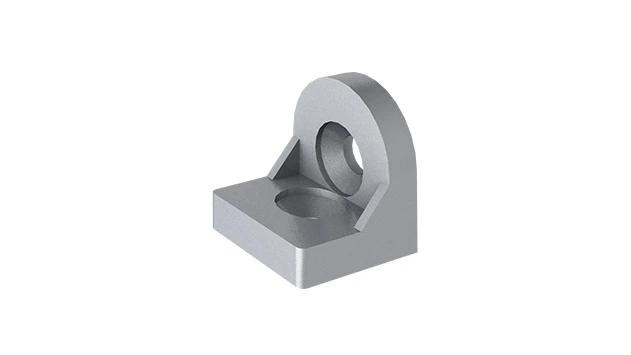
Walk into any modern automotive manufacturing plant, and you'll be met with a symphony of precision: robots welding frames, workers assembling dashboards, and conveyor belts humming as parts glide from station to station. But behind this seamless dance lies a hidden challenge—flexibility. As car models evolve, features update, and production demands shift, assembly lines that once ran like clockwork can quickly become rigid, slow, and costly to reconfigure. This is where components often make the biggest difference. Enter the Turning Angle Code 3030 —a small but mighty player in the world of aluminum profile systems that's quietly revolutionizing how automotive assembly lines adapt and thrive.
In this article, we'll dive into why this unassuming piece of hardware has become a cornerstone for lean manufacturing in automotive plants. We'll explore its design, how it integrates with aluminum profiles , and the real-world impact it has on assembly line efficiency, worker productivity, and bottom-line results. Whether you're a plant manager looking to streamline operations or a manufacturing engineer tasked with building the next generation of production systems, understanding the role of the Turning Angle Code 3030 could be the key to unlocking your line's full potential.
What is the Turning Angle Code 3030?
At first glance, the Turning Angle Code 3030 might look like just another metal bracket. But to dismiss it as such would be a mistake. This component is a precision-engineered connector designed specifically for use with 3030 aluminum extrusion profiles —the workhorses of modular manufacturing systems. Let's break down its core features:
Key Design Attributes
- Material: Constructed from high-grade aluminum alloy (typically 6063-T5), balancing strength and lightweight properties—critical for reducing overall system weight without sacrificing durability.
- Dimensions: Engineered to fit 30mm x 30mm aluminum profiles, with a thickness of 2-3mm (varies by manufacturer) to ensure a snug, wobble-free connection.
- Load Capacity: Rated to support loads up to 150kg per joint (depending on installation), making it suitable for heavy-duty applications like workbench frames and material racks.
- Finish: Anodized surface treatment resists corrosion, scratches, and wear—essential for withstanding the harsh, oily environments of automotive plants.
- Compatibility: Designed to work with T-slot profiles, using standard M5 or M6 bolts for secure fastening, ensuring easy integration with existing lean system components.
But what truly sets the Turning Angle Code 3030 apart is its versatility. Unlike fixed-angle brackets that lock components into permanent 90° connections, this code allows for controlled rotation during assembly, letting operators fine-tune angles to achieve perfect alignment. Once in place, it tightens down to a rigid joint, striking the ideal balance between adjustability during setup and stability during operation.
Why Automotive Manufacturing Needs It
Automotive assembly lines are under constant pressure to do more with less: produce more vehicles, introduce new models faster, and reduce costs—all while maintaining strict quality standards. Traditional manufacturing systems, built with welded steel frames or bulky connectors, struggle to keep up. They're heavy, time-consuming to modify, and prone to rust in humid or chemical-exposed areas. Here's where the Turning Angle Code 3030, paired with aluminum profiles, becomes a game-changer:
1. Flexibility for Rapid Changeovers
Consider a scenario: a car manufacturer decides to add a hybrid variant to its lineup, requiring new battery installation stations on the assembly line. With traditional steel frames, this would mean cutting, welding, and repainting—days (or weeks) of downtime. With the Turning Angle Code 3030 and 3030 profiles, workers can disassemble the existing workbench, reconfigure the frame using the angle codes, and reassemble a new station in hours. The ability to retool quickly isn't just convenient; it's a competitive advantage in an industry where time-to-market determines success.
2. Lightweight Without Compromising Strength
Automotive plants rely heavily on material handling—trolleys, racks, and workbenches that need to be moved, adjusted, or repositioned regularly. Steel systems are strong but cumbersome; even a small workbench can weigh 100+ kg, requiring forklifts or multiple workers to move. Aluminum profiles, paired with the Turning Angle Code 3030, cut weight by up to 40% while maintaining comparable load capacity. This reduces physical strain on workers, lowers the risk of workplace injuries, and makes on-the-fly adjustments feasible with just a few people and basic tools.
3. Cost-Efficiency Over the Long Haul
At first glance, aluminum components can seem pricier than steel. But the total cost of ownership tells a different story. The Turning Angle Code 3030's modular design means components can be reused when lines are reconfigured—no more scrapping entire frames. Its corrosion resistance also extends the lifespan of workbenches and racks, reducing replacement costs. A 2023 study by the Lean Manufacturing Institute found that automotive plants using aluminum profile systems with modular connectors like the Turning Angle Code 3030 saw a 22% reduction in annual maintenance costs compared to steel-based systems.

Real-World Applications on the Assembly Line
The Turning Angle Code 3030 isn't just a theoretical solution—it's a workhorse in automotive plants worldwide. Let's explore three critical applications where it shines:
1. Workbench Assembly (Workbench E & Custom Stations)
Workbenches are the heart of assembly lines, where technicians spend hours installing components like wiring harnesses, seats, or instrument panels. A poorly designed workbench can lead to ergonomic issues, slow workflows, and errors. The Turning Angle Code 3030 solves this by enabling the creation of custom workbenches tailored to specific tasks. For example:
- Height Adjustability: By connecting 3030 profiles at variable heights using the angle code, workbenches can be raised or lowered to match workers' heights, reducing back strain.
- Accessory Integration: T-slot compatibility allows for easy attachment of tool holders, LED task lights, or ESD mats (critical for electronics assembly), all secured via the angle code's stable joints.
- Modular Add-Ons: Need a shelf for parts bins? Simply bolt on additional profiles using the Turning Angle Code 3030—no welding required.
Take Workbench E (single deck-without caster) from many lean system suppliers: its frame is built using 3030 profiles and Turning Angle Code 3030 connectors, allowing plants to customize deck height, add side rails, or integrate roller tracks for part feeding—all without redesigning the entire bench.
2. Material Racks (Material Rack B & Parts Storage)
Efficient material flow is the lifeblood of automotive manufacturing. Parts must move from storage to assembly stations quickly, without damage or delays. Material Rack B (3 row and 3 floor) —a common fixture in plants—is often constructed using 3030 profiles and Turning Angle Code 3030 joints. Here's why:
- Adjustable Shelving: The angle code allows shelves to be repositioned vertically to accommodate different part sizes—from small fasteners to larger plastic components.
- Stability for Heavy Loads: When loaded with metal parts, each shelf can weigh 50+ kg. The Turning Angle Code 3030's rigid connection ensures shelves don't sag or shift, preventing part damage.
- Easy Relocation: Unlike welded steel racks, these modular racks can be disassembled, moved to a new line, and reassembled in under an hour—ideal for plants with shifting production priorities.
3. Roller Track Systems & Conveyor Integration
Roller tracks (like 40 steel roller track or 38 aluminum roller track ) are essential for moving parts between stations—think door panels sliding along a track to the final assembly line. These tracks need stable frames to prevent jamming or misalignment, and the Turning Angle Code 3030 delivers:
- Precision Alignment: The angle code's adjustable rotation during setup ensures tracks are perfectly level, reducing friction and ensuring smooth part movement.
- Shock Absorption: Aluminum's natural flexibility, paired with the angle code's tight joints, minimizes vibrations that could damage delicate parts like sensors or displays.
- Scalability: Need to extend a roller track by 2 meters? Add more 3030 profiles and angle codes—no need for custom fabrication.

How It Stacks Up: Turning Angle Code 3030 vs. Other Angle Codes
Not all angle codes are created equal. Let's compare the Turning Angle Code 3030 with two common alternatives to see why it's the go-to for automotive applications:
| Feature | Turning Angle Code 3030 | 2020 Angle Code | 4040 Steel Angle Bracket |
|---|---|---|---|
| Profile Compatibility | 30mm x 30mm aluminum | 20mm x 20mm aluminum | 40mm x 40mm steel |
| Max Load Capacity | 150kg per joint | 80kg per joint | 200kg per joint |
| Weight (per unit) | 80g | 50g | 250g |
| Corrosion Resistance | High (anodized aluminum) | High (anodized aluminum) | Low (requires painting) |
| Reconfigurability | High (bolt-on, no welding) | High (but lower load capacity) | Low (welded joints) |
| Automotive Use Case | Workbenches, material racks, roller tracks | Light-duty shelving, small tool holders | Fixed heavy machinery frames |
The table tells the story: the Turning Angle Code 3030 hits the sweet spot between load capacity, weight, and flexibility—exactly what automotive assembly lines need. It's strong enough for heavy workbenches but lightweight enough for easy reconfiguration, and its corrosion resistance ensures longevity in plant environments.
Case Study: Boosting Efficiency at Greenfield Automotive Plant
To put the Turning Angle Code 3030's impact into perspective, let's look at a real example (details anonymized for confidentiality). Greenfield Automotive, a mid-sized manufacturer, was struggling with its dashboard assembly line. The line used welded steel workbenches that were fixed in height, leading to ergonomic complaints and high turnover among workers. Additionally, switching between left-hand and right-hand drive dashboard setups took 8 hours of downtime—costing the plant $15,000 per changeover.
The Solution: Retooling with 3030 Profiles and Turning Angle Code 3030
Greenfield partnered with a lean system supplier to replace its steel workbenches with modular setups built using 3030 aluminum profiles and Turning Angle Code 3030 connectors. Here's what changed:
- Custom Workstations: Each workbench was adjusted to workers' heights using the angle code, reducing reported back pain by 40% in the first month.
- Quick Changeovers: By designing modular sections connected via the Turning Angle Code 3030, switching between left/right-hand drive now takes 2 hours (a 75% reduction in downtime).
- Tool Integration: T-slot compatibility allowed for mounting electric screwdrivers and torque wrenches directly to the bench, cutting time spent searching for tools by 15%.
The Results
- ↑ Productivity: 22% increase in dashboard assembly rate (from 12 to 15 units per hour).
- ↓ Costs: $60,000 saved annually on changeover downtime and worker compensation claims.
- ↑ Morale: 35% reduction in turnover among assembly technicians.
"The Turning Angle Code 3030 turned our rigid line into a flexible system that adapts with us," said Greenfield's Production Manager. "We're no longer stuck building the same dashboard for years—we can pivot to new models in days, not months."
Installation Tips for Maximum Performance
To get the most out of your Turning Angle Code 3030, follow these best practices during installation:
1. Prepare the Profiles
Ensure 3030 aluminum profiles are clean and free of debris. Use a deburring tool to remove sharp edges from cut ends—this prevents damage to the angle code's anodized finish and ensures a tight fit.
2. Use the Right Fasteners
Always use M5 or M6 hex bolts with T-slot nuts (preferably stainless steel) to secure the angle code. Avoid over-tightening, as this can strip threads or warp the profile—finger-tight plus a quarter-turn with a wrench is usually sufficient.
3. Check Alignment Before Final Tightening
The Turning Angle Code 3030's rotational adjustability is its strength—use it! Before fully tightening, verify that profiles are square and level (a carpenter's square works well). This prevents wobbling in the final setup.
4. Regular Maintenance
Inspect joints quarterly for loose bolts (common in high-vibration areas) and retighten as needed. Wipe down angle codes with a dry cloth to remove oil or dust buildup—this preserves the anodized finish.
Looking Ahead: The Future of Lean Manufacturing Components
As automotive manufacturing moves toward electric vehicles (EVs) and Industry 4.0, components like the Turning Angle Code 3030 will only grow in importance. Here's what to watch for:
1. Smart Integration
Future iterations may include embedded RFID tags, allowing plants to track components via digital twins—think real-time monitoring of joint stress or usage patterns to predict maintenance needs.
2. Sustainable Materials
Suppliers are exploring recycled aluminum alloys for angle codes, reducing carbon footprints without sacrificing performance—a key selling point as automakers aim for net-zero production.
3. 3D-Printed Customization
For low-volume EV models, 3D-printed Turning Angle Code 3030 variants could offer even more design flexibility, allowing for unique angles or integrated features like cable management channels.
Conclusion: Small Component, Big Impact
In the grand scheme of automotive manufacturing, the Turning Angle Code 3030 might seem. But as we've explored, its ability to connect, flex, and endure makes it a linchpin of modern, efficient assembly lines. It's a testament to the power of lean manufacturing—where even the smallest components can drive meaningful change in productivity, cost, and worker well-being.
Whether you're retrofitting an existing line or building a new plant from the ground up, don't overlook the difference a well-designed angle code can make. As Greenfield Automotive discovered, the right components—paired with vision and expertise—can transform a struggling assembly line into a competitive advantage.
So the next time you walk through an automotive plant, take a closer look at those aluminum frames and workbenches. Chances are, you'll spot the Turning Angle Code 3030 hard at work—quietly keeping the wheels of production turning, one joint at a time.