- Company Articles
- Products and Technology
- Product knowledge
- Turning Angle Code 3030 for Consumer Electronics: Lightweight & Durable

Turning Angle Code 3030 for Consumer Electronics: Lightweight & Durable
Related Product
Turning Angle Code 3030
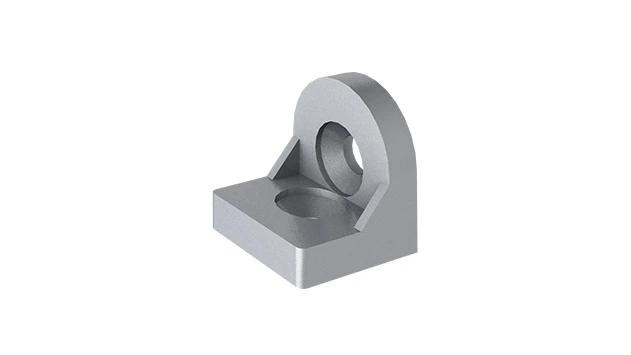
The turning angle aluminum profile connector provides a 90 degree hidden corner connection. 3030 it is means this size is used for 30 series aluminum profile.The corner code comes with set screws that allow for quick, easy connections.
The unsung hero shaping flexible, efficient manufacturing in the tech industry
Walk into any consumer electronics factory today, and you'll see a symphony of precision: robots assembling tiny circuit boards, workers testing sleek smartphones, and conveyor belts gliding with components no bigger than a fingernail. But behind this seamless dance lies a hidden challenge: how to build workspaces and systems that keep up with the industry's relentless pace. Consumer electronics move fast—new models, thinner designs, smarter features—and manufacturers need tools that can adapt just as quickly. Enter the Turning Angle Code 3030 : a small but mighty component that's quietly revolutionizing how factories design, build, and reconfigure their workflows. Lightweight yet tough, it's the kind of innovation that doesn't grab headlines, but makes every step of production smoother, faster, and more reliable. Let's dive into why this unassuming piece of hardware is becoming a cornerstone of modern electronics manufacturing.
What Even Is a Turning Angle Code 3030?
First things first: let's demystify the name. A Turning Angle Code 3030 is a specialized connector designed to join aluminum profiles —those T-slot aluminum rails you've probably seen in workshops, labs, or factory floors. Think of it as the "hinge" that holds these profiles together, but with a twist: it's engineered for both strength and flexibility, making it perfect for structures that need to be sturdy yet easy to reconfigure.
Made from high-grade aluminum alloy (often 6063-T5, a material prized for its balance of strength and lightness), the Turning Angle Code 3030 is shaped to fit snugly into the T-slots of 30mm x 30mm aluminum profiles. Its design includes pre-drilled holes for bolts, a smooth finish to prevent snags, and a compact size that doesn't add unnecessary bulk. Unlike clunky steel brackets of the past, this little connector weighs next to nothing—usually just 30-40 grams per unit—but don't let that fool you. It can withstand loads of up to 50kg per joint, depending on the setup, making it surprisingly tough for its size.
But what really sets it apart is its versatility. Whether you're building a straight line, a 90-degree corner, or even a gentle curve, the Turning Angle Code 3030 adapts. It works with standard aluminum profile accessories too—think bolts, end caps, and gusset plates—so you don't need special tools or custom parts to make it work. That's a big deal in consumer electronics, where time is money and downtime can derail production schedules.
Why Consumer Electronics Can't Afford to Ignore It
Consumer electronics isn't just about making gadgets—it's about making changing gadgets. Phones get slimmer, laptops lighter, smartwatches more complex, and each new model demands tweaks to assembly lines, testing stations, and storage racks. Factories can't afford to rebuild their entire workspace every 6 months. They need systems that can evolve, and that's where the Turning Angle Code 3030 shines.
Lightweight = Maneuverable Workspaces
Ever tried moving a steel workbench? It's a two-person job, if not more. But in electronics manufacturing, workstations often need to shift: maybe a team needs to reposition a testing rig for a new phone model, or a prototype lab needs to rearrange benches for a brainstorming session. Steel is strong, but it's heavy—and heavy means slow, costly, and risky (no one wants to strain a back moving equipment). The Turning Angle Code 3030, paired with aluminum profiles, solves this. Aluminum is about 1/3 the weight of steel, so a workbench built with these components is easy for one person to adjust. That agility cuts downtime and keeps teams focused on what matters: building better tech.
Durable = Longevity in High-Stress Environments
Consumer electronics factories are busy places. Workers lean on workbenches, tools get dropped, cleaning crews wipe down surfaces daily, and humidity or static can wreak havoc on metal. A flimsy connector would rust, crack, or loosen over time, leading to wobbly workstations and safety risks. But the Turning Angle Code 3030 is built to last. Aluminum alloy resists corrosion, so it holds up to cleaning chemicals and moisture. Its precision-machined edges won't wear down, even after repeated assembly and disassembly. In fact, many manufacturers report these connectors lasting 5+ years in daily use—far longer than plastic alternatives, which can warp, or cheap steel, which rusts.
Flexible = Ready for Tomorrow's Tech
Remember when foldable phones were just a concept? Now they're mainstream, and factories had to adapt assembly lines to handle their delicate hinges and flexible screens. A rigid workspace built with fixed steel brackets would have required a complete overhaul. But with Turning Angle Code 3030 and aluminum profiles? It's as simple as loosening a few bolts, repositioning the profiles, and tightening them back up. Need to add a shelf for new testing equipment? Screw in a new angle code. Want to lower a workbench to fit shorter workers? Adjust the height in minutes. This flexibility isn't just convenient—it's strategic. It lets factories stay ahead of trends without breaking the bank on new infrastructure.

How It All Comes Together: Building with Turning Angle Code 3030
Let's walk through a real-world example: a workbench for assembling smartwatch components. This workbench needs to hold small parts (like watch faces, batteries, and sensors), have a flat surface for precision work, and be adjustable so workers can stand or sit. Here's how the Turning Angle Code 3030 makes it happen:
- Start with the frame: Use 30mm x 30mm aluminum profiles for the legs and rails. These profiles have T-slots running their length, which act like built-in channels for fasteners.
- Add the angle codes: Slide Turning Angle Code 3030s into the T-slots at the corners where the legs meet the tabletop rails. Each angle code acts as a "cornerstone," connecting two profiles at a 90-degree angle.
- Secure with bolts: insert bolts through the angle code's pre-drilled holes and tighten them into the T-slots. The bolts grip the inside of the profile, creating a rock-solid connection—no welding or drilling required.
- Add accessories: Attach a plywood or aluminum tabletop using aluminum profile accessories like bracket plates (which also connect via angle codes). Add a shelf below for tools using more profiles and angle codes. Want casters for mobility? Bolt them to the leg bases with—you guessed it—angle codes.
The beauty? If next month's smartwatch model is larger, you can loosen the bolts, swap out the tabletop for a wider one, and reattach everything in under an hour. No need to buy a new workbench—just reconfigure the old one.

How Does It Stack Up? Turning Angle Code 3030 vs. Other Connectors
Not all angle codes are created equal. Let's compare the Turning Angle Code 3030 to two common alternatives: plastic corner brackets and steel L-brackets. The difference might surprise you.
| Feature | Turning Angle Code 3030 (Aluminum) | Plastic Corner Bracket | Steel L-Bracket | |||
|---|---|---|---|---|---|---|
| Weight (per unit) | 30-40g | 15-20g | 150-200g | |||
| Max Load Capacity (per joint) | Up to 50kg | 10-15kg (prone to warping) | Corrosion Resistance | Excellent (aluminum alloy) | Good, but prone to UV damage | Poor (rusts without coating) |
| Reusability | High (can be disassembled/reassembled 50+ times) | Low (plastic weakens after 5-10 uses) | Medium (bolts may strip threads) | |||
| Best For | Flexible, medium-load workspaces (electronics assembly, labs) | Light-duty, temporary setups (prototyping, displays) | Heavy, fixed structures (warehouse racks, industrial machinery) |
As the table shows, the Turning Angle Code 3030 hits the sweet spot for consumer electronics: it's light enough for agile workspaces, strong enough for daily use, and durable enough to grow with your needs. Plastic is too weak, steel is too heavy—this aluminum connector is just right.
Beyond Workbenches: Turning Angle Code 3030 in Lean Systems
Consumer electronics thrives on lean systems —workflows designed to eliminate waste, reduce errors, and boost efficiency. From "just-in-time" inventory to modular assembly lines, lean manufacturing is all about doing more with less. The Turning Angle Code 3030 fits right into this philosophy, and here's how:
Waste Reduction: No More "One-and-Done" Structures
Traditional steel workbenches or wooden shelves are often built to last "forever"—but in electronics, "forever" is 2 years, tops. When a new product line launches, those old structures become obsolete and end up in landfills. The Turning Angle Code 3030 changes that. Because it's reusable, you can take apart an old workstation and rebuild it into something new: a material rack, a testing stand, or a mobile cart. This cuts down on waste and saves money (no need to buy new furniture every time). It's sustainability meets practicality—two buzzwords that matter more than ever in manufacturing.
Error Reduction: Stable Workspaces = Fewer Mistakes
In electronics, a shaky workbench can mean the difference between a perfectly soldered circuit and a faulty one. The Turning Angle Code 3030's tight fit with aluminum profiles eliminates wobble, ensuring tools and components stay steady. Workers report fewer dropped parts and more precise assembly when using these systems. One smartphone manufacturer in China even saw a 12% reduction in defects after switching to angle code-built workstations—proof that small components can have a big impact on quality.
Speed: Faster Setup = Faster Time-to-Market
When a new gadget is ready for production, every day counts. The faster you can get assembly lines up and running, the faster you can start shipping. With Turning Angle Code 3030, setting up a new workstation takes hours, not days. No need for welders, drill presses, or specialized labor—just a hex key and a few bolts. One tablet manufacturer in Vietnam recently launched a new model 2 weeks ahead of schedule, thanks in part to their ability to reconfigure 20 workstations in a single weekend using these connectors.
What's Next? The Future of Turning Angle Code 3030
As consumer electronics keep evolving, so will the tools that build them. We're already seeing manufacturers experiment with even lighter alloys for Turning Angle Code 3030 (think 7000-series aluminum, used in aerospace, for even higher strength-to-weight ratios). There's also talk of integrating smart features: tiny RFID chips embedded in the connectors to track usage, or color-coded variants to make assembly faster (red for corners, blue for straight joints, etc.).
Another trend? Customization. As electronics get more specialized—think foldable screens, AR glasses, or medical devices—factories need connectors tailored to unique profiles. Suppliers are responding with 3D-printed angle codes for one-off projects, though mass-produced aluminum versions will likely remain the norm for cost and durability.
But no matter how fancy the upgrades get, the core appeal of the Turning Angle Code 3030 will stay the same: it's a simple solution to a complex problem. In an industry where change is constant, having a connector that's lightweight, durable, and easy to use isn't just a nice-to-have—it's a game-changer.
The Bottom Line: Small Part, Big Impact
At the end of the day, the Turning Angle Code 3030 might not be the star of the show. It won't grace the cover of tech magazines or get mentioned in keynote speeches. But for the engineers, assembly line workers, and factory managers who build the gadgets we love, it's an unsung hero. It's the reason workbenches don't wobble, lines can reconfigure in hours, and manufacturers can keep up with the ever-changing world of consumer electronics.
So the next time you pick up your smartphone or put on your smartwatch, take a moment to appreciate the little things—the connectors, the profiles, the lean system that brought it all together. And remember: sometimes, the most innovative tech isn't the gadget itself. It's the tools that build it.