- Company Articles
- Products and Technology
- Installation And Maintenance
- Turning Angle Code 3030 Maintenance: Tips to Prolong Service Life

Turning Angle Code 3030 Maintenance: Tips to Prolong Service Life
Related Product
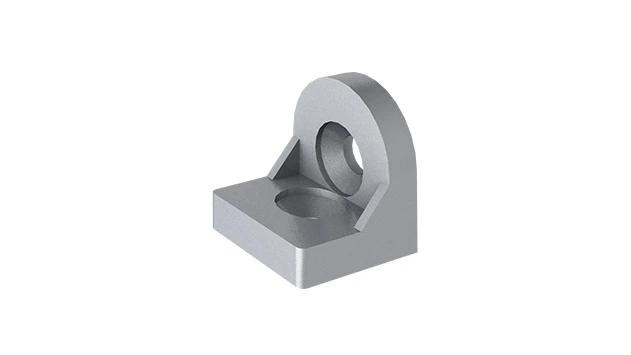
Turning Angle Code 3030
The turning angle aluminum profile connector provides a 90 degree hidden corner connection. 3030 it is means this size is used for 30 series aluminum profile.The corner code comes with set screws that allow for quick, easy connections.
Walk through any busy manufacturing facility, warehouse, or assembly line, and you'll likely spot rows of sturdy workbenches, material racks, and production stations humming with activity. Behind this seamless workflow lies a network of small but critical components that keep everything stable, aligned, and efficient. One such unsung hero is the Turning Angle Code 3030 —a humble yet vital part of aluminum profile systems that's often overlooked until it fails. Whether it's securing the frame of a workbench, reinforcing a material rack, or connecting sections of an aluminum profile structure, this unassuming component plays a pivotal role in maintaining structural integrity. But like any hardworking tool, it needs care to keep performing at its best. In this guide, we'll dive into the world of Turning Angle Code 3030 maintenance, sharing practical tips to extend its service life, reduce downtime, and keep your lean system running smoothly.
Understanding the Turning Angle Code 3030: What It Is and Why It Matters
Before we jump into maintenance, let's take a moment to appreciate what the Turning Angle Code 3030 actually does. As part of the broader family of aluminum profile accessories , this component is designed to connect two aluminum profiles at a 90-degree angle (hence the "turning" in its name), though some variants can handle other angles too. Think of it as the "cornerstone" of modular structures: without it, your workbench might wobble, your material rack could lean, and your entire setup could become unstable.
Most Turning Angle Code 3030 components are made from high-grade aluminum alloy, chosen for its lightweight strength, corrosion resistance, and durability. They typically feature pre-drilled holes for bolts or screws, allowing them to lock tightly onto 3030-series aluminum profiles—the kind commonly used in workbenches, conveyor systems, and lean manufacturing setups. What makes them so valuable is their versatility: they're used in everything from simple workbench frames to complex production line structures, adapting to the unique needs of each workspace.
But here's the thing: even the toughest aluminum components wear down over time. Constant vibration from machinery, heavy loads, exposure to dust and moisture, and even the occasional bump or knock can take a toll. A loose or damaged Turning Angle Code 3030 isn't just a minor annoyance—it can lead to misaligned profiles, sagging work surfaces, and even safety hazards. In a lean system, where efficiency and precision are king, a failing angle code can disrupt workflows, slow down production, and increase costs. That's why proactive maintenance isn't just "good practice"—it's essential.
The Cost of Neglect: Why Maintenance Can't Wait
Let's be honest: in the chaos of daily operations, it's easy to put off "small" maintenance tasks. Who has time to inspect every angle code when there are orders to fulfill and deadlines to meet? But ignoring your Turning Angle Code 3030 can end up costing you far more in the long run. Here's how:
- Safety Risks: A weakened angle code can cause structures to collapse, putting workers at risk of injury from falling tools, materials, or even the structure itself. OSHA reports that "unstable work surfaces" are a leading cause of workplace accidents in manufacturing—don't let your neglected angle codes be the culprit.
- Production Downtime: When a Turning Angle Code 3030 fails, you're not just replacing a $10 part—you're halting production while the structure is repaired. For a busy facility, even an hour of downtime can mean lost revenue, missed deadlines, and frustrated teams.
- Secondary Damage: A loose angle code doesn't just affect itself. It can put extra stress on adjacent components, like 3030 aluminum profile end caps , bolts, or other angle codes, causing them to wear out faster. Before you know it, a single faulty part has turned into a chain reaction of repairs.
- Premature Replacement: Aluminum components are built to last, but neglect shortens their lifespan. A well-maintained Turning Angle Code 3030 can serve you for 5–10 years; a neglected one might need replacing in 2–3. Over time, those replacement costs add up.
The good news? Most of these issues are preventable with regular, basic maintenance. Let's break down the steps to keep your Turning Angle Code 3030 in top shape.

Daily Inspection: Catch Problems Early
The first line of defense in maintenance is daily inspection. You don't need to spend hours poring over every angle code, but a quick 5–10 minute check of high-use structures (like workbenches or material racks) can spot issues before they escalate. Here's what to look for:
Visual Checks: The "Eyeball Test"
Start with a simple visual scan. Walk around the structure and focus on the Turning Angle Code 3030 connections. Look for:
- Cracks or Bends: Check the body of the angle code for hairline cracks, especially around the bolt holes or where the two arms meet. Even small cracks can weaken the component under load. Also, look for bending—if the angle code is no longer sitting flush against the aluminum profile, it may have been bent by excess weight or impact.
- Rust or Corrosion: Aluminum is corrosion-resistant, but it's not immune—especially if the protective oxide layer is scratched or if the environment is highly humid (like a facility near the coast) or exposed to chemicals. Look for white, powdery spots (aluminum oxide) or discoloration, which signal corrosion starting to set in.
- Loose or Missing Bolts: Check the bolts or screws holding the angle code to the profile. Are they fully tightened? Are any missing? A bolt that's backed out even slightly can cause the angle code to shift, leading to instability.
- Debris Buildup: Dust, grease, or debris trapped between the angle code and the profile can act like sandpaper, wearing down both surfaces over time. It can also hide cracks or loose bolts, so keep the area clean.
Functional Checks: "Give It a Gentle Shake"
After the visual check, give the structure a gentle but firm shake. A stable setup should feel solid—no wobbling or creaking. If you notice movement at the Turning Angle Code 3030 joint, it's a red flag. Try pushing or pulling on the connected profiles (one at a time) to see if the angle code shifts. Excess movement means the bolts are loose or the angle code itself is worn.
Alignment Checks: "Straight as an Arrow"
Finally, check alignment. The aluminum profiles connected by the angle code should be straight and perpendicular (if it's a 90-degree joint). Use a square tool or even a smartphone level app to verify the angle. If the profiles are skewed, the angle code may be damaged, or the bolts may have loosened, causing the joint to twist.
Pro Tip: Focus your daily checks on high-stress areas first—like workbenches where heavy tools are used, material racks loaded with parts, or conveyor systems that vibrate constantly. These are where angle codes wear fastest.

Cleaning: Keep It Dust-Free and Debris-Free
Dust, grease, and grime might seem harmless, but they're silent enemies of the Turning Angle Code 3030. Over time, debris can scratch the aluminum surface, trap moisture (leading to corrosion), and even interfere with bolt tightness. Regular cleaning is quick, easy, and one of the most effective ways to extend service life.
What You'll Need
You don't need fancy tools for cleaning—just a few basic supplies:
- A soft-bristled brush (like an old toothbrush or a small paintbrush) to dislodge dust from tight spaces.
- A lint-free cloth (microfiber works best) for wiping down surfaces.
- Mild soap and warm water (avoid harsh chemicals like bleach or abrasive cleaners, which can damage the aluminum finish).
- A can of compressed air (optional, but useful for blowing dust out of bolt holes or crevices).
Step-by-Step Cleaning Process
1. Dust First: Use the soft brush or compressed air to remove loose dust and debris from the Turning Angle Code 3030 and the surrounding area. Pay extra attention to the gap between the angle code and the aluminum profile—this is where dust loves to hide.
2. Wipe with Soap and Water: Dampen the microfiber cloth with warm, soapy water (don't soak it—you don't want excess water dripping into the joint). Gently wipe the surface of the angle code, including the bolt heads and the area where it meets the profile. This will remove grease, oil, or sticky residues.
3. Dry Thoroughly: Use a dry microfiber cloth to wipe away any moisture. If the environment is humid, you can even use a hair dryer on the cool setting to ensure no water is trapped—moisture left behind can lead to corrosion.
4. Inspect Again: Now that the area is clean, do another quick visual check. Debris might have been hiding cracks or loose bolts, so this is a good chance to spot issues you missed earlier.
How often should you clean? For most facilities, a weekly wipe-down is enough. But if your workspace is particularly dusty (like a woodworking shop) or greasy (like a mechanic's garage), step it up to 2–3 times a week.
Lubrication: Keeping the Joints Moving Smoothly
While the Turning Angle Code 3030 is a fixed joint (it doesn't rotate or slide), the bolts and threads that hold it in place can benefit from occasional lubrication. Lubrication prevents threads from seizing up (which makes tightening or loosening bolts a nightmare) and helps repel moisture, reducing the risk of corrosion.
When and What to Lubricate
Focus on the bolts and screw threads that secure the angle code to the aluminum profile. Use a light, non-drying lubricant like silicone spray or machine oil (avoid heavy greases, which attract dust). Apply a small amount to the threads before tightening bolts, or spray a tiny bit onto a cloth and wipe it onto existing bolts (this works well for maintenance checks).
How often? Aim for lubrication every 3–6 months, or whenever you notice bolts are hard to turn. If you live in a humid area, lubricate more frequently (every 2–3 months) to fight moisture.
Tightening: "Righty-Tighty, But Not Too Tighty"
Loose bolts are the number one cause of Turning Angle Code 3030 failure. Over time, vibration from machinery, repeated loading/unloading of workbenches, or even temperature changes can cause bolts to back out. Tightening them regularly is critical—but there's a catch: over-tightening can strip threads or crack the angle code. Here's how to get it right:
Tools You'll Need
Invest in a good set of hex keys (Allen wrenches) or a torque wrench if you're working with high-load structures. Most aluminum profile systems use metric bolts (M5 or M6 are common for 3030 profiles), so make sure your tools match the bolt size to avoid stripping the heads.
The Tightening Process
1. Check for Stripped Threads: Before tightening, inspect the bolt threads and the holes in the aluminum profile. If the threads are stripped (you can feel them "catch" unevenly when turning the bolt), replace the bolt immediately—stripped threads can't hold tension, no matter how tight you crank them.
2. Tighten Gradually: If the bolt is loose, tighten it slowly and evenly. Stop when you feel resistance—this is called "finger-tight." Then, give it a quarter-turn more with the wrench. This should be enough to secure the angle code without overdoing it.
3. Use a Torque Wrench for Heavy Loads: For structures that carry heavy weights (like material racks holding large parts), use a torque wrench set to the manufacturer's recommended torque (usually 2–4 Nm for M5 bolts, 4–6 Nm for M6). This ensures you don't under-tighten (risking looseness) or over-tighten (risking damage).
4. Check Adjacent Components: When tightening the Turning Angle Code 3030, also check the 3030 aluminum profile end cap at the end of the profile. A loose end cap can allow the profile to shift, putting extra stress on the angle code. Tighten those bolts too while you're at it!
Handling Wear and Tear: When to Repair vs. replace
Even with perfect maintenance, Turning Angle Code 3030 components will eventually wear out. The key is knowing when to repair and when to replace to avoid bigger issues down the line.
Signs It's Time to replace
replace the angle code immediately if you notice:
- Cracks: Any crack, no matter how small, weakens the component. Cracks can spread under load, leading to sudden failure.
- Stripped Threads: If the bolt holes in the angle code are stripped (bolts spin without tightening), the component is beyond repair.
- Bending or Deformation: A bent angle code can't properly align the aluminum profiles, leading to instability. Straightening it rarely works—replace it instead.
- Severe Corrosion: If corrosion has eaten through the surface and created pits or holes, the angle code's strength is compromised.
When Repair Might Work
In some cases, you can extend the life of a slightly worn angle code:
- Loose Bolts: Tighten them (as discussed earlier) or replace with new bolts if the old ones are damaged.
- Minor Corrosion: For light surface corrosion, gently sand the area with fine-grit sandpaper (220-grit or higher) to remove the oxide layer, then wipe with a damp cloth and apply a thin coat of clear enamel spray to protect the surface.
When replacing, always source genuine parts from a reputable lean system supplier . Cheap knockoffs may not meet the same strength standards, putting your structure at risk.
A Maintenance Schedule You Can Stick To
To make maintenance easier, we've created a simple schedule to follow. Print it out and post it near your workbenches or material racks as a reminder:
| Task | Frequency | Tools Needed | Notes |
|---|---|---|---|
| Visual Inspection (Cracks, Loose Bolts, Debris) | Daily (high-use structures) | None—just your eyes! | Focus on workbenches and material racks used most often. |
| Cleaning (Dust, Grease Removal) | Weekly (or 2–3x/week for dusty/greasy areas) | Soft brush, microfiber cloth, mild soap, water | Dry thoroughly to prevent corrosion. |
| Bolt Tightening | Bi-Weekly | Hex keys or torque wrench | Don't over-tighten—stop at "finger-tight + quarter-turn." |
| Lubrication (Bolt Threads) | 3–6 Months | Silicone spray or machine oil, cloth | More frequent in humid environments. |
| Full Inspection (Cracks, Corrosion, Wear) | Monthly | Flashlight, magnifying glass (for small cracks) | Check all angle codes, not just high-use ones. |
| Replacement of Worn Components | As Needed | Hex keys, replacement angle codes/bolts | Source parts from a trusted lean system supplier. |
Final Thoughts: Small Efforts, Big Rewards
Maintaining your Turning Angle Code 3030 might seem like a small task, but it's one that pays off in big ways: fewer breakdowns, safer workspaces, and a lean system that keeps humming along. By taking 10–15 minutes a week for inspections, cleaning, and tightening, you can add years to the life of these critical components. Remember, the goal isn't perfection—it's consistency. Even the most basic care will go further than waiting for something to break.
So, the next time you walk past that workbench or material rack, take a second to glance at the Turning Angle Code 3030. Give it a quick check, tighten a loose bolt, or wipe away some dust. Your team, your production line, and your bottom line will thank you.