- Company Articles
- Products and Technology
- Product knowledge
- Turning Angle Code 3030 Material Analysis: Why Aluminum Is the Top Choice

Turning Angle Code 3030 Material Analysis: Why Aluminum Is the Top Choice
Related Product
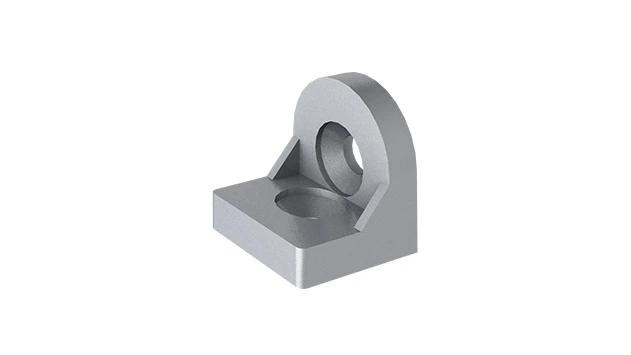
Turning Angle Code 3030
The turning angle aluminum profile connector provides a 90 degree hidden corner connection. 3030 it is means this size is used for 30 series aluminum profile.The corner code comes with set screws that allow for quick, easy connections.
Walk through any manufacturing plant, warehouse, or assembly line, and you'll notice a symphony of moving parts—conveyors hum, workers assemble, and products flow. But behind this chaos lies a hidden network of small, unassuming components that hold everything together. One such component, often overlooked yet critical to structural integrity and efficiency, is the turning angle code. Specifically, the Turning Angle Code 3030 has become a staple in modern industrial setups, and its material choice can make or break the performance of the entire system. Today, we're diving deep into why aluminum, particularly aluminum extrusion profile, stands head and shoulders above other materials for this essential part. Whether you're a factory manager, a lean system enthusiast, or simply curious about the building blocks of efficient workspaces, this analysis will show you why aluminum isn't just a choice—it's the smart choice.
What Is Turning Angle Code 3030, Anyway?
Before we jump into materials, let's get clear on what a Turning Angle Code 3030 actually is. In the world of industrial framing, where aluminum profiles form the backbone of workbenches, material racks, and production lines, angle codes are the "glue" that connects these profiles at corners. Think of them as the silent organizers: when you need two 30x30mm aluminum profiles to meet at a 90-degree angle (or any angle, really), the Turning Angle Code 3030 steps in to secure that joint, ensuring stability and alignment. It's a small piece—usually a metal bracket with pre-drilled holes for bolts or screws—but its role is monumental. A weak angle code can lead to wobbly workbenches, misaligned conveyor tracks, or even safety hazards. A strong, well-designed one? It turns a collection of aluminum tubes into a robust, reliable system.
The "3030" in its name refers to the size of the aluminum profile it's designed to fit. Most industrial aluminum profiles come in standard sizes, and 30x30mm is a workhorse—versatile enough for light-duty tasks like electronics assembly workbenches and sturdy enough for medium-load material racks. So, the Turning Angle Code 3030 is tailor-made for this profile, with dimensions that snugly wrap around the profile's edges, distributing weight evenly and preventing slippage. It's not just about holding things together; it's about precision. In lean manufacturing, where every millimeter counts, a misaligned joint can throw off an entire production flow. That's why choosing the right material for this tiny but vital component is non-negotiable.
Material Showdown: The Contenders for Turning Angle Code 3030
If you're in the market for Turning Angle Code 3030, you'll likely encounter three main material options: steel, plastic, and aluminum. Each has its pros and cons, but when you dig into the details, one quickly rises to the top. Let's break them down.
Steel: The Heavyweight Contender
Steel is the traditional go-to for industrial components. It's strong, durable, and has a reputation for "toughness." A steel Turning Angle Code 3030 would certainly hold up under heavy loads—no question there. But here's the catch: steel is heavy. Really heavy. When you're assembling a workbench or a material rack with multiple angle codes, that weight adds up. Imagine a team of workers trying to lift a section of a production line framed with steel angle codes—fatigue sets in faster, assembly takes longer, and the risk of injury increases. Then there's corrosion. Unless it's stainless steel (which is even heavier and pricier), regular steel rusts when exposed to moisture, oils, or chemicals common in factory environments. Over time, that rust weakens the joint, leading to costly replacements. Steel also lacks flexibility; it's hard to machine or modify on-site if you need a custom angle, which is a problem in lean systems that thrive on adaptability.
Plastic: The Lightweight Underdog
Plastic angle codes are lightweight and cheap, which makes them tempting for budget-conscious operations. They won't rust, and they're easy to mold into different shapes. But "cheap" often comes with trade-offs. Plastic lacks the tensile strength needed for heavy loads. Mount a heavy tool on a workbench held together by plastic angle codes, and you might start to see flexing or even cracking over time. Heat is another enemy: in factories with high temperatures (think foundries or plastic molding shops), plastic can warp or degrade, losing its grip on the aluminum profiles. And while they're lightweight, they're not as durable as metal—drop a plastic angle code, and it might shatter. For temporary setups or ultra-light applications, plastic might work, but for long-term, high-performance use? It's a gamble.
Aluminum: The Balanced Champion
Now, enter aluminum. At first glance, it might seem like the middle ground—lighter than steel, stronger than plastic—but that's selling it short. Aluminum, especially when used in the form of aluminum extrusion profile, brings a unique set of advantages that make it perfect for Turning Angle Code 3030. Let's unpack why.

Why Aluminum Extrusion Profile Makes the Best Turning Angle Code 3030
Aluminum isn't just a material—it's a solution. When manufacturers produce Turning Angle Code 3030 from aluminum extrusion profile, they're tapping into a process that unlocks strength, precision, and versatility. Extrusion is the method where aluminum is pushed through a die to create complex cross-sectional shapes, and it's ideal for angle codes. Unlike steel, which is often cut or welded (leading to inconsistencies), aluminum extrusion ensures every angle code is identical—same thickness, same hole placement, same fit. That consistency is gold in lean systems, where interchangeability reduces downtime and errors.
Lightweight Without Sacrificing Strength
One of aluminum's biggest selling points is its strength-to-weight ratio. Aluminum is about one-third the weight of steel, which means workers can handle angle codes with ease during assembly. Imagine a team building a 20-foot-long material rack: with steel angle codes, they might need two people per section; with aluminum, one person can manage. This cuts down on labor time and reduces the risk of strains or drops. But don't let the lightness fool you—aluminum extrusion profile is surprisingly strong. Thanks to the extrusion process, the metal's grains align in the direction of the shape, boosting its structural integrity. A well-designed aluminum Turning Angle Code 3030 can easily support the weight of tools, materials, or even small machinery without bending or deforming.
Take a real-world example: an electronics factory using workbenches built with 3030 aluminum profiles and aluminum angle codes. Each workbench holds a soldering station, a microscope, and bins of components—easily 50-75 pounds. Over time, that weight stays constant, but the aluminum angle codes don't fatigue. Steel would handle the weight too, but the workbench itself would be heavier, making it harder to reposition if the production line needs to be rearranged (a common scenario in lean manufacturing). Aluminum lets you have both strength and mobility—no compromises.
Corrosion Resistance: Built to Last in Harsh Environments
Factories are tough places for metal. There's moisture from cleaning, oils from machinery, chemicals from production processes, and even humidity in tropical climates. Steel rusts, plastic degrades, but aluminum? It fights back. Aluminum naturally forms a thin oxide layer on its surface when exposed to air, acting as a shield against corrosion. This layer is self-healing, too—if it gets scratched, the aluminum reacts with oxygen again to rebuild the protection. For Turning Angle Code 3030, this means longevity. A steel angle code might start showing rust after a year in a humid warehouse; an aluminum one? It could last a decade or more with minimal maintenance. No repainting, no rust removal, no early replacements. That's a big win for cost savings and sustainability.
Consider food processing plants, where cleanliness is non-negotiable. Daily washdowns with water and sanitizers would corrode steel angle codes quickly, but aluminum stands up to the moisture without a problem. Similarly, in automotive factories where lubricants and coolants are everywhere, aluminum angle codes stay strong, ensuring the material racks and assembly lines they support remain stable for years.
Machinability: Customizable for Every Need
In lean manufacturing, flexibility is key. Production lines change, workbenches get repurposed, and material flows shift. A Turning Angle Code 3030 that can't adapt to these changes is a liability. Aluminum, however, is incredibly easy to machine. Need an extra hole drilled for a custom bracket? A quick pass with a drill press, and it's done. Want to adjust the angle from 90 degrees to 45? A few cuts with a saw, and the aluminum angle code bends (gently!) to fit. Steel, on the other hand, is hard and brittle—drilling or cutting requires heavy tools and can weaken the metal. Plastic might melt or crack under heat from machining. Aluminum's malleability makes it a dream for on-the-fly modifications, keeping your lean system agile and responsive.
Cost-Effective in the Long Run
Let's talk money. At first glance, aluminum angle codes might cost more than plastic or even some steel options. But "cost" isn't just the upfront price tag—it's the total cost of ownership. Aluminum lasts longer, so you replace it less often. It's lighter, so shipping and handling costs are lower. It resists corrosion, so you save on maintenance and repairs. And because it's compatible with a wide range of aluminum profile accessories (like end caps, hinges, and gussets), you don't need to buy specialized parts. Over time, these savings add up. A factory using aluminum Turning Angle Code 3030 might pay 10-15% more upfront than with plastic, but after five years, they'll have saved twice that in replacement and labor costs. It's an investment that pays off.
Sustainability: Good for the Planet, Good for Your Brand
These days, sustainability isn't just a buzzword—it's a business imperative. Customers, regulators, and employees all care about environmental impact, and aluminum delivers here too. Aluminum is 100% recyclable, and recycling it uses just 5% of the energy needed to produce new aluminum. That means when a Turning Angle Code 3030 reaches the end of its life, it doesn't end up in a landfill—it gets melted down and turned into a new angle code, a soda can, or even an airplane part. Steel is recyclable too, but its heavier weight means more energy is needed to transport and process it. Plastic? Most industrial plastics aren't recyclable, and they linger in landfills for centuries. By choosing aluminum, you're not just building a better system—you're building a greener one. And in a market where consumers reward eco-friendly brands, that's a competitive edge.

Aluminum Profile Accessories: Turning Angle Code 3030's Perfect Partners
A Turning Angle Code 3030 is only as good as the system it's part of, and aluminum profile accessories play a huge role in that system's success. Think of it like a puzzle: the angle code is a key piece, but you need other pieces (accessories) to complete the picture. Let's take a look at some of these partners and how they work with the Turning Angle Code 3030 to create a seamless, functional setup.
First up: gussets. Gusset Alp 3030, for example, is a triangular bracket that reinforces the joint where the angle code connects two profiles. It adds extra stability, especially in high-load applications like heavy-duty material racks. When paired with a Turning Angle Code 3030, the gusset distributes weight even further, preventing the joint from twisting under stress. Then there are end caps—small plastic or aluminum covers that snap onto the ends of aluminum profiles. They protect workers from sharp edges and keep dust out of the profile's T-slots (the grooves that let you attach accessories). End caps might seem trivial, but they extend the life of the entire system by preventing corrosion inside the profile.
Hinges are another essential accessory. Imagine a workbench with a fold-down side shelf—aluminum hinges, paired with Turning Angle Code 3030, let that shelf swing up or down smoothly, locking into place when needed. Without a sturdy angle code to anchor the hinge, the shelf would wobble or even collapse. Then there are connectors, like T-joints or cross-joints, which let you branch profiles off at different angles. The Turning Angle Code 3030 ensures those branches stay aligned, so your material rack doesn't lean to one side or your conveyor track stays straight.
The beauty of aluminum profile accessories is that they're all designed to work together. Since the Turning Angle Code 3030 is made from the same aluminum extrusion profile as the main framing, the accessories fit perfectly—no guesswork, no custom modifications. This compatibility is a cornerstone of lean systems, where time is money. When you can grab a gusset, a hinge, and an angle code from the shelf and have them work together on the first try, you cut down on setup time and errors.
Turning Angle Code 3030 in Lean Systems: Efficiency Personified
Lean manufacturing is all about eliminating waste—waste of time, waste of materials, waste of space. A well-designed lean system streamlines workflows, reduces downtime, and keeps production moving. So where does the Turning Angle Code 3030 fit into this? Everywhere. Let's take a walk through a typical lean production line and see how this small component makes a big difference.
Start with the workbench. In a lean setup, workbenches are customized to the task: height-adjustable, with tool holders, bins, and overhead racks. The frame of that workbench is likely made of 3030 aluminum profiles, connected by Turning Angle Code 3030. Because aluminum is lightweight, the workbench can be moved if the production line needs to be reconfigured (a key lean principle called "flexible layout"). The angle codes ensure the bench stays stable even when tools are clamped to it or workers lean on it. No more wobbly surfaces throwing off precision work.
Next, material racks. A lean system keeps materials close to the point of use, so workers don't waste time walking to a distant stockroom. Material racks built with 3030 profiles and aluminum angle codes are perfect for this. They're strong enough to hold boxes of components but light enough to be wheeled into place (with casters, another aluminum profile accessory). The Turning Angle Code 3030 ensures the rack's shelves stay level, so boxes don't slide off, and the joints don't loosen over time—even with daily loading and unloading.
Conveyor tracks are another lean staple, moving products from one station to the next. The frames supporting these tracks often use 3030 profiles, and angle codes keep the tracks aligned. A misaligned conveyor can jam, causing delays; aluminum angle codes prevent that by keeping the tracks straight and secure. And if the production line needs to add a new conveyor branch? The angle codes make it easy to attach new profiles without welding or drilling—simply bolt them on and go.
Even turnover trolleys, used to transport materials between departments, rely on Turning Angle Code 3030. These trolleys need to be durable (to handle bumps) and lightweight (to push easily). Aluminum angle codes strike that balance, ensuring the trolley's frame doesn't bend when loaded with heavy parts but is still manageable for a single worker to move. In a lean system, every second counts—and a trolley that's easy to push saves seconds that add up to hours over a week.
Material Comparison: How Aluminum Stacks Up
To really drive home why aluminum is the best choice for Turning Angle Code 3030, let's put it head-to-head with steel and plastic in a side-by-side comparison. This table breaks down key factors like weight, strength, cost, and sustainability, so you can see the difference for yourself.
| Factor | Aluminum (Extrusion Profile) | Steel | Plastic |
|---|---|---|---|
| Weight (per cubic inch) | 0.097 lbs (lightweight, easy to handle) | 0.283 lbs (heavy, requires more labor) | 0.044 lbs (lightest, but weak) |
| Tensile Strength (psi) | 30,000–60,000 (strong enough for most industrial uses) | 60,000–100,000 (stronger, but overkill for many applications) | 5,000–15,000 (too weak for heavy loads) |
| Corrosion Resistance | Excellent (natural oxide layer prevents rust) | Poor (rusts without coating; stainless steel is better but pricier) | Good (doesn't rust, but degrades in heat/chemicals) |
| Upfront Cost | Moderate (higher than plastic, lower than stainless steel) | Low to moderate (mild steel is cheap; stainless is expensive) | Low (cheapest upfront, but high long-term costs) |
| Total Cost of Ownership | Low (long lifespan, minimal maintenance) | Moderate (high maintenance for mild steel; stainless is costly) | High (frequent replacements needed) |
| Recyclability | 100% recyclable (low energy use for recycling) | 100% recyclable (higher energy use than aluminum) | Mostly non-recyclable (lingers in landfills) |
| Best For | Lean systems, workbenches, material racks, conveyor frames (most industrial applications) | Heavy machinery, high-load structural supports (limited use cases) | Temporary setups, light-duty shelving (not recommended for industrial use) |
As the table shows, aluminum hits the sweet spot in almost every category. It's strong enough for industrial use, light enough for easy handling, resistant to corrosion, and sustainable. Steel might be stronger, but that strength often goes unused in typical applications, and its weight and maintenance costs drag it down. Plastic is cheap, but it's a Band-Aid solution that fails when the going gets tough. Aluminum? It's the all-around champion.
Real-World Success: How One Factory Benefited from Aluminum Angle Codes
Numbers and specs are great, but nothing tells the story like a real example. Let's look at a mid-sized automotive parts manufacturer we'll call "AutoPro" (a fictional name to protect privacy). A few years ago, AutoPro was struggling with their production line: workbenches were wobbly, material racks kept rusting, and reconfiguring the line took days. Their old setup used steel angle codes and wooden shelves, and it was costing them time and money. Workers complained about heavy racks that were hard to move, and the maintenance team was constantly replacing rusted steel brackets.
Then, AutoPro switched to aluminum extrusion profile framing with Turning Angle Code 3030. The results were dramatic. First, assembly time for new workbenches dropped by 40%—since aluminum angle codes are lighter and easier to handle, two workers could build a bench in an hour instead of two. Second, maintenance costs plummeted. In the first year, they replaced just 5% of their angle codes, compared to 30% with steel. Third, reconfiguring the production line went from taking a full weekend to a single day. The lightweight aluminum frames could be moved by hand, and the angle codes made it easy to disassemble and reassemble joints without welding. Finally, worker satisfaction improved—no more straining to lift heavy steel parts, and the stable workbenches reduced errors in precision tasks.
AutoPro's story isn't unique. Factories, warehouses, and even labs around the world are making the switch to aluminum, and the Turning Angle Code 3030 is often the first step. It's a small change that leads to big results—exactly what lean manufacturing is all about.
Conclusion: Aluminum Isn't Just a Choice—It's the Future
When you boil it down, the Turning Angle Code 3030 is more than a bracket. It's a symbol of how the smallest components can drive big improvements in efficiency, safety, and sustainability. And when it comes to materials, aluminum—specifically aluminum extrusion profile—stands unrivaled. It's lightweight yet strong, corrosion-resistant, cost-effective over time, and eco-friendly. It plays well with aluminum profile accessories, fits seamlessly into lean systems, and even helps brands meet their sustainability goals.
So the next time you walk through a factory or look at a workbench, take a second to notice the angle codes. Chances are, if it's a well-run operation, they're made of aluminum. And now you'll know why: because aluminum doesn't just build systems—it builds better systems. For manufacturers looking to stay competitive, reduce costs, and future-proof their operations, the choice is clear. Aluminum isn't just the top choice for Turning Angle Code 3030—it's the only choice that makes sense.
In a world where every detail matters, the Turning Angle Code 3030 made from aluminum extrusion profile is the detail that delivers. It's time to stop settling for less and start building with the best. Your workers, your bottom line, and the planet will thank you.