- Company Articles
- Products and Technology
- Product knowledge
- Turning Angle Code 3030 Surface Finish: Matte vs Glossy Options

Turning Angle Code 3030 Surface Finish: Matte vs Glossy Options
Related Product
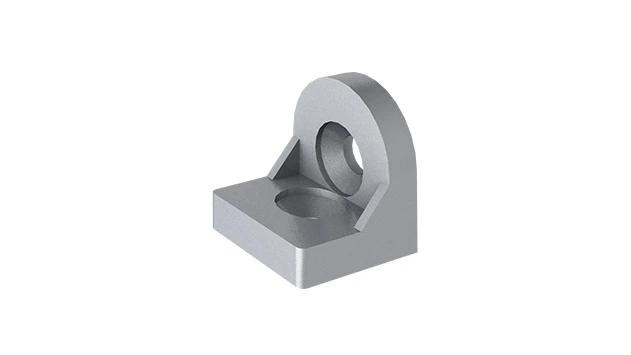
Turning Angle Code 3030
The turning angle aluminum profile connector provides a 90 degree hidden corner connection. 3030 it is means this size is used for 30 series aluminum profile.The corner code comes with set screws that allow for quick, easy connections.
Walk into any modern manufacturing facility, warehouse, or even a sleek office workspace, and you'll likely spot structures that seem to effortlessly blend functionality with order—workbenches that stay steady during assembly, material racks that hold heavy loads without sagging, or conveyor systems that move products smoothly. What you might not notice at first glance is the unsung hero holding many of these structures together: the turning angle code. Specifically, the turning angle code 3030, a small but critical component in the world of aluminum profiles, plays a huge role in ensuring stability, precision, and longevity. But here's the thing: not all turning angle codes are created equal. One of the most impactful differences lies in their surface finish—matte or glossy. It's a choice that goes beyond mere aesthetics; it affects durability, maintenance, and even how well the component integrates into its environment. Let's dive into the details of these two finishes, explore their pros and cons, and help you decide which one is right for your next project.
What Exactly is a Turning Angle Code 3030?
Before we jump into finishes, let's make sure we're all on the same page about what a turning angle code 3030 is. In simple terms, it's a specialized connector designed to join aluminum profiles at angles—most commonly 90 degrees, but sometimes adjustable for other angles—hence the "turning" in its name. The "3030" refers to its compatibility with 30mm x 30mm aluminum profiles, a standard size widely used in industrial and commercial applications (you might know this as the 3030 national standard profile a , a popular variant in many markets). These angle codes are part of the broader family of aluminum profile accessories , which includes everything from brackets to end caps, all working together to turn basic aluminum tubes into fully functional structures.
The role of a turning angle code 3030 can't be overstated. Imagine building a workbench: you have vertical legs (3030 profiles) and horizontal beams (also 3030 profiles). To connect them securely, you need something that can bridge the gap and distribute weight evenly. That's where the angle code comes in. It's typically screwed or bolted into the T-slots of the profiles, creating a rigid joint that resists twisting or bending. Without a reliable angle code, even the sturdiest profiles would wobble, putting the entire structure at risk. So, while it might be small, its job is mission-critical.
Why Surface Finish Matters More Than You Think
At first glance, surface finish might seem like a purely cosmetic choice. "It's just how it looks, right?" Well, yes and no. While appearance is certainly a factor, the finish on a turning angle code 3030 serves three key purposes: protection, functionality, and integration. Let's break that down.
First, protection. Aluminum is naturally resistant to corrosion, but it's not invincible. A good surface finish acts as a barrier, shielding the metal from moisture, chemicals, and everyday wear and tear. This is especially important in environments like factories, where exposure to oils, coolants, or humidity is common. Second, functionality. A finish can affect how the angle code interacts with other components. For example, a slippery finish might make it harder to tighten screws, while a textured finish could provide better grip during installation. Third, integration. The finish of the angle code should complement the overall look of the structure it's part of. A glossy angle code on a matte workbench might stick out like a sore thumb, while a matte finish on a high-end display rack could feel out of place. In short, surface finish is the bridge between a component's form and its function.

Matte Finish: The Understated Workhorse
Matte finish is often described as "non-reflective" or "dull," but that's a bit of a disservice. In reality, matte has a soft, velvety texture that absorbs light rather than bouncing it back. It's the finish you might associate with tools that are built to work hard, not just look good. Let's explore its characteristics, benefits, and where it shines.
Characteristics of Matte Finish
Matte finishes are achieved through processes like bead blasting, chemical etching, or powder coating with a flat additive. The result is a surface that's smooth to the touch but not shiny. Under a microscope, you'd see tiny indentations or irregularities that scatter light, preventing that mirror-like reflection. This texture gives matte a more "tactile" feel—you can run your finger over it and barely leave a trace (more on that later).
Benefits of Matte Finish
The biggest advantage of matte finish is its ability to hide imperfections. Scratches, fingerprints, and smudges are far less noticeable on a matte surface than on a glossy one. This makes it ideal for high-traffic areas or components that get handled frequently. Imagine a workbench in a busy assembly line: employees are constantly leaning on it, tools are dropped, and parts are slid across it. A matte turning angle code here would stay looking presentable for longer, even with daily wear and tear.
Matte also has a certain "industrial chic" appeal. It's understated, which makes it perfect for environments where the focus should be on the work itself, not the equipment. Think of a manufacturing floor where the goal is efficiency—you don't want shiny components distracting workers or clashing with the utilitarian vibe. Matte blends in, letting the structure's functionality take center stage.
Another perk? Matte finishes are often more resistant to chemical damage. Many matte powder coatings include additives that make them tougher against oils, solvents, and cleaning agents—common in workshops where spills happen. This resistance extends the life of the angle code, ensuring it continues to protect the underlying aluminum from corrosion.
Drawbacks to Consider
Matte isn't without its downsides. For one, it can look "flat" in low-light environments. If you're using the angle code in a space with dim lighting, a matte finish might make the structure feel dull or lifeless. Additionally, while it hides small scratches, deeper gouges can be more noticeable because the texture disrupts the even, velvety look. And, depending on the manufacturing process, matte finishes can sometimes be slightly more expensive than basic glossy ones, though this varies by supplier.

Glossy Finish: Sleek, Reflective, and Attention-Grabbing
If matte is the workhorse, glossy is the showstopper. Glossy finishes are all about shine—they reflect light, creating a smooth, mirror-like surface that catches the eye. They're often chosen for applications where appearance matters as much as function, or where a modern, polished look is desired. Let's take a closer look.
Characteristics of Glossy Finish
Glossy finishes are typically achieved through processes like anodizing (which creates a thin, protective oxide layer with a shiny surface) or high-gloss powder coating. The key here is a smooth surface—fewer imperfections mean more light is reflected uniformly, creating that signature shine. Run your finger over a glossy angle code, and it might feel almost slippery, with a glass-like smoothness.
Benefits of Glossy Finish
The most obvious benefit of glossy finish is its aesthetic appeal. It looks sleek, modern, and professional. This makes it a great choice for structures that are on display, like retail shelving, office partitions, or trade show booths. A glossy turning angle code can elevate the entire look of a structure, making it feel more high-end and intentional.
Glossy finishes also tend to be easier to clean—at least when it comes to surface dirt. A quick wipe with a damp cloth often removes dust and light grime, thanks to the smooth surface that doesn't trap particles. In environments where cleanliness is a priority, like laboratories or food processing facilities (though in these cases, you'd also need to ensure the finish is food-safe), this can be a big plus.
Another advantage is that glossy finishes can make a space feel brighter. By reflecting light, they help distribute illumination more evenly, which can be beneficial in areas with limited natural light. Imagine a small workshop with a glossy workbench and matching angle codes—the reflection might make the space feel larger and more open.
Drawbacks to Consider
The flip side of that shine is that glossy finishes show every little imperfection. Fingerprints? They're front and center. Scratches? Even tiny ones catch the light and stand out. This can be a problem in high-traffic areas or where the angle code is handled regularly. For example, if you're using the angle code on a workbench in a garage where tools are constantly being moved around, you might find yourself polishing it frequently to keep it looking good.
Glossy finishes can also be more prone to glare. In spaces with bright overhead lighting or direct sunlight, the reflection might be distracting or even uncomfortable for workers. And while they're easy to clean for surface dirt, deeper stains or chemical spills can sometimes etch the surface if not cleaned immediately, as the smooth finish offers less texture to "grab onto" and protect the metal underneath.
Matte vs Glossy: A Head-to-Head Comparison
To make it easier to weigh your options, let's put matte and glossy finishes side by side in a table. This will help you quickly compare their key attributes:
| Attribute | Matte Finish | Glossy Finish |
|---|---|---|
| Aesthetics | Soft, velvety, non-reflective; blends into industrial or utilitarian environments. | Sleek, shiny, reflective; stands out in modern or display-focused settings. |
| Durability (Scratches/Fingerprints) | Hides minor scratches and fingerprints well; deeper gouges may be noticeable. | Shows scratches, fingerprints, and smudges prominently; requires more upkeep to look clean. |
| Maintenance | Low maintenance; occasional wiping with a dry or slightly damp cloth suffices. | High maintenance; frequent cleaning needed to remove fingerprints and dust; may require polish for shine. |
| Best For | High-traffic areas (factories, workshops), heavy-use structures (material racks, workbenches), environments where function > form. | Display spaces (retail, offices), low-traffic areas, structures where appearance is a priority (showrooms, trade booths). |
| Lighting Compatibility | Works well in bright or dim light; doesn't cause glare. | Shines in well-lit areas but may cause glare in bright or sunny spaces. |
| Cost | Slightly higher cost in some cases (due to specialized finishing processes). | Often more affordable for basic glossy options, but premium high-gloss finishes can be pricey. |
How to Choose: Key Factors to Consider
Now that you understand the differences between matte and glossy, how do you decide which one is right for your project? Here are the key factors to keep in mind:
1. Environment of Use
Start by thinking about where the turning angle code will live. Is it in a busy factory with heavy machinery, oil spills, and constant foot traffic? Matte is probably the way to go—it can handle the abuse and stay looking decent. On the other hand, if it's in a quiet office, a retail store, or a trade show booth where appearance matters most, glossy might be worth the extra maintenance.
2. Level of Traffic/Handling
How often will the angle code be touched or bumped? If it's part of a workbench that's used 8 hours a day, with tools and parts being moved around, matte's fingerprint and scratch resistance will save you a lot of frustration. If it's a display rack that's rarely touched, glossy can shine (literally) without much upkeep.
3. Aesthetic Goals
What vibe are you going for? Do you want the structure to feel rugged and industrial, or sleek and modern? Matte plays into the former, glossy into the latter. Also, consider the other components: if you're using matte aluminum profiles, a glossy angle code might clash, and vice versa. Consistency in finishes across aluminum profile accessories (like end caps or lean pipe joint s) helps create a cohesive look.
4. Budget
While the cost difference between matte and glossy is often small per unit, it can add up for large projects. If budget is tight, basic glossy finishes are often more affordable. But if you need the durability and low maintenance of matte, it might be worth the extra investment in the long run—especially if replacing damaged components later would be costly.
Real-World Examples: When to Choose Matte vs Glossy
Sometimes, seeing examples helps clarify the decision. Let's look at a few common scenarios where the choice between matte and glossy turning angle code 3030 matters:
Scenario 1: Industrial Workbench in a Car Factory
Imagine a workbench where mechanics assemble car parts—oils, greases, and heavy tools are part of the daily grind. The workbench is made with 3030 national standard profile a, and the turning angle codes are critical for keeping the surface stable. Here, matte finish is the clear winner. It hides oil smudges, resists scratches from dropped tools, and blends into the industrial environment without drawing unnecessary attention. The last thing the mechanics need is a glossy angle code that shows every fingerprint and scratch, requiring constant cleaning.
Scenario 2: Retail Display Shelf in a Electronics Store
Now, picture a sleek retail shelf showcasing the latest smartphones. The store wants the display to feel modern and high-end, with clean lines and a polished look. The shelf uses 3030 aluminum profiles, and the turning angle codes are visible from the front. Glossy finish would be perfect here. It reflects the store's bright lighting, making the shelf look more expensive and attention-grabbing. Since customers aren't handling the angle codes directly (they're focused on the phones), fingerprints and scratches are less of an issue, and the occasional wipe-down keeps the gloss looking fresh.
Scenario 3: Home Workshop in a Garage
For a hobbyist's garage workshop, the choice might depend on personal preference. If the hobbyist values functionality and hates cleaning, matte is better—it can handle the occasional tool drop and doesn't need constant polishing. But if they take pride in the workshop's appearance (maybe they even host friends to show off their projects), glossy could add a nice touch of personality, making the space feel more intentional. In this case, a mix might work too—matte for the parts that get the most abuse, glossy for the more visible components.
Expert Tips for Maintaining Your Turning Angle Code Finish
No matter which finish you choose, proper maintenance will extend the life of your turning angle code 3030. Here are some pro tips:
For Matte Finish:
- Dust regularly with a dry microfiber cloth to prevent buildup, which can make the surface look dull over time.
- For deeper cleaning, use a mild soap and water solution—avoid harsh chemicals or abrasive sponges, which can scratch the texture.
- If you notice a deep scratch, consider using a touch-up pen designed for matte finishes (available from most aluminum profile suppliers) to blend it in.
For Glossy Finish:
- Wipe fingerprints immediately with a lint-free cloth—they're easier to remove before they dry.
- Use a glass cleaner (ammonia-free, to avoid damaging the finish) for stubborn smudges or grease.
- To minimize scratches, avoid dragging tools or heavy objects across the surface. If a scratch does occur, a metal polish (like those used for cars) might help reduce its visibility, though deep scratches may require professional repair.
Final Thoughts: It's All About Your Specific Needs
At the end of the day, the choice between matte and glossy turning angle code 3030 comes down to your unique situation. Matte is the practical, low-maintenance workhorse that thrives in high-traffic, industrial settings. Glossy is the stylish, attention-grabbing option that elevates aesthetics in display or low-traffic areas. Neither is "better"—they're just better suited for different jobs.
Remember, the turning angle code is part of a larger system. It works with aluminum profile s, other accessories, and the environment around it. Take the time to consider how it will be used, who will interact with it, and what message you want your structure to send. Whether you're building a workbench, a display rack, or something else entirely, the right finish will ensure your turning angle code doesn't just hold things together—it enhances the entire project.
So, next time you're ordering aluminum profile accessories, don't overlook the surface finish of the turning angle code 3030. It's a small detail, but as we've seen, small details can make a big difference in functionality, appearance, and long-term satisfaction. Choose wisely, and your structure will thank you for it.