- Company Articles
- Products and Technology
- Product knowledge
- Turning Angle Code 3030 Surface Treatment: Anodization Benefits & Options

Turning Angle Code 3030 Surface Treatment: Anodization Benefits & Options
Related Product
Turning Angle Code 3030
The turning angle aluminum profile connector provides a 90 degree hidden corner connection. 3030 it is means this size is used for 30 series aluminum profile.The corner code comes with set screws that allow for quick, easy connections.
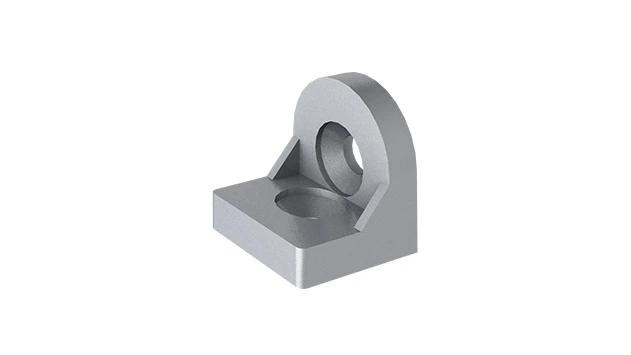
In the world of industrial assembly, where precision and durability are non-negotiable, it's often the smallest components that make the biggest difference. Take the Turning Angle Code 3030, for example. This unassuming bracket might not grab headlines, but anyone who's built a sturdy aluminum profile frame—whether for a workbench, a conveyor system, or a material rack—knows it's the unsung hero holding everything together. But here's the catch: even the best-designed bracket is only as reliable as its surface treatment. That's where anodization comes in. In this article, we're diving deep into why anodization is the gold standard for treating Turning Angle Code 3030, the benefits it brings to your aluminum profile assemblies, and the options available to tailor it to your project's needs.
First Things First: What Even Is a Turning Angle Code 3030?
Before we get into surface treatments, let's make sure we're all on the same page about what a Turning Angle Code 3030 actually does. If you've ever worked with aluminum profiles—those modular, T-slot extrusions used to build everything from factory workstations to retail displays—you know they rely on connectors to form rigid, stable structures. The Turning Angle Code 3030 is one of those essential connectors. Designed specifically for 3030 aluminum profiles (meaning the profile has a 30mm x 30mm cross-section), this bracket fits snugly into the T-slots at the corners of the profiles, allowing you to join them at 90-degree angles with precision. Think of it as the "cornerstone" of your aluminum frame—quietly ensuring that shelves don't wobble, workbenches don't sag, and conveyor rails stay aligned.
But here's the thing: aluminum, while naturally corrosion-resistant, isn't invincible. When exposed to moisture, chemicals, or even just the wear and tear of daily use, untreated aluminum can oxidize, fade, or weaken over time. And since the Turning Angle Code 3030 is often hidden away at the joints, any damage here can go unnoticed until the entire structure starts to fail. That's why choosing the right surface treatment isn't just about making your brackets look good—it's about ensuring your assemblies last for years, even in tough industrial environments.
Why Surface Treatment Matters for Turning Angle Code 3030
Let's break it down: the Turning Angle Code 3030 is under constant stress. Every time you load a workbench, push a material cart, or tighten a bolt, that bracket takes on force. Add in environmental factors—like the humidity in a food processing plant, the cleaning agents in a medical facility, or the oil and grease in an automotive shop—and you've got a recipe for premature wear if the surface isn't protected. A poor surface treatment can lead to:
- Corrosion: Rust or oxidation that weakens the bracket's structural integrity.
- Fading or discoloration: Making your assemblies look unprofessional or mismatched over time.
- Increased friction: Wearing down the T-slot edges of your aluminum profiles as the bracket shifts.
- Contamination: Chips or flakes from a failing surface coating can get into machinery or products (a big issue in cleanrooms or electronics manufacturing).
So, what's the solution? Anodization. Unlike paint or powder coating, which sit on top of the metal, anodization transforms the aluminum's surface from the inside out, creating a protective layer that's part of the metal itself. Let's take a closer look at how it works.

Anodization 101: How It Works for Turning Angle Code 3030
Anodization isn't just a coating—it's an electrochemical process that grows a durable, porous oxide layer directly on the aluminum surface. Here's a simplified breakdown of how it's done for Turning Angle Code 3030 brackets:
- Pre-treatment: The brackets are first cleaned to remove any dirt, oil, or manufacturing residues. This might involve degreasing, pickling (to remove oxides), and rinsing to ensure the surface is spotless—any contaminants here can ruin the anodization.
- Anodizing bath: The clean brackets are submerged in an electrolyte solution (usually sulfuric acid) and connected to an electric current. The aluminum acts as the anode, and when the current is applied, oxygen ions are released, reacting with the aluminum to form aluminum oxide (Al₂O₃) on the surface. This oxide layer is porous, which is key for the next step.
- Coloring (optional): If color is needed, the porous oxide layer acts like a sponge, absorbing dye molecules. The brackets are dipped in a dye bath, where the color seeps into the pores. For more durable colors (like black), some processes use electrolytic coloring, where metal salts are deposited into the pores instead of organic dyes.
- Sealing: Finally, the brackets are sealed (usually in hot water or steam), which closes the pores of the oxide layer, locking in the color (if used) and creating a hard, non-porous surface. This step is critical—it's what makes the anodized layer resistant to corrosion and wear.
The result? A surface that's 30-50% harder than untreated aluminum, with built-in corrosion resistance and a finish that won't chip, peel, or fade easily. For Turning Angle Code 3030, which is often subjected to heavy loads and harsh environments, this isn't just an upgrade—it's a necessity.

The Top Benefits of Anodizing Turning Angle Code 3030
Now that we know how anodization works, let's talk about why it's the best choice for your Turning Angle Code 3030 brackets. Spoiler: it's not just about looks (though it does look great). Here are the key benefits:
1. Unbeatable Corrosion Resistance
Aluminum naturally forms a thin oxide layer when exposed to air, which is why it doesn't rust like steel. But that natural layer is thin and uneven—easily worn away by friction or chemicals. Anodization thickens and stabilizes this layer, creating a barrier that's far more resistant to moisture, salt, acids, and alkalis. In environments like coastal factories (where salt air is a problem) or chemical plants, anodized Turning Angle Code 3030 brackets can last 10+ years without showing signs of corrosion, compared to just 1-2 years for untreated or painted brackets.
2. Enhanced Wear Resistance
Ever noticed how untreated aluminum brackets can leave black marks on your aluminum profiles after repeated tightening or adjustment? That's friction wearing away the soft metal surface. Anodized layers are much harder—think of them like adding a layer of ceramic to the aluminum. This hardness reduces friction between the Turning Angle Code 3030 and the profile's T-slots, protecting both the bracket and the profile from wear. It also makes the bracket more resistant to scratches from tools or accidental impacts, keeping your assemblies looking sharp even in high-traffic areas.
3. Color Stability That Lasts
If aesthetics matter for your project (and let's be honest, they almost always do), anodization delivers where paint and powder coating fall short. Dyes used in anodization are absorbed into the oxide layer's pores, not just applied to the surface, so they're far less likely to fade from UV exposure or scrubbing. Even in bright sunlight or under harsh cleaning regimens, anodized colors stay true for years. And with a range of standard colors (natural silver, black, gold, blue, and more), you can match your brackets to your brand colors or safety codes—no more mismatched assemblies.
4. No Chipping or Peeling
Paint, powder coating, and electroplating all rely on adhesion to the metal surface. Over time, especially with vibration or temperature changes, these coatings can chip, peel, or bubble—exposing the underlying aluminum to damage. Anodization, on the other hand, is part of the metal itself. There's no "layer" to peel off, so even if the bracket gets scratched, the damage is limited to the oxide layer, not the entire coating. This makes anodized Turning Angle Code 3030 ideal for applications with frequent assembly/disassembly, like modular workbenches or temporary production lines.
5. Environmentally Friendly
In today's eco-conscious manufacturing world, sustainability matters. Anodization is a relatively green process compared to many surface treatments. It uses non-toxic electrolytes (mostly sulfuric acid, which is recyclable), produces minimal waste, and the finished product is fully recyclable. Unlike some paints or plating processes, there are no volatile organic compounds (VOCs) released during application. For companies aiming to reduce their environmental footprint, anodized Turning Angle Code 3030 is a responsible choice.
Anodization Options: Customizing for Your Project
Anodization isn't a one-size-fits-all process. Depending on your project's needs—whether you're building a cleanroom workstation that needs to look immaculate or a heavy-duty material rack that takes a beating—you can tailor the anodization to fit. Here are the key options to consider:
Color Options
Gone are the days when anodized aluminum only came in "natural silver." Today, you can choose from a wide range of colors to match your design or functional requirements. The most common options include:
- Natural/clear: A transparent finish that lets the aluminum's natural metallic sheen show through. Perfect for a sleek, industrial look or when you want the bracket to blend into the profile.
- Black: The most popular color for industrial applications, thanks to its professional look and ability to hide minor scratches. Achieved through electrolytic coloring for maximum durability.
- Gold, blue, red, or green: These are typically achieved with organic dyes and work well for branding or color-coding (e.g., red for safety zones, blue for clean areas).
Pro tip: If you need color consistency across multiple batches, ask your supplier about "color matching" to a specific Pantone or RAL code. Most anodizers can tweak the dye concentration to get an exact match.
Finish Types
Anodized surfaces can also be tailored for texture and reflectivity. The main finish options are:
- Matte/satin: A low-gloss finish that hides fingerprints and scratches. Great for high-touch surfaces like workbench frames.
- Glossy: A shiny finish that adds a premium look—ideal for customer-facing applications like retail displays or exhibition stands.
- Textured: A slightly rough surface that improves grip, useful for brackets that need to stay tight without constant re-tightening.
Thickness Options
The thickness of the anodized layer (measured in microns) directly impacts durability. Standard anodization for Turning Angle Code 3030 is around 10-15 microns, which works for most indoor applications. For harsher environments—like outdoor racks, marine settings, or heavy-wear assembly lines—you can opt for "heavy-duty" anodization (20-30 microns). This thicker layer offers even better corrosion and wear resistance, though it does add slightly to the cost. Think of it as an investment: spending a little more upfront to avoid replacing brackets every few years.
Anodization vs. Other Surface Treatments: How It Stacks Up
Anodization isn't the only surface treatment option for Turning Angle Code 3030, but it's often the best. Let's compare it to the alternatives to see why:
| Treatment Type | Durability | Corrosion Resistance | Color Range | Cost (per bracket) | Best For |
|---|---|---|---|---|---|
| Anodization | 10-15+ years (indoor); 5-10 years (outdoor) | Excellent (resists acids, salt, moisture) | Good (natural, black, and limited dyed colors) | $0.50-$1.50 (standard); $1.50-$3.00 (heavy-duty) | Industrial workbenches, conveyors, marine/coastal applications |
| Powder Coating | 5-7 years (indoor); 2-3 years (outdoor) | Good (but chips easily, exposing metal) | Excellent (virtually any color or texture) | $0.75-$2.00 | Decorative applications, low-wear indoor use |
| Electroplating (e.g., nickel, chrome) | 3-5 years (indoor); 1-2 years (outdoor) | Poor (prone to peeling; galvanic corrosion with aluminum) | Limited (silver, gold, chrome) | $1.00-$3.00 | Decorative trim (not recommended for structural brackets) |
| Painting | 1-3 years (indoor); <1 year (outdoor) | Poor (fades, chips, and traps moisture) | Excellent (any color) | $0.25-$0.75 | Temporary setups or low-budget, non-critical projects |
As you can see, anodization offers the best balance of durability, corrosion resistance, and cost-effectiveness for Turning Angle Code 3030. Powder coating might have more color options, but it can't match anodization's longevity in tough environments. Electroplating and painting are better left for non-structural or temporary applications.
Pairing with Complementary Aluminum Profile Accessories
A great Turning Angle Code 3030 bracket deserves great accessories—and when it comes to anodized brackets, compatibility matters. The good news is that most aluminum profile accessories are designed to work seamlessly with anodized surfaces. Here are two key accessories to consider:
3030 Aluminum Profile End Caps
These small, often-overlooked caps snap onto the ends of your 3030 aluminum profiles, and they're the perfect complement to anodized Turning Angle Code 3030 brackets. Why? For starters, they keep dust, debris, and moisture out of the profile's internal channels—where it could otherwise reach the bracket and cause hidden corrosion. They also give your assembly a clean, finished look, hiding the raw edges of the profile. Most end caps are made from durable plastic or anodized aluminum (to match your brackets), so they'll stand up to the same environmental conditions.
Aluminum Profile Fixings
When securing your Turning Angle Code 3030 brackets to the aluminum profile, you'll need screws, bolts, or T-nuts—collectively known as aluminum profile fixings. To avoid galvanic corrosion (a chemical reaction between dissimilar metals), it's best to use fixings made from stainless steel or anodized aluminum. Stainless steel fixings are strong and corrosion-resistant, while anodized aluminum fixings will match the color of your brackets for a cohesive look. Avoid using plain steel fixings—they'll rust quickly when in contact with anodized aluminum, leaving unsightly stains and weakening the connection.
Applications Where Anodized Turning Angle Code 3030 Shines
Anodized Turning Angle Code 3030 isn't just for "any" project—it's for projects where reliability and longevity are critical. Here are a few examples of where it truly shines:
Manufacturing Workbenches
From electronics assembly to automotive part inspection, workbenches take a daily beating. Anodized Turning Angle Code 3030 brackets ensure the bench frame stays sturdy, even when loaded with tools, parts, or heavy equipment. Pair them with Aluminum Workbench A or B (which often use 3030 profiles) for a setup that can handle 500+ pounds without bending or corroding.
Conveyor Systems
Conveyors run 24/7 in many factories, and the brackets holding the roller tracks or belt systems are under constant vibration. Anodized Turning Angle Code 3030 brackets resist the wear from this vibration, ensuring the conveyor stays aligned and doesn't break down unexpectedly.
Medical and Cleanroom Environments
In hospitals or pharmaceutical labs, cleanliness is everything. Anodized surfaces are non-porous and easy to sanitize with harsh chemicals (like bleach or alcohol) without fading or corroding. This makes anodized Turning Angle Code 3030 ideal for building medical carts, lab workstations, or cleanroom shelving.
Outdoor or Coastal Applications
Salt air, rain, and UV rays are brutal on metal, but anodized Turning Angle Code 3030 brackets hold up surprisingly well. Use them for outdoor material racks, coastal warehouse shelving, or marine equipment frames—you'll avoid the constant need to replace rusted brackets.
Maintaining Anodized Turning Angle Code 3030: Tips for Longevity
Anodized brackets are tough, but they still need a little care to last as long as possible. Here's how to keep them looking and performing their best:
- Clean regularly: Wipe down brackets with a soft cloth and mild soap (like dish soap) to remove dirt, oil, or chemicals. Avoid abrasive sponges or scouring pads—they can scratch the anodized layer.
- Avoid harsh cleaners: Stay away from bleach, ammonia, or acidic cleaners (like vinegar) unless diluted. These can etch the anodized surface over time.
- Inspect for damage: Check brackets periodically for deep scratches or dents that might expose the underlying aluminum. If you find any, touch up the area with a clear acrylic sealant to prevent corrosion.
- Lubricate moving parts: If your brackets are part of an adjustable system (like a height-adjustable workbench), apply a small amount of silicone lubricant to the T-slot edges to reduce friction and wear.
Choosing the Right Anodization Option for Your Project
With all these options, how do you pick the right anodization for your Turning Angle Code 3030 brackets? Start by asking yourself these questions:
- Where will the assembly be used? Indoor vs. outdoor? Dry vs. humid? Corrosive environment (chemicals, salt)? This will determine if you need standard or heavy-duty anodization.
- What's the load requirement? Heavier loads mean more friction, so a thicker anodized layer (20+ microns) might be necessary.
- Do aesthetics matter? If the assembly is customer-facing, you might want a specific color or finish. For hidden industrial use, natural or black anodization is usually sufficient.
- What's your budget? Heavy-duty anodization costs more upfront but saves money long-term by reducing replacement costs.
When in doubt, talk to your aluminum profile supplier. They can recommend the best anodization option based on your project's specs and environment.
Final Thoughts: The Small Component That Makes a Big Difference
At the end of the day, the Turning Angle Code 3030 might be small, but its impact on your aluminum profile assembly's reliability is huge. And when it comes to protecting that impact, anodization is the clear choice. It's not just a surface treatment—it's a long-term investment in durability, performance, and peace of mind. Whether you're building a workbench for your garage or a conveyor system for a factory, don't overlook the power of a well-anodized bracket. Pair it with quality aluminum profile accessories like 3030 Aluminum Profile End Caps and stainless steel fixings, and you'll have an assembly that stands the test of time.
So, the next time you're planning an aluminum profile project, remember: the strength of your frame starts with the brackets. And the strength of those brackets starts with anodization.