- Company Articles
- Products and Technology
- Product knowledge
- Turning Angle Code 4040 Coating Options: Corrosion Resistance for Medical Environments

Turning Angle Code 4040 Coating Options: Corrosion Resistance for Medical Environments
Related Product
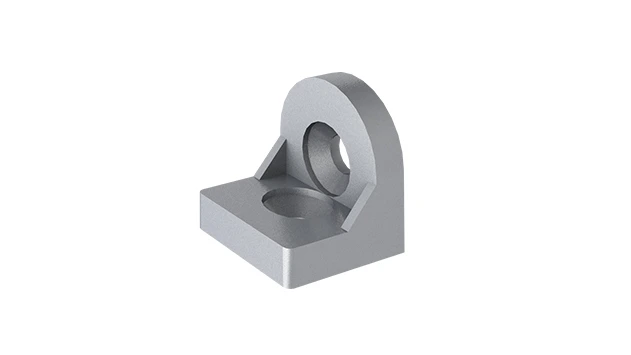
Turning Angle Code 4040
The turning angle aluminum profile connector provides a 90 degree hidden corner connection. 4040 it is means this size is used for 40 series aluminum profile.The corner code comes with set screws that allow for quick, easy connections.
Walk into any modern medical facility, and you'll notice a symphony of precision—from the hum of diagnostic machines to the careful arrangement of surgical tools. Behind this precision lies a network of unassuming components that keep everything running smoothly: workbenches where samples are tested, racks that hold sterile supplies, and conveyors that transport medications. What many don't see, however, are the small but critical parts that hold these systems together. Take, for example, the turning angle code 4040—a humble aluminum profile accessory that connects metal frames at precise angles. In medical settings, where cleanliness, durability, and safety are non-negotiable, even a tiny component like this can make a world of difference. Today, we're diving into the world of turning angle code 4040 coating options, focusing on how the right coating transforms these parts into guardians of corrosion resistance in the most demanding medical environments.
What Is a Turning Angle Code 4040, and Why Does It Matter?
Before we get into coatings, let's start with the basics: What exactly is a turning angle code 4040? At its core, it's a specialized connector designed for aluminum profiles—the modular building blocks of everything from workbenches to equipment racks. Aluminum profiles, with their lightweight strength and adaptability, have become a staple in medical design because they allow facilities to customize structures on the fly. Need a taller workbench for a new microscope? Add a few extra profile sections. Want to reconfigure a storage rack to fit larger surgical trays? Swap out the connectors. And that's where turning angle codes come in: they're the "joints" that let aluminum profiles meet at 90-degree angles (or other specified angles), ensuring stability without sacrificing flexibility.
The "4040" in its name refers to the size of the aluminum profile it's designed for—typically a 40mm x 40mm cross-section, a common in industrial and medical settings. These codes are often made from aluminum alloy themselves, chosen for its natural resistance to rust and lightweight properties. But here's the catch: aluminum alone isn't enough to withstand the harsh conditions of a medical environment. When exposed to frequent cleaning, moisture, and chemicals, even aluminum can corrode over time. That's where coatings step in. A well-applied coating acts as a shield, turning a basic connector into a long-lasting, corrosion-resistant component that stands up to the rigors of daily medical use.
In medical facilities, modular systems built with aluminum profiles and turning angle codes are everywhere. Think about the workbenches in a lab where technicians test blood samples—they need to be sturdy enough to hold sensitive equipment but also easy to sanitize. Or the material racks in a pharmacy that store vials and syringes, which must resist warping or weakening from constant exposure to disinfectants. Even the conveyors that move supplies between departments rely on these connectors to stay aligned. In short, turning angle code 4040s are the unsung heroes of medical infrastructure, and their performance hinges largely on one factor: corrosion resistance.
Why Corrosion Resistance Is Non-Negotiable in Medical Environments
Corrosion might sound like a problem reserved for old ships or rusty fences, but in healthcare, it's a critical safety concern. Medical environments are uniquely hostile to metal components, and for good reason: they're cleaned constantly . Operating rooms are sanitized with strong disinfectants like hydrogen peroxide or quaternary ammonium compounds. Labs use alcohol wipes, bleach solutions, and even steam to kill pathogens. Add to that the high humidity in areas like recovery rooms or sterile processing departments, and you've got a perfect storm for corrosion. When metal components corrode, they don't just look unsightly—they can flake, crack, or weaken, creating crevices where bacteria hide or compromising the structural integrity of the entire system.
Imagine a workbench in a surgical prep area held together by turning angle codes that have started to corrode. Over time, the flaking metal could contaminate sterile instruments laid on the bench. Or a material rack in a lab where a corroded connector gives way, causing vials of hazardous chemicals to spill. These scenarios aren't just hypothetical—they're why medical facilities invest heavily in corrosion-resistant components. The goal isn't just to extend the lifespan of equipment (though that's a bonus); it's to protect patients, staff, and the integrity of care.
Another factor to consider is cost. Replacing corroded parts isn't cheap, especially in specialized medical settings where downtime can disrupt patient care. A single corroded turning angle code might seem trivial, but multiply that by hundreds of connectors across a hospital, and the maintenance bills add up fast. Then there's the risk of regulatory issues: medical facilities are subject to strict standards (like those set by the FDA or ISO) that require equipment to be non-reactive and easy to decontaminate. Corroded components could fail inspections, leading to fines or, worse, forced shutdowns.
In short, corrosion resistance in medical environments isn't a "nice-to-have"—it's a necessity. And when it comes to turning angle code 4040s, the key to achieving that resistance lies in the coating.

Coating Options for Turning Angle Code 4040: Protecting Aluminum in Medical Settings
Aluminum is naturally resistant to corrosion thanks to a thin oxide layer that forms on its surface when exposed to air. But in medical environments, this layer isn't enough to stand up to daily disinfecting, humidity, and chemical exposure. That's where coatings come in. They add a protective barrier, enhancing the metal's natural defenses and tailoring it to the specific demands of the space. Let's explore the most common coating options for turning angle code 4040s and how they perform in medical settings.
1. Anodizing: The Gold Standard for Durability
Anodizing is one of the most popular coating methods for aluminum, and for good reason. It's an electrochemical process that thickens the metal's natural oxide layer, creating a hard, porous surface that can be dyed (though in medical settings, neutral colors like clear or silver are preferred for cleanliness). The result is a coating that's integrated with the aluminum itself—meaning it won't chip or peel like paint. For turning angle code 4040s, anodizing offers exceptional corrosion resistance because the thickened oxide layer acts as a barrier against moisture and chemicals.
In medical environments, anodized turning angle codes shine in areas with frequent, aggressive cleaning. The coating is highly resistant to common disinfectants, including alcohol, bleach, and hydrogen peroxide, making it ideal for operating rooms or isolation wards. It's also non-reactive, so it won't leach chemicals into the environment—a critical feature for spaces where sterility is paramount. Another perk? Anodized surfaces are easy to clean; they don't harbor bacteria, and their smooth finish resists staining. The only downside? Anodizing can be more expensive than other coatings, but many medical facilities see it as a long-term investment, given its durability (anodized coatings can last 10+ years with proper care).
2. Powder Coating: Colorful and Chemical-Resistant
Powder coating is another popular option, especially when color-coding is needed (e.g., red for biohazard zones, blue for clean rooms). The process involves applying a dry powder (typically polyester or epoxy) to the aluminum surface, then curing it in an oven to form a hard, uniform layer. Unlike anodizing, powder coating sits on top of the metal, creating a thick, scratch-resistant barrier. For turning angle code 4040s, powder coating offers strong corrosion resistance, though it's slightly less durable than anodizing in extremely harsh environments.
In medical settings, powder coating is a favorite for areas where aesthetics matter alongside functionality. For example, workbenches in patient rooms or staff break areas might use powder-coated components to match the facility's color scheme, while still maintaining resistance to daily cleaning. Epoxy-based powder coatings, in particular, excel at chemical resistance, standing up to solvents and acids often used in lab settings. However, they're not invincible: if the coating is scratched (say, during a rack reconfiguration), the exposed aluminum could start to corrode. That's why powder-coated components in high-traffic areas may need periodic touch-ups.
3. Electrophoretic Coating (E-Coating): Uniform Protection for Complex Shapes
Electrophoretic coating, or e-coating, is a process where the aluminum part is submerged in a water-based paint bath and charged electrically, causing the paint particles to adhere evenly to the surface. It's known for providing consistent coverage, even on intricate shapes like the notches and holes of a turning angle code 4040. The result is a thin, smooth coating that's highly resistant to corrosion and easy to clean—two big wins for medical environments.
E-coating is often used as a base layer under powder coating for added protection, but it can also stand alone in less demanding medical areas. For example, in storage rooms where racks are cleaned weekly (rather than daily), e-coated turning angle codes might be sufficient. The coating is resistant to mild disinfectants and humidity, though it's not as tough as anodizing when exposed to harsh chemicals like bleach. It's also more affordable than anodizing, making it a budget-friendly option for facilities looking to balance cost and performance.
4. PVD Coating: For Extreme Conditions
Physical Vapor Deposition (PVD) is a high-tech coating method where a thin layer of metal (like titanium or chromium) is vaporized and deposited onto the aluminum surface in a vacuum. The result is an ultra-hard, wear-resistant coating that's often used in industrial settings. While less common for turning angle code 4040s, PVD coating is worth mentioning for specialized medical environments, such as research labs handling corrosive chemicals or veterinary clinics where equipment is exposed to bodily fluids.
PVD coatings offer exceptional resistance to abrasion and chemicals, but they come with a steep price tag. For most medical facilities, they're overkill—anodizing or powder coating will suffice. However, in cases where components are subject to extreme wear (e.g., conveyors in busy sterile processing departments), PVD could extend the lifespan of turning angle codes significantly.

Comparing Coating Options: Which Is Best for Your Medical Facility?
With so many coating options, how do you choose the right one for your turning angle code 4040s? It depends on your facility's specific needs: the type of environment (surgery vs. lab), cleaning protocols, budget, and longevity goals. To simplify the decision, let's compare the most common options side by side.
| Coating Type | Process | Corrosion Resistance | Chemical Resistance | Cost | Maintenance Needs | Best For |
|---|---|---|---|---|---|---|
| Anodizing | Electrochemical process thickens natural oxide layer | Excellent (resists moisture, salt, and most chemicals) | High (withstands bleach, alcohol, hydrogen peroxide) | Medium-High | Low (no chipping; occasional cleaning with mild soap) | Operating rooms, ICUs, labs with daily harsh cleaning |
| Powder Coating | Dry powder applied electrostatically, cured in oven | Very Good (resists humidity and mild chemicals) | Medium-High (epoxy-based resists solvents; polyester less so) | Medium | Moderate (prone to scratching; may need touch-ups) | Patient rooms, storage areas, color-coded zones |
| Electrophoretic Coating | Water-based paint adheres via electric charge | Good (resists moisture and mild disinfectants) | Medium (not ideal for strong acids or bleach) | Low-Medium | Low (smooth finish resists staining; avoid abrasive cleaners) | Supply rooms, staff break areas, weekly cleaning |
| PVD Coating | Metal vapor deposited in vacuum | Exceptional (resists extreme chemicals and wear) | Very High (resists most industrial chemicals) | High | Low (ultra-hard surface resists scratches) | Specialized labs, veterinary clinics, extreme conditions |
As the table shows, anodizing is the top choice for most medical environments, thanks to its unbeatable combination of corrosion resistance, chemical tolerance, and low maintenance. Powder coating is a strong runner-up for areas where color or cost is a factor, while e-coating works well for less demanding spaces. PVD, though effective, is usually reserved for niche applications.
Real-World Applications: How Coatings Impact Medical Workflows
To understand the real impact of coating choice, let's look at a case study. A large urban hospital recently renovated its sterile processing department (SPD), where surgical instruments are cleaned, sterilized, and packaged. The SPD is one of the most demanding environments in a hospital: instruments are soaked in enzymatic cleaners, sprayed with high-pressure water, and exposed to steam sterilizers—all of which create high humidity and chemical exposure. The hospital's old equipment racks, which used uncoated aluminum turning angle codes, were corroding within 2–3 years, leading to wobbly shelves and frequent replacements.
For the renovation, the hospital partnered with an aluminum profile supplier to upgrade to anodized turning angle code 4040s. Five years later, the racks are still in pristine condition. The anodized coating has withstood daily steam cycles and chemical baths, and the hospital reports a 70% reduction in maintenance costs for those racks. "We used to have to tighten loose connectors every month," says the SPD manager. "Now, we check them quarterly, and they're still solid. It's made a huge difference in our workflow—we can focus on sterilizing instruments instead of fixing racks."
Another example comes from a research lab specializing in infectious disease. The lab uses custom workbenches built with aluminum profiles and turning angle codes, which are cleaned daily with a 10% bleach solution. Initially, they used powder-coated codes, but within a year, the bleach had started to wear away the coating, exposing the aluminum. After switching to anodized codes, the problem disappeared. "The anodized surface doesn't react to the bleach at all," notes the lab director. "We've had the same workbenches for three years, and they look brand new."
These stories highlight a key point: the right coating doesn't just protect the turning angle code—it protects the entire system it's part of. Whether it's a conveyor moving sterile supplies or a workbench holding sensitive equipment, a corrosion-resistant connector ensures that the structure remains stable, safe, and compliant with regulations.
Choosing the Right Coating: Key Considerations for Medical Facilities
Selecting a coating for your turning angle code 4040s isn't a one-size-fits-all decision. Here are the key factors to keep in mind:
- Environment Type: Is the area a high-risk zone (e.g., OR, lab) with daily harsh cleaning, or a low-risk zone (e.g., admin office) with weekly dusting? High-risk areas need anodizing or epoxy powder coating; low-risk can use e-coating.
- Cleaning Protocols: What chemicals are used? Bleach and hydrogen peroxide require higher chemical resistance (anodizing or epoxy powder coating). Mild soap and water work with any coating.
- Budget: Anodizing has a higher upfront cost but lower long-term maintenance. If budget is tight, powder coating or e-coating may be viable for less critical areas.
- Longevity: How long do you need the component to last? Anodized coatings can last 10+ years; powder coating 5–7 years; e-coating 3–5 years in harsh environments.
- Regulatory Compliance: Ensure the coating meets medical standards (e.g., ISO 10993 for biocompatibility). Reputable aluminum profile suppliers can provide certification for their coatings.
When in doubt, consult with your aluminum profile supplier. They can assess your facility's needs, recommend coatings, and even provide samples for testing. For example, some suppliers offer test panels with different coatings that you can expose to your cleaning chemicals to see which holds up best.
Future Trends: Innovations in Coating Technology for Medical Aluminum
As medical facilities evolve, so too do the coatings designed to protect their components. One emerging trend is the development of "self-healing" coatings, which use microcapsules filled with healing agents that release when the coating is scratched, repairing the damage and preventing corrosion. While still in the early stages, these coatings could one day make anodizing and powder coating even more durable.
Another trend is the push for eco-friendly coatings. Traditional anodizing uses sulfuric acid, which can be harmful to the environment. New processes are being developed that use less toxic electrolytes, making the coating more sustainable without sacrificing performance. Similarly, water-based powder coatings are gaining popularity, reducing the use of volatile organic compounds (VOCs).
Finally, there's a growing focus on antimicrobial coatings. These coatings are infused with agents like silver ions that inhibit bacterial growth—a game-changer for medical environments where infection control is critical. While antimicrobial coatings are currently more expensive, they could become standard as research advances and costs come down.
Conclusion: Small Components, Big Impact
In the world of medical design, it's easy to focus on the "big-ticket" items: MRI machines, surgical robots, and high-tech monitors. But as we've explored, even the smallest components—like the turning angle code 4040—play a vital role in keeping facilities safe, efficient, and compliant. The right coating transforms these connectors from simple hardware into guardians of corrosion resistance, standing up to the daily rigors of disinfectants, humidity, and chemical exposure.
Whether you're outfitting a new hospital wing, upgrading a lab, or simply maintaining existing equipment, don't overlook the importance of coating choice. Anodizing, powder coating, e-coating—each has its strengths, and the best option depends on your specific environment. By investing in quality coatings, you're not just extending the life of your turning angle codes; you're investing in the safety of patients, the productivity of staff, and the long-term success of your facility.
So the next time you walk into a medical facility, take a moment to appreciate the quiet work of components like the turning angle code 4040. Behind every smooth workflow, every sterile surface, and every successful procedure, there's a network of small, coated parts working tirelessly to keep it all together. And in healthcare, that's a difference worth celebrating.