- Company Articles
- Products and Technology
- Installation And Maintenance
- Turning Angle Code 4040 Failure Modes: Prevention & Early Detection

Turning Angle Code 4040 Failure Modes: Prevention & Early Detection
Related Product
Turning Angle Code 4040
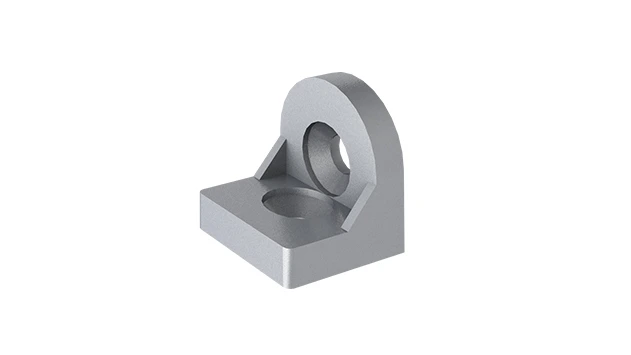
The turning angle aluminum profile connector provides a 90 degree hidden corner connection. 4040 it is means this size is used for 40 series aluminum profile.The corner code comes with set screws that allow for quick, easy connections.
In the world of manufacturing and industrial setups, it's often the smallest components that hold the biggest systems together. Take, for example, the turning angle code 4040—a unassuming yet critical piece in the puzzle of aluminum extrusion profile assemblies. Found in everything from factory workbenches to material racks, this small connector plays a huge role in ensuring stability, alignment, and safety in structures built with aluminum profiles. But like any hardworking component, it's prone to failure. When it fails, the consequences can range from minor production delays to major safety hazards, not to mention costly repairs. In this article, we'll dive deep into the common failure modes of the turning angle code 4040, explore how to prevent them, and share practical tips for early detection. Whether you're a plant manager, a maintenance technician, or someone who simply wants to keep their aluminum extrusion systems running smoothly, understanding these nuances can save you time, money, and headaches down the line.
Understanding the Turning Angle Code 4040: A Small Part with a Big Job
Before we jump into failure modes, let's make sure we're all on the same page about what a turning angle code 4040 actually is. At its core, it's a specialized connector designed to join two aluminum extrusion profiles at a 90-degree angle—hence the "turning angle" in its name. The "4040" refers to the size of the aluminum profiles it's typically used with: 40mm x 40mm, a common standard in industrial aluminum framing. Think of it as the hinge that lets you build right-angle structures, from the legs of a workbench to the corners of a material rack.
What makes this component so important? Aluminum extrusion profiles are lightweight, strong, and infinitely customizable, which is why they're a staple in manufacturing, logistics, and even retail displays. But without reliable connectors like the turning angle code 4040, these profiles would be little more than expensive aluminum sticks. The angle code ensures that the profiles stay locked in place, distributing weight evenly and resisting the forces of daily use—vibration, load stress, and even accidental bumps.
Real-World Context: Imagine a busy automotive assembly line. The workbenches where technicians assemble engine components are built using 4040 aluminum extrusion profiles, held together by turning angle codes. If just one angle code fails, the bench might wobble, misaligning tools or even causing parts to slip. In the worst case, a failed angle code could lead to the bench collapsing, putting workers at risk and halting production. It's a small part, but its role in maintaining structural integrity is non-negotiable.
To function properly, the turning angle code 4040 relies on a few key design features: a sturdy aluminum alloy body (to match the strength of the extrusion profiles), pre-drilled holes for bolts or screws, and a shape that snugly fits the T-slots of the 4040 profiles. It's often paired with other aluminum profile accessories, like washers or locking nuts, to enhance its grip and prevent loosening over time. But even with these features, failure can—and does—happen, often due to a mix of environmental factors, human error, and wear and tear.
Common Failure Modes: Why Turning Angle Codes 4040 Let Go
Failure modes are the ways in which a component can stop working as intended. For the turning angle code 4040, these modes are often linked to how it's used, installed, and maintained. Let's break down the most common ones, along with their root causes.
1. Mechanical Overload: When Too Much Weight Breaks the Connection
One of the most frequent culprits behind turning angle code failure is mechanical overload. This happens when the angle code is subjected to more weight or force than it's designed to handle. Aluminum extrusion profiles are strong, but they—and their connectors—have limits. If you stack heavy materials on a shelf held together by turning angle codes, or if a piece of machinery vibrates excessively and transfers that energy to the connectors, the angle code can start to deform or even crack.
How does this play out? Over time, the bolts holding the angle code to the aluminum extrusion profile may stretch or strip the threads in the T-slots. Alternatively, the angle code itself might bend at the joint, weakening its grip. In extreme cases, the metal can fracture, especially if the overload is sudden (like dropping a heavy tool on the structure) rather than gradual.
Case in Point: A warehouse recently added a new layer of storage to an existing rack system built with 4040 aluminum profiles and turning angle codes. The team assumed the structure could handle the extra weight, but they didn't check the load rating of the angle codes. Within a month, the bottom layer's angle codes began to bend, causing the entire rack to lean., they noticed the lean before a collapse, but the damage was done: several angle codes needed replacement, and the rack had to be emptied and reinforced—costing hours of downtime.
2. Corrosion: The Silent Degrader of Aluminum Alloys
Aluminum is naturally resistant to corrosion, thanks to a thin oxide layer that forms on its surface. But that doesn't make it invincible—especially if the turning angle code 4040 is used in harsh environments. Corrosion can set in when the angle code is exposed to moisture, chemicals, or salt (like in coastal areas or factories with high humidity). Over time, this eats away at the metal, weakening its structure and compromising its ability to hold the aluminum extrusion profiles together.
What does corrosion look like on a turning angle code? It might start as a white, powdery substance (aluminum oxide) on the surface, which is actually the metal's defense mechanism. But if the environment is too aggressive—think frequent exposure to water or industrial cleaners—the oxide layer can't keep up, and pitting occurs. Pitting is when small holes form in the metal, weakening it from the inside out. In severe cases, these pits can lead to cracks or breaks, even under normal loads.
3. Improper Installation: When "Good Enough" Isn't Good Enough
Even the best turning angle code 4040 can fail if it's not installed correctly. Improper installation is a silent killer here, often stemming from rushed work, untrained personnel, or a lack of attention to detail. Common mistakes include under-tightening or over-tightening the bolts, misaligning the angle code with the aluminum extrusion profile, or using the wrong type of fasteners.
Let's break these down. Under-tightening the bolts might seem harmless, but it leaves the angle code loose. Every time the structure vibrates (from machinery, foot traffic, or even wind in an outdoor setup), the angle code shifts slightly. Over weeks or months, this movement wears down the T-slots in the aluminum extrusion profile and the threads on the bolts, leading to a loose connection. On the flip side, over-tightening can strip the threads in the T-slots or even crack the angle code itself—aluminum is strong, but it's not unbreakable.
Misalignment is another issue. If the angle code isn't perfectly flush with the aluminum extrusion profile, the load isn't distributed evenly. Instead of the weight being spread across the entire connector, its on one corner or edge, creating stress points that weaken the metal over time. And using the wrong fasteners? That's a recipe for disaster. For example, using a bolt that's too short might not grip the T-slot properly, while a bolt made of a softer metal could stretch or snap under load.
4. Wear and Tear: The Slow Fade of Everyday Use
Nothing lasts forever, and turning angle codes 4040 are no exception. Even with proper installation and load management, these connectors will wear out over time. This is especially true in high-traffic areas or setups that are frequently reconfigured—like workbenches that are moved, or racks that are disassembled and reassembled for different projects.
Wear and tear can manifest in a few ways. The bolts might loosen gradually, even if they were tightened correctly initially, due to vibration. The contact points between the angle code and the aluminum extrusion profile can become worn, creating gaps that reduce stability. The threads in the angle code's bolt holes might also degrade, making it harder to tighten the bolts securely. In some cases, the paint or protective coating on the angle code can chip off, exposing the metal to corrosion and accelerating the process.
5. Material Defects: When the Problem Starts at the Factory
Last but not least, we can't ignore the possibility of material defects. While rare, manufacturing flaws in the turning angle code 4040 itself can lead to premature failure. This might include impurities in the aluminum alloy, inconsistent thickness in the metal, or cracks that formed during casting or machining. These defects are often invisible to the naked eye initially, but they weaken the angle code from the start, making it more susceptible to failure under normal operating conditions.
How can you spot a material defect? Unfortunately, you often can't until the angle code fails. That's why choosing a reputable supplier is so important. A trusted manufacturer will have strict quality control processes in place to catch these issues before the product leaves the factory. Cheaper, off-brand angle codes might save you money upfront, but they're more likely to have hidden defects that come back to haunt you later.

Prevention: Keeping Turning Angle Codes 4040 Strong for the Long Haul
Now that we know why turning angle codes fail, let's talk about how to prevent those failures in the first place. Prevention is always better than cure, and with a few proactive steps, you can significantly extend the lifespan of your angle codes and keep your aluminum extrusion systems safe and stable.
1. Choose the Right Angle Code for the Job
It might seem obvious, but using the correct turning angle code 4040 for your specific application is the first line of defense against failure. Not all angle codes are created equal—some are designed for light-duty use (like retail displays), while others are built for heavy industrial loads. Check the load rating of the angle code before installation, and make sure it matches the weight and stress your structure will endure.
Also, consider the environment. If you're working in a humid or corrosive setting (like a food processing plant or a coastal area), opt for angle codes with a protective coating, such as anodized aluminum or a corrosion-resistant finish. This adds an extra layer of defense against rust and pitting.
2. Install with Care: Torque, Alignment, and the Right Tools
Proper installation is critical, and it starts with training. Make sure anyone installing turning angle codes knows what they're doing—preferably with hands-on experience or guidance from the manufacturer's instructions. Here are a few key tips:
- Follow torque specifications: Most manufacturers provide recommended torque values for the bolts used with their angle codes. Use a torque wrench to ensure you're not under-tightening or over-tightening. A good rule of thumb is to stop when you feel resistance, then give it a quarter-turn more—no more.
- Align profiles and angle codes perfectly: Before tightening, double-check that the aluminum extrusion profiles are straight and that the angle code sits flush against both profiles. Gaps or misalignment will lead to uneven stress distribution.
- Use the right fasteners: Always pair the angle code with bolts, washers, and nuts recommended by the manufacturer. Using longer or shorter bolts, or bolts made of a different material, can compromise the connection.
3. Manage Loads and Reduce Stress
To avoid mechanical overload, be mindful of how much weight you're putting on structures held together by turning angle codes. If you're unsure about the load capacity, err on the side of caution—add extra supports or use heavier-duty angle codes if needed. Also, try to minimize unnecessary stress on the connectors:
- Reduce vibration: If the structure is near vibrating machinery, use rubber pads or dampeners to absorb some of the energy before it reaches the angle codes.
- Distribute weight evenly: Avoid piling all the weight in one corner of a shelf or bench. Spread it out to prevent concentrated stress on individual angle codes.
- Avoid sudden impacts: Train employees to handle materials gently around aluminum extrusion structures, and mark low-hanging areas to prevent accidental bumps.
4. Regular Maintenance: Inspect, Clean, and Tighten
Like any piece of equipment, turning angle codes need regular check-ups to stay in top shape. Create a maintenance schedule—weekly for high-use setups, monthly for less critical ones—and stick to it. Here's what to include:
- Visual inspections: Look for signs of corrosion, cracks, or bending in the angle codes. Check that bolts are tight and that there are no gaps between the angle code and the aluminum extrusion profile.
- Cleaning: Wipe down angle codes and profiles with a damp cloth to remove dust, dirt, and chemicals that could cause corrosion. For outdoor setups, rinse with water occasionally (avoid harsh detergents).
- Tightening bolts: Even well-installed bolts can loosen over time. Use a torque wrench to re-tighten them to the recommended specs during each inspection.
- replace worn parts: If you notice a bolt is stripped, or an angle code is cracked or corroded, replace it immediately. Don't wait for it to fail completely—small issues can escalate quickly.

Early Detection: Catching Problems Before They Escalate
Even with the best prevention strategies, issues can still arise. That's why early detection is so important. By catching problems early, you can fix them before they lead to downtime, safety risks, or costly repairs. Here are some practical ways to spot trouble with turning angle codes 4040:
1. Visual Clues: Your First Line of Defense
Your eyes are your most powerful tool for early detection. During regular inspections, keep an eye out for these red flags:
- Cracks or chips: Even small cracks in the angle code's metal are a sign of stress. Pay special attention to the corners and bolt holes, where stress tends to.
- Corrosion: White, powdery residue (aluminum oxide) or dark spots on the angle code indicate corrosion is starting. If left unchecked, this will weaken the metal.
- Bending or deformation: If the angle code looks warped, or if the aluminum extrusion profiles are no longer at a perfect 90-degree angle, the connector is likely under too much stress.
- Loose bolts: If you can wiggle the angle code by hand, or if bolts are sticking out more than they used to, they've probably loosened.
2. Functional Testing: Listen and Feel for Trouble
Beyond visual checks, take the time to test the structure's stability. Gently push or pull on different parts of the setup—if it wobbles or creaks, that's a sign something's loose or worn. Listen for unusual noises: a rattling sound might mean a bolt is loose, while a grinding noise could indicate that metal parts are rubbing together due to misalignment.
For setups that hold heavy loads, consider doing a "load test" periodically. Add a known weight (slightly less than the maximum rating) and monitor the structure for movement or stress. If it holds steady, you're good to go. If it shifts, investigate further.
3. Advanced Monitoring for Critical Setups
In high-stakes environments—like manufacturing lines where a failure could halt production—you might want to invest in advanced monitoring tools. Strain gauges, for example, can measure the amount of stress on individual turning angle codes, alerting you if they're approaching their load limits. Vibration sensors can also detect abnormal movement, which might indicate loose bolts or worn connectors. While these tools are more expensive, they can provide peace of mind and catch issues that might slip through the cracks during manual inspections.
A Quick Reference: Turning Angle Code 4040 Failure Modes at a Glance
| Failure Mode | Common Causes | Prevention Tips | Early Detection Signs |
|---|---|---|---|
| Mechanical Overload | Exceeding load ratings, sudden impacts, uneven weight distribution | Check load ratings, distribute weight evenly, avoid sudden impacts | Bending, cracks, stripped bolts, structure leaning |
| Corrosion | Exposure to moisture, chemicals, salt; chipped protective coating | Use corrosion-resistant angle codes, clean regularly, apply protective coatings | White/powdery residue, dark spots, pitting on metal |
| Improper Installation | Under/over-tightening bolts, misalignment, wrong fasteners | Follow torque specs, align profiles, use recommended fasteners | Gaps between angle code and profile, wobbling, loose bolts |
| Wear and Tear | Long-term use, vibration, frequent reconfiguration | Regular maintenance, tighten bolts, replace worn parts | Loose bolts, worn contact points, chipped coating |
| Material Defects | Manufacturing flaws, impurities in aluminum alloy | Choose reputable suppliers, inspect for defects before installation | Premature failure, cracks without obvious stress |
Conclusion: Small Steps for Big Results
The turning angle code 4040 might be small, but its impact on the stability and safety of aluminum extrusion systems is enormous. By understanding its common failure modes—mechanical overload, corrosion, improper installation, wear and tear, and material defects—you can take proactive steps to prevent issues before they start. Regular maintenance, careful installation, and vigilant early detection are the keys to keeping these connectors (and the structures they support) strong and reliable.
Remember, a little attention goes a long way. Taking five minutes each week to inspect your turning angle codes, tighten a few bolts, or clean off some corrosion can save you from hours of downtime and expensive repairs later. And when it comes to aluminum extrusion profiles and their accessories, investing in quality—whether that's a reputable supplier, the right tools, or proper training—always pays off. After all, in the world of manufacturing and industrial setups, it's the small parts that keep the big machines running. Don't overlook them.