- Company Articles
- Products and Technology
- Application Cases
- Turning Angle Code 4040 for Food & Beverage: Hygienic Lean Line Applications

Turning Angle Code 4040 for Food & Beverage: Hygienic Lean Line Applications
Related Product
Turning Angle Code 4040
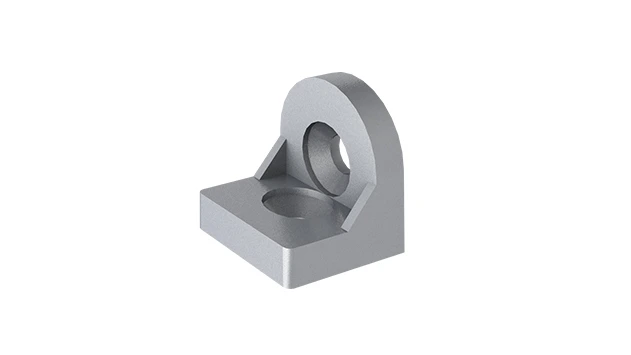
The turning angle aluminum profile connector provides a 90 degree hidden corner connection. 4040 it is means this size is used for 40 series aluminum profile.The corner code comes with set screws that allow for quick, easy connections.
Walk into any food processing plant, and you'll quickly realize the industry runs on two non-negotiables: speed and cleanliness. From morning shifts prepping fresh produce to late-night packaging runs for bottled sauces, every step demands efficiency—yet even the fastest line grinds to a halt if a single hygiene check fails. That's where lean systems come in, but not all lean setups are created equal. In recent years, one component has quietly become a game-changer for food and beverage operations: the Turning Angle Code 4040. Let's dive into why this unassuming connector is redefining hygienic lean lines, and how it's helping facilities balance compliance, flexibility, and productivity.
The Food & Beverage Lean Dilemma: Efficiency vs. Hygiene
Lean manufacturing has long been the gold standard for cutting waste—think fewer delays, better material flow, and tighter workflows. But in food and beverage, "lean" comes with a twist: every tool, table, and track must also meet strict hygiene standards. Traditional setups often fall short here. Welded steel workbenches with crevices that trap crumbs? Wooden racks that absorb spills and breed bacteria? These might work in automotive or electronics, but in a facility handling perishables, they're a compliance nightmare.
Enter the modern lean system, built around modular components designed for both efficiency and cleanliness. At the heart of this shift is the Turning Angle Code 4040, a connector that links aluminum profiles into everything from workbenches to roller tracks. It's not just a hardware piece—it's a bridge between the demands of lean production and the rigidity of food safety regulations like FDA 21 CFR Part 117 or EU 10/2011. Let's break down why it matters.
What Is the Turning Angle Code 4040, Anyway?
First things first: Let's demystify the name. "Turning Angle Code 4040" refers to a specific type of connector engineered to join 40mm x 40mm aluminum profiles at (you guessed it) 90-degree angles. These profiles—think of them as sturdy, lightweight aluminum beams with T-slots for easy attachment—are the backbone of modular lean systems. The Turning Angle Code 4040 is the "glue" that holds them together, but unlike glue, it's removable, reconfigurable, and designed with hygiene top of mind.
Made from high-grade anodized aluminum (and sometimes stainless steel for extra-corrosive environments), the connector features smooth, rounded edges and a precision-fit design. No sharp corners to catch food particles, no threaded holes that trap water during cleaning, and no paint or coatings that chip off into products. It's a small part, but in a world where a single misplaced crumb can trigger a recall, details like these make all the difference.

Why Aluminum Profiles? The Foundation of Hygienic Lean
Before we dive deeper into the Turning Angle Code 4040, let's talk about its partner in crime: aluminum profiles. If the connector is the glue, the profiles are the building blocks. Unlike traditional steel, aluminum is naturally resistant to rust and corrosion—critical in environments where daily washdowns with caustic cleaners are the norm. It's also lightweight, making it easy to reposition workbenches or racks without heavy machinery, and its smooth, non-porous surface leaves nowhere for bacteria to hide.
Most food-grade aluminum profiles (like the 4040 and 3030 series) come with anodized finishes, which add a protective layer that's even more resistant to chemicals and scratches. When paired with the Turning Angle Code 4040, these profiles create structures that are both rigid enough to support heavy loads (think 50kg+ of flour bags or glass jars) and flexible enough to adapt when your production line changes.

Applications: Where Turning Angle Code 4040 Shines in Food & Beverage
Now, let's get practical. How does the Turning Angle Code 4040 actually show up in day-to-day operations? Here are three key applications where it transforms lean lines from "good enough" to "game-changing."
1. Hygienic Workbenches: The Heart of Prep and Packaging
Walk into any food facility, and workbenches are everywhere—prepping veggies, assembling sandwich kits, labeling bottles. Traditional workbenches are often wooden (porous, hard to sanitize) or welded steel (heavy, hard to move, and full of nooks for crumbs). Enter aluminum profile workbenches built with the Turning Angle Code 4040.
These workbenches are customizable from top to bottom. The frame? 4040 aluminum profiles connected by Turning Angle Code 4040s, which lock together with simple bolts (no welding, so no sharp, dirty weld seams). The top? An aluminum honeycomb panel or food-grade plastic, which is flat, non-porous, and heat-resistant (perfect for placing hot pans or trays). Add a backsplash made from the same aluminum profiles, and you've got a surface that wipes clean in seconds with a sanitizing spray.
But the real magic is in the details. Need to adjust the height for taller workers? Loosen the Turning Angle Code 4040s, slide the profiles up, and retighten—done in 5 minutes. Want to add a shelf for tools or ingredients? Attach a short aluminum profile to the side using another Turning Angle Code 4040. At the end of the day, disassemble the whole thing for a deep clean (though most facilities just wipe it down, since there's nowhere for gunk to hide). Compare that to a wooden bench, which might need sanding to remove stains or a steel bench that rusts if not dried properly—no contest.
2. Roller Tracks: Smooth Material Flow, Zero Jams
Material flow is the lifeblood of lean systems. In food and beverage, that means moving ingredients from storage to prep, finished products from packaging to shipping, and everything in between. Roller tracks are the go-to here, but traditional steel roller tracks can be clunky, hard to clean, and prone to jamming if not perfectly aligned.
Aluminum roller tracks, built with the Turning Angle Code 4040, fix all that. The tracks themselves are made from lightweight aluminum, with plastic or stainless steel rollers (like the 1-inch swivel roller balls from the keyword list) that glide smoothly. The Turning Angle Code 4040s connect the track sections to the supporting frames, ensuring precise alignment—no more wobbly tracks that cause bottles to tip or bags to get stuck.
Cleaning? A breeze. The Turning Angle Code 4040s leave no gaps between track sections, so there's no place for spills (like syrup or juice) to pool. At the end of a shift, a quick wipe with a damp cloth or a pass with a pressure washer (yes, they're that durable) is all it takes. And if you need to reconfigure the track—say, to add a curve for a new packaging machine—just loosen the Turning Angle Code 4040s, adjust the angle, and retighten. No need to call in a welder or buy a whole new track.
3. Material Racks: Organized, Mobile, and Sanitary
Storing ingredients, packaging materials, or finished goods is another area where traditional setups fall short. Wire racks are flimsy, wooden pallets are dirty, and welded steel racks are impossible to move. Aluminum material racks built with the Turning Angle Code 4040 solve all three problems.
Take Material Rack B (from the keyword list), a 3-row, 3-floor setup common in warehouses. Built with 4040 aluminum profiles and Turning Angle Code 4040 connectors, it's strong enough to hold 20kg per shelf (that's 180kg total!) but light enough to move with a few people (or add casters for even easier mobility). Each shelf is made from aluminum slats or mesh, which allows air circulation (great for perishables like fruits) and lets spills fall through, so they don't sit and rot.
Need to adjust the shelf height to fit taller boxes? Loosen the Turning Angle Code 4040s, slide the shelf supports up or down, and retighten. No tools required beyond a hex key. And since it's all aluminum, you can wheel it outside for a deep clean with a hose if needed—no rust, no warping.
Traditional vs. Turning Angle Code 4040 Setups: A Quick Comparison
| Feature | Traditional Setup (Wood/Steel) | Turning Angle Code 4040 + Aluminum Profile Setup |
|---|---|---|
| Hygiene Compliance | Poor: Porous surfaces, weld seams, and rust traps bacteria. | Excellent: Non-porous aluminum, smooth edges, easy to sanitize. |
| Flexibility | Low: Fixed design; hard to adjust or reconfigure. | High: Tool-less adjustments; reconfigure in minutes as needs change. |
| Durability | Medium: Wood warps, steel rusts, both scratch easily. | High: Anodized aluminum resists corrosion, scratches, and chemicals. |
| Assembly/Disassembly Time | Slow: Welding or heavy hardware; takes hours/days. | Fast: Bolt-together design; a workbench takes 30-60 minutes to build. |
| Maintenance Cost | High: Frequent repairs, replacements, and deep cleaning. | Low: Minimal repairs; quick wipe-downs replace deep cleans. |
The Benefits: Why Food Facilities Are Making the Switch
By now, you might be thinking, "This sounds great, but is it worth the investment?" Let's break down the ROI—because in food and beverage, every dollar counts.
1. Hygiene First: Fewer Recalls, Happier Auditors
Food safety audits are stressful enough without worrying about your workbenches or racks failing. With Turning Angle Code 4040 setups, you'll sail through inspections. The smooth, non-porous surfaces mean no "unable to sanitize" violations, and the modular design makes it easy to prove you're following HACCP plans (just show how you disassemble and clean equipment regularly).
And let's talk recalls. A single recall due to bacterial contamination can cost millions in lost revenue and reputation damage. Aluminum profiles and Turning Angle Code 4040s drastically reduce that risk by eliminating the hiding spots where bacteria like Listeria or E. coli thrive.
2. Flexibility: Adapt Fast to Trends and Seasons
Food trends move fast—keto snacks one month, plant-based everything the next. Traditional setups lock you into one production line, but with Turning Angle Code 4040, you can pivot in days. Need to add a new packaging station for your viral "unicorn popcorn"? Build a new aluminum workbench in a day. Scaling down a seasonal product (like pumpkin spice syrup) after fall? Disassemble the roller track and store the profiles until next year.
This flexibility also helps with labor. If you hire temporary workers for the holidays, you can adjust workbench heights or add extra material racks in minutes, keeping everyone comfortable and efficient.
3. Durability: Built to Last (Even in Messy Environments)
Food production is messy—spills, splatters, constant cleaning. Aluminum profiles and Turning Angle Code 4040s laugh this off. The anodized finish resists harsh sanitizers (like bleach or quaternary ammonium compounds), and the connectors don't loosen or rust, even with daily washdowns. Most facilities report these setups lasting 10+ years with minimal wear—far longer than wooden benches (which need replacing every 2-3 years) or welded steel (prone to rust after 5-7 years).
4. Cost: Lower Long-Term Spend, Higher Productivity
Yes, aluminum profile setups cost more upfront than wooden workbenches. But let's do the math. A traditional wooden bench costs ~$200 and lasts 2 years. An aluminum profile bench with Turning Angle Code 4040s costs ~$600 but lasts 10 years. That's $100/year for wood vs. $60/year for aluminum—plus, you save on cleaning time (30% faster wipe-downs) and avoid recall costs. Over 5 years, the aluminum setup pays for itself.
Real-World Example: A Bakery's Lean Makeover
Let's wrap this up with a story. Maria runs a mid-sized bakery in the Midwest, making everything from artisanal bread to custom cakes. A few years ago, she was struggling with two issues: slow cleaning times (her wooden workbenches took 45 minutes each to sanitize) and inflexible production lines (she couldn't easily switch between bread and cake prep).
After researching, she invested in aluminum profile workbenches and roller tracks built with Turning Angle Code 4040s. The results? Cleaning time dropped to 15 minutes per bench (saving 2 hours per day). She reconfigured her prep line in a morning to add a cake-decorating station for wedding season, and when a local coffee shop ordered 500 mini muffins weekly, she added two more shelves to her material racks in 30 minutes.
"The best part?" Maria says. "Last month, we had an FDA audit, and the inspector couldn't stop complimenting how clean the workbenches were. No notes, no follow-ups—just a 'great job.' That alone was worth the investment."
Final Thoughts: More Than a Connector—A Lean Revolution
The Turning Angle Code 4040 might seem like a small part, but in the food and beverage industry, small details make all the difference. It's not just about connecting aluminum profiles—it's about building lean lines that are hygienic enough to meet the strictest regulations, flexible enough to keep up with trends, and durable enough to last for years.
Whether you're running a small bakery or a large-scale beverage plant, the message is clear: traditional setups hold you back. With Turning Angle Code 4040 and aluminum profiles, you're not just buying equipment—you're investing in a system that grows with you, keeps your products safe, and lets your team focus on what they do best: making great food.
So, the next time you're stuck scrubbing a wooden workbench or struggling to move a heavy steel rack, ask yourself: What could my team accomplish with a lean line built to work for them? The answer might just start with a simple connector called the Turning Angle Code 4040.