- Company Articles
- Products and Technology
- Product knowledge
- Turning Angle Code 4040 in Medical Device Assembly: Sterility Maintenance Tips

Turning Angle Code 4040 in Medical Device Assembly: Sterility Maintenance Tips
Related Product
Turning Angle Code 4040
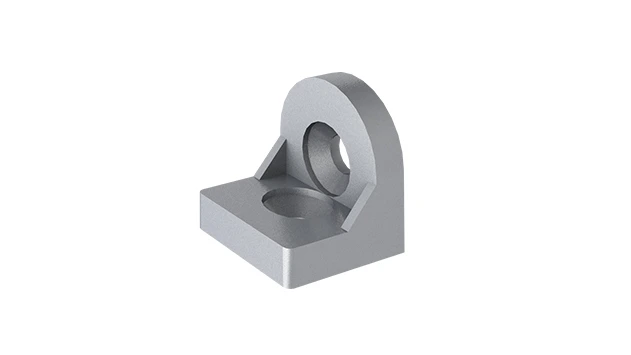
The turning angle aluminum profile connector provides a 90 degree hidden corner connection. 4040 it is means this size is used for 40 series aluminum profile.The corner code comes with set screws that allow for quick, easy connections.
In the world of medical device assembly, where precision can mean the difference between a life-saving tool and a liability, every component matters—even the ones you might not notice at first glance. Take, for example, the Turning Angle Code 4040. It's not the flashiest part of the assembly line, but this unassuming connector plays a quiet yet critical role in holding together the workbenches, material racks, and modular structures that form the backbone of medical manufacturing. And here's the thing: its design, material, and maintenance directly impact one of the most non-negotiable standards in the industry—sterility.
Medical devices, from surgical instruments to diagnostic equipment, demand environments where contamination risks are minimized to near-zero. When we talk about sterility, we're not just thinking about the devices themselves; we're thinking about the entire ecosystem they're built in. That includes the workbenches where technicians assemble components, the racks that hold raw materials, and yes, the tiny connectors like the Turning Angle Code 4040 that keep these structures stable and functional. A single crevice in an ill-maintained angle code could harbor bacteria or debris, turning a well-designed workspace into a hidden source of contamination.
In this article, we'll dive into why the Turning Angle Code 4040 is so essential in medical device assembly, how its interaction with aluminum profiles and workbenches affects sterility, and most importantly, how to keep it—and the systems it supports—in pristine condition. Whether you're a plant manager, a maintenance technician, or someone new to medical manufacturing, these insights will help you turn "good enough" sterility practices into "industry-leading" ones.
What Is the Turning Angle Code 4040, Anyway?
Let's start with the basics. The Turning Angle Code 4040 is a type of connector, specifically designed to join aluminum profiles at 90-degree angles. If you've ever seen a modular workbench or a material rack in a factory, chances are it's built from aluminum profiles—long, extruded pieces with T-slots that make assembly quick and customizable. The Turning Angle Code 4040 is the "glue" (metaphorically speaking) that holds these profiles together, ensuring the structure is rigid, stable, and aligned.
What makes this angle code unique? For starters, it's engineered for precision. Medical device assembly lines can't afford wobbly workbenches or misaligned material racks—even a millimeter of play could throw off delicate assembly steps. The Turning Angle Code 4040, typically made from high-grade aluminum (matching the aluminum profiles it connects), is designed to lock profiles together with minimal gap, reducing vibration and ensuring the structure stays square over time.
But here's where it gets interesting for sterility: aluminum, by nature, is resistant to corrosion and easy to clean—two traits that make it ideal for medical environments. Unlike some metals that rust or degrade when exposed to cleaning agents, aluminum holds up well to frequent sanitization. However, the Turning Angle Code 4040's design includes small crevices where the connector meets the aluminum profile. If these areas aren't properly maintained, they can trap dust, moisture, or even biological material—all potential threats to sterility.
Why It Matters in Medical Workbenches and Lean Systems
Most medical device assembly lines rely on modular workbenches built from aluminum profiles. These workbenches are favored for their flexibility—you can add shelves, tool holders, or lighting as needed—and their compatibility with lean systems. Lean manufacturing, after all, is about eliminating waste, streamlining processes, and creating efficient workflows. A well-designed workbench, held together by Turning Angle Code 4040 connectors, keeps tools and materials within arm's reach, reducing unnecessary movement and errors.
But lean systems and sterility don't always play nice. Lean often prioritizes speed and efficiency, while sterility demands thoroughness and attention to detail. The Turning Angle Code 4040 sits at this intersection. A loose or dirty angle code can compromise both: a wobbly workbench slows down assembly (hurting lean goals), and trapped debris in the connector's crevices risks contamination (violating sterility standards).
Let's take a concrete example. Imagine a workbench used to assemble insulin pumps. The bench is built from 4040 aluminum profiles (hence the "4040" in the angle code's name), connected by Turning Angle Code 4040s. Technicians stand at this bench for hours, attaching tiny components like circuit boards and tubing. If the angle code isn't tightened properly, the bench might shift slightly during use, causing a technician to misalign a tube connection. Worse, if the crevice between the angle code and profile hasn't been cleaned in weeks, dust or skin cells could fall onto the insulin pump components during assembly. That's a sterility breach waiting to happen.
The good news? When maintained correctly, the Turning Angle Code 4040 becomes an ally for both lean and sterility goals. Its modular design allows for quick reconfiguration of workbenches as production needs change (a lean win), and its aluminum construction makes sanitization straightforward (a sterility win). The key is understanding how to care for it.

Sterility Challenges: Why Turning Angle Code 4040 Needs Special Attention
Sterility in medical manufacturing isn't just about wiping down surfaces with disinfectant. It's about designing systems that minimize contamination risks at every step. The Turning Angle Code 4040, while small, introduces unique challenges in this regard. Let's break them down:
- Crevices and Hidden Spaces: The Turning Angle Code 4040 connects two aluminum profiles at a right angle, creating tiny gaps where the connector's edges meet the profile's T-slots. These gaps are perfect for trapping debris, moisture, or even microorganisms. Over time, a buildup here can lead to biofilm formation—a slimy layer of bacteria that's notoriously hard to remove.
- Tightening and Wear: Angle codes are secured with screws or bolts that can loosen over time due to vibration from assembly work. A loose angle code creates larger gaps, making it easier for contaminants to enter and harder to clean.
- Material Compatibility: While aluminum is generally resistant to corrosion, using the wrong cleaning agent (like harsh acids or abrasives) can damage the angle code's surface, creating rough patches that attract and hold onto debris.
- Human Error: Let's be honest—maintenance teams are busy. When checking workbenches, it's easy to focus on obvious areas (like the bench top) and overlook the angle codes tucked away under shelves or at the back of racks. Out of sight, out of mind… until a sterility audit flags an issue.
These challenges might sound minor, but in a regulated industry like medical device manufacturing, they're anything but. The FDA, ISO, and other regulatory bodies don't just inspect the final product—they inspect the entire manufacturing process, including the condition of the equipment and tools used. A contaminated Turning Angle Code 4040 could lead to failed audits, production delays, or worse, a recall.

Sterility Maintenance Tips for Turning Angle Code 4040
Now, let's get practical. How do you keep your Turning Angle Code 4040 connectors clean, secure, and sterility-compliant? Here are actionable tips, organized by frequency and priority:
1. Daily Wiping: The First Line of Defense
Every day, after production ends (or during shift changes), take a few minutes to wipe down the angle codes. Use a lint-free cloth dampened with a mild, medical-grade disinfectant (check with your facility's EHS team for approved agents—avoid anything with bleach or ammonia, which can corrode aluminum). Pay special attention to the edges where the angle code meets the aluminum profile. A soft-bristled brush (like a clean toothbrush) can help dislodge any visible debris in the crevices. Remember: don't spray disinfectant directly onto the angle code —this can push moisture into the gaps instead of removing it. Instead, dampen the cloth first, then wipe.
2. Weekly Deep Cleaning: Targeting Hidden Gaps
Once a week, step up your game with a deeper clean. For this, you'll need a small, precision tool—like a cotton swab or a soft-bristled pipe cleaner—to reach into the crevices of the Turning Angle Code 4040. Dip the tool in disinfectant and gently scrub the area where the connector meets the aluminum profile. This removes any debris that daily wiping might have missed. After cleaning, dry the area thoroughly with a lint-free cloth to prevent moisture buildup. If your facility uses ultrasonic cleaners, small angle codes can sometimes be detached (temporarily) and run through a cycle—just ensure they're completely dry before reattaching.
3. Monthly Torque Checks: Keeping It Tight
Loose angle codes are a double threat: they compromise structural stability and create bigger gaps for contamination. Once a month, use a torque wrench to check the tightness of the screws or bolts securing the Turning Angle Code 4040. Refer to the manufacturer's specifications for the correct torque (typically around 4-6 Nm for aluminum profiles). Over-tightening can strip the threads or warp the angle code, so precision here is key. If you notice a screw is consistently loose, inspect the T-slot in the aluminum profile for wear—you may need to replace the profile or use a thread-locking compound (approved for medical use) to keep the screw in place.
4. Quarterly Inspection: Looking for Damage
Every three months, conduct a visual inspection of all Turning Angle Code 4040 connectors. Check for signs of wear, corrosion, or deformation: Are there scratches or dents on the surface? Is the angle code still sitting flush against the aluminum profile, or is there a visible gap? Are the screw holes stripped? Damaged angle codes should be replaced immediately—even a small deformity can create contamination hotspots. When replacing, opt for OEM parts (original equipment manufacturer) to ensure compatibility with your aluminum profiles.
5. Annual Reconfiguration Review: Designing for Sterility
If your facility uses modular workbenches (which most medical manufacturers do), take time once a year to review the layout and design of your structures. Are the Turning Angle Code 4040 connectors placed in areas that are hard to clean? For example, an angle code tucked under a shelf might be easy to ignore but hard to reach during daily cleaning. Consider reconfiguring the structure to make all angle codes accessible—maybe by adjusting the height of shelves or using longer aluminum profiles to reduce the number of connectors needed. The fewer angle codes you have, the fewer contamination points you'll need to manage.
A Maintenance Checklist for Turning Angle Code 4040
To make these tips actionable, we've put together a quick-reference checklist. Keep a copy near each workbench or include it in your maintenance log:
| Maintenance Task | Frequency | Tools Needed | Key Steps |
|---|---|---|---|
| Daily Wiping | End of shift/shift change | Lint-free cloth, medical-grade disinfectant |
1. Dampen cloth with disinfectant.
2. Wipe all visible surfaces of the angle code. 3. Pay special attention to edges where connector meets profile. |
| Weekly Deep Cleaning | Once weekly (e.g., Friday end of shift) | Cotton swabs/pipe cleaners, disinfectant, lint-free cloth |
1. Use swab/pipe cleaner to scrub crevices.
2. Wipe away dislodged debris. 3. Dry thoroughly with cloth. |
| Monthly Torque Check | First week of each month | Torque wrench (calibrated), manufacturer specs |
1. Check torque of all securing screws.
2. Tighten to specs if loose. 3. replace stripped screws or worn profiles. |
| Quarterly Damage Inspection | Every 3 months | Flashlight, magnifying glass (optional) |
1. Inspect for scratches, dents, or corrosion.
2. Check alignment with aluminum profile. 3. replace damaged angle codes immediately. |
| Annual Reconfiguration Review | Once yearly | Layout diagrams, maintenance logs |
1. Review workbench/rack designs.
2. Relocate hard-to-clean angle codes. 3. Reduce connector count where possible. |
Real-World Impact: A Case Study
To put this in perspective, let's look at a real example (with details anonymized for privacy). A mid-sized medical device manufacturer specializing in orthopedic implants was struggling with recurring sterility issues on their assembly line. Audits repeatedly flagged "unexplained particulate matter" on final products, leading to delays and increased testing costs. The team checked everything: air filtration, gowning protocols, disinfectant efficacy. Nothing seemed to work—until they turned their attention to the workbenches.
The workbenches were built from aluminum profiles connected by Turning Angle Code 4040s. During a deep dive, the maintenance team discovered that the angle codes hadn't been properly cleaned in months. Debris had accumulated in the crevices, and some screws were loose, creating gaps where dust and skin cells had settled. When the team implemented the weekly deep cleaning and monthly torque checks outlined above, particulate matter levels dropped by 78% within two months. Sterility audits passed with flying colors, and production delays decreased significantly.
The lesson here? Sterility isn't just about the "big" systems—it's about the small, often overlooked components that keep those systems running. The Turning Angle Code 4040 might not be the star of the show, but it's a critical supporting player in maintaining a sterile manufacturing environment.
Conclusion: Small Component, Big Impact
In the high-stakes world of medical device assembly, sterility is the foundation upon which trust, compliance, and patient safety are built. The Turning Angle Code 4040, a humble connector in the grand scheme of manufacturing, plays a vital role in upholding that foundation. By understanding its design, recognizing the sterility challenges it presents, and implementing consistent maintenance practices, you can turn this small component into a strength rather than a vulnerability.
Remember: sterility maintenance isn't a one-time task—it's a daily commitment. Whether you're wiping down angle codes at the end of a shift, tightening screws during a monthly check, or reconfiguring workbenches to reduce contamination points, every action contributes to a safer, more reliable manufacturing process. And in the end, that's what matters most: ensuring the medical devices that leave your facility are not just functional, but sterile enough to be trusted with lives.
So the next time you walk past a workbench in your facility, take a second look at those Turning Angle Code 4040 connectors. They might be small, but their impact on sterility? Anything but.