- Company Articles
- Products and Technology
- Product knowledge
- Turnover Carts: 2.0mm Stainless Steel Pipe for Logistics Durability

Turnover Carts: 2.0mm Stainless Steel Pipe for Logistics Durability
Related Product
2.0mm Stainless Steel Pipe
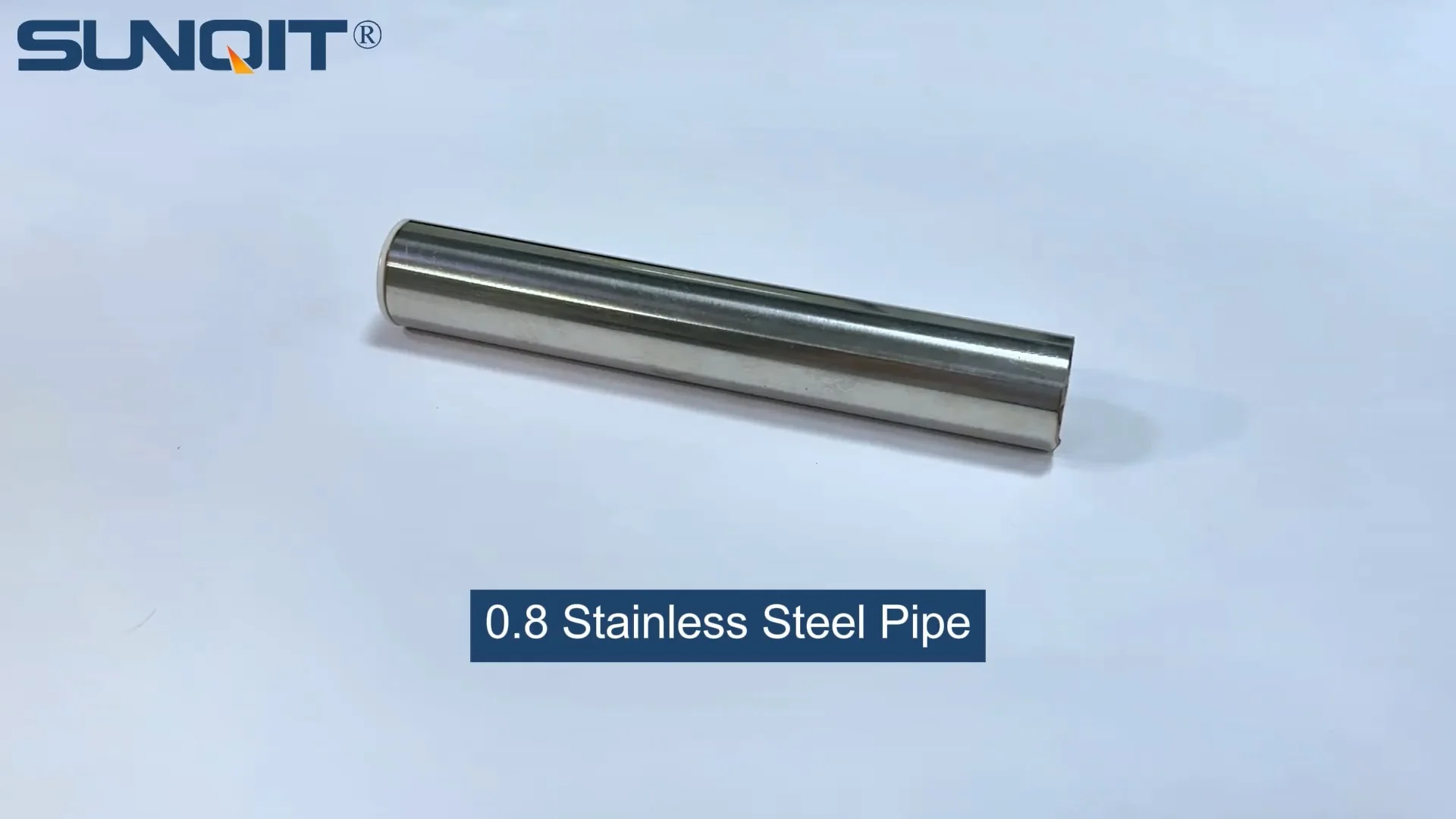
Stainless steel pipe, lean pipe, diameter is 28mm, material is SS201 or SS304, SS201 is normally used in the market. It knows a KARAKURI, KAIZEN material for industrial plant to improve efficiency, save labor cost, standard management.
Let's face it—logistics work isn't for the faint of heart. Whether you're running a warehouse, a manufacturing floor, or a retail backroom, the daily grind of moving materials, parts, and products can feel like a never-ending puzzle. Pallets stack up, orders pile in, and the last thing you need is a flimsy cart giving out halfway through a shift. That's where turnover carts step in—but not just any cart. Today, we're diving into why 2.0mm stainless steel pipe is the unsung hero of durable logistics equipment, and how it's transforming the way teams handle the chaos.
The Backbone of a Reliable Turnover Cart: Why Pipe Thickness Matters
You've probably seen them before: those rickety plastic or thin metal carts that wobble under a heavy load, their wheels squeaking like a chorus of discontent. They might cost less upfront, but after six months of daily use? The frame bends, the joints loosen, and suddenly you're shelling out for replacements. It's a cycle that eats into your budget and your team's patience.
Here's the thing: a turnover cart's strength starts with its frame. And when it comes to frames, the pipe thickness is everything. Enter stainless steel pipe series —specifically, the 2.0mm variant. This isn't just "thicker metal"; it's a deliberate choice to build equipment that can take a beating and keep going. Let's break it down: 2.0mm stainless steel pipe isn't just about weight capacity (though it handles that too). It's about resistance to dents when a cart bumps into a pallet, corrosion from spills or humidity, and the kind of long-term rigidity that means you won't be adjusting wobbly shelves every week.
Beyond Thickness: The Science of Stainless Steel
Stainless steel gets a lot of hype, but not all stainless is created equal. The 2.0mm pipes we're talking about here are part of a stainless steel pipe series designed for industrial use—think alloys that resist rust, even in damp warehouses or food processing facilities. Unlike aluminum (which can scratch easily) or galvanized steel (prone to chipping), stainless steel holds up against moisture, chemicals, and the occasional coffee spill from a busy worker's thermos. It's the kind of material that looks as good on day 1,000 as it did on day 1—no flaking paint, no unsightly rust spots, just clean, reliable strength.
And let's talk about weight vs. strength. You might think a thicker pipe makes the cart too heavy to maneuver, but stainless steel's strength-to-weight ratio is impressive. A 2.0mm frame can handle 500+ kg of load without turning the cart into a immovable boulder. Pair that with the right caster wheel , and you've got a cart that glides across concrete, tile, or even slightly uneven floors with ease.

Building a Cart That Lasts: The Anatomy of a 2.0mm Stainless Steel Turnover Cart
A great turnover cart isn't just a frame and four wheels. It's a system of components working together to make your team's job easier. Let's walk through what makes these carts tick:
- The Frame: Made from 2.0mm stainless steel pipe, welded or joined with heavy-duty connectors. No cheap plastic joints here—these are metal-on-metal connections that lock in place, even under stress.
- The Wheels: High-quality caster wheels are non-negotiable. Look for rubber or polyurethane treads that absorb shocks (no more jarring rides for fragile parts) and brakes that actually hold when you need them to. Swivel casters up front make tight corners a breeze, while fixed casters in the back keep the cart stable during straight-line hauls.
- Shelves & Surfaces: Many carts come with wire mesh or solid stainless steel shelves. Wire mesh is great for visibility (you can see what's on the bottom shelf without bending over) and drainage (handy if you're dealing with wet items), while solid shelves work better for small parts or loose materials.
- Extras That Matter: Handles that are ergonomically shaped (no more sore palms!), bumpers to protect walls and machinery, and adjustable shelves to fit everything from small bins to large boxes. Some even come with roller track inserts—those smooth, wheeled strips that let you slide heavy items on and off the cart without lifting a finger. Genius, right?

Comparing Pipe Thicknesses: Which One Fits Your Needs?
Not sure if 2.0mm is overkill? Let's put it head-to-head with thinner options. The table below breaks down common pipe thicknesses in stainless steel pipe series and how they perform in real-world scenarios:
| Pipe Thickness | Max Load Capacity (kg) | Durability (1-10 Scale) | Best For | Expected Lifespan (With Daily Use) |
|---|---|---|---|---|
| 0.8mm | 150-200 | 4/10 | Light, occasional use (e.g., office mail) | 6-12 months |
| 1.2mm | 250-300 | 6/10 | Medium loads, dry environments | 1-2 years |
| 1.5mm | 350-400 | 8/10 | Heavy loads, moderate humidity | 3-5 years |
| 2.0mm | 500-600+ | 10/10 | Industrial use, wet/damp areas, daily heavy loads | 7-10+ years |
See the pattern? Thicker pipe means longer life, higher capacity, and less hassle. For teams that rely on their turnover carts day in and day out—think manufacturing lines moving engine parts, or warehouses handling bulk inventory—2.0mm isn't a luxury. It's a necessity.
Mobility Meets Stability: The Role of the Caster Wheel
A strong frame is nothing without good wheels. Imagine this: You've got a 2.0mm stainless steel cart loaded with 500kg of boxes. You push, and… the wheels lock up. Or worse, one wheel swivels sideways, sending the cart veering into a rack. Nightmare. That's why caster wheel quality is just as critical as the frame.
The best caster wheels for these carts are typically made from polyurethane or rubber, with sealed bearings to keep out dust and debris. They're designed to distribute weight evenly, so even a fully loaded cart feels balanced. And let's not forget brakes—foot-operated brakes that lock both the wheel and the swivel action, so your cart stays put on a slope or during loading. It's the little details that turn a "good" cart into a "we can't live without this" cart.
Real-World Wins: How Teams Are Using 2.0mm Stainless Steel Turnover Carts
Don't just take our word for it. Let's hear from a few teams who made the switch:
A Manufacturing Plant in Ohio: "We used to replace plastic carts every 8 months—they'd crack under the weight of our metal parts. Now, with 2.0mm stainless steel carts, we've had the same fleet for 3 years. The roller track on the shelves makes unloading parts onto the assembly line so much faster. Our team loves them!"
A Food Distribution Warehouse in Texas: "Humidity is killer here, but these stainless steel carts don't rust. We wash them down weekly, and they still look brand new. The caster wheels glide over our concrete floors, even when we're hauling cases of soda. No more stuck wheels, no more bent frames—total game-changer."
The Cost of Cutting Corners: Why "Cheap" Carts Cost More in the Long Run
Let's talk numbers. A basic thin-metal turnover cart might cost $150. A 2.0mm stainless steel cart? Maybe $350. At first glance, the $150 looks better—until you realize you'll replace that cheap cart 5 times in 10 years (that's $750) vs. buying one stainless steel cart that lasts a decade. Add in the downtime from broken carts, the frustration of your team, and the risk of damaged inventory from spills when a cart fails? Suddenly, $350 feels like a steal.
Choosing Your Cart: What to Look for in a Supplier
Not all 2.0mm stainless steel carts are the same. When shopping around, ask suppliers about their pipe quality (is it 304 or 316 stainless steel? 316 is better for extreme corrosion resistance), their welding or joint techniques (poor welding weakens the frame), and whether they offer custom sizes. A good supplier will also let you test a cart—load it up, push it around, see how it feels. After all, your team will be the ones using it every day.
Wrapping Up: Durability That Keeps Up with Your Team
Logistics is tough enough without equipment that lets you down. 2.0mm stainless steel turnover carts aren't just tools—they're partners in keeping your operation running smoothly. With a frame that resists dents, rust, and the chaos of daily use, paired with reliable caster wheels and smart features like roller track , these carts are built to grow with your business.
So the next time you're in the market for turnover carts, remember: it's not about buying the cheapest option. It's about investing in something that will still be rolling strong when your team is tackling their biggest challenges. After all, your workflow deserves a cart that's as tough as you are.