- Company Articles
- Products and Technology
- Product knowledge
- Turnover Carts: Building Durable Structures with Lean Pipe Clamp B

Turnover Carts: Building Durable Structures with Lean Pipe Clamp B
Related Product
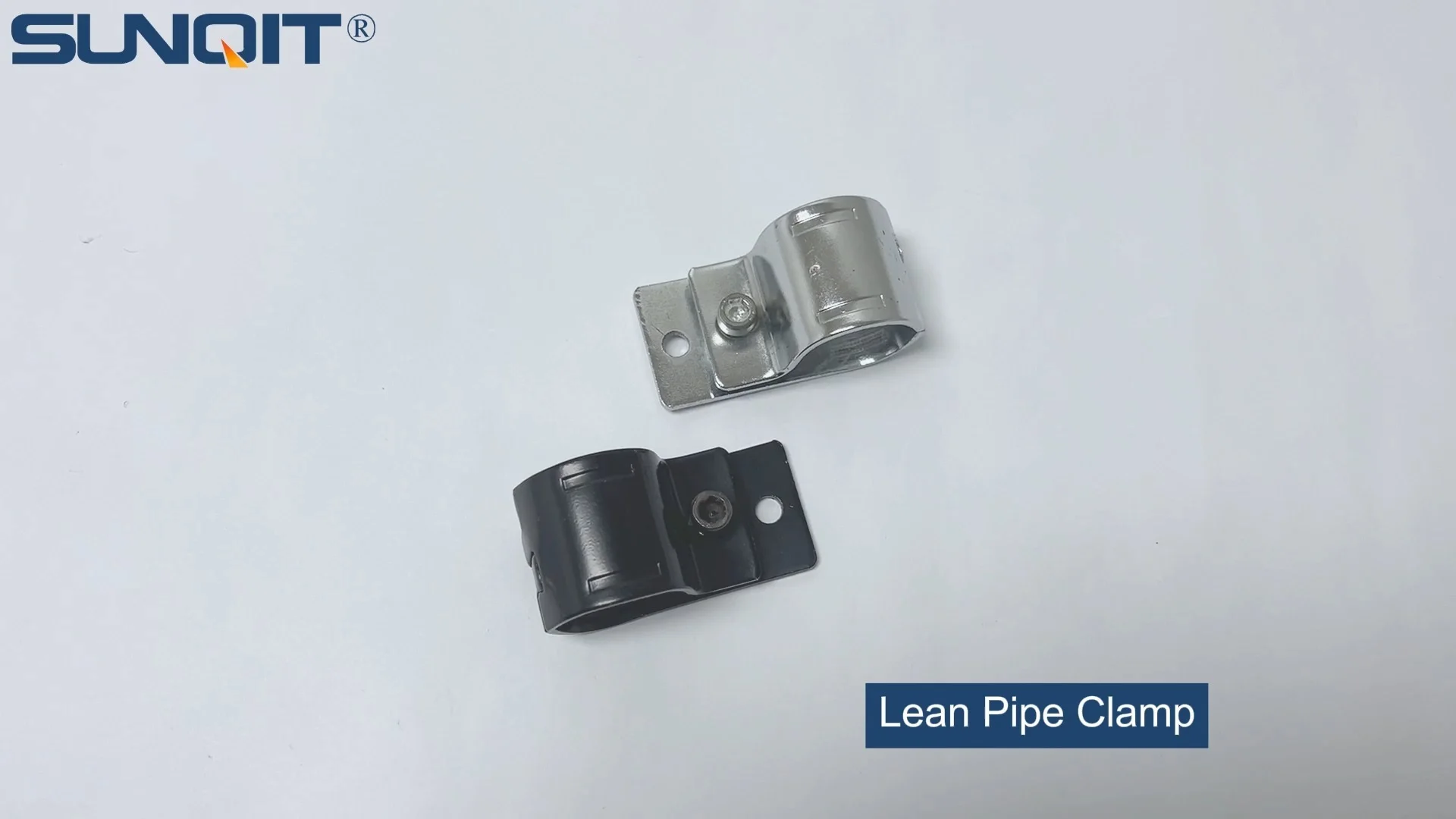
Lean Pipe Clamp
Lean pipe clamp is used for rack system hang monitor or other panel for workbenck, flowrack in production daily use.
Walk into any modern manufacturing facility, and you'll likely spot a fleet of turnover carts gliding between workstations, carrying components, tools, and finished products with seamless efficiency. These unassuming workhorses are the unsung heroes of material handling, keeping production lines moving, reducing manual labor, and ensuring that every part arrives exactly where it needs to be—on time. But not all turnover carts are created equal. In lean manufacturing, where efficiency, flexibility, and durability are non-negotiable, the difference between a flimsy cart that breaks down after months and a robust system that lasts for years often comes down to the materials and components used. Enter lean pipe systems, and more specifically, the critical role of lean pipe clamp B in building structures that stand up to the demands of daily use.
In this article, we'll explore how turnover carts built with lean pipe clamp B, paired with components like aluminum profile , lean pipe joint , and reliable caster wheel systems, are transforming material handling. We'll break down the key components, walk through the assembly process, highlight the benefits of this approach, and share real-world applications where these carts are making a tangible difference. Whether you're a production manager looking to upgrade your facility's equipment or a small business owner seeking cost-effective material handling solutions, this guide will show you why lean pipe clamp B is the foundation of durable, flexible turnover carts.
Lean Pipe Systems: The Backbone of Flexible Material Handling
Before diving into the specifics of lean pipe clamp B, it's important to understand the broader context of lean pipe systems. Also known as "flexible pipe systems," these modular setups are designed around the principles of lean manufacturing—eliminating waste, improving flow, and adapting quickly to changing needs. Unlike rigid steel frames or wooden structures, lean pipe systems use lightweight, corrosion-resistant pipes (often coated in plastic or made of aluminum) and a variety of joints and clamps to create custom workstations, racks, and yes, turnover carts.
The magic of lean pipe systems lies in their simplicity and adaptability. With basic tools and a few components, you can assemble a cart in hours, reconfigure it as your needs change, and disassemble it entirely for recycling or repurposing. This flexibility is a game-changer in industries where product lines shift frequently, or where space is at a premium. And at the heart of this adaptability is the hardware that holds everything together: clamps and joints. Among these, lean pipe clamp B stands out for its strength, ease of use, and versatility.
Lean Pipe Clamp B: The Unsung Hero of Cart Assembly
If lean pipe systems are the backbone of flexible material handling, then lean pipe clamp B is the vertebrae that keeps everything stable. Designed to securely fasten pipes at 90-degree angles, this clamp is a workhorse in cart assembly, providing the rigidity needed to support heavy loads while maintaining the system's flexibility. Let's take a closer look at what makes lean pipe clamp B indispensable:
Design and Functionality
Lean pipe clamp B features a simple yet effective design: two semicircular metal jaws that wrap around the outer diameter of lean pipes, secured by a bolt and nut. When tightened, the jaws grip the pipe tightly, creating a connection that can withstand both vertical and horizontal stress. Unlike some one-time-use fasteners, lean pipe clamp B is reusable—loosen the bolt, reposition the pipe, and retighten to adjust the cart's structure. This reusability not only reduces waste but also makes it easy to modify carts as your needs evolve, whether you're adding a shelf, changing the height, or repurposing the cart for a new task.
Compatibility with Materials
One of the key advantages of lean pipe clamp B is its compatibility with a range of pipe materials. While traditional lean pipes are often made of steel with a plastic coating (PE coated lean pipe), many modern systems now use aluminum profile for its lighter weight and corrosion resistance. Lean pipe clamp B works seamlessly with both, ensuring a secure fit regardless of whether you're using steel, aluminum, or even stainless steel pipes. This versatility means you can mix and match materials based on your cart's intended use—aluminum for lightweight applications, steel for heavy loads—without sacrificing connection strength.
Load Capacity and Durability
In material handling, load capacity is non-negotiable. A cart that bends or wobbles under weight isn't just inefficient—it's a safety hazard. Lean pipe clamp B is engineered to handle the demands of daily use, with most models supporting loads of up to 500 kg when used with appropriately sized pipes and joints. The metal construction (often zinc-plated or stainless steel) resists rust and wear, even in environments with moisture or chemical exposure. This durability ensures that your turnover cart won't require frequent replacements, saving you time and money in the long run.

Building Blocks: Key Components for Durable Turnover Carts
While lean pipe clamp B is critical, it doesn't work alone. A durable turnover cart requires a combination of components, each playing a specific role in strength, mobility, and functionality. Let's break down the essential parts:
1. Aluminum Profile: Lightweight Strength
As mentioned earlier, aluminum profile has become a popular choice for lean pipe systems, and for good reason. Aluminum offers an impressive strength-to-weight ratio, meaning carts built with aluminum profile are easy to maneuver (even when loaded) without sacrificing durability. Unlike steel, aluminum is naturally resistant to corrosion, making it ideal for use in humid environments or facilities that require regular cleaning (such as food processing or electronics manufacturing). Aluminum profiles also come in a variety of shapes and sizes, including T-slot designs that simplify the attachment of shelves, bins, or tool holders—no welding required.
2. Lean Pipe Joint: The Connector That Keeps It All Together
While lean pipe clamp B excels at 90-degree connections, lean pipe joint components handle the more complex angles and intersections. From three-way joints that branch out to create shelving to swivel joints that allow for adjustable heights, these connectors add versatility to your cart design. Like clamp B, lean pipe joints are reusable and easy to adjust, so you can modify your cart's structure as needed. Many joints are also designed with ergonomics in mind, featuring rounded edges to reduce the risk of injury in busy workspaces.
3. Caster Wheel: Mobility Without Compromise
A turnover cart is only as good as its ability to move, which is why choosing the right caster wheel is crucial. Caster wheels come in a range of materials (rubber, polyurethane, steel) and designs (swivel, rigid, locking), each suited to different floor types and load requirements. For example, polyurethane caster wheels are ideal for smooth concrete floors, offering quiet operation and shock absorption, while steel wheels work better on rough surfaces like asphalt. Locking casters are a must for safety, allowing you to secure the cart in place when loading or unloading. When paired with a sturdy frame built using lean pipe clamp B and aluminum profile, high-quality caster wheels ensure that your cart glides effortlessly, reducing strain on workers and improving overall efficiency.
4. Additional Accessories: Customizing for Your Needs
To truly tailor your turnover cart to your workflow, consider adding accessories like shelves (made from aluminum honeycomb panels or plywood), tool hooks, bin rails, or ESD-safe mats (for electronics manufacturing). These accessories attach easily to aluminum profiles using T-slot nuts or lean pipe clamp B, allowing you to create a cart that not only carries materials but also organizes tools and supplies—eliminating the need for separate storage units.
Comparison of Turnover Cart Configurations
| Cart Type | Key Components | Load Capacity | Typical Use Case |
|---|---|---|---|
| Light-Duty Cart | 1.2mm PE coated lean pipe, lean pipe clamp B, 2-inch caster wheel (rubber) | Up to 150 kg | Small parts handling in workshops or retail |
| Medium-Duty Cart | Aluminum profile (3030 series), lean pipe joint, 3-inch caster wheel (polyurethane, locking) | 150–300 kg | Assembly line materials in electronics manufacturing |
| Heavy-Duty Cart | 2.0mm stainless steel pipe, reinforced lean pipe clamp B, 4-inch caster wheel (steel, dual locking) | 300–500 kg | Automotive parts or machinery components |

Step-by-Step: Assembling Your Turnover Cart with Lean Pipe Clamp B
Now that we've covered the components, let's walk through the process of assembling a basic turnover cart using lean pipe clamp B, aluminum profile, lean pipe joint, and caster wheel systems. While specific designs will vary based on your needs, this general guide will give you a sense of how straightforward the process is—no prior engineering experience required!
Step 1: Plan Your Design
Start by sketching your cart design, noting dimensions (height, width, depth), load capacity, and any accessories (shelves, bins). Consider the path the cart will take in your facility—will it need to fit through narrow doorways? Are there height restrictions under workbenches? This planning phase will help you select the right materials (e.g., aluminum profile for lightweight needs) and components (e.g., swivel caster wheels for tight turns).
Step 2: Cut Pipes and Profiles to Size
Using a pipe cutter or saw, cut your aluminum profile or lean pipes to the lengths specified in your design. For aluminum profile, a miter saw with a fine-tooth blade works best to ensure clean edges. Deburr the ends of each cut to remove sharp edges—safety first!
Step 3: Assemble the Frame with Lean Pipe Clamp B
Begin building the base frame by connecting four pieces of aluminum profile (or lean pipe) into a rectangle using lean pipe clamp B. Place the clamp around the intersection of two pipes, insert the bolt, and tighten with a wrench—no need for excessive force; a snug fit is enough to hold the connection securely. Repeat this process to add vertical supports (for height) and cross-braces (for stability). For corners requiring more flexibility, use lean pipe joints instead of clamp B.
Step 4: Attach Caster Wheels
Flip the frame upside down and attach caster wheels to the corners using bolts and nuts (most caster wheels come with mounting plates that fit standard lean pipe clamp B holes). If using locking casters, position them opposite each other (e.g., two on the front, two on the back) for balanced stability. Test the wheels to ensure they swivel freely and lock securely.
Step 5: Add Shelves and Accessories
With the frame and wheels in place, attach shelves using T-slot nuts (for aluminum profile) or additional lean pipe clamp B. Secure accessories like tool hooks or bin rails, and test the cart's stability by placing a weighted object in the center—adjust the caster wheels or add cross-braces if it wobbles. Finally, give the cart a thorough inspection, tightening any loose bolts or clamps before putting it into use.

Why Choose Lean Pipe Clamp B for Turnover Carts? The Benefits Speak for Themselves
At this point, you might be wondering: Why invest in a lean pipe system with clamp B when traditional steel carts are readily available? The answer lies in the unique combination of benefits that lean pipe clamp B, aluminum profile, and related components offer:
1. Cost-Effective in the Long Run
While the upfront cost of lean pipe components may be slightly higher than flimsy plastic carts, the durability and reusability of systems built with lean pipe clamp B and aluminum profile mean they last significantly longer. Traditional steel carts often require welding for repairs, which is time-consuming and expensive, whereas lean pipe systems can be disassembled and reconfigured with basic tools. This adaptability also reduces the need to purchase new carts when workflows change—simply repurpose your existing components.
2. Flexibility to Adapt
In today's fast-paced manufacturing environment, rigidity is a liability. Lean pipe clamp B and lean pipe joint systems allow you to modify your cart's design in minutes, whether you need to add a shelf, adjust the height, or change the wheel configuration. This flexibility is especially valuable for small businesses or startups that may pivot their product lines frequently.
3. Improved Workplace Safety
Safety is a top priority in any facility, and lean pipe systems are designed with this in mind. Aluminum profile is lightweight, reducing the risk of injury when moving or reconfiguring carts. Rounded edges on lean pipe joint and clamp B components minimize cuts and scrapes, while locking caster wheels prevent accidental movement. For industries like electronics manufacturing, ESD-safe lean pipes and accessories (e.g., ESD workbench components) protect sensitive equipment from static damage.
4. Enhanced Efficiency
A well-designed turnover cart built with lean pipe clamp B and aluminum profile streamlines material handling by keeping tools and supplies organized and within reach. This reduces time spent searching for items, minimizes unnecessary movement, and allows workers to focus on value-adding tasks. In assembly line settings, carts with roller tracks (another accessory compatible with lean pipe systems) can even automate the flow of materials, further boosting productivity.
Real-World Applications: Where These Carts Shine
To illustrate the impact of turnover carts built with lean pipe clamp B, let's look at a few real-world scenarios where these systems are making a difference:
Automotive Manufacturing
In automotive plants, where components range from small screws to heavy engine parts, flexibility is key. A major auto manufacturer recently replaced its fleet of rigid steel carts with lean pipe systems using aluminum profile and lean pipe clamp B. The result? Carts that are 30% lighter (reducing worker fatigue), easy to reconfigure for different vehicle models, and compatible with ESD-safe accessories to protect sensitive electronics. Locking caster wheels ensure carts stay in place during assembly, while roller tracks on shelves allow parts to glide smoothly to workers—cutting down on manual lifting.
Electronics Production
Electronics manufacturers face unique challenges, including the need for static control and precise organization of small components. A mid-sized electronics firm adopted lean pipe clamp B carts with aluminum profile frames and ESD-safe caster wheels. They added custom shelves with bin rails for resistors, capacitors, and other parts, and tool hooks for soldering irons and wire cutters. The carts are now used to transport materials between SMT machines and assembly stations, with the ability to reconfigure shelves in minutes when production runs change. The result: a 20% reduction in time spent retrieving parts and a significant decrease in static-related component damage.
Warehousing and Distribution
In warehouses, turnover carts are essential for picking and packing orders. A large e-commerce distributor switched to lean pipe clamp B carts with heavy-duty steel caster wheels and aluminum profile shelves. The carts feature adjustable dividers to separate orders, and fold-down sides for easy loading into delivery vans. Since the switch, workers report less back strain (thanks to the carts' ergonomic height) and faster order processing times—all while the carts withstand the daily wear and tear of warehouse operations.
Maintaining Your Turnover Cart: Tips for Longevity
To ensure your turnover cart built with lean pipe clamp B, aluminum profile, and lean pipe joint components lasts for years, follow these simple maintenance tips:
- Inspect Regularly: Check lean pipe clamp B and joints monthly for loose bolts or signs of wear. Tighten any loose connections and replace damaged components immediately.
- Lubricate Caster Wheels: Apply lubricant to caster wheel bearings every three months to keep them rolling smoothly. Wipe down wheels to remove dirt or debris that could cause jamming.
- Clean Aluminum Profile: Wipe down aluminum frames with a damp cloth to remove dust and grime. For tougher stains, use a mild detergent—avoid abrasive cleaners that could scratch the surface.
- Reconfigure as Needed: If a cart is no longer meeting your needs, don't let it sit idle—disassemble it and reuse the components to build a new structure. This not only saves money but also reduces waste.
- Train Workers: Ensure employees know how to properly use and maintain the carts, including how to lock caster wheels, adjust shelves, and tighten clamp B connections. This prevents accidental damage and ensures everyone uses the carts safely.
Conclusion: Investing in the Right Tools for Lean Success
Turnover carts are more than just "trolleys"—they're critical tools that keep production lines moving, workers safe, and operations efficient. By choosing to build these carts with lean pipe clamp B , aluminum profile , lean pipe joint , and high-quality caster wheel systems, you're investing in durability, flexibility, and long-term value. These components work together to create structures that adapt to your needs, withstand daily use, and contribute to a leaner, more productive workplace.
Whether you're upgrading an existing fleet or building your first cart, remember that the key to success lies in choosing the right components and designing with your specific workflow in mind. With lean pipe clamp B as your foundation, you can create turnover carts that not only meet today's demands but also grow with your business tomorrow. After all, in lean manufacturing, the best solutions are the ones that work as hard as you do—and with lean pipe systems, that's exactly what you get.