- Company Articles
- Products and Technology
- Installation And Maintenance
- Two Way Aluminum Pipe Joint Maintenance: How to Keep Them in Top Condition

Two Way Aluminum Pipe Joint Maintenance: How to Keep Them in Top Condition
Related Product
Two Way Aluminum Pipe Joint
Aluminum 2 way pipe joint for 28mm aluminum pipe connection in 2 direction.
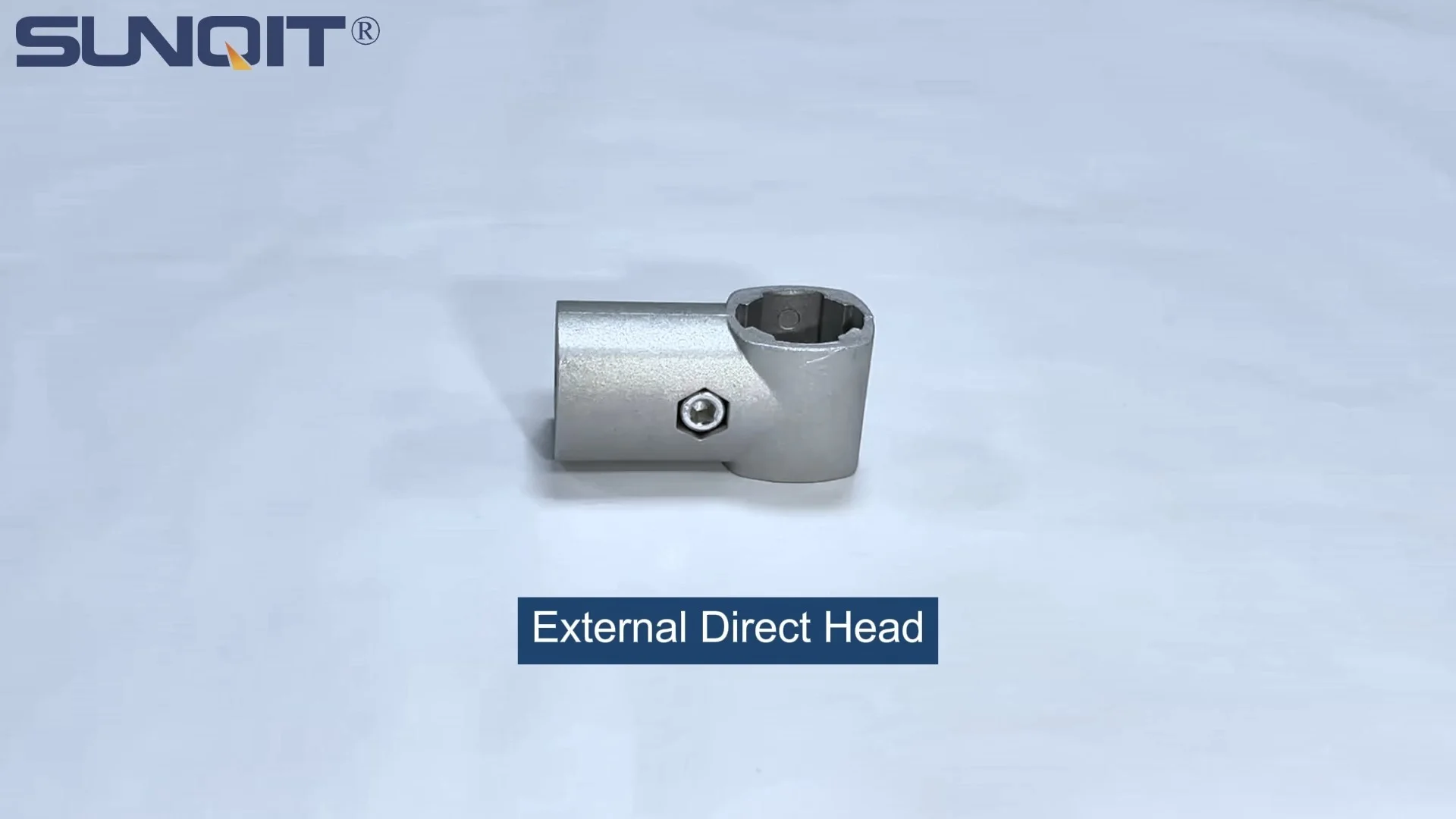
If you've ever walked through a busy manufacturing floor, a warehouse, or even a small workshop, you've probably seen them—those sleek, modular structures holding up workbenches, material racks, or conveyor systems. Chances are, many of those structures are built with aluminum lean pipe and connected by two way aluminum pipe joints. These unassuming components might not get the spotlight, but they're the unsung heroes keeping everything from assembly lines to storage racks stable, flexible, and functional. But like any hardworking part of your setup, two way aluminum pipe joints need a little TLC to stay in top shape. Ignore them, and you could be looking at wobbly workbenches, jammed material flow, or even safety hazards down the line. In this guide, we'll walk through everything you need to know to maintain your two way aluminum pipe joints—from understanding their design to troubleshooting common issues—so your lean system stays strong, efficient, and ready for whatever your workflow throws at it.
Understanding Two Way Aluminum Pipe Joints: More Than Just a Connector
Before we dive into maintenance, let's make sure we're all on the same page about what two way aluminum pipe joints are and why they matter. At their core, these joints are the "glue" that holds aluminum lean pipe systems together. Unlike rigid welds or fixed bolts, they're designed to be modular, allowing you to assemble, disassemble, and reconfigure structures like workbenches, material racks, or turnover trolleys with minimal effort. That flexibility is why they're a staple in lean manufacturing—they let you adapt to changing production needs without overhauling your entire setup.
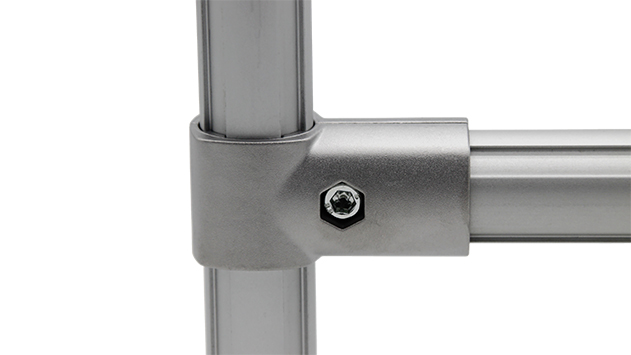
But what makes a two way aluminum pipe joint different from other connectors? Let's break it down. First, the material: aluminum. Aluminum is lightweight, corrosion-resistant, and strong enough for most industrial applications, which makes it ideal for joints that need to balance durability with portability. Then there's the "two way" design—these joints typically have two connection points (hence "two way"), allowing you to join two aluminum pipes at a specific angle (often 90 degrees, but sometimes adjustable). Some variants might include internal or external threads, while others use friction or clamping mechanisms to secure the pipes in place.
To really get a sense of their role, think about a simple aluminum workbench. The legs, the frame, and the shelves are all made of aluminum lean pipe, but without two way aluminum pipe joints, you'd just have a pile of pipes. The joints are what turn those pipes into a stable, load-bearing surface where workers can assemble products, store tools, or pack orders. And it's not just workbenches—material racks, conveyor systems, and even mobile trolleys rely on these joints to stay upright and functional.
Why Maintenance Matters: The Cost of Neglecting Your Joints
You might be thinking, "They're just metal joints—how much maintenance can they need?" The short answer: more than you might think. Let's start with the obvious: safety. A loose or damaged joint can cause a section of your workbench or material rack to collapse, risking injury to workers or damage to products. Even a slightly wobbly structure can throw off precision work—imagine trying to assemble small electronics on a shaky table. Then there's efficiency. A stuck or misaligned joint can slow down workflows: if a material rack's joints are seized, loading and unloading parts takes longer; if a conveyor's joints are worn, the belt might slip or jam, halting production.
And let's not forget the financial cost. Replacing a single joint is cheap, but if neglect leads to a domino effect—say, a loose joint causes a pipe to bend, which then damages other joints—you're looking at replacing multiple parts, not to mention downtime while you fix the issue. Over time, poor maintenance can shorten the lifespan of your entire aluminum lean pipe system, forcing you to invest in new structures sooner than necessary. In short, a little time spent maintaining your two way aluminum pipe joints today can save you a lot of time, money, and stress tomorrow.
Common Challenges: What Can Go Wrong with Two Way Aluminum Pipe Joints?
Now that we know why maintenance is important, let's look at the most common issues that plague two way aluminum pipe joints. Understanding these problems will help you spot them early and fix them before they escalate.
1. Loosening Over Time
Vibration is the number one culprit here. Whether it's from machinery running nearby, workers moving materials, or even the daily hum of a busy facility, constant vibration can slowly loosen the connections in your joints. This is especially true for joints that rely on friction or clamping—over time, the bolts or levers that hold the pipes in place can back off, leaving the joint wobbly.
2. Corrosion and Rust
Aluminum is naturally corrosion-resistant, but that doesn't make it immune. If your facility is humid (like a food processing plant), or if joints are exposed to moisture (from spills, cleaning, or outdoor use), they can develop a white, powdery film called aluminum oxide. While this oxide layer actually helps protect the metal from further corrosion, if it builds up too much, it can interfere with the joint's movement, making it hard to adjust or disassemble. In rare cases, severe corrosion can weaken the joint itself, leading to cracks or breaks.
3. Debris Buildup
Factories and warehouses are dusty, dirty places. Sawdust, metal shavings, oil, and even product residue can find their way into the crevices of your two way aluminum pipe joints. Over time, this debris can act like sandpaper, wearing down the joint's moving parts (like threads or clamping mechanisms). It can also jam the joint, making it impossible to adjust or remove when you need to reconfigure your setup.
4. Wear and Tear on Threads or Clamps
Every time you assemble, disassemble, or adjust a joint, you're putting stress on its components. Threads can get stripped, clamping levers can bend, and washers or gaskets can wear out. This is especially common if you frequently reconfigure your lean system (which, let's be honest, is the whole point of using modular joints). A joint with stripped threads won't hold pipes securely, no matter how tight you crank the bolt.

Step-by-Step Maintenance Guide: Keeping Your Joints in Peak Condition
Now that we know what can go wrong, let's talk about how to prevent it. Below is a step-by-step guide to maintaining your two way aluminum pipe joints, broken down into daily checks, weekly cleaning, monthly lubrication, and quarterly deep inspections. Stick to this routine, and your joints will thank you.
Daily Visual Checks: Quick and Easy Inspections
You don't need to spend hours each day maintaining joints, but a 5-minute walkthrough can catch issues before they get worse. Here's what to look for:
- Loose joints: Gently shake the structure (workbench, rack, etc.) and listen for rattling. If a section moves more than it should, check the joints in that area. A loose joint might feel wobbly or have visible gaps between the joint and the pipe.
- Visible damage: Look for cracks, dents, or bent parts. Pay extra attention to joints that bear heavy loads (like the base of a workbench or the corners of a material rack).
- Corrosion: Check for white, powdery buildup (aluminum oxide) or greenish discoloration (a sign of more severe corrosion). Focus on joints near water sources, cleaning stations, or outdoor areas.
- Debris: Scan for dirt, dust, or residue around the joint's connection points. If you see a lot of buildup, add that joint to your weekly cleaning list.
If you spot any of these issues during your daily check, mark the joint with a tag or note and address it as soon as possible. For loose joints, a quick tightening might be all it takes; for damaged or corroded joints, you'll need to dig deeper.
Weekly Cleaning: Removing Debris and Preventing Buildup
Dirt and debris are enemy number one for moving parts, so a weekly cleaning session is non-negotiable. Here's how to do it:
- Gather supplies: You'll need a soft-bristled brush (an old toothbrush works great for tight spaces), a clean rag, mild detergent (like dish soap), and warm water. Avoid harsh chemicals (bleach, ammonia) or abrasive tools (steel wool), as these can damage the aluminum or strip protective coatings.
- Brush away loose debris: Use the soft brush to sweep away dust, dirt, and shavings from the joint's crevices. Pay special attention to threads, clamping mechanisms, and any gaps where debris might hide.
- Wipe with soapy water: Dip the rag in warm, soapy water and gently wipe the joint. Focus on areas with oil or grease buildup (common near machinery). Avoid saturating the joint—you don't want water seeping into internal parts.
- Dry thoroughly: Use a clean, dry rag to wipe the joint. Moisture left behind can lead to corrosion, so make sure it's completely dry before moving on.
Pro tip: If you're cleaning a joint that's part of a larger structure (like a workbench), you don't need to disassemble it. Just focus on the exposed parts. For joints that are especially dirty (like those near a grinding machine), you might need to use compressed air to blow out stubborn debris before brushing.
Monthly Lubrication: Keeping Joints Moving Smoothly
Many two way aluminum pipe joints have moving parts—threads, hinges, or clamping levers—that need lubrication to stay functional. Without it, these parts can seize up, making it impossible to adjust or disassemble the joint when you need to. Here's how to lubricate like a pro:
- Choose the right lubricant: For aluminum joints, a light machine oil or silicone-based lubricant works best. Avoid heavy greases, which can attract dirt and debris. If the joint is used in a food-grade facility, opt for a food-safe lubricant (check the label to make sure it's NSF-certified).
- Clean first: You don't want to trap dirt under the lubricant, so wipe the joint with a dry rag before applying. If there's old, gummy lubricant buildup, use a rag dampened with mineral spirits to clean it off (then dry thoroughly).
- Apply sparingly: Less is more here. A few drops on threads or pivot points are enough. Use a small brush or applicator to get the lubricant into tight spaces. Wipe away any excess with a clean rag—you don't want it dripping onto products or floors.
- Test the joint: After lubricating, move the joint (adjust the clamp, twist the threads, etc.) to distribute the lubricant evenly. If it still feels stiff, apply a tiny bit more and test again.
Quarterly Deep Inspection: Catching Hidden Issues
Once a quarter, it's time to roll up your sleeves and do a deeper dive. This is when you'll check for wear and tear that might not be visible during daily or weekly checks. Here's what to cover:
- Disassemble (if needed): For joints that are part of a rarely reconfigured structure, consider disassembling them to inspect the internal parts. This is especially important for joints with threads or internal mechanisms that might be worn.
- Check for wear on threads: Look for stripped or flattened threads. If the threads are worn, the joint won't hold the pipe securely, even when tightened. A quick test: screw the joint onto a spare piece of aluminum lean pipe. If it feels loose or "gritty" when turning, the threads are probably worn.
- Inspect clamping mechanisms: For joints that use levers, bolts, or clamps to secure pipes, check for bending or cracking. A bent lever might not apply enough pressure to hold the pipe, while a cracked clamp could fail under load.
- Test load capacity: If the joint is part of a load-bearing structure (like a material rack), test it with a weight close to its maximum capacity. If it bends or shifts under the load, it's time to replace it.
- replace worn parts: Many two way aluminum pipe joints have replaceable aluminum pipe accessories—like washers, gaskets, or locking nuts. If these parts are worn, swap them out instead of replacing the entire joint. It's cheaper and faster.

Troubleshooting Common Issues: What to Do When Things Go Wrong
Even with regular maintenance, you might run into issues from time to time. Here's how to troubleshoot the most common problems:
Problem 1: The Joint Is Loose and Won't Stay Tight
First, check if the threads are stripped (you can do this by looking for flattened or missing threads). If they are, the joint needs to be replaced—stripped threads can't be repaired. If the threads look good, the issue might be debris in the threads. Clean them with a brush and lubricate, then try tightening again. If it still loosens, check if the pipe is bent—an uneven pipe won't seat properly in the joint. Straighten the pipe or replace it if it's too damaged.
Problem 2: The Joint Is Stuck (Can't Adjust or Disassemble)
Stuck joints are usually caused by corrosion or debris buildup. Start by applying a penetrating oil (like WD-40) to the joint and letting it sit for 10–15 minutes. Then, use a rubber mallet to gently tap the joint—this can loosen corrosion or debris. If it still won't move, try heating the joint with a heat gun (on low heat—aluminum conducts heat quickly, so be careful not to overheat). The heat will expand the metal slightly, making it easier to turn. Avoid using excessive force, which can bend or break the joint.
Problem 3: Corrosion Is Building Up
For light corrosion (the white, powdery oxide layer), mix equal parts water and white vinegar, apply it to the joint with a rag, and let it sit for 5 minutes. Then, scrub gently with a soft brush and rinse with water. Dry thoroughly and apply a thin coat of lubricant to prevent future buildup. For severe corrosion (pitting or greenish discoloration), the joint is likely too damaged to save—replace it as soon as possible.
Problem 4: The Joint Isn't Aligning Properly
If the pipes connected by the joint aren't straight or are at the wrong angle, check if the joint itself is bent. A bent joint will never align correctly, so replace it. If the joint is straight, the issue might be with the pipes—check if they're cut evenly or if they're warped. You might need to trim the pipes or use a pipe straightener to fix the alignment.
Preventive Maintenance Schedule: A Quick Reference Table
| Maintenance Task | Frequency | What to Do | Tools/Supplies Needed |
|---|---|---|---|
| Visual checks for looseness/damage | Daily | Shake structures, look for wobbling, cracks, or corrosion | None (just your eyes and hands) |
| Clean debris from joints | Weekly | Brush away dirt, wipe with soapy water, dry thoroughly | Soft brush, rag, mild detergent, water |
| Lubricate moving parts | Monthly | Apply light machine oil or silicone lubricant to threads/hinges | Lubricant, rag, small brush/applicator |
| Deep inspection (threads, clamps, load test) | Quarterly | Check for wear, test load capacity, replace worn aluminum pipe accessories | Spare pipe (for thread testing), weight (for load test), replacement parts |
| replace severely damaged joints | As needed | Remove old joint, install new one, tighten to spec | New joint, wrench (if needed), pipe cutter (if adjusting pipe length) |
Case Study: How One Factory Cut Downtime by 40% with Joint Maintenance
To put this all into perspective, let's look at a real-world example. A mid-sized electronics manufacturer in the Midwest was struggling with frequent downtime on their assembly line. Their main issue? Wobbly workbenches and jammed material racks, which were slowing down production and frustrating workers. After investigating, they realized the problem was their two way aluminum pipe joints—many were loose, corroded, or seized, leading to unstable structures and inefficient workflows.
The factory implemented a maintenance routine based on the steps we've outlined: daily visual checks, weekly cleanings, monthly lubrication, and quarterly deep inspections. They also trained their floor supervisors to spot loose or damaged joints and address them immediately. Within three months, the results were clear: downtime due to structural issues dropped by 40%, and workers reported feeling safer and more productive. The factory also saved money by replacing only worn aluminum pipe accessories (like washers and nuts) instead of entire joints, cutting replacement costs by 30%.
The takeaway? Maintenance isn't just about fixing things—it's about preventing problems from happening in the first place. And when it comes to two way aluminum pipe joints, a little effort goes a long way.
Conclusion: Your Joints Are the Foundation—Treat Them Like It
Two way aluminum pipe joints might not be the most glamorous part of your lean system, but they're critical to keeping your facility safe, efficient, and adaptable. By following a regular maintenance routine—daily checks, weekly cleanings, monthly lubrication, and quarterly inspections—you can extend their lifespan, prevent downtime, and avoid costly replacements. Remember: a loose joint today could be a collapsed rack tomorrow, so don't wait until something breaks to take action.
And if you ever need help—whether it's choosing the right lubricant, troubleshooting a stuck joint, or finding replacement aluminum pipe accessories—don't hesitate to reach out to your aluminum lean pipe supplier. They're experts in these systems and can provide guidance tailored to your specific needs.
At the end of the day, maintaining your two way aluminum pipe joints is an investment in your facility's success. It's about more than just keeping parts from breaking—it's about creating a workspace where workers can thrive, production can flow smoothly, and your business can grow. So grab your brush, your lubricant, and start giving those joints the care they deserve. Your future self (and your bottom line) will thank you.