- Company Articles
- Products and Technology
- Product knowledge
- Two Way Aluminum Pipe Joint Material Analysis: Why Aluminum Is the Best Choice

Two Way Aluminum Pipe Joint Material Analysis: Why Aluminum Is the Best Choice
Related Product
Two Way Aluminum Pipe Joint
Aluminum 2 way pipe joint for 28mm aluminum pipe connection in 2 direction.
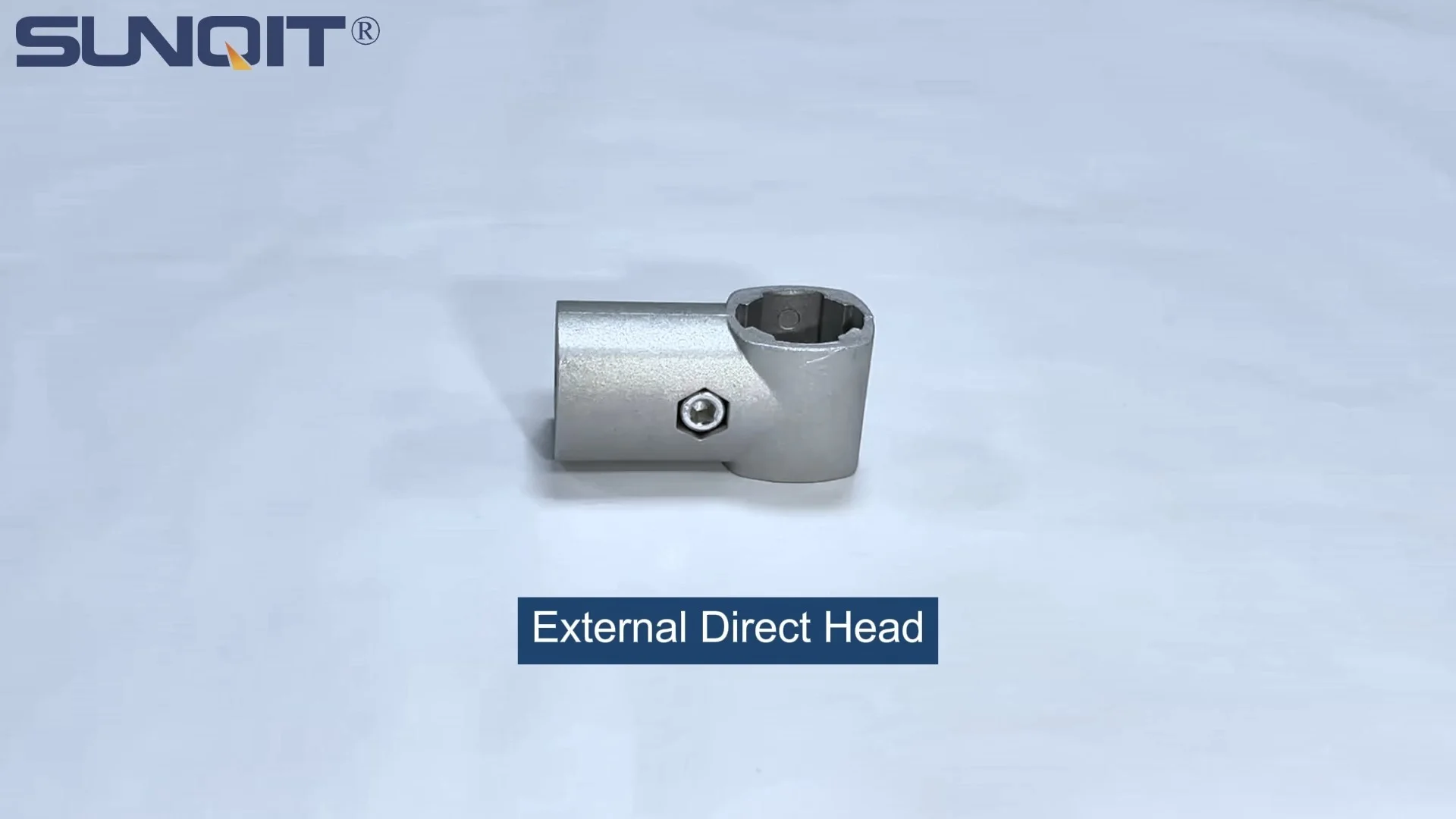
The Unsung Hero of Modern Manufacturing: The Two Way Aluminum Pipe Joint
Walk into any bustling factory, warehouse, or assembly line today, and you'll likely spot a network of workbenches, flow racks, and material trolleys quietly keeping operations running. Behind these structures—often taken for granted—lies a critical component that holds everything together: the pipe joint. Among the various types, the two way aluminum pipe joint stands out as a quiet workhorse, balancing strength, flexibility, and efficiency in ways few materials can match. But why aluminum? What makes this lightweight, silvery metal the go-to choice for these essential connectors? Let's dive in.
In manufacturing, every second counts. A wobbly workbench delays assembly. A rusted joint halts a conveyor line. A heavy, cumbersome structure slows down workers who need to reconfigure their workspace for a new product. This is where the two way aluminum pipe joint shines. It's not just a piece of hardware; it's a bridge between lean principles—eliminating waste, maximizing flexibility, and empowering teams to adapt on the fly—and the physical tools that make those principles possible.
Why Material Matters: The Stakes of Choosing the Right Pipe Joint
When it comes to pipe joints, material choice isn't just about cost or availability. It's about how well the joint can withstand daily wear and tear, how easy it is to install and reconfigure, and how it impacts the overall efficiency of a workspace. A poorly chosen material can lead to frequent replacements, increased maintenance costs, and even safety risks for workers. For example, a steel joint might seem durable, but its weight can make assembling a simple workbench a two-person job. A plastic joint might be lightweight, but it could crack under the pressure of heavy tooling.
The two way pipe joint, in particular, is tasked with a unique role: connecting two pipes at a fixed angle (often 90 degrees) while maintaining structural integrity. It needs to support weight, resist corrosion from oils or coolants, and allow for quick adjustments when production needs change. This is where aluminum steps in—not by being the strongest or the cheapest, but by being the most balanced .
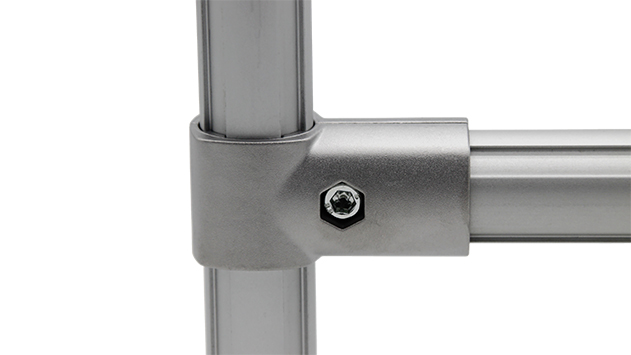
Aluminum vs. The Competition: A Head-to-Head Comparison
To understand why aluminum dominates the two way pipe joint market, let's compare it to three common alternatives: steel, plastic, and stainless steel. Each has its merits, but none offer the same all-around performance.
| Material | Weight (per 10cm joint) | Corrosion Resistance | Strength (Load Capacity) | Cost (Relative) | Best For |
|---|---|---|---|---|---|
| Aluminum | 150-200g | High (naturally forms oxide layer) | Moderate-High (supports 50-100kg per joint) | Moderate | Lean systems, modular workbenches, flow racks |
| Steel | 400-500g | Low (prone to rust without coating) | Very High (supports 150-200kg per joint) | Low-Moderate | Heavy-duty, stationary structures (rarely reconfigured) |
| Plastic | 50-100g | High (resistant to chemicals) | Low (supports 10-30kg per joint) | Low | Lightweight, temporary setups (e.g., event booths) |
| Stainless Steel | 450-550g | Very High (resistant to rust and chemicals) | Very High (supports 150-200kg per joint) | Very High | Food processing, medical facilities (corrosion-critical environments) |
The table tells a clear story: aluminum hits the sweet spot. It's light enough for one person to handle during assembly, strong enough to support most manufacturing needs, resistant to the elements, and affordable enough for small and large businesses alike. Steel, while stronger, is bulky and prone to rust—making it a hassle for lean systems that require frequent reconfiguration. Plastic is cheap but flimsy, and stainless steel, though durable, comes with a steep price tag that's overkill for most applications.

Aluminum's Secret Weapons: The Properties That Make It Ideal
Let's zoom in on aluminum's unique properties to understand why it's the top choice for two way pipe joints. These aren't just technical specs—they directly impact real-world manufacturing efficiency.
1. Lightweight: Reducing Fatigue, Boosting Productivity
Aluminum is about one-third the weight of steel. For a single two way joint, that might not seem like much—150g vs. 450g—but multiply that by hundreds of joints in a large workspace, and the difference becomes staggering. Imagine a team of workers assembling a 10-foot flow rack with 50 two way joints: with aluminum, the total weight of the joints alone is 7.5kg; with steel, it's 22.5kg. That's an extra 15kg of lifting and maneuvering—enough to slow down assembly and increase the risk of strain injuries.
In lean manufacturing, where "waste" includes unnecessary physical effort, aluminum's lightness is a game-changer. Workers can reconfigure workstations solo, adjust flow racks on the fly, and move trolleys loaded with materials without struggling. This not only speeds up production but also improves morale—no one likes wrestling with heavy equipment all day.
2. Corrosion Resistance: Longevity Without the Maintenance
Walk through a factory floor, and you'll find oils, coolants, cleaning agents, and even humidity—all enemies of metal. Steel joints, unless coated, rust quickly in these environments, weakening their grip and leaving unsightly stains. Plastic joints can degrade under harsh chemicals. Aluminum, however, forms a thin, invisible oxide layer when exposed to air, acting as a natural barrier against corrosion. This layer self-repairs if scratched, ensuring the joint stays strong for years.
For a lean pipe supplier, this means fewer warranty claims and happier customers. For manufacturers, it means less time spent replacing rusted parts and more time focused on production. Even in damp warehouses or facilities near the coast (where salt air accelerates corrosion), aluminum joints hold their own—no need for expensive coatings or frequent inspections.
3. Malleability: Flexibility in Design and Compatibility with Accessories
Aluminum is easy to machine and mold, which is why it pairs so well with aluminum profile accessories. Two way aluminum pipe joints aren't just simple connectors—they're designed to work seamlessly with clamps, brackets, wheels, and panels, allowing for endless configurations. Whether you need to add a shelf to a workbench, attach a tool holder to a flow rack, or mount a conveyor belt, aluminum joints adapt.
Take the aluminum lean pipe system, for example. These pipes, often used with two way joints, are modular by design. A manufacturer might start with a basic workstation, then add a material trolley, then reconfigure the whole setup for a new product line—all without welding or specialized tools. Aluminum's malleability makes this possible; the joints can be tightened, loosened, and repositioned repeatedly without losing their integrity.
4. Recyclability: Aligning with Sustainable Lean Practices
Lean manufacturing isn't just about efficiency—it's about reducing waste, and that includes environmental waste. Aluminum is 100% recyclable, and recycling it uses just 5% of the energy required to produce new aluminum. When a two way joint reaches the end of its life (which, with aluminum, is decades), it can be melted down and turned into a new joint, panel, or pipe. This aligns with the circular economy principles many modern businesses strive for, making aluminum a sustainable choice for eco-conscious manufacturers.

Real-World Impact: How Aluminum Joints Transform Workspaces
Let's paint a picture of how aluminum two way pipe joints make a difference in a typical manufacturing setting. Consider a small electronics assembly plant that produces smartphone components. The plant runs two shifts daily, and the assembly line needs to switch between two product models every week.
Before switching to aluminum, the plant used steel pipe joints. Reconfiguring the workbenches and flow racks for a new model took four workers half a day—steel joints were heavy, rusted bolts seized up, and the whole process was exhausting. Downtime meant lost production, and workers often complained of back pain from lifting heavy steel structures.
After switching to aluminum two way joints and aluminum lean pipe, the transformation was dramatic. Now, two workers can reconfigure the line in under two hours. The lightweight joints are easy to handle, the aluminum pipes don't rust, and the modular design means adding or removing sections is as simple as loosening a few bolts. Worker fatigue dropped, downtime decreased by 75%, and the plant even reduced its annual maintenance costs by $15,000—all because of a material change in a small but critical component.
This isn't an isolated case. From automotive plants to medical device manufacturers, businesses that adopt aluminum pipe systems report similar benefits: faster setup times, lower labor costs, and more adaptable workspaces. The two way aluminum joint, though small, is a cornerstone of this transformation.
Choosing the Right Supplier: Why Quality Aluminum Matters
Not all aluminum two way pipe joints are created equal. To fully reap the benefits of aluminum, it's crucial to partner with a reputable lean pipe supplier that prioritizes quality. Look for suppliers that use high-grade aluminum alloys (like 6063-T5, known for its strength and corrosion resistance) and precision manufacturing. A poorly made joint—with rough edges, loose tolerances, or weak threads—can undo all the advantages of aluminum, leading to wobbly structures and frequent failures.
Also, consider the supplier's range of aluminum profile accessories. The best suppliers offer not just joints, but the clamps, brackets, wheels, and panels needed to build a complete system. This ensures compatibility and reduces the hassle of sourcing parts from multiple vendors.
The Future of Manufacturing: Aluminum Joints and Beyond
As manufacturing becomes more automated, flexible, and sustainable, the demand for adaptable, lightweight, and durable components will only grow. Aluminum two way pipe joints are well-positioned to meet this demand. Innovations in aluminum alloys and manufacturing techniques—like 3D printing of custom joint designs—are making these components even more versatile, allowing for complex shapes and tighter tolerances.
Moreover, as businesses continue to embrace lean principles and sustainability, aluminum's recyclability and efficiency will become even more valuable. The two way aluminum pipe joint, once an afterthought, is now recognized as a key enabler of modern, agile manufacturing.
Conclusion: Aluminum—The Clear Choice for Two Way Pipe Joints
When it comes to two way pipe joints, aluminum isn't just a good choice—it's the best choice. Its unique combination of lightweight design, corrosion resistance, malleability, and recyclability makes it ideal for the demands of modern manufacturing. Whether you're building a simple workbench or a complex conveyor system, aluminum joints deliver the strength, flexibility, and efficiency needed to keep operations running smoothly.
So the next time you walk through a factory and see those sturdy, silent structures holding everything together, take a moment to appreciate the two way aluminum pipe joint. It may not grab headlines, but it's the unsung hero that keeps the world of manufacturing moving forward—one joint at a time.