- Company Articles
- Products and Technology
- Product knowledge
- Two Way Aluminum Pipe Joint vs. Steel Joint: Cost, Durability, and Performance Comparison

Two Way Aluminum Pipe Joint vs. Steel Joint: Cost, Durability, and Performance Comparison
Related Product
Two Way Aluminum Pipe Joint
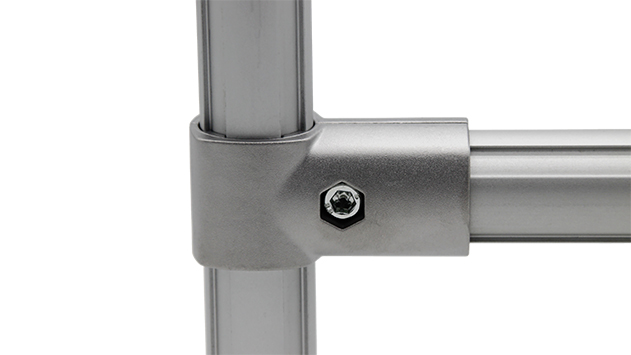
Aluminum 2 way pipe joint for 28mm aluminum pipe connection in 2 direction.
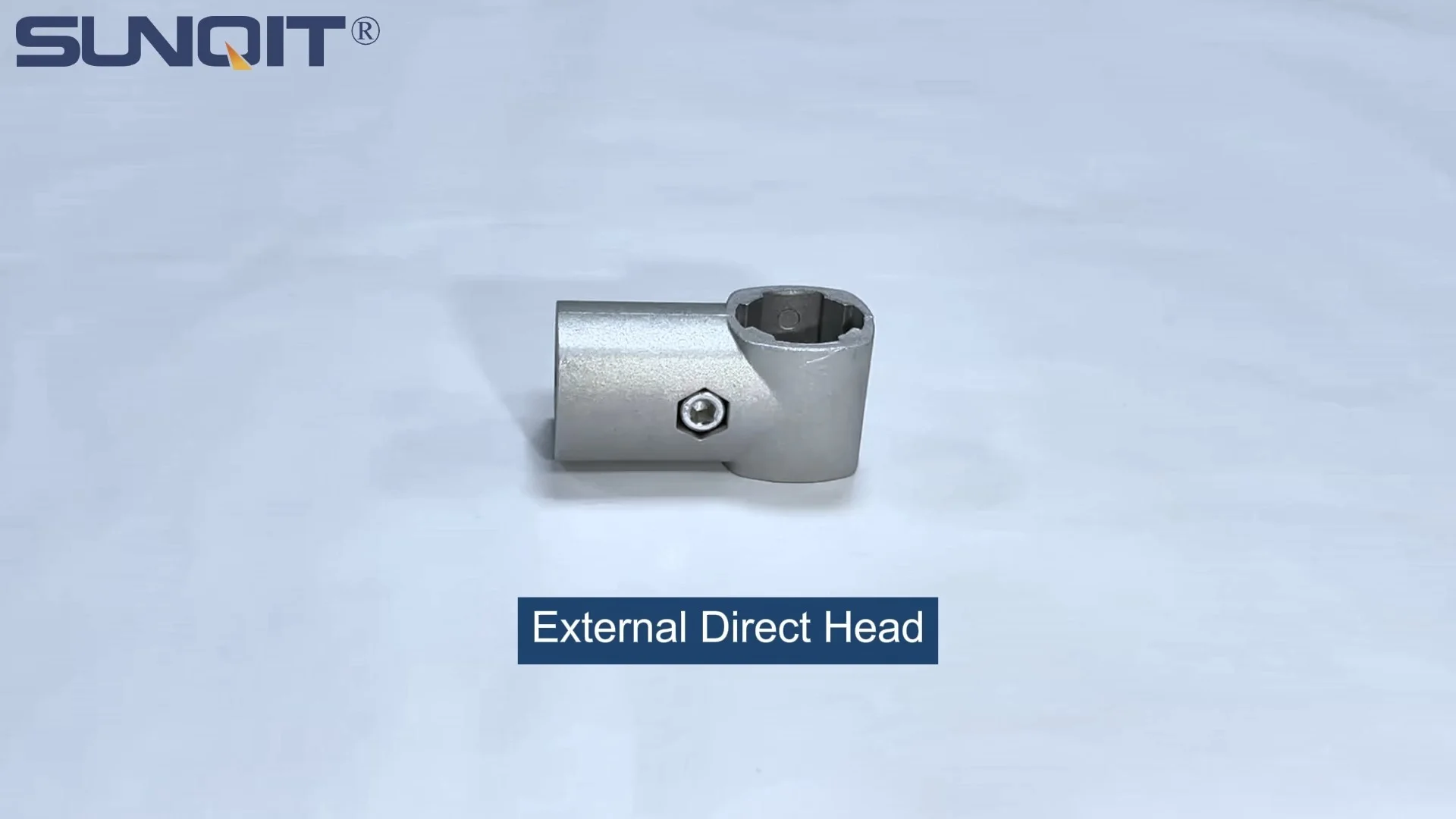
In the world of manufacturing, warehousing, and material handling, the smallest components often make the biggest difference. When it comes to building efficient, modular systems—whether it's a lean workbench, a flow rack, or a turnover trolley—the joints that hold everything together are the unsung heroes. Among the most debated options are two-way aluminum pipe joints and steel joints. Both play critical roles in constructing sturdy, flexible structures, but they each bring unique strengths and weaknesses to the table. In this article, we'll dive deep into how these two types of joints stack up in terms of cost, durability, and performance, helping you make an informed choice for your next project.
Before we jump into the details, let's clarify what we're comparing. A two-way aluminum pipe joint is a modular connector designed to link aluminum pipes at specific angles (often 90 degrees or straight), part of the broader family of aluminum profile accessories that make lean systems adaptable and easy to reconfigure. On the other hand, a steel joint—typically made from carbon steel or, for enhanced resistance, part of the stainless steel pipe series —is a heavier-duty connector built for strength and longevity in high-stress environments. Both are integral to lean pipe and accessories setups, but their suitability depends on your project's unique needs.
Cost: Upfront Investment vs. Long-Term Value
Cost is often the first factor businesses consider, and here, aluminum and steel joints diverge significantly. Let's break down the numbers.
Upfront Costs: Steel Takes the Lead—Initially
Steel joints, especially those made from standard carbon steel, are generally cheaper to produce. Steel is a widely available material with lower raw material costs, and its manufacturing process (casting, forging, or machining) is often less complex than that of aluminum. For example, a basic two-way carbon steel joint might cost 30-50% less than an equivalent aluminum joint upfront. This makes steel joints appealing for projects with tight immediate budgets or one-time, low-stress applications.
Aluminum joints, by contrast, have higher upfront costs. Aluminum is a more expensive raw material, and its production often involves precision machining or extrusion to achieve the tight tolerances needed for modular aluminum profile accessories . Additionally, aluminum joints may include specialized coatings or finishes (like anodization) to enhance durability, adding to the price tag. If you're buying in bulk—say, for a large-scale lean system installation—the initial cost difference can feel substantial.
Long-Term Costs: Aluminum's Hidden Savings
While steel wins the upfront cost battle, aluminum often takes the lead when you factor in long-term expenses. Here's why:
- Weight and Shipping: Aluminum is about 30% lighter than steel. This might not matter for a single joint, but for large projects requiring hundreds of joints, the reduced weight lowers shipping costs significantly. Over time, if you're reconfiguring or expanding your system, moving lighter aluminum joints is also easier, cutting labor costs.
- Maintenance: Steel joints—especially non-stainless steel—are prone to rust and corrosion if not properly treated. To prevent this, you'll need to invest in coatings (like zinc plating) or regular repainting, adding maintenance costs. Aluminum, however, naturally forms a protective oxide layer that resists corrosion, eliminating the need for extra treatments. Even in humid or wet environments, aluminum joints hold up without rust, saving you time and money on upkeep.
- Modularity and Reusability: Aluminum joints are designed with flexibility in mind, a key trait of lean pipe and accessories systems. They're often easier to disassemble, adjust, and reuse in new configurations. Steel joints, being heavier and sometimes welded or bolted more permanently, are harder to repurpose. If your business frequently updates its workflows (a common practice in lean manufacturing), aluminum's reusability can reduce the need to buy new joints for every change.
For example, a food processing plant using steel joints in a wet environment might spend $500 annually on rust treatment and replacement parts. An aluminum system with the same setup? That cost drops to nearly zero. Over 5-10 years, the savings add up, making aluminum the more cost-effective choice in the long run.
Durability: Which Joint Stands the Test of Time?
Durability isn't just about how long a joint lasts—it's about how well it performs under stress, resists wear, and adapts to its environment. Let's compare aluminum and steel joints across key durability metrics.
Corrosion Resistance: Aluminum Shines, Stainless Steel Follows
When it comes to fighting rust and corrosion, aluminum is a clear winner. Its natural oxide layer acts as a shield, even in harsh conditions like coastal warehouses (salty air) or chemical plants. This makes aluminum joints ideal for industries where cleanliness and hygiene are critical, such as pharmaceuticals, food processing, or electronics manufacturing.
Steel joints, unless they're part of the stainless steel pipe series , struggle here. Carbon steel will rust when exposed to moisture, leading to weakened joints and potential system failure over time. Stainless steel joints (alloyed with chromium and nickel) offer better corrosion resistance, but they're pricier than standard steel—often approaching or exceeding the cost of aluminum. Even then, stainless steel is heavier and less flexible, so you're trading one set of benefits for another.
Strength and Load Capacity: Steel's Domain
When it comes to raw strength, steel is hard to beat. A steel joint can typically handle higher weight loads than an aluminum joint of the same size. For example, a two-way steel joint might support 500-800 lbs of static load, while an aluminum joint of similar dimensions might max out at 300-500 lbs. This makes steel joints the go-to choice for heavy-duty applications: think industrial workbenches supporting large machinery, or material racks holding dense, heavy products like automotive parts.
That said, aluminum joints aren't weaklings. Modern aluminum alloys (like 6061-T6) offer impressive strength-to-weight ratios. For most lean manufacturing setups—such as light to medium-duty workbenches, flow racks for small parts, or assembly line trolleys—aluminum joints provide more than enough strength. The key is matching the joint to the load: if your system handles 200-lb boxes or lighter, aluminum is more than sufficient.
Wear and Tear: How They Hold Up Under Use
In day-to-day use, both joints face wear from friction, vibration, and repeated assembly/disassembly. Steel joints, being harder, are more resistant to scratches and dents. This is useful in high-traffic areas where carts or equipment might bump into the structure. However, their rigidity can be a downside: repeated stress (like heavy loads bouncing during transport) can cause steel joints to fatigue or crack over time, especially if they're not properly reinforced.
Aluminum joints, while softer than steel, are surprisingly resilient. Their flexibility allows them to absorb minor impacts without permanent damage. They're also less likely to seize up when disassembled, thanks to smoother finishes and lower friction coefficients—another perk of well-designed aluminum profile accessories . For systems that are frequently adjusted (a hallmark of lean manufacturing), aluminum joints maintain their functionality longer than steel, which can become stiff or stripped after multiple reconfigurations.
Performance: How They Work in Real-World Settings
Cost and durability are important, but how do these joints actually perform on the factory floor or in the warehouse? Let's look at key performance factors like installation ease, flexibility, and environmental adaptability.
Installation and Handling: Aluminum's Ease of Use
Anyone who's ever built a modular system knows: ease of installation saves time and frustration. Aluminum joints excel here. Their lightweight design makes them easy to carry, position, and align—even for one person. Many aluminum joints use simple clamping mechanisms, T-slot connections, or quick-release bolts, which speed up assembly. For example, a two-way aluminum joint might snap into place on an aluminum pipe and secure with a hex key, taking minutes to install. This is a huge advantage for lean pipe and accessories systems, which rely on quick reconfigurations to adapt to changing production needs.
Steel joints, being heavier, are trickier to handle. Installing them often requires two people (one to hold the joint, one to tighten bolts), and their weight can lead to misalignment if not positioned carefully. Steel joints also tend to use bulkier hardware (like large nuts and bolts), which adds time to assembly. In time-sensitive projects, this can slow down your timeline and increase labor costs.
Flexibility and Adaptability: Aluminum's Modular Edge
Lean manufacturing thrives on adaptability, and here, aluminum joints are in their element. They're designed to work seamlessly with other aluminum profile accessories —like brackets, shelves, and panels—allowing you to customize your system on the fly. Need to add a shelf to a workbench? Swap out a two-way aluminum joint for a three-way joint, and you're done. Want to adjust the height of a flow rack? Loosen the joint, reposition the pipe, and retighten. This modularity is why aluminum is a staple in industries like electronics and pharmaceuticals, where production lines evolve rapidly.
Steel joints, while strong, are often more rigid. Many are welded or bolted permanently, making reconfiguration difficult. Even bolted steel joints may require tools like wrenches or grinders to adjust, which disrupts workflow. If your system rarely changes, this isn't a problem. But in dynamic environments, steel's lack of flexibility can limit your ability to optimize processes.
Environmental Adaptability: Where Each Thrives
The environment in which your joint operates can make or break its performance. Here's how aluminum and steel stack up in common settings:
- Clean Rooms or Food/Pharmaceutical Facilities: Aluminum joints are ideal. Their corrosion resistance and smooth, easy-to-clean surfaces meet strict hygiene standards. Steel joints (even stainless steel) can harbor bacteria in tiny scratches, requiring frequent deep cleaning.
- Outdoor or Humid Environments: Aluminum joints resist rust and weathering, making them better for outdoor use (e.g., loading docks, garden centers). Stainless steel joints work here too but add cost; non-stainless steel will corrode quickly.
- Heavy-Duty Industrial Settings: Steel joints shine in factories with heavy machinery, high vibration, or extreme loads. Think automotive plants or metalworking shops, where strength and impact resistance are critical.
- Low-Noise Environments: Aluminum's lighter weight reduces vibration, making it quieter than steel. In offices or labs adjacent to production areas, this can be a big plus.

Side-by-Side Comparison: Key Metrics at a Glance
| Metric | Two-Way Aluminum Pipe Joint | Two-Way Steel Joint (Carbon/Stainless) |
|---|---|---|
| Upfront Cost | Higher (30-50% more than carbon steel) | Lower (carbon steel); higher for stainless steel |
| Long-Term Cost | Lower (less maintenance, shipping, and reuse costs) | Higher (corrosion treatment, replacement, shipping) |
| Weight | Light (30% lighter than steel) | Heavy (bulkier, harder to handle) |
| Corrosion Resistance | Excellent (natural oxide layer) | Poor (carbon steel); good (stainless steel) |
| Load Capacity | Moderate (300-500 lbs typical) | High (500-800+ lbs typical) |
| Installation Ease | Easy (lightweight, simple clamping) | Challenging (heavy, requires tools/helpers) |
| Flexibility/Reusability | High (modular, easy to reconfigure) | Low (rigid, hard to repurpose) |
| Best For | Lean systems, clean rooms, light-medium loads, dynamic environments | Heavy-duty loads, outdoor/high-stress areas, static systems |

Final Thoughts: Choosing the Right Joint for Your Project
At the end of the day, there's no "one-size-fits-all" answer. The choice between two-way aluminum pipe joints and steel joints depends on your priorities:
Choose aluminum joints if: You value long-term savings, flexibility, and corrosion resistance. They're perfect for lean manufacturing setups, clean environments, or projects where you'll reconfigure the system often. While the upfront cost is higher, the savings in maintenance, labor, and shipping often offset it over time.
Choose steel joints if: You need maximum strength for heavy loads and have a tight upfront budget. Carbon steel works for static, low-moisture environments, while stainless steel (from the stainless steel pipe series ) is better for corrosion resistance but at a higher cost. Just be prepared for potential maintenance and limited reusability.
Remember, both joints are part of a larger ecosystem of lean pipe and accessories , so consider the entire system: pipes, brackets, shelves, and how they'll work together. If you're still unsure, start small: test a few aluminum and steel joints in your specific environment to see how they perform. Over time, you'll find which one aligns best with your workflow, budget, and long-term goals.
In the end, the right joint isn't just a connector—it's a foundation for efficiency, durability, and growth. Choose wisely, and your system will serve you well for years to come.