- Company Articles
- Products and Technology
- Product knowledge
- Two Way Aluminum Pipe Joints for Home Workshops: Affordable and Versatile

Two Way Aluminum Pipe Joints for Home Workshops: Affordable and Versatile
Related Product
Two Way Aluminum Pipe Joint
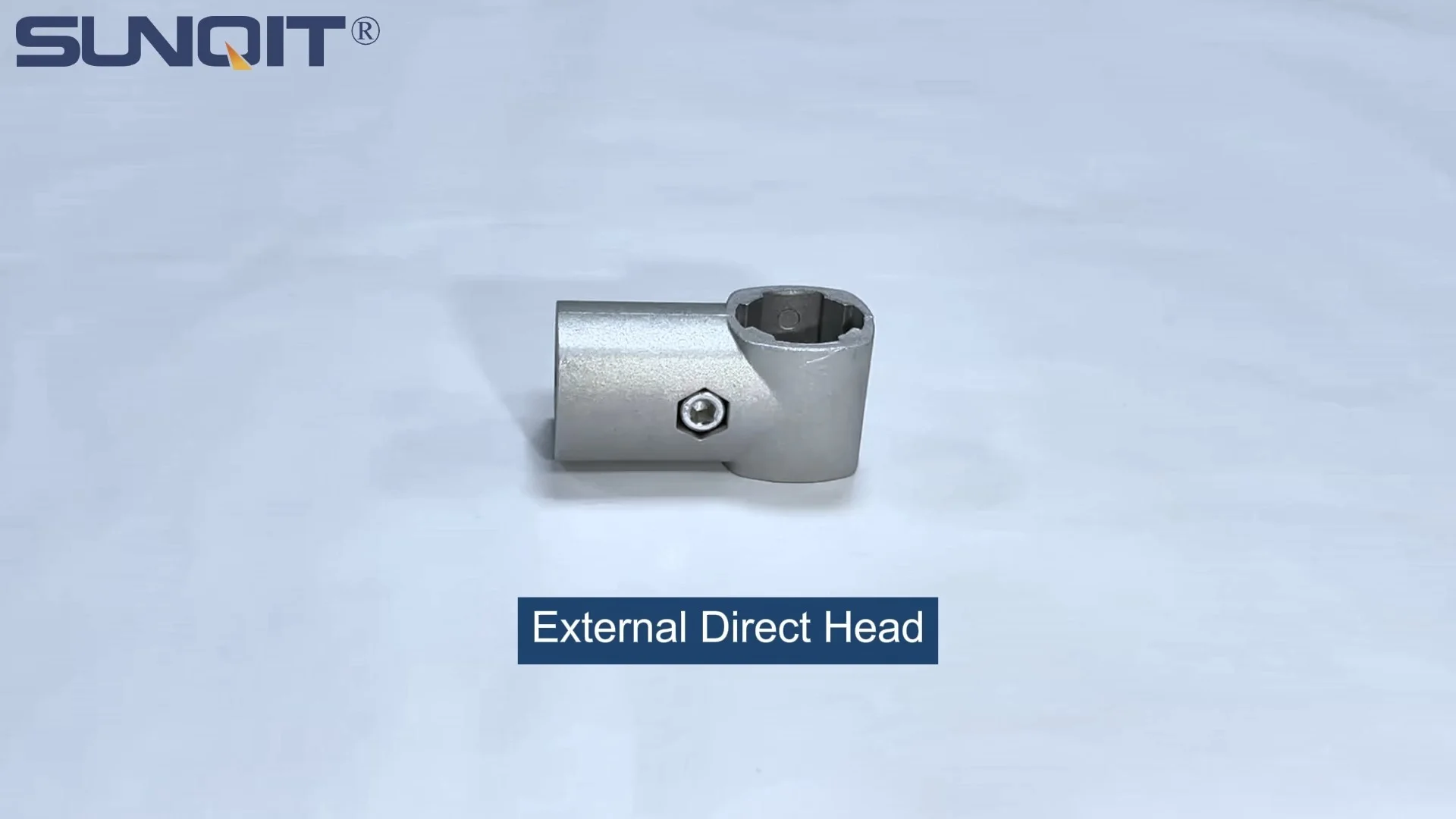
Aluminum 2 way pipe joint for 28mm aluminum pipe connection in 2 direction.
If you've ever spent an afternoon rearranging your home workshop, you know the struggle: store-bought shelves that don't quite fit your tools, workbenches that are either too tall or too short, and carts that wobble under the weight of your materials. It's enough to make you want to throw in the towel and accept that "good enough" is the best you can do. But what if there was a solution that let you build exactly what you need, when you need it—without breaking the bank or requiring a degree in engineering? Enter two way aluminum pipe joints. These unassuming little connectors are quietly revolutionizing home workshops, turning frustrated DIYers into confident creators. Let's dive into why they're worth adding to your toolkit, how they work, and how you can use them to transform your space.
What Are Two Way Aluminum Pipe Joints, Anyway?
Let's start with the basics. Two way aluminum pipe joints are simple, sturdy connectors designed to link aluminum pipes at (you guessed it) two different angles—usually 90 degrees or straight, though some models offer flexibility for other angles too. They're made from lightweight, corrosion-resistant aluminum, which means they won't rust if you spill a little oil or water on them, and they won't add unnecessary heft to your projects. Think of them as the "Swiss Army knife" of workshop hardware: small,, and surprisingly powerful.
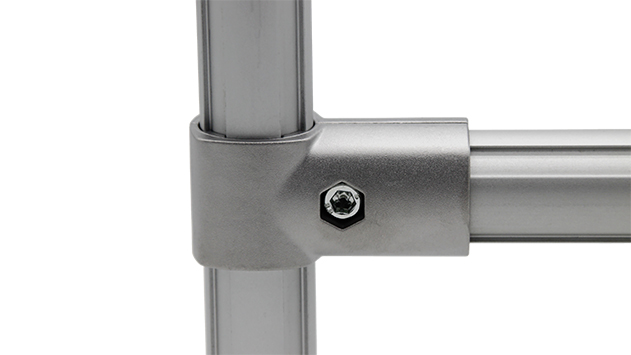
What sets them apart from other joints (like plastic or steel ones)? For starters, aluminum is a dream to work with. It's light enough that you can carry a bundle of pipes and joints to your workshop without straining your back, but strong enough to support heavy tools, lumber, or machinery. Unlike steel, it doesn't require painting or sealing to prevent rust, and unlike plastic, it won't crack or warp under heat or pressure. And the joints themselves? They're designed for a snug, secure fit—twist them onto the ends of aluminum pipes, and they lock in place with minimal effort. No glue, no welding, no complicated fasteners. Just a simple, satisfying "click" that tells you your structure is stable.
But the real magic? Versatility. Two way joints aren't limited to just two pipes. Pair them with other connectors (like three-way or four-way joints, which we'll touch on later) and suddenly you're building complex structures: L-shaped workbenches, tiered shelving, even mobile carts. And because they're modular, you can take them apart and rebuild whenever your needs change. Need a longer workbench? Add a few more aluminum pipes and joints. Want to turn that static shelf into a rolling cart? Swap out the fixed feet for caster wheels. It's like having a workshop that grows with you.
Why They're a Game-Changer for Home Workshops
Let's talk about the two things every home workshop owner cares about: cost and functionality. Two way aluminum pipe joints deliver on both. Let's break it down.
Affordability: Building custom furniture or storage can feel like a luxury, but two way aluminum pipe joints flip that script. A basic kit—including a few feet of aluminum pipe, a handful of joints, and some accessories—costs a fraction of what you'd pay for a pre-made workbench or heavy-duty shelf. And because they're durable, you won't be replacing them every year. I recently helped a friend build a 6-foot workbench using aluminum pipe, two way joints, and a plywood top. Total cost? Under $150. The comparable store-bought version? Over $300, and it didn't have the custom height he needed. That's a savings of over 50% for a better product.
Functionality: Home workshops are all about efficiency. You need tools at arm's reach, materials stored where they're easy to grab, and surfaces that adapt to different projects. Two way aluminum pipe joints excel here. For example, I built a tool rack last month using 1-inch aluminum pipes and two way joints. I mounted it on the wall, angling the pipes to hold my drills, saws, and sanders. But when I started working on a bigger project that required more floor space, I simply unclipped the joints, took the rack down, and stored it flat until I needed it again. Try doing that with a welded steel rack!
They're also surprisingly strong. I've seen home woodworkers use them to build workbenches that support 300+ pounds of clamps, lumber, and power tools without so much as a creak. And because the aluminum pipes are hollow, they're easy to cut to length with a simple pipe cutter—no need for a miter saw or fancy equipment. If you can measure twice and cut once, you can build with these joints.
From Idea to Reality: Projects You Can Build
The best part about two way aluminum pipe joints is that they're only limited by your imagination. But to spark some ideas, let's look at three common workshop projects and how these joints make them easier, cheaper, and more customizable.
| Project | Key Components | Why It Works |
|---|---|---|
| Custom Workbench | Aluminum pipe (2" diameter), two way joints, plywood top, aluminum profile accessories (like corner brackets) | Adjust height by cutting pipes to your ideal length; add shelves below using extra joints; disassemble if you move. |
| Mobile Tool Cart | Aluminum pipe (1.5" diameter), two way joints, caster wheels, plywood shelf | Roll tools to where you need them; lock casters for stability; add dividers with extra joints to separate drills, screws, etc. |
| Wall-Mounted Tool Rack | Aluminum pipe (1" diameter), two way joints, wall-mount brackets, aluminum profile accessories (like hooks) | Angle pipes to hold tools at the perfect angle; add/remove pipes as your tool collection grows; easy to reposition. |
Let's zoom in on the mobile tool cart for a second. I built one last year, and it's become my workshop MVP. Here's how it came together: I cut four 30-inch aluminum pipes for the legs, connected them at the top with two way joints to form a square frame, and added a second square frame 18 inches below for the shelf. Then I screwed caster wheels (with locks!) to the bottom of the legs. Total build time? About an hour. Now, instead of hauling my drill, screws, and measuring tape across the workshop every time I start a project, I just roll the cart over. And when I need extra floor space, I tuck it in the corner—it's narrow enough to fit between my workbench and the wall.
Pro Tip:
When building with two way joints, always test the fit before finalizing. Aluminum pipes can vary slightly in diameter, so if a joint feels too loose, wrap a thin strip of electrical tape around the pipe end before inserting it. It'll add just enough friction to keep everything tight.

How to Get Started: A Beginner's Guide
You don't need to be a pro to start using two way aluminum pipe joints. In fact, the hardest part is deciding what to build first. Here's a step-by-step guide to your first project:
1. Plan Your Project: Grab a notebook and sketch what you want to build. Measure your space (width, height, depth) and note any constraints (e.g., "must fit through 32" door"). For a workbench, for example, you might want it 6 feet long, 2 feet deep, and 36 inches tall (standard counter height).
2. Gather Materials: You'll need aluminum pipe (cut to your measurements), two way joints (one for each connection point), and any extras like caster wheels or plywood. Most hardware stores will cut aluminum pipe for you if you don't have a pipe cutter.
3. Assemble: Start with the frame. insert one end of a pipe into a joint, twist gently to lock it in place, then attach the next pipe. Work your way around until the basic structure is up. Don't tighten everything all the way at first—leave a little wiggle room to adjust if things are off-kilter. Once it's square and level, give each joint a final twist to secure.
4. Add Extras: Screw on caster wheels, attach plywood tops with aluminum profile accessories (like corner brackets), or add hooks for tools. This is where you make it your own!
I remember my first project: a simple shelf for my drill bits and screws. I measured wrong (oops) and the first shelf was lopsided. But because the joints are so easy to adjust, I just unscrewed them, trimmed an inch off one pipe, and tried again. Ten minutes later, it was perfect. Mistakes happen, but with these joints, they're easy to fix.

Why Aluminum Pipe? (Spoiler: It's Not Just About the Joints)
You might be wondering: Why aluminum pipe specifically? Couldn't I use PVC or steel? PVC is cheaper, but it's flimsy—great for a temporary project, but not for something that needs to hold 50 pounds of tools. Steel is strong, but it's heavy and prone to rust. Aluminum hits the sweet spot: strong, lightweight, and rust-resistant. Plus, it looks clean and modern—no need to paint it unless you want to. I've had aluminum pipe shelves in my workshop for three years, and they still look as good as the day I built them, even with sawdust and oil splatters.
And let's not forget the accessories. Aluminum profile accessories—things like corner brackets, hooks, and shelf dividers—are designed to work seamlessly with aluminum pipe and two way joints. Need to hang a level on your workbench? Screw a hook into an aluminum profile accessory and clip it to the frame. Want to add a power strip under your shelf? Use a bracket to mount it securely. These little extras turn a basic structure into a fully functional workspace.
Real People, Real Workshops: Success Stories
Don't just take my word for it. Let's hear from a few fellow DIYers who've transformed their workshops with two way aluminum pipe joints.
Mark, a woodworker in Ohio: "I used to have a workbench that was too low—my back would ache after an hour of sanding. I built a new one with aluminum pipe and two way joints, set it at 40 inches (my ideal height), and added a shelf below for my clamps. Now I can work for hours without pain, and the shelf keeps my clamps within arm's reach. Best $120 I ever spent."
Jamie, a jewelry maker in Oregon: "My workshop is tiny—just a corner of my garage. I needed storage for beads, wires, and tools, but regular shelves took up too much space. I built wall-mounted racks with aluminum pipe and two way joints, angled them to face me, and now I can see all my supplies at a glance. When I need more space, I just take them down. It's like having invisible storage!"
Carlos, a car enthusiast in Texas: "I rebuild engines, and I needed a cart to move parts around. Store-bought carts were either too flimsy or cost $300+. I built one with aluminum pipe, two way joints, and heavy-duty caster wheels. It holds my engine hoist, bolts, and wrenches, and the casters roll smoothly even on concrete. My friends joke that I should start selling them!"
Maintenance: Keeping Your Joints (and Pipes) in Top Shape
One of the best things about two way aluminum pipe joints is that they're low-maintenance. Wipe them down with a damp cloth if they get dusty, and if a joint starts to feel loose, give it a gentle twist to tighten. The aluminum pipes themselves can be cleaned with soap and water—no special cleaners needed. If you live in a humid area, you might notice a tiny bit of oxidation (a white, powdery film) on the pipes over time. Just scrub it off with a soft brush and it'll look good as new.
When should you replace a joint? If it cracks (unlikely, but possible if you overload it) or if the threading wears out and it won't stay tight. But with normal use, they should last for years. I've had the same set of joints on my workbench for five years, and they're still going strong.
Final Thoughts: Your Workshop, Your Rules
At the end of the day, your workshop should work for you—not the other way around. Two way aluminum pipe joints give you the freedom to build, adjust, and rebuild until you have a space that fits your tools, your projects, and your style. They're affordable, easy to use, and surprisingly versatile. Whether you're a seasoned woodworker or just starting out with a few hand tools, they're the kind of solution that makes you think, "Why didn't I try this sooner?"
So, what are you waiting for? Grab a few aluminum pipes, a pack of two way joints, and start sketching. Your dream workshop isn't as far away as you think—and it might be cheaper than you ever imagined.