- Company Articles
- Products and Technology
- Product knowledge
- Two Way Aluminum Pipe Joints for Mechanical Manufacturing: Enhancing Precision and Stability

Two Way Aluminum Pipe Joints for Mechanical Manufacturing: Enhancing Precision and Stability
Related Product
Two Way Aluminum Pipe Joint
Aluminum 2 way pipe joint for 28mm aluminum pipe connection in 2 direction.
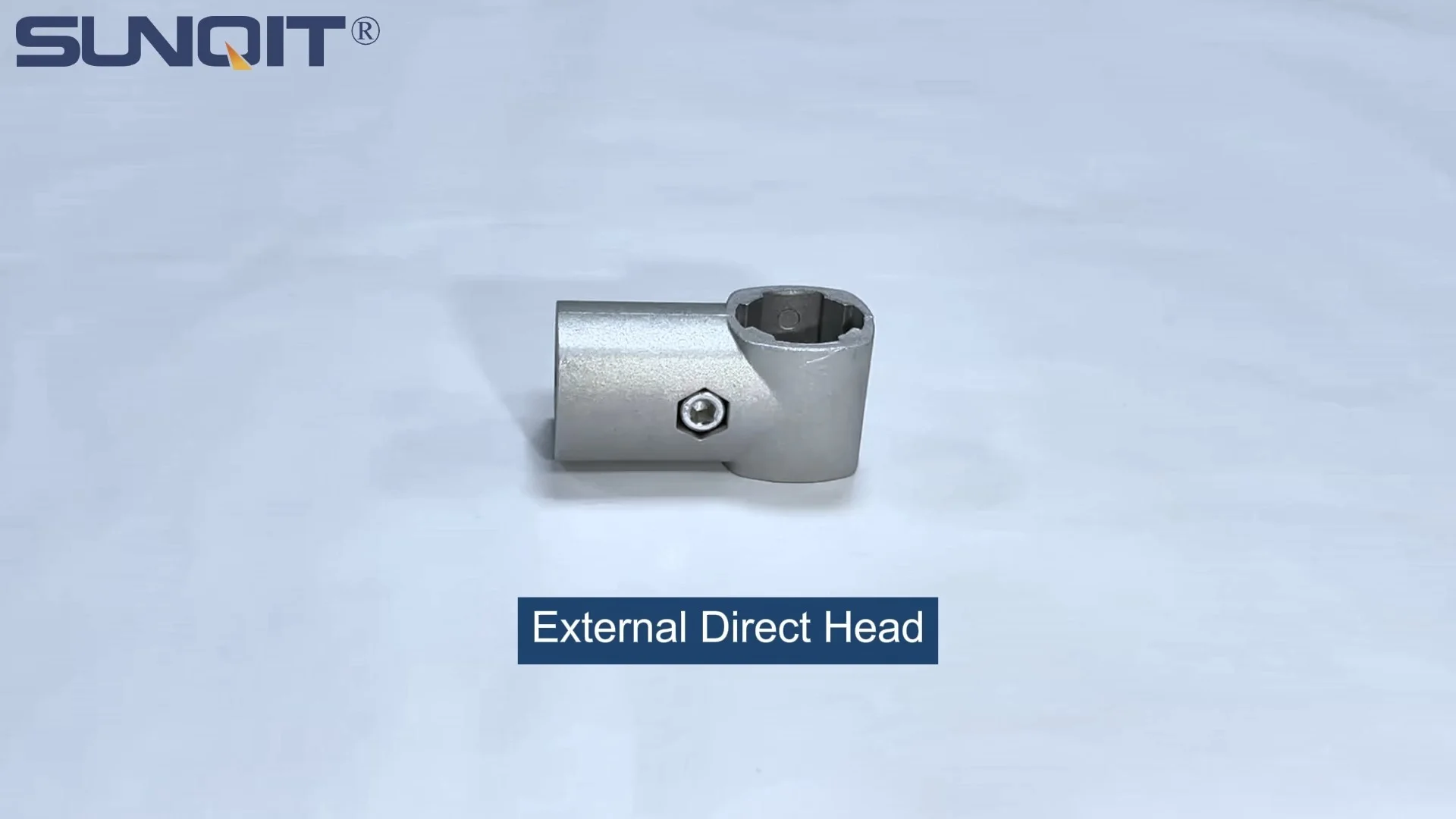
In the bustling world of mechanical manufacturing, where every component, no matter how small, plays a role in the grand scheme of production, there's a quiet hero that often goes unnoticed: the two way aluminum pipe joint. These unassuming connectors are the glue that holds together everything from assembly line workbenches to intricate roller track systems, ensuring that operations run smoothly, efficiently, and with the precision that modern manufacturing demands. While headlines might focus on high-tech machinery or cutting-edge automation, it's the reliability of these joints that forms the backbone of a lean, productive workspace. Today, we're diving deep into the world of two way aluminum pipe joints—exploring their design, their impact on precision and stability, and why they've become indispensable in factories, workshops, and production facilities worldwide.
What Are Two Way Aluminum Pipe Joints?
At their core, two way aluminum pipe joints are engineered connectors designed to link two aluminum pipes at a fixed or adjustable angle, creating stable, modular structures. Unlike rigid, one-size-fits-all solutions, these joints are built for flexibility, allowing manufacturers to customize layouts, adapt to changing production needs, and reduce downtime during reconfigurations. But what truly sets them apart is their material: aluminum. Lightweight yet surprisingly strong, aluminum offers a unique blend of durability and maneuverability that makes it ideal for dynamic manufacturing environments. When paired with aluminum lean pipe —a specialized tubing designed for lean manufacturing systems—these joints become even more powerful, enabling the creation of everything from workbenches to material racks with minimal effort.
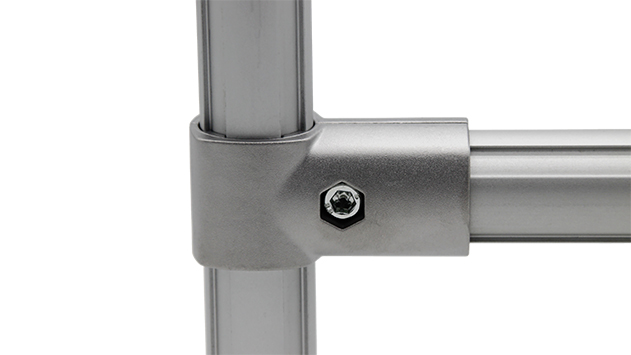
The design of two way aluminum pipe joints is a study in simplicity and functionality. Most feature a hollow, cylindrical body with internal threading or clamping mechanisms that grip the aluminum pipe securely. Some models include swivel or rotation features, allowing for slight angle adjustments (though "two way" typically refers to a fixed 90-degree or straight connection), while others prioritize rigidity for heavy-load applications. What unites them all is their focus on precision: every groove, thread, and contact point is engineered to ensure a tight, wobble-free fit, which is critical when assembling structures that need to withstand constant use, vibration, and weight.
Material Science: Why Aluminum?
Why aluminum, and not steel, plastic, or another material? The answer lies in aluminum's unique properties. For starters, it's significantly lighter than steel, which reduces the overall weight of structures like workbenches or roller tracks. This not only makes installation easier (no need for heavy lifting equipment) but also reduces strain on floors and support structures, extending their lifespan. Aluminum is also naturally resistant to corrosion, a key advantage in environments where moisture, oils, or chemicals are present—common in automotive, food processing, or pharmaceutical manufacturing. Unlike steel, which can rust over time, aluminum forms a protective oxide layer that prevents degradation, ensuring joints remain functional for years with minimal maintenance.
Another critical factor is aluminum's machinability. It can be precision-machined to tight tolerances, ensuring that joints fit together with minimal play. This is essential for maintaining alignment in systems like roller tracks, where even a fraction of a millimeter of misalignment can cause jams or product damage. Finally, aluminum is recyclable, aligning with the sustainability goals of modern lean systems. When a structure is no longer needed, the pipes and joints can be disassembled, recycled, or repurposed—reducing waste and lowering long-term costs.
Precision Engineering: The Core of Two Way Joints
In manufacturing, precision isn't just a buzzword—it's a necessity. A misaligned workbench can lead to inaccurate measurements, a wobbly roller track can slow down material flow, and a loose joint can compromise worker safety. Two way aluminum pipe joints address these concerns by prioritizing precision at every stage of their design and production.
Tolerance Control: The Art of the "Perfect Fit"
One of the most impressive aspects of these joints is their tight tolerance control. Manufacturers of high-quality two way aluminum joints often specify tolerances as low as ±0.05mm for critical dimensions—meaning the difference between the intended size and the actual size of the joint is smaller than the width of a human hair. This level of precision ensures that when two pipes are connected, there's no gap, no play, and no risk of the joint loosening over time. For example, in a workbench used for assembling small electronic components, this tight fit ensures that the surface remains level, preventing tools or parts from sliding and reducing the risk of errors. In roller track systems, it ensures that rollers align perfectly, allowing products to glide smoothly from one station to the next without getting stuck or tipping.
Tolerance control also extends to the joint's internal components. Threaded joints, for instance, use standardized pitch sizes to ensure compatibility with aluminum lean pipes from different suppliers. Clamping-style joints feature rubberized or textured grips that conform to the pipe's surface, creating a friction-based seal that resists slippage even under vibration. These details might seem minor, but they add up to a system that you can trust to stay aligned, even after months of heavy use.
Alignment Features: Guiding Pipes to Perfection
Beyond tight tolerances, many two way aluminum pipe joints include built-in alignment features to simplify assembly. Some have guide pins or notches that help users position pipes correctly before tightening, reducing the risk of cross-threading or misalignment. Others use color-coded markers or size indicators to ensure that the right joint is paired with the right pipe—critical in facilities where multiple pipe diameters are in use. These features not only save time during setup but also minimize human error, ensuring that even less experienced workers can assemble stable structures.
Stability Under Pressure: How Joints Ensure Operational Reliability
Precision is about alignment; stability is about staying aligned, even when the going gets tough. In a manufacturing environment, structures like workbenches and roller tracks are subjected to constant stress: tools are dropped, heavy parts are placed and removed, and machinery vibrates. A joint that fails under pressure can bring production to a halt, damage materials, or even cause accidents. Two way aluminum pipe joints are engineered to withstand these challenges, thanks to their robust design and thoughtful engineering.
Load Distribution: Spreading the Weight
A key factor in stability is how well a joint distributes weight. Two way aluminum joints are designed to transfer loads evenly from one pipe to another, preventing stress concentrations that could weaken the structure over time. For example, a joint connecting a vertical support pipe to a horizontal workbench frame will spread the weight of tools, parts, and workers across both pipes, rather than focusing it on a single point. This even distribution not only increases the overall load capacity of the structure but also reduces wear on individual components, extending their lifespan.
To illustrate, consider a typical workbench used in automotive assembly. It might support a 50kg tool chest, a 20kg laptop, and a worker leaning on it throughout the day—easily 150kg or more of combined weight. A poorly designed joint might bend or loosen under this load, causing the bench to wobble or even collapse. A high-quality two way aluminum joint, however, will distribute this weight across the frame, ensuring the bench remains stable and secure for years.
Resistance to Wear and Tear
Manufacturing environments are harsh. Dust, debris, and constant movement can take a toll on even the toughest components. Two way aluminum pipe joints combat this with features like anodized coatings—electrochemical treatments that harden the aluminum surface, making it more resistant to scratches, corrosion, and abrasion. Some joints also include replaceable wear pads or bushings, which can be swapped out when they show signs of damage, rather than replacing the entire joint. This not only reduces maintenance costs but also ensures that the joint maintains its grip and stability over time.

Real-World Applications: From Workbenches to Roller Tracks
To truly understand the impact of two way aluminum pipe joints, let's look at their real-world applications. These connectors aren't just theoretical—they're hard at work in factories, warehouses, and workshops every day, enabling the systems that keep production moving. Here are a few key areas where they shine:
Workbench Assembly: The Heart of the Workshop
The workbench is the most basic, yet most essential, piece of equipment in any manufacturing facility. It's where parts are assembled, tools are stored, and workers spend hours each day focused on their tasks. A stable, well-designed workbench can boost productivity, reduce fatigue, and even improve product quality. Two way aluminum pipe joints make it easy to build custom workbenches tailored to specific needs: adjustable heights for ergonomic comfort, built-in shelves for tool storage, or integrated lighting for precision tasks. By connecting aluminum lean pipes with two way joints, manufacturers can create a sturdy, lightweight workbench that can be disassembled and reconfigured if production needs change—no welding or specialized tools required.
Take, for example, a small electronics manufacturer that produces circuit boards. Their workbenches need to be static-free (to protect sensitive components), level (to ensure accurate soldering), and flexible (to accommodate different board sizes). Using two way aluminum joints, they can assemble a frame with ESD (electrostatic discharge) worktop, add adjustable shelves for component bins, and even attach a small roller track along the edge to feed PCBs into the next workstation. If they switch to a larger board size next month, they can simply loosen the joints, add a few extra pipes, and tighten them back up—done in an hour, with no downtime.
Roller Track Systems: Smooth Material Flow
In lean manufacturing, efficient material flow is everything. Parts need to move from storage to assembly to shipping quickly, with minimal manual handling. That's where roller track systems come in—and two way aluminum pipe joints are critical to their performance. Roller tracks use a series of wheels or rollers mounted on a frame to allow gravity-fed or powered movement of materials, from small bins to large pallets. The frame itself is often built using aluminum lean pipes and two way joints, which provide the stability needed to keep the track level and aligned. Even a slight dip or curve in the track can cause jams, slow down production, or damage products, so the precision of the joints is non-negotiable.
Imagine a warehouse that ships 500 orders per day. Their roller track system connects the picking area to the packing station, with boxes sliding down the track to be sealed and labeled. If the track is misaligned by just a few millimeters, boxes might get stuck, requiring workers to stop and unjam them—wasting time and increasing frustration. With two way aluminum joints, the track frame is built with tight tolerances, ensuring that every section is level and straight. The joints also absorb vibration from the rolling boxes, preventing the track from loosening over time. The result? A smooth, reliable flow that keeps orders moving and workers focused on more valuable tasks.
Lean System Integration: Building for Efficiency
At the heart of many modern manufacturing facilities is the lean system —a philosophy focused on eliminating waste, streamlining processes, and continuous improvement. Two way aluminum pipe joints are a perfect fit for lean systems because they support the core principles of flexibility and adaptability. Unlike fixed, permanent structures, which can become obsolete as production needs change, joint-and-pipe systems can be modified on the fly. Need to add a new workbench? Grab some pipes and joints. Redesign the assembly line to reduce bottlenecks? Disassemble the old layout and rebuild. This agility allows manufacturers to respond quickly to market demands, test new processes, and optimize workflows without investing in entirely new equipment.
A large automotive plant, for instance, might use lean systems to assemble car doors. The line includes workbenches for installing handles, roller tracks for moving doors between stations, and material racks for storing components. Using two way aluminum joints, the plant can adjust the height of the workbenches to accommodate workers of different sizes, reposition the roller tracks to shorten the distance between stations, or add extra racks during peak production seasons. All of this is done with minimal cost and downtime, keeping the plant running lean and efficient.

Complementary Components: Aluminum Profile Accessories and Beyond
Two way aluminum pipe joints don't work in isolation—they're part of a larger ecosystem of components designed to enhance their functionality. Aluminum profile accessories , in particular, play a key role in turning basic pipe-and-joint structures into fully functional systems. These accessories include everything from end caps that protect pipe ends and prevent snags, to brackets that attach shelves or tool holders, to casters that make workbenches mobile. By combining two way joints with the right accessories, manufacturers can customize their setups to meet almost any need.
For example, adding a set of locking casters to a workbench frame (using specialized caster mounting brackets) transforms it into a mobile workstation that can be rolled to different parts of the factory as needed. Attaching a tool rail with hooks (using profile brackets) turns a plain pipe frame into a storage solution for wrenches, screwdrivers, and other hand tools. Even small touches, like rubberized feet (to reduce vibration) or cable management clips (to keep cords organized), can make a big difference in usability—all made possible by the compatibility of aluminum profile accessories with two way joints.
| Accessory Type | Function | Example Use Case |
|---|---|---|
| End Caps | Seal pipe ends to prevent dust, debris, or injuries from sharp edges | Workbench legs, open pipe ends on roller track frames |
| Angle Brackets | Reinforce joints or attach secondary components (shelves, panels) | Adding a wooden worktop to an aluminum frame |
| Caster Mounts | Connect casters to pipe frames for mobility | Mobile turnover trolleys, portable workbenches |
| Cable Clips | Secure power cords, air hoses, or data cables to the frame | Assembly workbenches with electric tools |
Why Two Way Aluminum Joints Outperform the Competition
With so many connector options on the market—from plastic clips to stainless steel welds—why have two way aluminum pipe joints become the go-to choice for manufacturers? Let's compare them to two common alternatives to see the difference:
vs. Plastic Connectors
Plastic connectors are cheap and lightweight, but they lack the strength and durability of aluminum. They're prone to cracking under heavy loads, warping in high temperatures, and wearing down quickly with repeated use. In a manufacturing environment where stability is critical, plastic joints simply can't keep up. Aluminum joints, on the other hand, maintain their shape and grip even under stress, making them a better long-term investment despite their slightly higher upfront cost.
vs. Welded Steel Structures
Welded steel is incredibly strong, but it's also heavy, expensive, and permanent. Once a steel frame is welded, it can't be easily modified—if you need to change the height of a workbench or reconfigure a roller track, you'll need to cut the welds, grind down the metal, and start over. This is time-consuming, costly, and disruptive to production. Aluminum joints, by contrast, are modular and reusable. Loosen a few bolts, adjust the pipes, and tighten them back up—no welding, no grinding, no hassle. For lean systems that prioritize adaptability, this flexibility is a game-changer.
Installation and Maintenance: Keeping Joints in Top Shape
While two way aluminum pipe joints are designed for ease of use, proper installation and maintenance are key to maximizing their lifespan and performance. Here are a few best practices to keep in mind:
Installation Tips: Always start with clean pipes—dust, oil, or debris can prevent the joint from gripping properly. Use a torque wrench to tighten threaded joints to the manufacturer's recommended setting (over-tightening can strip threads; under-tightening can cause wobbling). For clamping-style joints, ensure the pipe is fully seated in the joint before tightening the clamp. If aligning multiple joints (like in a roller track), use a level to check for straightness as you go—correcting misalignment early saves time later.
Maintenance Guidelines: Inspect joints regularly for signs of wear, like cracks, bent threads, or loose clamps. Tighten any joints that have loosened due to vibration. Clean joints with a mild detergent and soft cloth to remove grease or grime—avoid abrasive cleaners, which can damage the aluminum finish. If a joint becomes damaged (e.g., a stripped thread), replace it immediately—don't try to "make do" with a faulty connector, as it could compromise the entire structure.
The Future of Two Way Aluminum Pipe Joints
As manufacturing continues to evolve—with trends like Industry 4.0, automation, and sustainability driving change—two way aluminum pipe joints are evolving too. Manufacturers are experimenting with smart joints embedded with sensors that monitor tightness or load, alerting workers when a joint needs adjustment. Others are exploring 3D-printed aluminum joints for custom, one-off applications, allowing for even more precise tolerances and unique designs. And as sustainability becomes a bigger priority, we're seeing more recycled aluminum in joint production, reducing the environmental footprint without sacrificing performance.
Perhaps most exciting is the role these joints will play in small-batch and on-demand manufacturing. As more companies move away from mass production and toward customization, the flexibility of aluminum pipe systems will become even more valuable. Imagine a furniture factory that can design a new chair, assemble a prototype workbench with two way joints, test the production line, and start manufacturing—all in a week. That's the power of modular, adaptable systems, and two way aluminum pipe joints are at the center of it.
Conclusion: The Unsung Heroes of Manufacturing
In the grand tapestry of mechanical manufacturing, two way aluminum pipe joints might not be the most glamorous thread, but they're one of the most essential. They're the reason workbenches stay level, roller tracks stay aligned, and lean systems stay flexible. They're the quiet innovators that allow manufacturers to adapt, grow, and thrive in a fast-paced, ever-changing industry. Whether you're building a small workshop or a sprawling production facility, the precision and stability of these joints will make or break your operations—and that's a responsibility they take seriously.
So the next time you walk through a factory, take a moment to look at the structures around you: the workbenches where workers assemble products, the roller tracks where materials glide smoothly, the racks that hold inventory. Chances are, two way aluminum pipe joints are holding them all together, doing their job quietly, reliably, and with the precision that modern manufacturing demands. They may not make headlines, but in the world of making things—of turning ideas into products—they're nothing short of indispensable.