- Company Articles
- Products and Technology
- Product knowledge
- Two Way Aluminum Pipe Joints for Small Parts Storage: Organizing with Flexibility

Two Way Aluminum Pipe Joints for Small Parts Storage: Organizing with Flexibility
Related Product
Two Way Aluminum Pipe Joint
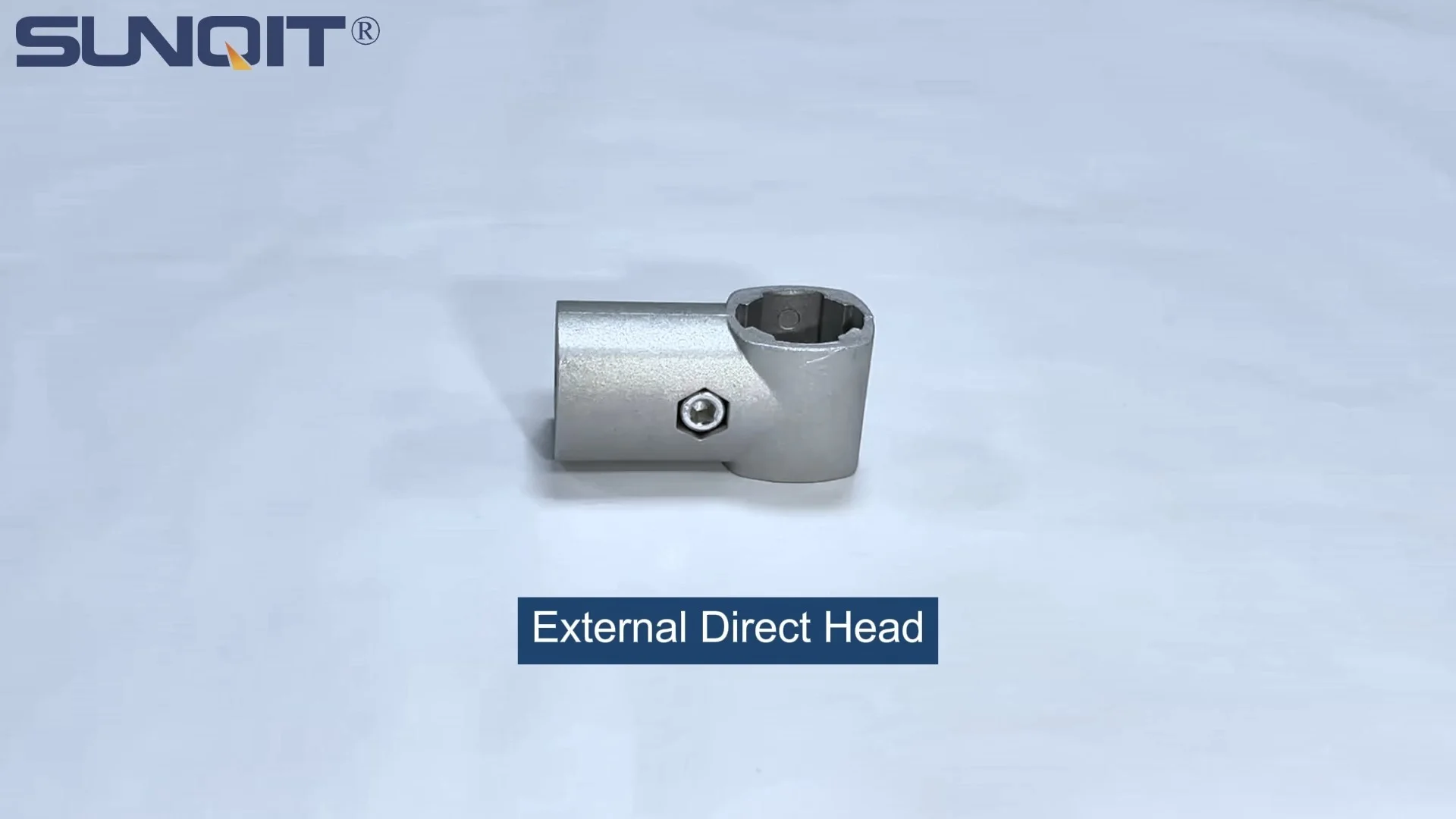
Aluminum 2 way pipe joint for 28mm aluminum pipe connection in 2 direction.
Turn chaos into order—one joint at a time
It's 9 AM on a Tuesday, and Maria, the lead technician at a small electronics repair shop, is already feeling the stress. She needs a 2mm screw for a customer's phone, but the parts bin is a jumble—screws mixed with washers, nuts rolling into corners, and that one elusive connector she swears she had yesterday now nowhere to be found. By the time she tracks down the screw, 15 minutes have slipped by, and the customer is calling to check on their order. Sound familiar?
If you've ever run a workshop, managed a warehouse, or even just tried to keep a home garage organized, you know the struggle. Small parts—whether they're screws, resistors, jewelry findings, or craft supplies—have a way of turning even the tidiest space into a disorganized mess. And disorganization doesn't just waste time; it drains morale, slows productivity, and can even lead to costly mistakes (like using the wrong part because you couldn't tell them apart).
This is where two way aluminum pipe joints step in—not as some fancy industrial gadget, but as the unsung hero of organization. When paired with aluminum profile, aluminum pipe accessories, and a little creativity, they transform chaotic workspaces into streamlined, efficient zones where every part has a place, and every second stays focused on what matters. Let's dive into how these simple yet powerful tools can revolutionize your small parts storage.
What Are Two Way Aluminum Pipe Joints, Anyway?
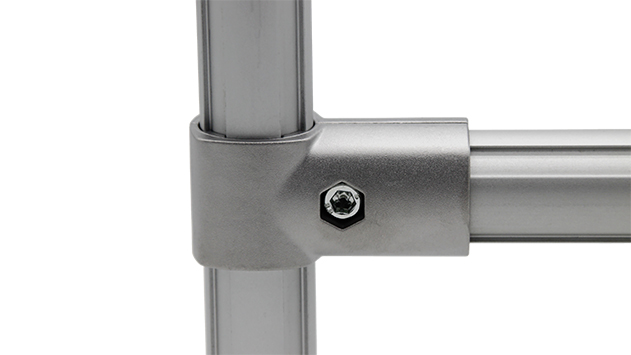
Let's start with the basics. Two way aluminum pipe joints are exactly what they sound like: connectors designed to join two aluminum pipes or profiles at a 90-degree angle (though some variants can handle other angles, too). Made from lightweight yet durable aluminum, they're built to be strong enough for daily use but easy enough for anyone to assemble—no welding, no specialized tools, just a simple wrench or hex key to tighten them down.
Think of them as the "Lego blocks" of industrial organization. Each joint has two openings (hence "two way") that snugly fit over aluminum lean pipe or aluminum profile, with internal threads or clamping mechanisms that lock the pipes in place. This modular design is key: instead of being stuck with a one-size-fits-all storage system, you can mix and match joints, pipes, and accessories to create exactly what you need—whether that's a small desktop bin holder or a full wall of shelving.
I recently spoke with Jake, a warehouse manager at a local hardware distributor, who summed it up perfectly: "Before, we had these big, bulky metal shelves that we bought pre-made. They worked, but if we needed to add a shelf or move them, it was a two-person job with a forklift. Now, with two way joints and aluminum profile, I can build a custom rack in an hour by myself. Last month, we rearranged the entire small parts section in a morning—no hassle, no extra labor costs."
Why Aluminum? The Material That Makes It All Work
You might be wondering: why aluminum? Why not steel or plastic? Great question. Aluminum checks all the boxes for small parts storage:
- Lightweight but strong: Aluminum is about 1/3 the weight of steel, so even a fully loaded shelf is easy to move (especially if you add caster wheels, another popular accessory). But don't let the lightness fool you—it's strong enough to hold bins of screws, nuts, or even small power tools without bending or warping.
- Rust and corrosion resistant: Unlike steel, aluminum doesn't rust, which is a big deal if your workspace is humid (like a garage) or deals with liquids (like a lab or auto shop). Even if it gets wet, it just forms a thin, protective oxide layer that keeps it looking new.
- Clean and professional look: Let's be honest—appearance matters. Aluminum has a sleek, modern finish that makes even a workshop feel more put-together. It's easy to wipe clean, too, so oil stains or dust wipe right off.
- Cost-effective: While aluminum might cost a bit more upfront than plastic, it lasts exponentially longer. And since the system is modular, you won't waste money on pre-made units that don't fit your space. Over time, it's a far better investment.
Plus, aluminum profile (the rigid, T-slot aluminum extrusion used in many systems) adds another layer of versatility. The T-slots let you slide in accessories like shelf brackets, bin dividers, or even roller track—so your storage system can do more than just hold parts; it can help move them, too.
The Benefits of Two Way Aluminum Pipe Joints for Small Parts Storage
So, what makes these joints such a game-changer for small parts? Let's break down the benefits with real-world examples:
1. Flexibility: Adapt as Your Needs Change
Small parts storage isn't static. Maybe this month you're stocking more capacitors for a big order; next month, you need space for resistors. With traditional storage, you'd either cram the new parts in or buy a whole new shelf. With two way joints, you just adjust the existing system.
Take Lisa, who runs a custom jewelry studio. "I work with hundreds of tiny beads, clasps, and wires, and my inventory changes seasonally," she told me. "In the summer, I need more space for beach-themed beads; in winter, it's all about holiday colors. With my aluminum setup, I can move shelves up or down, add dividers, or even take apart a section and rebuild it in 10 minutes. It's like having a storage system that grows with my business."
2. Efficiency: Cut Search Time (and Stress)
When every part has a designated spot, you spend less time hunting and more time working. A well-organized system with clear labels (paired with see-through bins, another great accessory) means you can grab what you need in seconds.
Jake, the warehouse manager I mentioned earlier, saw this firsthand: "Before we switched to aluminum, our pickers were spending 20-30 minutes a day just looking for small parts. Now, with each bin labeled and placed on a flow rack (made with two way joints and roller track), they can scan the labels, slide the bin out, and grab the part—total time, maybe 30 seconds. Over a week, that's hours saved."
3. Space-Saving: Maximize Every Inch
Small workshops and home garages rarely have extra space to spare. Two way joints let you build vertically, using wall space that would otherwise go unused. For example, a wall-mounted rack made with aluminum profile and two way joints can hold dozens of bins without taking up floor space—perfect for tight quarters.
I visited a friend's home woodshop last year, and he'd built a wall of storage using 2020 aluminum profile (a narrow, lightweight profile) and two way joints. "I used to have bins stacked on the floor, and I could barely walk," he laughed. "Now, everything's up on the wall, and I can actually park my car in the garage again. Plus, it looks so much neater—my wife even let me keep it up!"
4. Durability: Built to Last (Even in Tough Environments)
Aluminum's resistance to rust and corrosion makes these joints ideal for environments where moisture or chemicals are present. A lab I worked with once used them to build storage for small glass vials—even with occasional spills, the system stayed strong and clean. And since the joints lock tightly, there's no wobbling or sagging, even with heavy loads.

Common Applications of Two Way Aluminum Pipe Joints in Small Parts Storage
| Application | Key Components Needed | Best For | Top Benefit |
|---|---|---|---|
| Desktop Bin Organizer | Aluminum lean pipe (16mm-28mm), two way joints, small shelf brackets, plastic bins | Small parts (screws, nails, jewelry findings) at workbenches | Keeps parts within arm's reach; easy to reconfigure for different projects |
| Wall-Mounted Shelving | Aluminum profile (2020 or 3030 series), two way joints, heavy-duty shelf brackets, end caps | Bulk storage of small parts in warehouses or garages | Frees up floor space; customizable height for different bin sizes |
| Mobile Parts Cart | Aluminum lean pipe, two way joints, caster wheels, roller track, bins | Transporting parts between workstations (e.g., in manufacturing or repair shops) | Moves parts directly to where they're needed; roller track lets bins slide smoothly |
| Flow Rack for Bins | Aluminum profile, two way joints, roller track, bin stops, side guides | First-in, first-out (FIFO) storage for high-turnover parts (e.g., in electronics assembly) | Bins slide forward as they're emptied, ensuring easy access and reducing waste |

How to Build Your Own Small Parts Storage System (Step-by-Step)
Ready to dive in? Building a basic storage system with two way aluminum pipe joints is easier than you think. Here's a simple guide to get started:
Step 1: Plan Your Space and Needs
Start by measuring the area where you want to install the system. Will it be on a desk? Against a wall? On wheels? Then, list the parts you need to store: how many bins, what sizes, and how much weight each shelf will need to hold (a quick estimate is fine—most aluminum systems can handle 20-50 lbs per shelf without issue).
Pro tip: Draw a rough sketch of your ideal setup. It doesn't have to be perfect—just a way to visualize where shelves, bins, or roller track will go. This will help you avoid buying more parts than you need.
Step 2: Gather Your Materials
You'll need:
- Aluminum profile or aluminum lean pipe: Choose the size based on your needs. For small desktop systems, 16mm-28mm lean pipe works well. For heavier wall-mounted setups, go with 2020 or 3030 aluminum profile (the numbers refer to the profile's width and height in millimeters).
- Two way aluminum pipe joints: Make sure they match the diameter of your pipes/profiles. Most suppliers list compatible sizes (e.g., "28mm two way joint").
- Accessories: Shelf brackets, bin dividers, roller track, caster wheels, end caps, or labels. Start simple—you can always add more later.
- Tools: A hex key (most joints use M5 or M6 bolts), a tape measure, a level (to keep shelves straight), and a pipe cutter or hacksaw if you need to trim pipes to length.
Don't worry about sourcing from multiple suppliers—many lean system suppliers offer kits with all the basics, or you can buy individual parts online. Just double-check that the joints and pipes are compatible (most brands use standard sizes, but it never hurts to ask).
Step 3: Assemble Your System
Now for the fun part! Assembly is straightforward:
- Cut pipes to length: Use a pipe cutter or hacksaw to cut your aluminum profile/lean pipe to the dimensions in your sketch. Sand the ends lightly to remove burrs (this prevents scratches and makes joints fit better).
- Connect joints and pipes: Slide the pipes into the two way joints. If the joint has bolts, tighten them just enough to hold the pipe in place—you can adjust the angle later. Use a level to make sure everything is straight (a wobbly shelf is a frustrating shelf!).
- Add shelves and accessories: Attach shelf brackets to the T-slots (for profile) or directly to the pipes (for lean pipe). Slide in roller track if you're building a flow rack, or screw on caster wheels for mobile carts.
- Tighten everything down: Once the structure is in place and level, fully tighten all joint bolts. Add end caps to pipe ends to prevent snags, and label your bins—this is the secret to keeping the system organized long-term!
I'll admit, my first attempt at building a desktop organizer was a little wobbly (I skipped the level step… oops). But after adjusting the joints and tightening the bolts, it was rock-solid. Now, it holds all my small woodworking bits, and I can't imagine working without it.
Debunking Myths: "But Isn't This Just for Big Factories?"
I hear this a lot: "Two way joints and aluminum profile sound great, but I run a small shop—can I really benefit?" Absolutely. In fact, small businesses and home workshops often gain the most from these systems because they can't afford to waste time or money on inefficient storage.
Another myth: "It's too expensive." Let's compare. A pre-made metal shelf from a big-box store might cost $50-$100, but if it doesn't fit your space, you're stuck. A basic aluminum setup with two way joints, pipes, and a few shelves costs roughly the same, but you can reconfigure it as your business grows. Over time, you'll save money by not replacing systems every year.
And finally: "I'm not handy enough to build this." If you can tighten a bolt, you can build this. The joints are designed to be user-friendly, and most come with clear instructions. Plus, there are tons of tutorials online if you get stuck. Remember Lisa from the jewelry studio? She'd never built anything with metal before, and she had her first organizer up in an afternoon.
Ready to Transform Your Small Parts Storage?
Small parts don't have to be a source of stress. With two way aluminum pipe joints, aluminum profile, and a little creativity, you can turn chaos into order—one joint, one shelf, one bin at a time. Whether you're running a repair shop, a warehouse, or just trying to keep your garage from looking like a tornado hit it, this modular system gives you the power to build exactly what you need, when you need it.
So, what are you waiting for? Grab a tape measure, sketch out your ideal setup, and start small. You'll be amazed at how much time and frustration a little organization can save. And who knows—you might even start looking forward to that 9 AM Tuesday rush, knowing your parts are exactly where they should be.
Here's to fewer lost screws, more productive days, and a workspace that works for you.