- Company Articles
- Products and Technology
- Product knowledge
- Two Way Aluminum Pipe Joints: Lightweight Yet Strong—Perfect for Mobile Applications

Two Way Aluminum Pipe Joints: Lightweight Yet Strong—Perfect for Mobile Applications
Related Product
Two Way Aluminum Pipe Joint
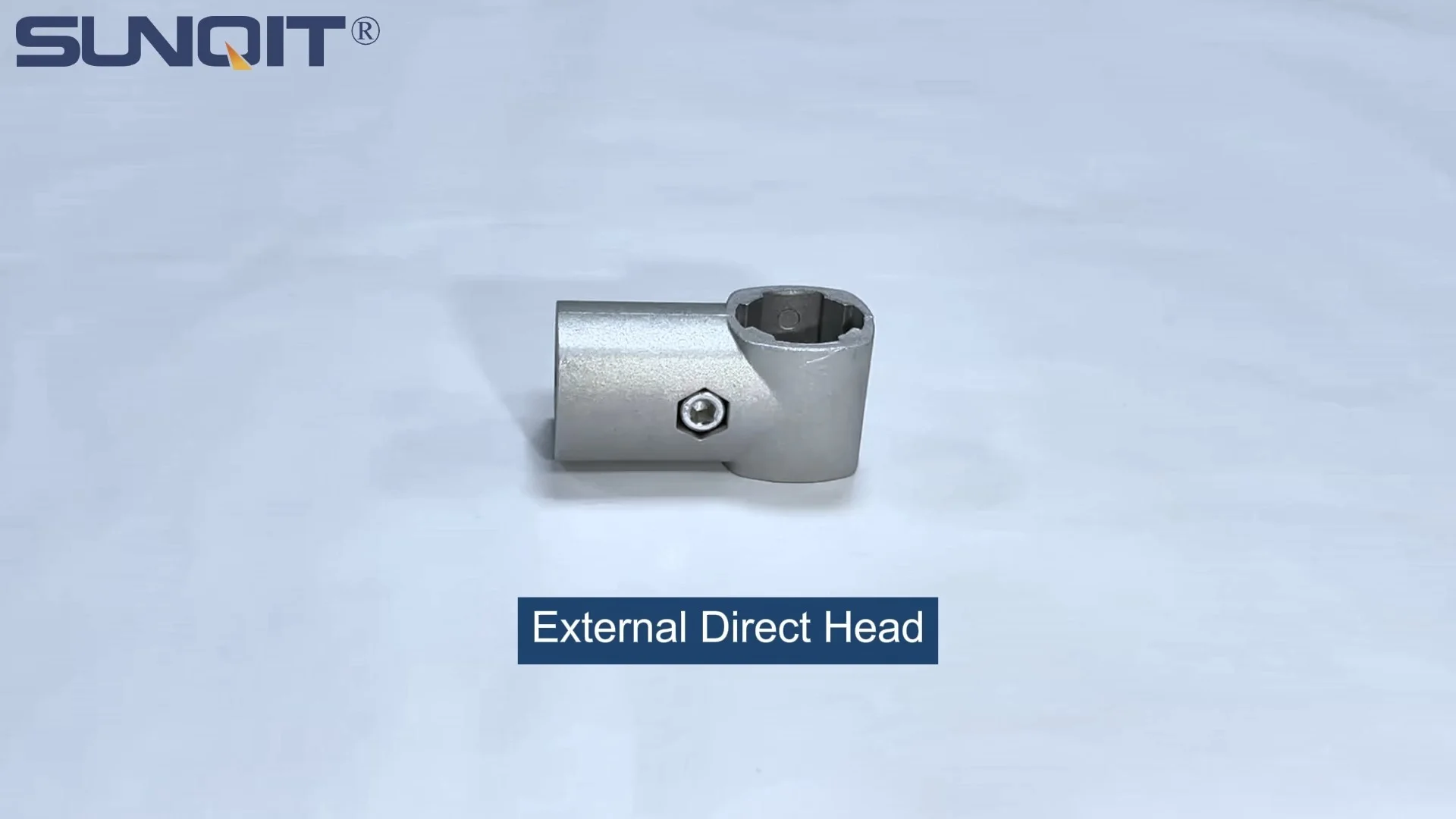
Aluminum 2 way pipe joint for 28mm aluminum pipe connection in 2 direction.
In the world of lean manufacturing and modular workspace design, every component plays a quiet but critical role. From the workbenches where products take shape to the material racks that keep inventory organized, the systems we rely on are only as strong as their weakest link. And if there's one "link" that often goes unnoticed but deserves the spotlight, it's the humble pipe joint. Today, we're zeroing in on a true unsung hero: two way aluminum pipe joints . These unassuming connectors are the backbone of flexible, mobile systems, blending lightweight design with surprising strength to transform how factories, warehouses, and workshops operate. Let's dive into why they're becoming a go-to choice for anyone building lean, adaptable workspaces.
What Are Two Way Aluminum Pipe Joints, Anyway?
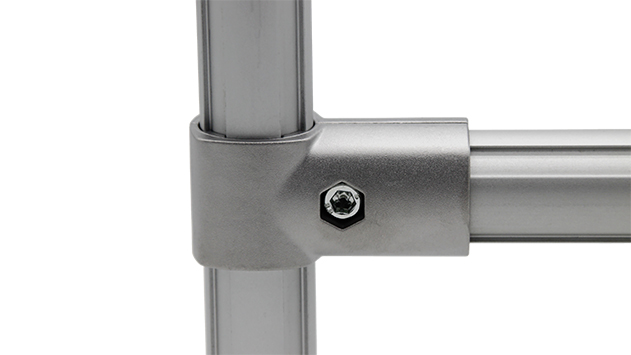
First things first: let's demystify the basics. A two way aluminum pipe joint is exactly what it sounds like—a connector designed to join two lengths of aluminum pipe (or aluminum lean pipe , a common lightweight variant) at angles ranging from 90 degrees to 180 degrees. Unlike rigid, one-size-fits-all fasteners, these joints are modular by nature. Think of them as the "building blocks" of modular systems: they let you snap together pipes to create custom structures—workbenches, trolleys, material racks, you name it—and then take them apart just as easily if your needs change.
What sets them apart? Their design. Most two way aluminum pipe joints feature a hollow, cylindrical body with internal threads or clamping mechanisms that grip the ends of aluminum pipes. Some have swivel components, allowing for minor angle adjustments during assembly, while others are fixed for stability. The key here is versatility: whether you're building a straight-line conveyor or a right-angled workbench frame, these joints adapt to the task without requiring specialized tools or permanent modifications.
But why aluminum? Let's talk about that next—because the material choice is where these joints really shine.
The Aluminum Advantage: Lightweight, Strong, and Built to Last
Aluminum has long been a favorite in industrial settings, and for good reason. When compared to steel or stainless steel, aluminum is significantly lighter—about one-third the weight of steel—without sacrificing strength. For mobile applications, this is a game-changer. Imagine pushing a loaded turnover trolley across a factory floor: if the frame is built with heavy steel joints, every push becomes a chore, leading to worker fatigue and slower workflows. Swap those steel joints for aluminum, and suddenly the trolley feels nimble, even when fully stocked. That's the aluminum difference.
But lightweight doesn't mean flimsy. Modern aluminum alloys (the kind used in these joints) are engineered for durability. They boast impressive tensile strength—often upwards of 200 MPa (megapascals), which translates to the ability to withstand heavy loads without bending or breaking. For context, that's more than enough to support the weight of tools, raw materials, or even finished products on a workbench or mobile rack. And unlike steel, aluminum naturally resists corrosion, thanks to a thin oxide layer that forms on its surface. This makes two way aluminum pipe joints ideal for environments where moisture or chemicals are present—think food processing facilities, pharmaceutical labs, or outdoor storage areas.
Another perk? Aluminum's malleability. Manufacturers can precision-engineer these joints to include features like ergonomic grips for easy tightening, or recessed areas that accommodate aluminum profile accessories (more on those later). This level of detail ensures that assembly is quick and intuitive—no need for a team of engineers or specialized training. A single worker with a hex key can put together a basic frame in minutes, which brings us to our next point: adaptability.
Why Mobile Applications Love These Joints
Mobile applications—think rolling workbenches, portable material carts, or adjustable conveyor systems—demand two things above all else: flexibility and reliability. Two way aluminum pipe joints deliver on both, and here's how:
1. Lightweight = Easy to Move (and Reconfigure)
Let's circle back to weight. A typical two way aluminum pipe joint weighs in at around 50 grams—about the same as a AA battery. Compare that to a stainless steel joint of similar size, which can tip the scales at 150 grams or more. Multiply that difference across an entire structure—a workbench with 10 joints, for example—and you're looking at a total weight reduction of over a kilogram. That might not sound like much, but when you're moving that workbench across a shop floor multiple times a day, every gram counts. Workers report less strain, faster setup times, and fewer injuries when using aluminum-based systems, making these joints a win for both productivity and workplace safety.
2. Strong Enough to Handle Real-World Loads
Don't let their light weight fool you: these joints mean business. Take a standard two way aluminum joint paired with a 20mm diameter aluminum lean pipe. Together, they can easily support static loads of up to 50kg—more than enough for a workbench holding power tools, or a mobile cart stacked with electronic components. And because the joints distribute weight evenly across the connected pipes, there's less risk of stress fractures or wobbling, even when the structure is in motion. We've seen warehouses use these joints to build mobile picking carts that glide down aisles, loaded with 100+ kg of inventory, without a single squeak or sign of strain.
3. Modular Design = Endless Possibilities
The beauty of modular systems is that they grow with your needs. A small startup might begin with a single workbench made from aluminum pipes and two way joints. Six months later, as orders pick up, they can disassemble that workbench, add a few more pipes and joints, and suddenly they've got a double-deck material rack or a rolling assembly line. No need to buy new equipment—just reconfigure what you already have. This flexibility is especially valuable in lean manufacturing, where
lean system
principles emphasize minimizing waste (including wasteful spending on fixed, one-use furniture).
4. Compatibility with Aluminum Profile Accessories
Two way aluminum pipe joints don't work in isolation—they play well with others. Pair them with
aluminum profile accessories
like end caps (to smooth rough pipe edges), pipe clamps (to secure tools or shelves), or caster wheels (to make structures mobile), and you've got a fully customizable ecosystem. For example, adding a set of locking casters to a joint-connected frame turns a static workbench into a mobile workstation that can be wheeled to wherever it's needed most. This kind of versatility is hard to match with traditional wooden or steel furniture, which is often fixed in place and hard to modify.

A Real-World Example: How One Factory Boosted Efficiency with Aluminum Joints
To put this into perspective, let's look at a case study from a mid-sized electronics manufacturer we worked with last year. Their challenge? A production line that was struggling to keep up with shifting product demands. They had traditional steel workbenches and fixed material racks, but every time they introduced a new product model, they had to spend days (and thousands of dollars) reconfiguring their workspace. The steel racks were heavy and hard to move, and the welds holding them together meant any adjustments required cutting and rewelding—hardly a lean system approach.
We suggested swapping their steel setup for a modular system built with aluminum lean pipe, two way aluminum pipe joints, and aluminum profile accessories. The transformation was striking. Within a week, their team had assembled three rolling workbenches (each with adjustable shelves) and a set of mobile material racks. The key? The two way joints made it easy to tweak the height and width of each structure to fit the new product's dimensions. And because the entire system was lightweight, workers could wheel the workbenches to different parts of the factory as needed—no more wasted time walking back and forth between stations.
The result? A 25% reduction in setup time for new product runs and a 15% increase in overall line efficiency. As the factory manager put it: "We used to see our workbenches as obstacles—now we see them as tools that adapt to us." That's the power of two way aluminum pipe joints in action.

How Do They Stack Up Against Other Joints? Let's Compare
Of course, aluminum joints aren't the only option out there. Let's break down how they compare to two common alternatives: stainless steel joints and plastic joints. The table below highlights key factors like weight, strength, and cost to help you decide if aluminum is right for your needs.
| Joint Type | Weight (per unit) | Max Load Capacity | Corrosion Resistance | Installation Ease | Cost (per unit) |
|---|---|---|---|---|---|
| Two Way Aluminum Pipe Joint | 40–60 grams | Up to 50kg (per joint) | High (resists rust, moisture) | Easy (hand-tightened with hex key) | Moderate ($2–$5) |
| Stainless Steel Two Way Joint | 120–150 grams | Up to 100kg (per joint) | Very High (ideal for harsh chemicals) | Moderate (may require wrench for tightness) | High ($8–$12) |
| Plastic Two Way Joint | 20–30 grams | Up to 20kg (per joint) | Medium (prone to UV damage over time) | Very Easy (snap-on design) | Low ($1–$3) |
As you can see, aluminum joints hit the sweet spot: they're lighter than stainless steel (making them better for mobile applications), stronger than plastic (so they can handle heavier loads), and reasonably priced. Unless you're working in an extremely harsh environment (like a marine facility, where stainless steel's corrosion resistance is non-negotiable) or need only minimal load support (like a small home workshop), aluminum is often the most practical choice.
Tips for Getting the Most Out of Your Two Way Aluminum Pipe Joints
Ready to start building with these joints? Here are a few pro tips to ensure your system is safe, sturdy, and long-lasting:
1. Choose the Right Pipe Diameter
Not all aluminum pipes are created equal. Most two way joints are designed for specific pipe diameters (common sizes include 28mm and 30mm). Using a pipe that's too small or too large can lead to loose connections, so double-check the joint's specifications before buying.
2. Don't Over-Tighten
Aluminum is strong, but it's also softer than steel. Over-tightening the joint with a hex key can strip the threads or warp the pipe. Tighten until the joint feels secure (you should be able to wiggle the pipe without movement), then stop. A good rule of thumb: if you're straining to turn the key, you've gone too far.
3. Use Locking Casters for Mobile Systems
If you're building a mobile structure (like a rolling
workbench
), invest in high-quality locking casters. Look for casters with a weight capacity that exceeds your expected load (err on the side of caution—better safe than sorry). Locking wheels prevent the structure from rolling during use, keeping workers and materials safe.
4. Inspect Regularly
Even the best joints need a little TLC. Check connections monthly for signs of looseness, especially in high-traffic areas where vibrations might cause joints to wiggle free. A quick tighten with a hex key is usually all it takes to keep things secure.
Final Thoughts: Why Two Way Aluminum Pipe Joints Are Here to Stay
In a world that values flexibility, efficiency, and cost-effectiveness, two way aluminum pipe joints are more than just a trend—they're a smart investment. They embody the lean system ethos of "do more with less," offering a lightweight, strong, and adaptable solution for anyone looking to build workspaces that grow and change with their needs. Whether you're a small workshop owner setting up your first workbench or a large manufacturer overhauling an entire production line, these joints deliver the kind of versatility that's hard to find in traditional furniture.
So the next time you walk through a factory or warehouse and see a sleek, mobile workbench gliding by, or a material rack that seems to perfectly fit the space, take a closer look. Chances are, there's a two way aluminum pipe joint holding it all together—quietly, reliably, and efficiently. And that, in a nutshell, is the beauty of modular design: the smallest components often make the biggest impact.