- Company Articles
- Products and Technology
- Product knowledge
- Two Way Lean Pipe Joint Chrome Compatibility with Aluminum Lean Pipes: Guide

Two Way Lean Pipe Joint Chrome Compatibility with Aluminum Lean Pipes: Guide
Related Product
Two Way Lean Pipe Joint Chrome
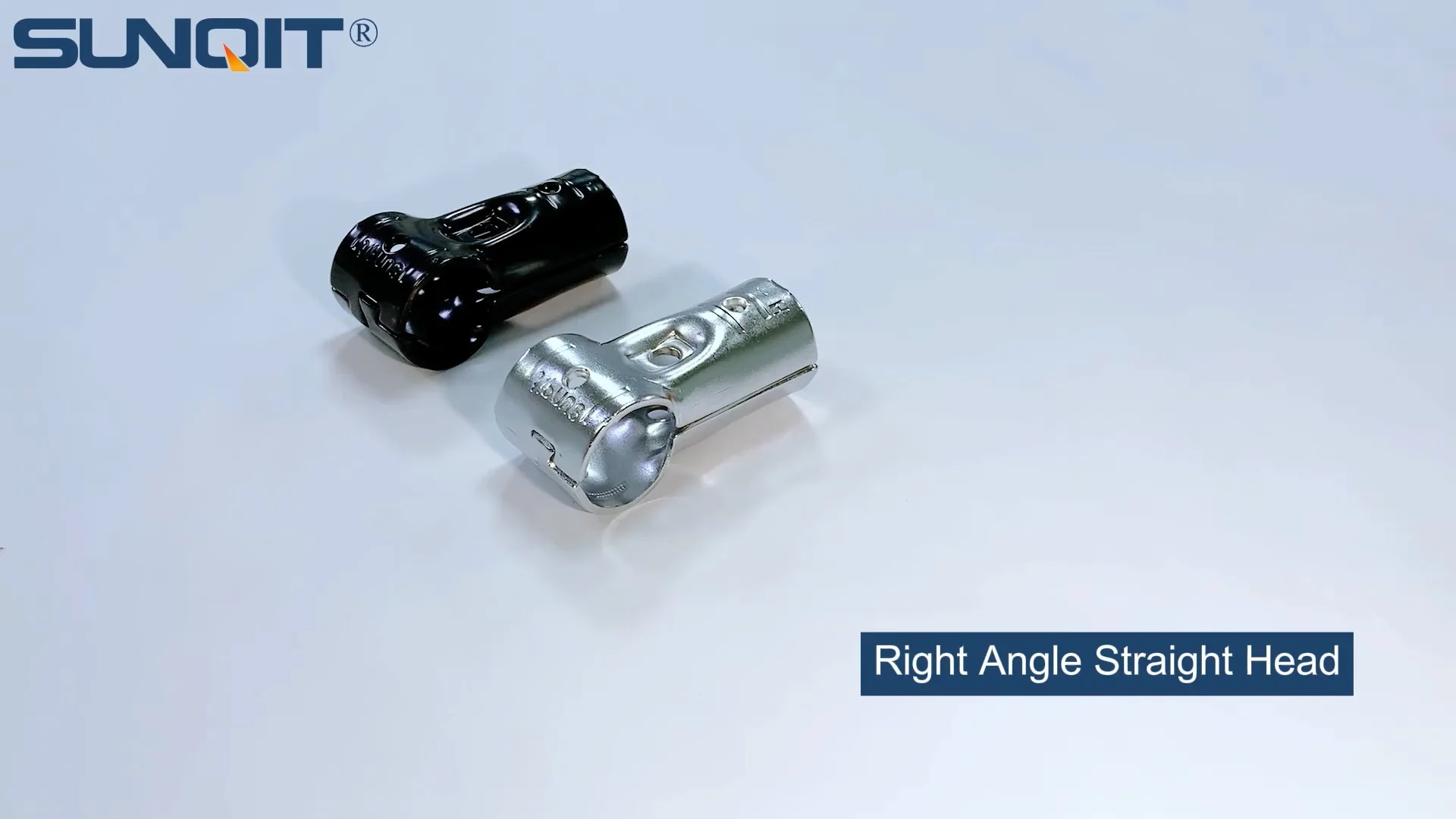
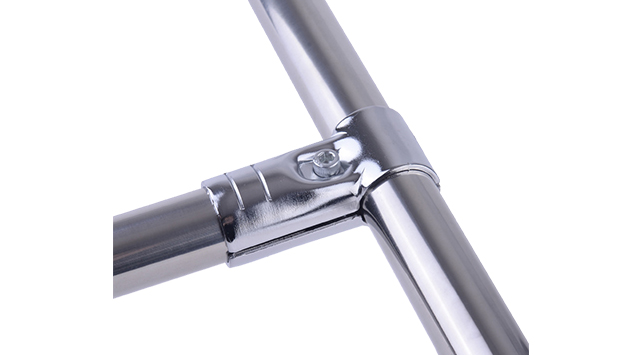
Two way lean pipe joint for 2 pcs 28MM lean pipe connection in straight angle, which used widely in workbench, flow rack, hand trolley frame connection.
In the world of lean manufacturing and modular workspace design, the smallest components often make the biggest difference. Think about it: a well-designed factory floor, a clutter-free warehouse, or a flexible workbench—they all rely on pieces that fit together seamlessly, adapt to changing needs, and stand the test of daily use. Today, we're diving into one such unsung hero: the Two Way Lean Pipe Joint Chrome. Specifically, we'll explore how this compact but critical connector pairs with aluminum lean pipes to build the backbone of efficient lean systems. Whether you're setting up a new production line, upgrading a workbench, or simply curious about modular industrial design, understanding this compatibility is key to creating setups that are both durable and adaptable.
What Is the Two Way Lean Pipe Joint Chrome?
Let's start with the basics. The Two Way Lean Pipe Joint Chrome is a specialized connector designed to link two lean pipes at a fixed or adjustable angle, forming the "joints" of your modular structure—think of it as the elbow or T-joint in a plumbing system, but built for industrial strength. What sets this joint apart is its chrome plating, which isn't just for looks: it adds a layer of corrosion resistance, making it suitable for environments where moisture or mild chemicals might be present, like food processing facilities or automotive workshops.
Under the chrome finish, most Two Way Lean Pipe Joints are made from high-grade steel, giving them the tensile strength needed to support heavy loads. The "two-way" design means it typically has two openings (though some variants might include a third for added flexibility), allowing you to connect two aluminum lean pipes in a straight line, at a 90-degree angle, or even slightly adjusted angles depending on the model. This versatility is why it's a staple in lean systems, where adaptability to shifting production needs is non-negotiable.
But why chrome? Imagine a busy factory floor where spills happen, or a warehouse with high humidity. Without proper protection, steel joints would rust, weaken, and eventually fail. Chrome plating acts as a barrier, slowing down oxidation and ensuring the joint maintains its grip on the pipes over time. It also makes cleaning easier—wiping away grease or dust with a cloth is all it takes to keep it in top shape. For anyone building a system meant to last, this small detail matters.
Quick Tip:
Not all chrome joints are created equal. Look for joints with a thick, uniform chrome layer (at least 0.0005 inches) to ensure durability. Cheaper, thin-plated joints might chip or peel after heavy use, compromising both aesthetics and functionality.
Understanding Aluminum Lean Pipes: Why They're a Lean System Favorite
Now that we know the joint, let's talk about its partner: the aluminum lean pipe. If the joint is the "link," the pipe is the "backbone" of your structure. Aluminum has become the go-to material for lean pipes in recent years, and for good reason. Compared to traditional steel pipes, aluminum is lighter (about 30% the weight of steel for the same strength), which makes assembling and reconfiguring structures easier—no need for heavy machinery or extra hands when you want to rearrange a workbench or material rack.
But don't let the lightweight fool you: aluminum lean pipes are surprisingly strong. Thanks to modern alloy blends, they can handle loads ranging from a few pounds (for small shelving) to hundreds of pounds (for heavy-duty production line racks). They're also naturally resistant to corrosion, thanks to a thin oxide layer that forms on their surface—perfect for environments where steel might rust. And unlike plastic pipes, aluminum doesn't warp under heat or sunlight, making it reliable in both indoor and covered outdoor settings.
Another big plus? Aluminum lean pipes are highly customizable. They come in standard diameters (often 28mm, 30mm, or 40mm outer diameter) and lengths, but can be cut to size on-site with basic tools. This means you're not stuck with prefab lengths—you can tailor each pipe to fit your exact needs, whether you're building a compact workbench for electronics assembly or a tall material rack for warehouse storage. When paired with the right joints, aluminum pipes become the building blocks of a system that grows with your business.
Compatibility 101: What Makes These Two Work Together?
So, why do Two Way Lean Pipe Joints Chrome and aluminum lean pipes play well together? Compatibility here isn't just about "fitting"—it's about creating a connection that's secure, stable, and long-lasting. Let's break down the key factors that make this pairing successful.
1. Size Matching: Diameter and Tolerance
The first check is simple: does the joint's inner diameter (ID) match the pipe's outer diameter (OD)? Most Two Way Lean Pipe Joints Chrome are designed for standard lean pipe sizes, and aluminum lean pipes typically follow these standards. For example, a common aluminum lean pipe might have an OD of 28mm, and the joint's ID would be 28.5mm—just enough to slide the pipe in, but tight enough to create friction when secured. This "snug fit" is crucial: too loose, and the pipe will wobble; too tight, and you'll struggle to assemble or adjust the structure.
Tolerance matters too. Industrial manufacturers of both joints and pipes adhere to strict size tolerances (usually ±0.1mm for high-quality parts). This ensures that even if you mix brands (though sticking to the same supplier is always safer), the fit remains consistent. For instance, if a pipe's OD is 28.1mm and the joint's ID is 28.4mm, there's still enough room for a secure connection when the joint's locking mechanism (often a set screw or clamp) is tightened.
2. Load Capacity: Strength in Numbers
A joint is only as good as its ability to hold the load the pipe carries. Aluminum lean pipes are strong, but their strength is amplified when paired with a joint that can distribute weight evenly. Let's say you're building a workbench using 30mm aluminum pipes and Two Way Lean Pipe Joints Chrome. The pipes can handle, say, 50kg per linear meter, but the joint must be able to support that load at the connection point. Most reputable manufacturers provide load ratings for their joints—for example, a standard Two Way Lean Pipe Joint Chrome might support up to 150kg when properly installed. Always cross-check the joint's load capacity with the pipe's and the total weight your structure will bear (tools, materials, even workers leaning on the workbench).
3. Material Synergy: Steel, Chrome, and Aluminum
Steel (the base of the joint) and aluminum (the pipe) might seem like an odd pair, but they actually complement each other. Steel provides the joint's rigidity, while aluminum keeps the overall structure lightweight. The chrome plating on the joint adds another layer of protection: since aluminum is already corrosion-resistant, and the chrome prevents the steel joint from rusting, the pair is well-suited for humid or dusty environments. Just avoid mixing dissimilar metals without a barrier—though in this case, the chrome acts as a buffer, reducing the risk of galvanic corrosion (a chemical reaction that occurs when two metals touch in the presence of moisture).
4. Adjustability: The Lean System Advantage
Lean systems thrive on flexibility, and the Two Way Lean Pipe Joint Chrome delivers here. Unlike welded connections, which are permanent, these joints allow you to loosen the set screws, reposition the aluminum pipe, and retighten—all without cutting or welding. This means if your production line needs to shift from assembling small parts to large components, you can adjust the height of your workbench or the width of your material rack in minutes, not days. Aluminum pipes, being lightweight, make this reconfiguration even easier: you won't need a forklift to move sections around.

A Closer Look: Compatibility Table
To make this more concrete, let's compare common Two Way Lean Pipe Joint Chrome specs with typical aluminum lean pipe characteristics. This table will help you quickly assess if a joint-pipe pair is right for your project:
| Feature | Two Way Lean Pipe Joint Chrome (Standard Model) | Aluminum Lean Pipe (30mm OD) | Compatibility Check |
|---|---|---|---|
| Inner Diameter (Joint) / Outer Diameter (Pipe) | 30.5mm ± 0.1mm | 30mm ± 0.1mm | Snug fit; gap allows for easy assembly and secure clamping. |
| Material | Chrome-plated steel (base: Q235 steel) | 6063-T5 aluminum alloy | Steel provides strength; aluminum offers lightweight durability. Chrome prevents corrosion. |
| Max Load Capacity | 150kg per joint (vertical load) | 60kg per linear meter (horizontal load) | Joint exceeds pipe's load capacity, ensuring structural stability. |
| Operating Temperature Range | -20°C to 80°C | -40°C to 120°C | Overlap covers most industrial environments (warehouses, factories, workshops). |
| Corrosion Resistance | High (chrome plating + steel base) | High (natural oxide layer) | Suitable for humid or dusty environments; avoid prolonged exposure to saltwater. |
Real-World Applications: Building with the Pair
Theory is one thing, but seeing how these components work in practice brings it all together. Let's walk through a common scenario: setting up a modular workbench using Two Way Lean Pipe Joints Chrome and aluminum lean pipes. This is a project many manufacturers, labs, or even small workshops tackle, and it's a perfect example of their compatibility in action.
**Step 1: Planning the Workbench** Suppose you need a workbench for electronics assembly—something sturdy enough to hold tools, PCBs, and a small testing station, but adjustable if you later add a shelf or lighting. You'll need aluminum lean pipes (let's go with 30mm OD for stability), Two Way Lean Pipe Joints Chrome for the corners and horizontal supports, and a few additional parts like a tabletop (maybe aluminum honeycomb panel for lightness) and casters for mobility.
**Step 2: Assembling the Frame** Start with the legs: cut four aluminum pipes to your desired height (say, 800mm for a standard workbench). Use Four Way Lean Pipe Joints at the bottom to connect cross-braces (for stability) and Two Way Joints at the top to attach the horizontal rails that will hold the tabletop. Here's where the compatibility shines: sliding the aluminum pipes into the chrome joints feels smooth, and when you tighten the set screws (usually with a hex key), there's no wobble—just a solid, tight connection. The chrome finish even stands out against the aluminum, giving the frame a clean, professional look.
**Step 3: Adding Functionality** Want a shelf halfway up? Cut two more aluminum pipes, attach them to the leg joints using Two Way Lean Pipe Joints Chrome, and lay a secondary panel on top. Need to adjust the height later? Loosen the set screws, slide the joints up or down, and retighten—no drilling, no welding, no hassle. The aluminum pipes are light enough to reposition by hand, and the joints hold their new position securely.
**Step 4: Daily Use and Durability** After a month of use, the workbench still looks new. Spills from cleaning solvents wipe off the chrome joints easily, and the aluminum pipes show no signs of scratches or dents. Even when loaded with 40kg of tools, the joints don't flex—proof that the steel core and aluminum pipes are a match made for daily industrial use.
Pro Move:
When building with these components, always pre-tighten the joints by hand before using a tool. This prevents over-tightening, which can strip the threads or damage the aluminum pipe's surface. A ¼-turn with a hex key after hand-tightening is usually enough for a secure hold.
Troubleshooting Common Compatibility Issues
Even with well-designed components, hiccups can happen. Let's troubleshoot the most common issues you might run into when pairing Two Way Lean Pipe Joints Chrome with aluminum lean pipes—and how to fix them.
Issue 1: The Pipe Wobbles in the Joint
**Why it happens:** Either the joint's ID is too large for the pipe's OD, or the set screws are loose. Cheap, off-brand joints often have inconsistent sizing, leading to gaps. **Fix:** If the joint is the culprit, replace it with a higher-quality model (check the tolerance specs!). If it's the screws, tighten them incrementally—don't crank them all at once, as this can warp the joint. For extra security, add a drop of thread-locking fluid (like Loctite) to the screws to prevent loosening over time.
Issue 2: The Chrome Finish Chips or Peels
**Why it happens:** Low-quality chrome plating or rough handling during assembly (e.g., using pliers on the joint). **Fix:** Invest in joints with a thick chrome layer (ask suppliers for plating thickness specs). When assembling, avoid gripping the joint with tools—use a cloth or rubber grip to protect the finish. If chipping occurs, touch up the area with a rust-resistant enamel paint to prevent underlying steel from corroding.
Issue 3: The Joint or Pipe Bends Under Load
**Why it happens:** Overloading the structure beyond the joint or pipe's capacity. **Fix:** Check the load ratings! If you're storing heavy items (e.g., metal parts), use larger diameter pipes (38mm OD instead of 30mm) and heavy-duty joints. Add extra supports (like diagonal cross-braces) to distribute weight more evenly across multiple joints.
Maintenance Tips: Keeping Your Joints and Pipes in Top Shape
Like any tool, your Two Way Lean Pipe Joints Chrome and aluminum lean pipes need a little care to last. Here's how to keep them working like new:
- Clean Regularly: Wipe joints and pipes with a damp cloth to remove dust, grease, or debris. For tough grime, use a mild detergent (avoid abrasive cleaners, which can scratch chrome or aluminum).
- Tighten Set Screws Quarterly: Even with thread lock, vibrations from daily use can loosen screws. A quick check with a hex key every 3-6 months prevents wobbles.
- Inspect for Corrosion: If you notice rust spots on the joint (under chipped chrome), sand them lightly and apply a rust inhibitor. Aluminum pipes rarely corrode, but if they do (e.g., in saltwater environments), a coat of clear aluminum sealant will protect them.
- Store Spare Joints: Keep a few extra Two Way Lean Pipe Joints Chrome on hand. If one gets damaged, you can swap it out in minutes, minimizing downtime.
Conclusion: Small Joints, Big Impact
At the end of the day, the compatibility between Two Way Lean Pipe Joints Chrome and aluminum lean pipes is about more than just parts fitting together—it's about enabling the flexibility, durability, and efficiency that lean systems demand. These two components, when paired correctly, transform into the building blocks of workbenches, material racks, production lines, and more—setups that adapt to your needs, stand up to daily use, and keep your operations running smoothly.
Whether you're a seasoned plant manager or a small business owner setting up your first workshop, remember this: the best lean systems aren't just about big-picture design—they're about the details. And when it comes to details, the Two Way Lean Pipe Joint Chrome and aluminum lean pipes are a partnership you can count on.