- Company Articles
- Products and Technology
- Product knowledge
- Two Way Lean Pipe Joint Chrome for Cable Management Racks: Neatness & Safety

Two Way Lean Pipe Joint Chrome for Cable Management Racks: Neatness & Safety
Related Product
Two Way Lean Pipe Joint Chrome
Two way lean pipe joint for 2 pcs 28MM lean pipe connection in straight angle, which used widely in workbench, flow rack, hand trolley frame connection.
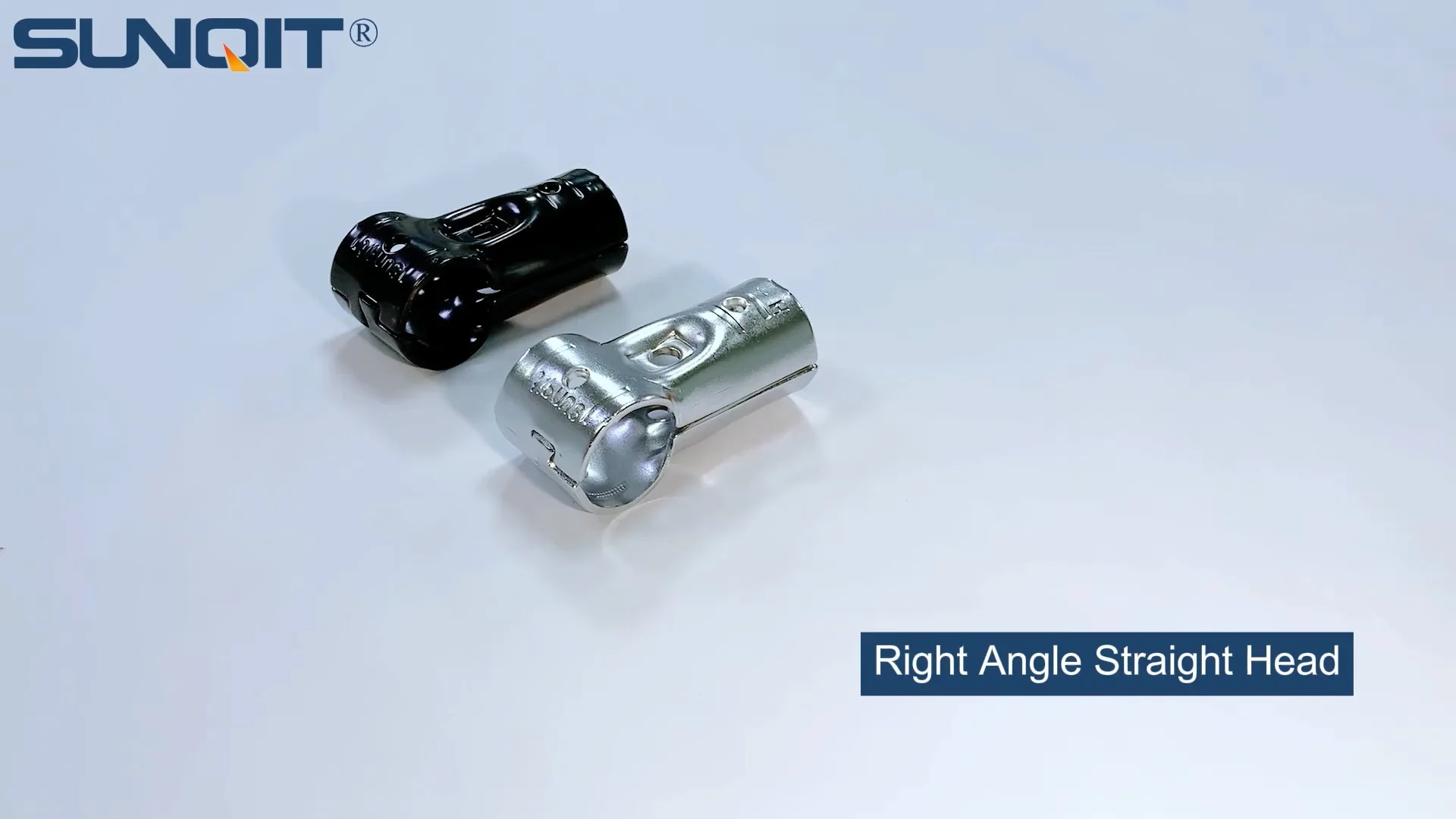
Walk into any busy workspace—whether it's a manufacturing floor, a tech startup office, or a research lab—and you'll likely spot the same silent culprit of chaos: unmanaged cables. They snake across floors, dangle from desks, and tangle into messy knots behind equipment. What might seem like a minor annoyance is actually a ticking time bomb of safety risks and inefficiencies. Trips and falls, damaged equipment from yanked cords, wasted time untangling wires, and even fire hazards from overheated, crammed cables—these are just a few of the headaches unmanaged cables bring. But what if there was a solution that didn't just "manage" cables, but transformed how we build and adapt our workspace setups? Enter the two way lean pipe joint chrome —a small but mighty component that's redefining cable management racks in lean systems worldwide.
What Is a Two Way Lean Pipe Joint Chrome, Anyway?
Let's start with the basics. If you're new to lean manufacturing or workspace optimization, "lean pipe" might sound like industry jargon, but it's actually a simple concept: lightweight, durable tubes (often steel or aluminum) used to build flexible, customizable structures—think workbenches, material racks, and yes, cable management racks. And at the heart of these structures are the joints that hold everything together. The two way lean pipe joint chrome is exactly what it sounds like: a connector designed to join two lean pipes at a stable angle, with a sleek chrome finish that adds both function and style.
But this isn't just any joint. Unlike rigid, one-size-fits-all connectors of the past, the two way lean pipe joint chrome is built for adaptability. Its chrome coating isn't just for looks (though it does add a clean, professional shine); it's a protective layer that resists corrosion, scratches, and wear—critical for busy environments where equipment takes a beating. And because it's part of the broader lean pipe and accessories ecosystem, it plays nice with other components: standard lean pipes, aluminum profiles, casters for mobility, and even roller tracks for material flow. This compatibility is key to its magic—it doesn't just hold pipes together; it lets you design a cable management rack that grows and changes with your needs.
Why Cable Management Isn't Just About "Looking Neat"
Before diving deeper into how the two way lean pipe joint chrome solves cable chaos, let's talk about why cable management matters in the first place. It's easy to dismiss messy cables as a "cosmetic" issue, but the truth is, they impact every corner of your operation—from safety to bottom-line results.
Safety first : According to the National Safety Council, trips and falls are one of the leading causes of workplace injuries, and loose cables are a top contributor. A single misstep over a stray wire can lead to sprains, fractures, or worse. Then there's the fire risk: when cables are crammed together, heat can't dissipate, increasing the chance of short circuits or melted insulation. In manufacturing settings, where flammable materials might be nearby, this risk skyrockets.
Efficiency takes a hit : Ever spent 10 minutes untangling a knot of USB cords to find the right one? Multiply that by every employee, every day, and you're looking at hours of wasted productivity. Unmanaged cables also make maintenance a nightmare. When a machine breaks down, technicians have to sift through a web of wires to diagnose the issue—delaying repairs and slowing production. In lean systems, where "waste elimination" is the golden rule, this kind of inefficiency is unacceptable.
Professionalism and morale : A cluttered workspace sends a message—about your team's attention to detail, your commitment to safety, and even your brand. Clients visiting a factory with tangled cables might question your quality control; employees working in chaotic environments often report lower morale and higher stress. On the flip side, a clean, organized workspace boosts confidence, focus, and pride in the job.
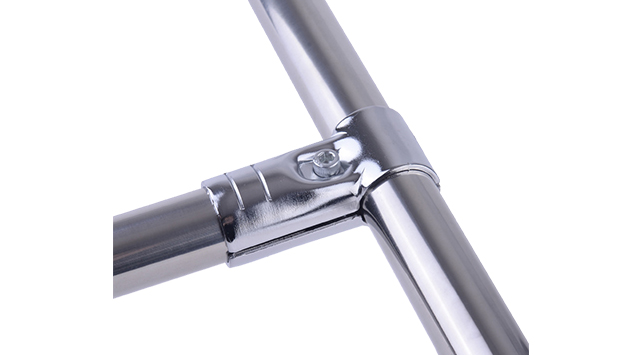
The Two Way Lean Pipe Joint Chrome: A Game-Changer for Cable Racks
So, how does a simple joint solve these big problems? Let's break down why the two way lean pipe joint chrome is more than just a connector—it's a cornerstone of smart, safe, and scalable cable management.
Flexibility to Design Your Perfect Rack
One of the biggest flaws of traditional cable racks is their rigidity. Fixed metal shelves or plastic trays might work for a specific setup, but if you add a new machine, rearrange your workspace, or upgrade equipment, you're stuck buying a whole new rack. The two way lean pipe joint chrome flips this script. Because it's compatible with standard lean pipe , you can build a rack that's as unique as your needs. Need a vertical tower to route cables up a wall? Use the joint to connect horizontal and vertical pipes. Want a shelf over a workbench to keep cables off the desk? Angle the pipes at 90 degrees with the joint. And if your needs change next month? Just loosen the joint, reposition the pipes, and tighten—no tools, no waste, no hassle.
Durability That Stands Up to Real Work
Workspaces are tough. Spills, heavy equipment, constant foot traffic—your cable rack needs to handle it all. The two way lean pipe joint chrome is built for this reality. The base material is high-grade steel, chosen for its strength and resistance to bending. Then comes the chrome plating: not only does it give the joint a smooth, rust-resistant surface, but it also adds a layer of protection against scratches and corrosion. Unlike plastic joints that crack under pressure or uncoated steel that rusts in humid environments, this joint is designed to last years—even in harsh settings like automotive plants or food processing facilities.
Chrome Coating: More Than Just Shiny
Let's talk about that chrome finish for a second. Sure, it looks good—no more ugly, rusted metal joints ruining your workspace aesthetic—but its benefits go beyond appearance. Chrome is naturally resistant to moisture, which is a big deal in areas like labs or warehouses where humidity can spike. It's also easy to clean: a quick wipe with a damp cloth removes dust, oil, or spills, keeping your cable rack looking (and functioning) like new. For facilities with strict hygiene standards—think pharmaceutical labs or electronics manufacturing—this low-maintenance, non-porous surface is a must.
Easy Assembly, Even for Beginners
You don't need to be a DIY expert or a certified engineer to build with lean pipe joints. The two way lean pipe joint chrome is designed for "tool-less" assembly (or minimal tools, at most). Most models use a simple screw or lever mechanism: slide the lean pipe into the joint, tighten the screw, and you're done. Compare that to traditional cable racks, which often require drilling, welding, or complex hardware. Even someone with zero experience can assemble a basic cable rack in under an hour—and disassemble it just as quickly if needed. This ease of use is a huge win for small businesses or teams that need to adapt fast.

Traditional vs. Lean Pipe Joint Cable Racks: A Head-to-Head Comparison
Still on the fence? Let's put the two way lean pipe joint chrome to the test against traditional cable management methods. The table below breaks down the key differences:
| Feature | Traditional Cable Racks (Fixed Metal/Plastic) | Lean Pipe Racks with Two Way Chrome Joints |
|---|---|---|
| Flexibility | Fixed design; can't be reconfigured without tools or replacement parts. | 100% customizable—easily adjust height, width, or shape by repositioning joints. |
| Installation Time | 2–4 hours (requires drilling, mounting hardware, or professional help). | 30 minutes–1 hour (tool-less assembly; no special skills needed). |
| Durability | Plastic racks crack; uncoated metal rusts; fixed joints loosen over time. | Chrome-plated steel resists rust, scratches, and bending; joints stay tight with minimal maintenance. |
| Cost Over Time | High—need to replace entire rack if setup changes; frequent repairs. | Low—reuse components for new setups; minimal replacement costs. |
| Safety | Sharp edges on metal racks; fixed positions can't adapt to new hazards. | Smooth chrome finish reduces cuts; adjustable design lets you route cables away from foot traffic. |
Real-World Applications: Where the Two Way Lean Pipe Joint Chrome Shines
The beauty of the two way lean pipe joint chrome is its versatility. It's not just for factories—though it's a staple there. Let's explore how different industries are using it to transform their cable management:
Manufacturing Floors
In automotive or electronics manufacturing, production lines are constantly evolving. New machines are added, workflows are optimized, and cable needs change overnight. A lean system built with two way lean pipe joints lets teams build cable racks that move with the line. For example, a car parts assembly station might use a U-shaped cable rack overhead, supported by vertical lean pipes connected with chrome joints, to keep power and data cables above workers' heads. If the station is reconfigured next month, the rack can be disassembled and rebuilt in the new layout—no downtime, no extra cost.
Office Workspaces
Modern offices are full of tech—desktops, laptops, monitors, printers, and charging stations—all needing cables. Traditional under-desk trays quickly overflow, leading to jumbled messes. With lean pipe joints, offices can build custom cable organizers: wall-mounted racks to route cords from the ceiling to desks, or rolling carts (fitted with caster wheels for mobility) that hold power strips and neatly channel cables downward. The chrome finish even adds a sleek, modern look that fits in with contemporary office decor.
Research Labs
Labs have unique needs: sensitive equipment, strict safety protocols, and often, limited space. Cable racks here can't just be "neat"—they need to protect expensive instruments from interference and reduce trip hazards. A two way lean pipe joint chrome setup allows labs to build elevated cable runs along walls or between benches, keeping cords away from chemical spills or fragile glassware. The corrosion-resistant chrome finish is also ideal for labs with controlled environments, where moisture or cleaning chemicals might damage other materials.
Data Centers
Data centers are the ultimate cable chaos zone—hundreds of servers, each with dozens of power and network cords. A single disorganized rack can lead to downtime, data loss, or overheating. Lean pipe cable racks with chrome joints offer a solution: modular, vertical towers that separate power and data cables, with horizontal shelves (connected via two way joints) to route cords to each server. The flexibility to add or remove shelves as servers are upgraded ensures the rack grows with the data center, avoiding the need for costly overhauls.
Pairing the Joint with Other Lean Components: A Winning Combo
The two way lean pipe joint chrome is powerful on its own, but it truly shines when paired with other lean pipe and aluminum profile accessories. Here are a few combinations that take your cable management to the next level:
Lean pipe + aluminum profile accessories : For heavier cable loads (like thick power cords for industrial machines), pair lean pipes with aluminum profile brackets. The brackets add extra support, while the two way joint keeps the structure stable. Aluminum is lightweight but strong, making the whole setup easy to move if needed.
Caster wheels for mobility : Need a cable rack that can follow your workbench around the shop floor? Add caster wheels to the base of your lean pipe frame. The two way joints ensure the rack stays steady even when rolling, so cables don't jostle loose. Lockable casters keep it in place when stationary—perfect for dynamic workspaces.
Roller tracks for material flow : Okay, this one isn't directly about cables, but hear us out. If your cable rack is part of a larger material handling system (like a production line), adding roller tracks (connected with roller track connectors ) next to your cable setup lets you move tools or parts while keeping cords organized. It's lean thinking at its best—combining two needs (cable management and material flow) into one efficient system.
Long-Term Benefits: More Than Just a "One-and-Done" Solution
Investing in two way lean pipe joint chrome isn't just about solving today's cable problems—it's about building a workspace that adapts to tomorrow's challenges. Here's how it pays off over time:
Cost savings : Traditional cable racks are a "buy once, replace often" expense. Lean pipe systems, by contrast, are reusable. When you rearrange your workspace, you can take apart the old rack and rebuild it with the same joints and pipes. Over five years, this can save thousands in replacement costs.
Scalability : As your business grows, so do your cable needs. Adding a new department? Extend your existing rack with a few extra pipes and two way joints. Upgrading to more equipment? Add shelves or vertical extensions. No need to start from scratch.
Low maintenance : Chrome-plated steel is tough, so you won't spend time (or money) on repairs. A quick inspection every few months to tighten screws is all it takes to keep the joint in top shape. Compare that to plastic joints that crack or wooden racks that rot—requiring constant fixes.
Employee satisfaction : A clean, safe workspace isn't just good for productivity—it's good for your team. Employees who don't have to worry about tripping over cables or wasting time untangling cords are happier, more focused, and more likely to stay with your company. That's a benefit no spreadsheet can fully measure.
Conclusion: Tame the Cable Chaos, Transform Your Workspace
Unmanaged cables are more than an eyesore—they're a barrier to safety, efficiency, and growth. The two way lean pipe joint chrome isn't just a tool to "fix" cables; it's a way to rethink how we build our workspaces. Its flexibility, durability, and ease of use make it the perfect foundation for cable management racks that adapt to your needs, protect your team, and save you time and money in the long run.
Whether you're running a small workshop or a large manufacturing plant, the message is clear: investing in smart, scalable solutions like the two way lean pipe joint chrome isn't optional—it's essential. So, take a look at your current cable setup. Is it helping your team thrive, or holding them back? With the right tools, you can turn chaos into order, risk into safety, and frustration into focus. Your cables (and your team) will thank you.