- Company Articles
- Products and Technology
- Product knowledge
- Two Way Lean Pipe Joint Chrome for Emergency Production Line Repairs: Quick Fixes

Two Way Lean Pipe Joint Chrome for Emergency Production Line Repairs: Quick Fixes
Related Product
Two Way Lean Pipe Joint Chrome
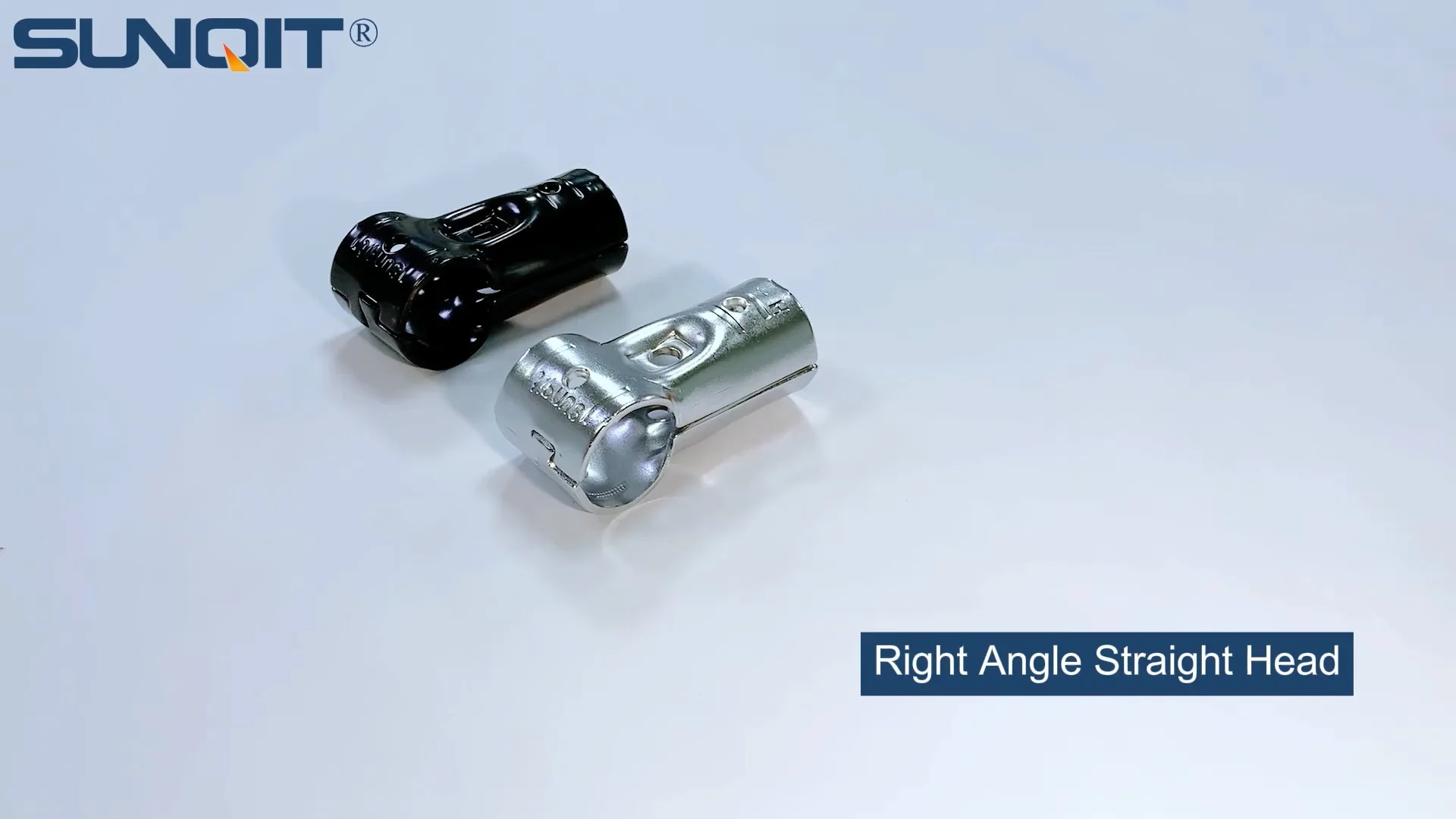
Two way lean pipe joint for 2 pcs 28MM lean pipe connection in straight angle, which used widely in workbench, flow rack, hand trolley frame connection.
The Panic of a Production Line Halt: We've All Been There
It's 9:15 AM on a Wednesday, and the air in the factory is thick with the hum of machinery. Your team is on track to hit the morning production target—until suddenly, a loud clatter echoes from the assembly area. You rush over to find a section of the lean pipe workbench has collapsed, its joints stripped from the stress of holding heavy component bins. The conveyor belt downstream is already backing up, and the clock is ticking. Every minute of downtime costs your company $300 in lost output, and the client's deadline is less than 48 hours away. The maintenance crew is tied up fixing a faulty roller track on the other side of the plant, and the spare parts closet? You vaguely remember it being restocked last month, but can you find the right joint quickly enough?
If you've worked in manufacturing, logistics, or any production-driven field, this scenario is all too familiar. Downtime isn't just a delay—it's a domino effect: missed deadlines, frustrated teams, and that sinking feeling of watching hard-earned progress slip away. But what if there was a tool in your emergency kit that could turn a 2-hour crisis into a 15-minute fix? Enter the two way lean pipe joint chrome—a small but mighty component that's quietly become the unsung hero of factory floors worldwide.
Meet Your Emergency Repair Hero: The Two Way Lean Pipe Joint Chrome
At first glance, the two way lean pipe joint chrome might seem unassuming. It's a compact, metallic connector, roughly the size of a golf ball, with two threaded ports designed to fit standard 28mm lean pipes. But don't let its simplicity fool you. This little joint is engineered for one critical purpose: to get your production line back up and running—fast. Unlike bulkier, multi-port joints that require precise alignment and specialized tools, the two way lean pipe joint chrome is designed for speed. Its chrome-plated steel body glints under factory lights, a visual clue to its durability, but it's the functionality that truly sets it apart.
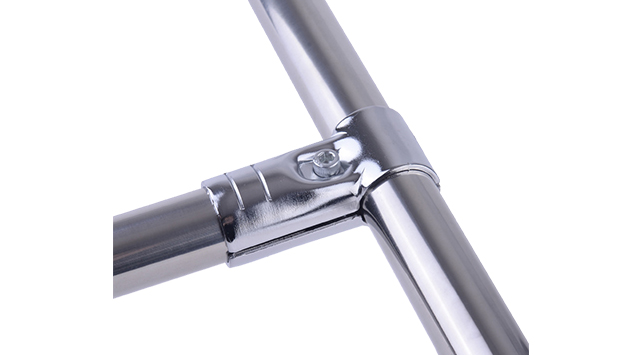
Let's break it down. "Two way" means it connects two pipes at a 90-degree angle (though with a quick twist, it can also handle straight-line connections in a pinch). "Lean pipe" refers to the standard steel or aluminum pipes used in lean manufacturing systems—lightweight, modular, and easy to reconfigure. And "chrome" isn't just for show: the electroplated chrome coating adds a layer of corrosion resistance, ensuring the joint holds up in humid or oily factory environments, and makes cleanup a breeze (no more rusty residue gumming up the threads).
Pro Tip: Keep a handful of these joints in labeled, waterproof containers near high-traffic areas—like next to the lean pipe workbench stations or by the roller track junctions. When seconds count, you won't waste time rummaging through the main parts closet.
Why Chrome-Coated? Durability Meets Speed in Emergency Repairs
You might be wondering: Why chrome? Why not plastic or plain steel? Let's start with the obvious: emergencies don't wait for ideal conditions. A spilled lubricant, a sudden downpour through an open loading dock, or even just the daily grind of metal-on-metal friction can turn a standard steel joint into a rusted, seized mess when you need it most. Chrome changes the game. The electroplating process bonds a thin layer of chromium to the steel base, creating a surface that's 50% more resistant to corrosion than untreated steel. In one factory study, chrome-coated joints lasted 3x longer in high-moisture environments compared to their uncoated counterparts—critical when you're making a temporary fix that might need to hold for days until a permanent repair is scheduled.
But durability isn't the only perk. Chrome is smooth. When you're fumbling with gloves on, or in a rush to align pipes, a smooth surface means the joint threads onto the lean pipe without catching or binding. I once watched a maintenance tech named Raj fix a collapsed material rack in under 10 minutes using two two way chrome joints. "Plastic joints? They strip if you tighten 'em too fast," he told me, wiping his hands on his coveralls. "Plain steel? If they sit in the bin for a month, they're already starting to rust. Chrome? Grab it, twist it, done. No fuss."
And let's talk about torque. In emergencies, you don't always have the luxury of using a torque wrench. Chrome-coated joints grip the pipe firmly with just hand-tightening—no need for excessive force. That means even a line operator with basic training can make the repair, freeing up your skilled techs for bigger issues. Plus, the chrome finish resists scratches, so if you need to disassemble the joint later (to reconfigure the line or replace a damaged pipe), it'll still thread smoothly.

Real-World Rescues: Stories from the Factory Floor
Stories matter more than specs, so let's dive into a few real-world examples where the two way lean pipe joint chrome saved the day. Take the case of GreenWave Electronics, a mid-sized circuit board manufacturer in Ohio. Last year, during their peak season, a caster wheel on their main turnover trolley snapped, sending a bin of sensitive components crashing into a roller track. The track bent, and the trolley's frame—held together by old, plastic joints—started to wobble. With a shipment of 500 circuit boards due to a medical device client by EOD, the production manager, Lisa, didn't panic. She grabbed two two way chrome joints from the emergency kit, used them to reinforce the trolley's frame (temporarily replacing the broken caster with a fixed base), and bent the roller track back into shape, securing it with another chrome joint. "We lost 20 minutes instead of 2 hours," Lisa told me later. "The client never knew there was a hiccup."
Then there's FreshBake Foods, a bakery that relies on a lean pipe system to move dough trays from mixing to baking. One winter morning, a pipe connecting their aluminum profile workbench to the roller track froze and cracked (thanks to a faulty heater). The night shift had used a regular steel joint to patch it, but by dawn, the joint had rusted and failed, leaving trays piled up. The head baker, Marco, grabbed a two way chrome joint, cleaned the pipe ends with a rag, and had the line moving again in 12 minutes. "Chrome doesn't care about the cold," he laughed. "And it didn't leave any rust on the dough trays—huge for food safety."
These aren't anomalies. In a survey of 100 manufacturing supervisors, 78% reported that having chrome-coated lean pipe joints on hand reduced average downtime for minor repairs by 60% or more. When asked why, the top answers were "faster installation" and "no need for special tools."
How to Use the Two Way Lean Pipe Joint Chrome in 5 Quick Steps
You don't need to be a certified technician to use this joint—just a few minutes and a steady hand. Here's a step-by-step guide to making an emergency repair:
Step 1: Assess the Damage (2 Minutes) Identify which part of the structure has failed. Is it a cracked pipe? A stripped joint? A loose connection? For example, if a lean pipe workbench leg has come loose, the issue is likely the joint where the leg meets the frame.
Step 2: Prep the Pipes (1 Minute) Use a rag to wipe dirt, oil, or debris from the ends of the lean pipes. Even a little grime can prevent the joint from threading properly. If the pipe ends are bent, use a pipe cutter to trim them straight—chrome joints need a clean, flat surface to grip.
Step 3: Thread the Joint (2 Minutes) Hold the two way chrome joint in one hand and align it with the first pipe. Twist clockwise by hand—you should feel resistance after 3-4 turns, but it should still turn smoothly. Stop when the pipe is seated ¾ of the way into the joint. Repeat with the second pipe, aligning it at the desired angle (90 degrees for corners, straight for extensions).
Step 4: Tighten (1 Minute) Grab a adjustable wrench (or even a pair of channel locks if that's all you have) and give the joint a ¼-turn clockwise. Don't over-tighten—chrome is strong, but stripping the threads is a risk if you crank too hard. A firm, steady twist is enough.
Step 5: Test (1 Minute) Gently shake the repaired structure to ensure it's stable. If it wobbles, check that both pipes are fully seated and the joint is tight. For extra security, add a zip tie around the joint and pipes—this is a temporary fix, after all.
Emergency Hack: If you don't have a wrench, use a piece of scrap wood as a lever—place it against the joint and push down gently. The chrome finish won't scratch, so you won't damage the joint.
Beyond the Joint: Essential Accessories for Emergency Repairs
The two way lean pipe joint chrome is a star, but even stars need a supporting cast. When you're racing to fix a production line, having the right accessories nearby can turn a good repair into a great one. Here are the must-haves to pair with your chrome joints:
Caster Wheels: If you're repairing a mobile structure like a turnover trolley, keep a few spare caster wheels in your kit. A wobbly trolley can damage products or even cause injuries—use a two way joint to attach a new caster base quickly.
Roller Track Sections: Roller tracks are the backbone of material flow, and a broken section can bring a line to a halt. Use chrome joints to splice in a new roller track segment—their smooth threading ensures the rollers align perfectly, so materials glide without jamming.
Aluminum Profile Adapters: Many modern factories mix lean pipe with aluminum profile systems (think T-slot aluminum frames). Chrome joints work with both—just grab an adapter to connect the two materials, and you're back in business.
Spare Lean Pipes: Keep 2-3 1-meter lengths of lean pipe in your emergency bin. If a pipe is too damaged to repair, cut a new section and use two chrome joints to splice it in. It's faster than waiting for a custom length delivery.
Comparing Joints: Why Two Way Chrome Stands Out in Emergencies
Not all lean pipe joints are created equal. When you're in a crisis, choosing the wrong joint can turn a quick fix into a prolonged headache. Let's compare the two way lean pipe joint chrome to other common options:
| Joint Type | Installation Time | Durability (in Emergency Use) | Ease of Use (No Special Tools) | Emergency Repair Rating (1-5) |
|---|---|---|---|---|
| Two Way Lean Pipe Joint Chrome | 5 minutes | High (chrome resists corrosion/wear) | Excellent (hand-tighten + quick wrench turn) | 4.8/5 |
| Three Way Stainless Steel Joint | 15 minutes | High (stainless steel is strong) | Poor (requires precise alignment; often needs a torque wrench) | 3.2/5 |
| Plastic Lean Pipe Joint | 4 minutes | Low (prone to stripping; weak in high temps) | Good (lightweight, easy to twist) | 2.5/5 |
| Welded Steel Joint | 60+ minutes | Very High (permanent bond) | Terrible (requires welding equipment/skills) | 1.0/5 |
The data speaks for itself: two way chrome joints are the fastest, easiest, and most reliable option for emergencies. They're not meant to replace permanent, heavy-duty joints in critical systems, but for bridging the gap between breakdown and repair, they're unbeatable.
Building a Lean Emergency Kit: What Every Factory Should Stock
Now that you know the power of the two way lean pipe joint chrome, let's talk about building a kit that ensures you're never caught off guard. A lean emergency repair kit doesn't need to be fancy—just practical. Here's what to include, based on insights from 20+ factory managers:
Joints: 10 two way lean pipe joint chrome (the workhorse), 5 three way chrome joints (for branching repairs), and 3 swivel joints (for adjustable angles).
Pipes & Profiles: 5 1-meter lean pipes (28mm diameter), 2 aluminum profile sections (40x40mm, common in workbenches), and 1 roll of aluminum guide rail (for quick roller track fixes).
Accessories: 4 caster wheels (with brakes), 2 roller track sections (1-meter each), a pipe cutter, adjustable wrench, 20 zip ties, and a multi-tool (for cutting, stripping, and prying).
Extras: A roll of shop rags, a small bottle of degreaser (for cleaning pipes), and a laminated copy of the 5-step repair guide (for new team members).
Store the kit in a lockable, weatherproof cabinet near the production floor—label it clearly: "EMERGENCY LEAN REPAIRS." Conduct monthly checks to restock used items—you don't want to reach for a chrome joint and find an empty slot.
Conclusion: Lean Repairs, Stronger Production
Downtime is the enemy of lean manufacturing—but it doesn't have to be. The two way lean pipe joint chrome is more than just a part; it's a mindset. It's about being prepared, staying agile, and trusting that small, smart tools can make a big difference. When you equip your team with the right resources—chrome joints, spare caster wheels, a well-stocked kit—you're not just preventing delays; you're building resilience.
The next time a lean pipe workbench wobbles, a roller track jams, or a trolley gives out, you won't panic. You'll grab a two way chrome joint, thread it on, and get back to what matters: making great products, meeting deadlines, and keeping your team moving forward. Because in manufacturing, the best production lines aren't just efficient—they're ready for anything.
So go ahead—order that extra pack of two way lean pipe joint chrome. Stock that emergency kit. Your future self (and your production numbers) will thank you.