- Company Articles
- Products and Technology
- Product knowledge
- Two Way Lean Pipe Joint Chrome for Trolleys: Mobility & Load Support

Two Way Lean Pipe Joint Chrome for Trolleys: Mobility & Load Support
Related Product
Two Way Lean Pipe Joint Chrome
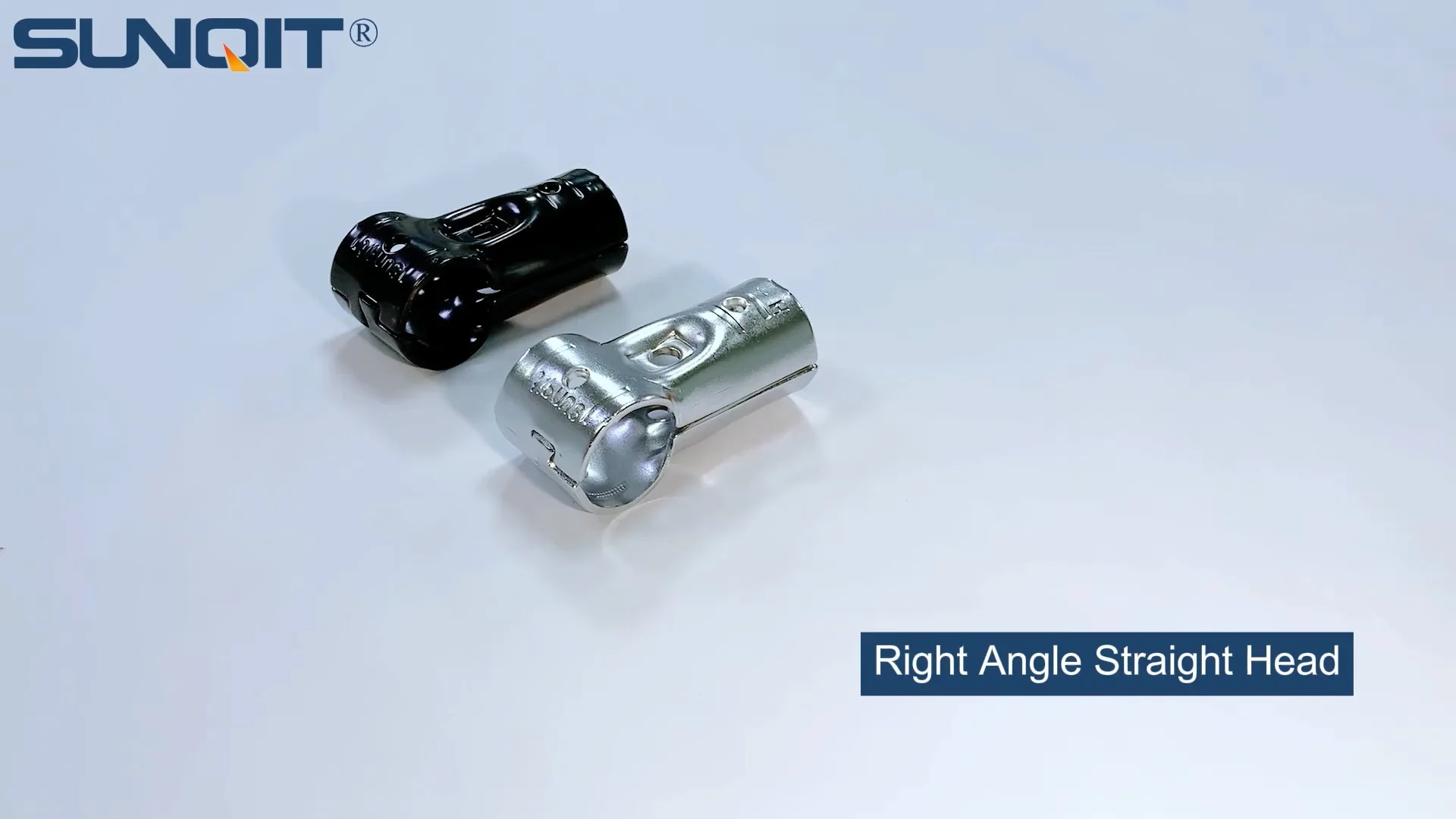
Two way lean pipe joint for 2 pcs 28MM lean pipe connection in straight angle, which used widely in workbench, flow rack, hand trolley frame connection.
Imagine walking through a busy warehouse or a bustling production line. Everywhere you look, there's movement: workers pushing trolleys loaded with components, racks being restocked, workbenches humming with activity. In these spaces, efficiency isn't just a buzzword—it's the rhythm that keeps operations alive. But what happens when that rhythm stumbles? A trolley frame bends under a heavy load. A joint creaks and gives way, sending items crashing to the floor. A workbench wobbles, making precision tasks nearly impossible. These aren't just minor inconveniences; they're bottlenecks that cost time, money, and even safety. The secret to avoiding these headaches often lies in the smallest components—like the Two Way Lean Pipe Joint Chrome. This unassuming piece of hardware might not get the spotlight, but it's the backbone of the mobility and load support that keeps your facility running like a well-oiled machine.
What Is a Two Way Lean Pipe Joint Chrome, Anyway?
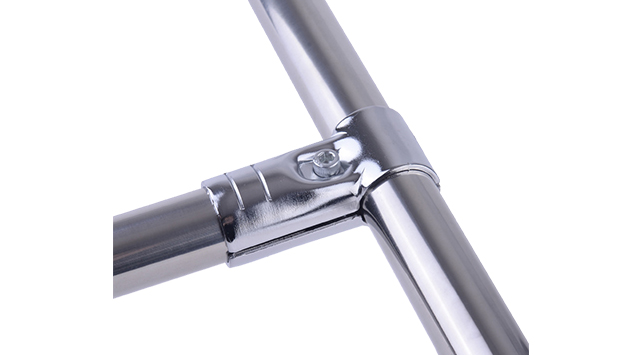
Let's start with the basics. At first glance, the Two Way Lean Pipe Joint Chrome looks like a simple metal connector. But don't let its simplicity fool you. Designed specifically for lean pipe systems, this joint is engineered to connect two lean pipes at a 90-degree angle (though some designs allow for slight adjustments), forming the cornerstone of sturdy, customizable structures. Its "two-way" designation means it has two openings—one for a horizontal pipe and one for a vertical pipe—creating a rigid, L-shaped connection that's essential for building frames, trolleys, and racks.
What sets the "chrome" version apart? Chrome plating isn't just for shine (though it does look sleek). It's a protective layer that shields the underlying steel from rust, corrosion, and wear. In environments like food processing facilities, humid warehouses, or even outdoor loading docks, that resistance to the elements is a game-changer. Unlike unplated steel joints that might start rusting after a few months of exposure to moisture, a chrome-plated joint stays strong and reliable, even in tough conditions. And when you're moving heavy loads day in and day out, reliability isn't optional—it's critical.
Lean Pipe: The Foundation of Modern Material Handling
To truly appreciate the Two Way Lean Pipe Joint Chrome, we need to talk about its partner in crime: lean pipe. Also known as "flexible pipe" or "production pipe," lean pipe is a lightweight, modular tubing system that's revolutionized how facilities build everything from trolleys to workbenches. Typically made of steel with a plastic or rubber coating (though aluminum versions are also popular), lean pipe is affordable, easy to cut to length, and—most importantly—simple to assemble without welding or specialized tools. That's why it's a favorite in lean manufacturing: it reduces waste by allowing teams to build, modify, and repurpose structures on the fly, adapting to changing production needs without waiting for custom fabrication.
But lean pipe alone is just a tube. It's the joints that turn it into something useful. And not all joints are created equal. Plastic joints, for example, are cheap but lack the strength to handle heavy loads. Unplated steel joints might be strong, but they corrode quickly in damp environments. The Two Way Lean Pipe Joint Chrome bridges the gap: it's strong enough to support the demands of industrial use, corrosion-resistant enough to last in harsh conditions, and versatile enough to work with standard lean pipe sizes (usually 28mm or 30mm in diameter). It's the kind of component that makes lean pipe systems truly "lean"—durable, adaptable, and cost-effective over the long haul.
Turnover Trolley and Rack: Where the Joint Shines Brightest
If there's one place where the Two Way Lean Pipe Joint Chrome proves its worth, it's in turnover trolleys and racks. Turnover trolleys—those workhorses of material handling—are designed to transport goods between stations, store parts near assembly lines, or even serve as temporary storage. They need to be two things: light enough to push around easily and strong enough to carry heavy loads without buckling. That's a tough balance, but the Two Way Lean Pipe Joint Chrome makes it possible.
Let's break down a typical turnover trolley. The frame is usually a cube or rectangular shape, made of vertical lean pipes for height and horizontal pipes for width and depth. At each corner, you'll find a Two Way Lean Pipe Joint Chrome, connecting the vertical and horizontal pipes. This isn't just a loose fit, either. The joint's internal threads (or set screws, depending on the design) grip the lean pipe tightly, preventing slippage even when the trolley is jostled or loaded to capacity. Imagine loading a trolley with 50kg of metal parts. Without a strong joint, the corners might flex, causing the frame to warp. Over time, that warping could bend the pipes, loosen other connections, or even cause the trolley to collapse. But with a chrome-plated two-way joint, the frame stays square and rigid. The load is distributed evenly across the pipes, and the joint absorbs the stress of movement, ensuring the trolley holds its shape for years.
Racks are similar. Whether you're building a small parts rack for a workshop or a multi-tiered storage rack for a warehouse, the vertical uprights and horizontal shelves need to connect securely. A Two Way Lean Pipe Joint Chrome at each shelf corner ensures that the shelf doesn't sag under the weight of boxes or tools. And because lean pipe systems are modular, you can easily add or remove shelves by simply loosening the joint, adjusting the pipe length, and re-tightening. No need to buy a whole new rack—just reconfigure the one you have. That's the beauty of lean manufacturing, and it all starts with reliable joints.
Real Talk from the Floor: Maria, a warehouse supervisor at a mid-sized electronics manufacturer, puts it this way: "We used to have plastic joints on our turnover trolleys. They worked okay for light loads, but when we started moving heavier circuit board components, we'd have a joint fail at least once a week. A trolley would collapse, and we'd spend an hour cleaning up, replacing the joint, and reloading the trolley. Since switching to Two Way Lean Pipe Joint Chrome? We haven't had a single joint failure in six months. The trolleys feel sturdier, the team doesn't hesitate to load them to capacity, and we've cut down on maintenance time dramatically."

Caster Wheel Connection: The Unsung Link to Mobility
A turnover trolley is only as mobile as its caster wheels—and those caster wheels are only as good as their connection to the trolley frame. Even the best caster wheel (with smooth-rolling bearings, durable rubber tires, and a heavy-duty swivel plate) won't perform if it's attached to a weak joint. That's where the Two Way Lean Pipe Joint Chrome steps in again, this time as the bridge between the lean pipe frame and the caster wheel assembly.
Most caster wheels for industrial trolleys attach to a mounting plate, which then connects to the bottom of the trolley frame. To secure that mounting plate, you'll often use a short section of vertical lean pipe (called a "leg") that runs from the bottom horizontal frame pipe down to the caster plate. At the top of that leg? You guessed it—a Two Way Lean Pipe Joint Chrome, connecting the leg to the horizontal frame pipe. This creates a direct, rigid path for the load: from the trolley shelf, through the vertical pipes, through the joints, down the legs, and into the caster wheels. No weak points, no flex, no wobble.
Why does this matter for mobility? Think about pushing a fully loaded trolley across a warehouse floor. If the caster wheel connection is loose, the trolley might veer to one side, requiring extra effort to keep it straight. Over time, that extra effort leads to worker fatigue and even injuries. A tight, secure joint eliminates that wobble. The trolley glides smoothly, following the direction you push it, and the caster wheels wear evenly (since they're not being forced to "fight" a misaligned frame). It's a small detail, but it makes a huge difference in day-to-day operations.
Workbench Integration: When Stability Meets Versatility
Trolleys and racks aren't the only places where the Two Way Lean Pipe Joint Chrome shines. Workbenches—those essential surfaces for assembly, repair, and inspection—also benefit from its strength. A good workbench needs to be two things: rock-solid (so tools and parts don't slide around) and adaptable (so you can add shelves, bins, or even lights as needed). Lean pipe workbenches, built with two-way chrome joints, deliver on both.
Consider a typical lean pipe workbench. The frame is a rectangle of vertical and horizontal pipes, with a tabletop (often plywood, metal, or a honeycomb panel) on top. The corners are connected with Two Way Lean Pipe Joint Chrome, ensuring the frame doesn't twist or wobble when you lean on it or place heavy tools (like drills, grinders, or soldering irons) on the surface. Some workbenches even have lower shelves for storage, connected to the vertical pipes with—you guessed it—more two-way joints. And because the joints are easy to adjust, you can raise or lower the shelves to fit taller bins or shorter tools. Need to add a side rack for holding parts? Just attach a new horizontal pipe to a vertical upright using a two-way joint. It's that simple.
Mobility comes into play here, too. Many lean pipe workbenches are built with caster wheels (using the same joint-and-leg method as trolleys), allowing workers to roll the bench to where it's needed most. For example, in a small machine shop, a workbench might stay stationary during the day for assembly, then get wheeled over to a cleaning station at the end of the shift. With a Two Way Lean Pipe Joint Chrome securing the caster legs, the bench moves smoothly without shaking, ensuring tools and parts stay in place.
Why This Joint Stands Out: A Quick Comparison
Still not convinced the Two Way Lean Pipe Joint Chrome is worth the investment? Let's put it head-to-head with other common joint types. The table below breaks down how it stacks up against plastic joints and unplated steel joints in key areas:
| Feature | Two Way Lean Pipe Joint Chrome | Standard Plastic Joint | Unplated Steel Joint |
|---|---|---|---|
| Load Capacity (per joint) | Up to 300kg (even distribution) | 100–150kg (risk of cracking under heavy loads) | 250–300kg (similar to chrome, but…) |
| Corrosion Resistance | High (chrome plating prevents rust) | Medium (plastic resists rust but can degrade in UV light) | Low (prone to rust in humid/damp environments) |
| Durability (expected lifespan) | 5–7 years (with basic maintenance) | 1–2 years (plastic weakens over time, especially with temperature changes) | 3–4 years (starts rusting after 1–2 years in harsh conditions) |
| Ease of Assembly | Tool-free or simple wrench (most designs use set screws or hand-tightened bolts) | Tool-free (snaps onto pipes, but can loosen over time) | Requires wrench (no plating means threads may seize if not lubricated) |
| Cost (initial vs. long-term) | Higher initial cost (~$5–$8 per joint), but lower long-term (no frequent replacements) | Low initial cost (~$2–$3 per joint), but high long-term (replace every 1–2 years) | Medium initial cost (~$4–$6 per joint), medium long-term (replace after rust sets in) |
The takeaway? While plastic joints might save you a few dollars upfront, they're a false economy. The Two Way Lean Pipe Joint Chrome, with its higher load capacity, corrosion resistance, and longer lifespan, pays for itself in reduced downtime, fewer replacements, and safer operations.
Installation 101: Getting Your Joints Right the First Time
Okay, so you're sold on the Two Way Lean Pipe Joint Chrome. Now what? Installing these joints is straightforward, but there are a few tips to ensure a rock-solid connection. Let's walk through the process step by step:
Step 1: Prep Your Lean Pipes
Before you even touch a joint, make sure your lean pipes are clean and cut to the right length. If the pipes have burrs (rough edges from cutting), sand them down with a file or sandpaper—burrs can scratch the joint's interior or prevent a tight fit. Wipe the pipes with a dry cloth to remove dust, oil, or debris; this helps the joint grip better.
Step 2: insert the Pipes into the Joint
Most Two Way Lean Pipe Joint Chrome designs have two openings: one for the vertical pipe and one for the horizontal pipe. Slide the end of the vertical pipe into the vertical opening of the joint until it hits the internal stop (a small ridge inside the joint that prevents over-insertion). Do the same with the horizontal pipe and the horizontal opening. The pipes should fit snugly—you shouldn't be able to wiggle them by hand.
Step 3: Tighten the Set Screws (or Bolts)
Now it's time to secure the joint. Many joints have set screws (small screws on the side of the joint) that press against the lean pipe, holding it in place. Use a hex key (Allen wrench) to tighten these screws—turn them clockwise until they're snug, but don't overdo it! Overtightening can strip the threads or dent the lean pipe, weakening the connection. If your joint uses bolts instead (common in heavy-duty designs), use a wrench to tighten them until the joint is firmly attached to the pipe.
Step 4: Check for Squareness
Once the joint is attached, check that the pipes are at a 90-degree angle. A square or angle finder can help here. If the angle is off, loosen the set screws slightly, adjust the pipes, and re-tighten. A frame that's out of square will wobble and wear unevenly, so taking the time to get this right is worth it.
Step 5: Repeat (and Test!)
Install joints at all corners of your structure, then give it a test. Push on the frame, shake it gently, and apply light pressure to the top (if building a trolley or rack). If there's any movement or creaking, check the joints—you might need to tighten a set screw or reposition a pipe. Once everything feels solid, you're good to go!
Maintenance: Keeping Your Joints Happy (and Your Trolleys Rolling)
Like any piece of equipment, the Two Way Lean Pipe Joint Chrome needs a little TLC to stay in top shape. The good news? Maintenance is minimal, especially compared to other components like caster wheels or motors. Here's what you need to do:
- Inspect monthly: Take a quick look at each joint. Are there any signs of rust (unlikely with chrome, but possible if the plating is scratched)? Are the set screws loose? Is the joint cracked or bent? Catching issues early prevents bigger problems later.
- Clean occasionally: Wipe the joints with a damp cloth to remove dust, grease, or debris. In dirty environments (like a machine shop with metal shavings), you might need to use a soft brush to dislodge stubborn particles.
- Tighten as needed: Over time, set screws can loosen from vibration. If you hear a creak when moving a trolley or notice a joint wiggling, grab your hex key and give the set screws a gentle tighten. Don't over-tighten—just enough to eliminate the play.
- replace when worn: Even the best joints don't last forever. If a joint is cracked, heavily rusted (despite the chrome), or the threads are stripped, replace it immediately. A single faulty joint can compromise the entire structure.
Wrapping It Up: Small Component, Big Impact
At the end of the day, the Two Way Lean Pipe Joint Chrome is more than just a connector. It's a promise of reliability in a world where downtime costs money, and safety can't be compromised. Whether you're building a turnover trolley to move parts across the shop, a rack to store tools, or a workbench to assemble products, this joint ensures your structures are mobile when you need them to be, and rock-solid when you don't. It's the kind of component that fades into the background—until you need it to perform. And when it does, you'll be glad you invested in the best.
So the next time you see a turnover trolley gliding smoothly across the warehouse floor, or a workbench holding steady under a heavy load, take a second to look at the corners. Chances are, there's a Two Way Lean Pipe Joint Chrome hard at work, keeping everything together. And that, in a nutshell, is the power of great engineering: making the complex look simple, and the everyday feel effortless.